Explore Sustainable Career Choices for a Greener NZ Future
Aotearoa New Zealand stands at a pivotal moment, poised to deepen its commitment to environmental stewardship and sustainable living. As global awareness of climate change and resource depletion intensifies, the demand for professionals dedicated to creating a greener, more resilient future is skyrocketing. This isn’t just about protecting our pristine landscapes; it’s about building a robust, innovative economy where every role contributes to a healthier planet.
Are you passionate about making a tangible difference? Do you envision a career that not only supports you but also supports the well-being of New Zealand’s unique environment and communities? Then it’s time to explore sustainable career choices for a greener NZ future. This comprehensive guide will illuminate the diverse opportunities available, from transforming our energy systems to fostering ecological restoration, and equip you with the insights needed to embark on your impactful journey.
Table of Contents
- Why Sustainable Careers Matter in NZ
- Key Sectors Driving Green Job Growth
- Diverse Roles in the Sustainable Economy
- Skills for a Sustainable Career
- Making the Transition: Your Green Career Path
- Conclusion: Building a Greener NZ Together
- Frequently Asked Questions (FAQ)
- References
Why Sustainable Careers Matter in NZ
New Zealand’s ‘100% Pure’ brand identity isn’t just a marketing slogan; it’s a profound commitment to our natural heritage. However, maintaining this status requires concerted effort across all sectors. Sustainable careers are at the forefront of this effort, offering pathways to address pressing environmental challenges while fostering economic prosperity.
The global green economy is projected to reach $10.3 trillion by 2030, with significant growth opportunities for countries like New Zealand investing in renewable energy, sustainable agriculture, and circular economy initiatives. (Source: UNEP, Green Economy Report).
From mitigating climate change impacts to protecting unique biodiversity, these roles are not just ‘jobs’ but crucial contributions to a healthier future. They encompass innovation, strategic planning, hands-on conservation, and community engagement, all essential for NZ’s long-term well-being.
Key Sectors Driving Green Job Growth
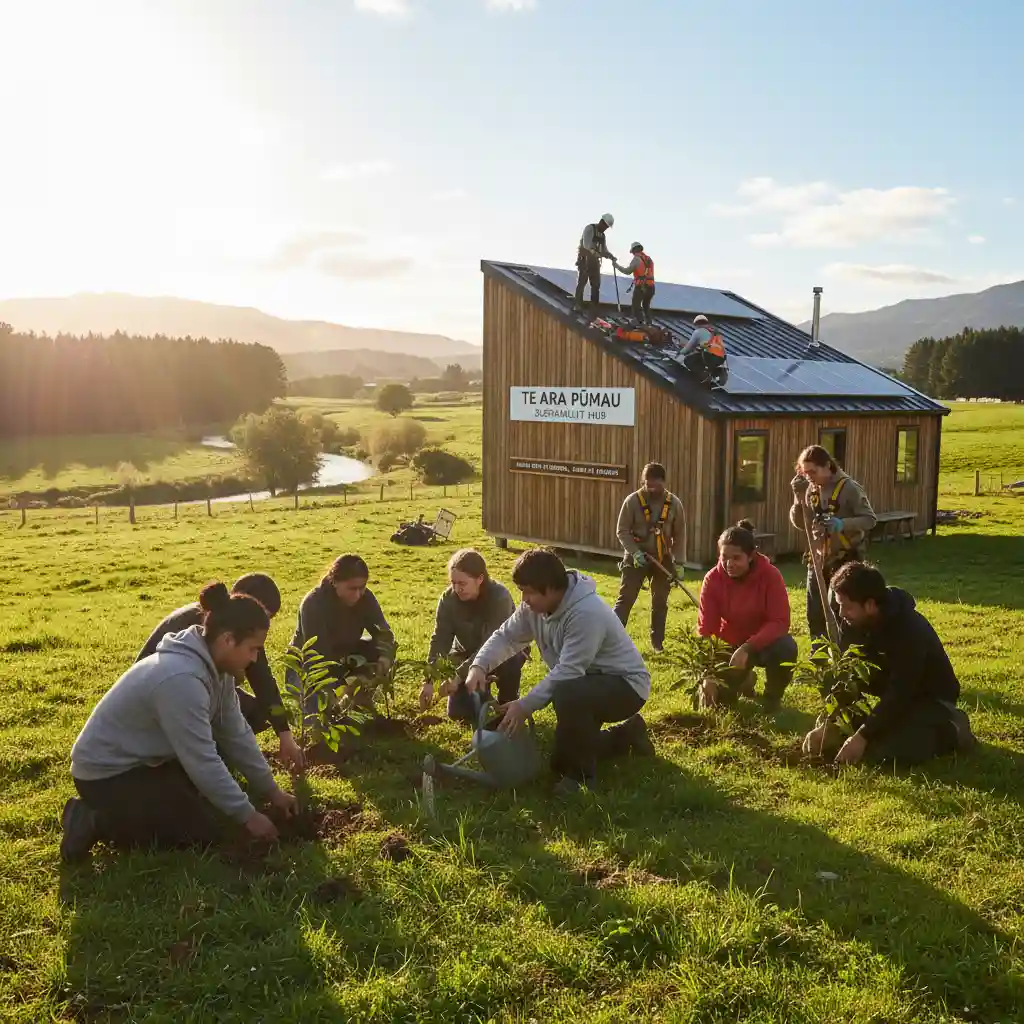
The landscape of sustainable work is incredibly diverse, extending far beyond traditional environmental roles. Several key sectors are rapidly expanding, creating exciting opportunities to explore sustainable career choices for a greener NZ future.
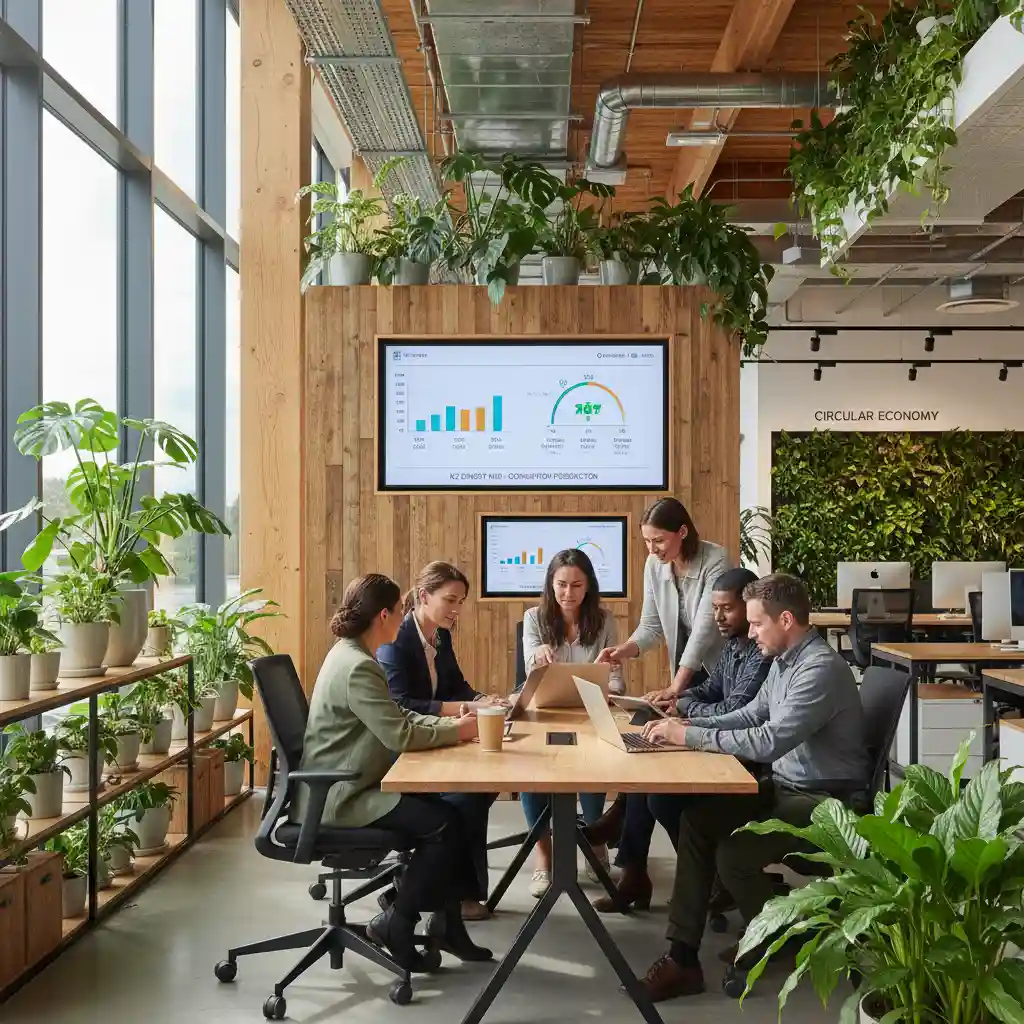
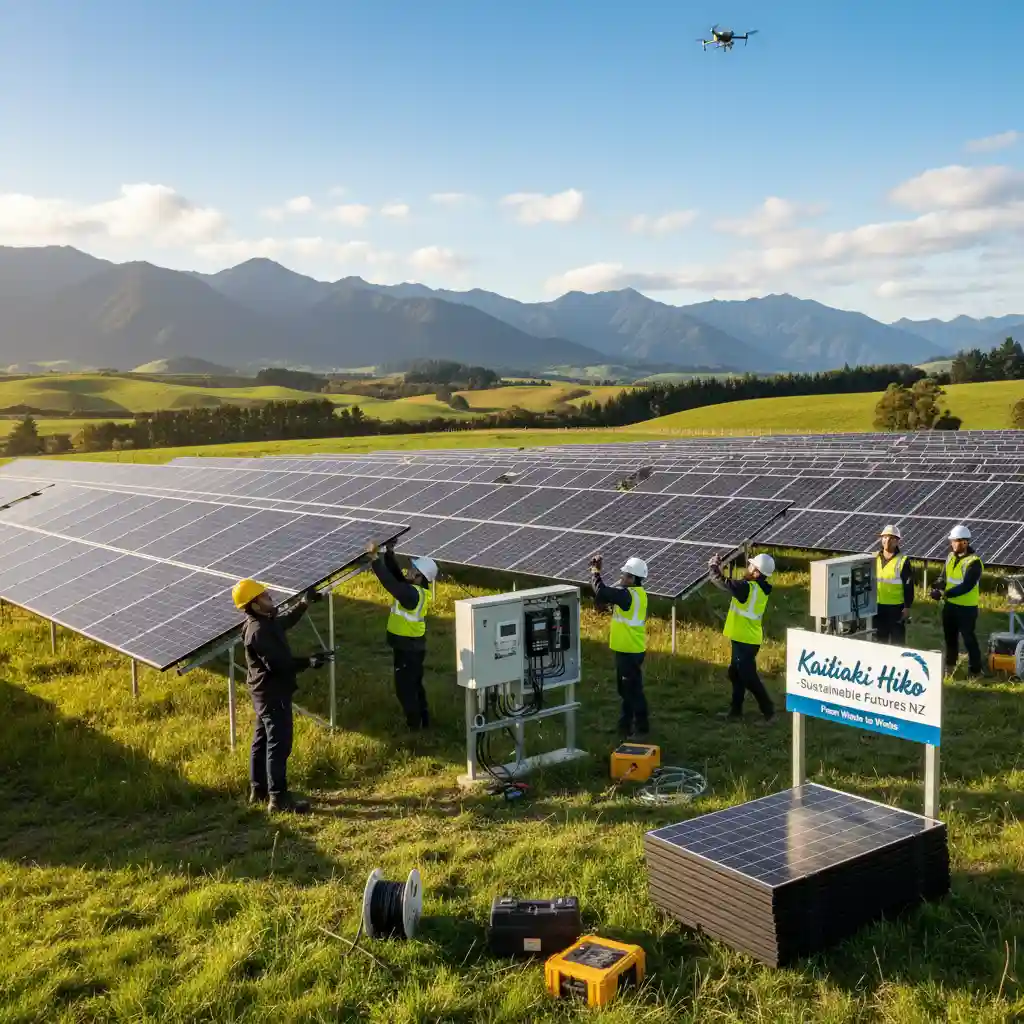
- Renewable Energy: With NZ’s ambitious goals for renewable electricity, careers in solar, wind, geothermal, and hydro power are burgeoning. This includes engineers, technicians, project managers, and policy advisors.
- Sustainable Agriculture & Horticulture: From organic farming and regenerative agriculture to sustainable viticulture, roles focus on reducing environmental impact, enhancing soil health, and producing food ethically.
- Circular Economy & Waste Management: Moving beyond landfill, this sector needs specialists in waste minimisation, resource recovery, product design for longevity, and developing new uses for ‘waste’ materials. This is a direct evolution from traditional waste management and legislation, now consumer-focused.
- Conservation & Biodiversity: Protecting NZ’s unique flora and fauna demands ecologists, conservation managers, park rangers, and researchers.
- Green Building & Infrastructure: Designing, constructing, and maintaining energy-efficient, environmentally friendly buildings and infrastructure. Think green architects, sustainable urban planners, and eco-builders.
- Ecotourism & Sustainable Hospitality: Developing and managing tourism experiences that have minimal impact on the environment and actively contribute to conservation.

Diverse Roles in the Sustainable Economy
Within these expanding sectors, the variety of roles is immense, appealing to a wide range of skill sets and interests. It’s not just about science; it’s about strategy, communication, design, and innovation.
- Environmental Consultant: Advising businesses and governments on environmental impact, compliance, and sustainability strategies.
- Sustainability Manager: Integrating sustainable practices into an organisation’s operations, supply chain, and corporate social responsibility initiatives.
- Renewable Energy Engineer/Technician: Designing, installing, and maintaining renewable energy systems.
- Waste Minimisation Specialist: Developing and implementing strategies to reduce, reuse, and recycle waste across industries and communities.
- Ecologist/Conservation Scientist: Researching, monitoring, and protecting ecosystems and species.
- Green Marketing & Communications Specialist: Promoting sustainable products, services, and initiatives.
- Climate Policy Analyst: Researching and advising on policies to address climate change and promote sustainable development.
“The shift towards a sustainable economy in New Zealand is not just an environmental necessity; it’s an economic opportunity. It requires creative thinkers, skilled innovators, and passionate individuals across all fields to truly thrive.” – Dr. Sarah Jenkins, Environmental Economist.

Skills for a Sustainable Career
To successfully explore sustainable career choices for a greener NZ future, a blend of traditional expertise and forward-thinking skills is crucial. While specific technical skills will vary by role, several overarching capabilities are highly valued across the sustainable sector.
- Systems Thinking: Understanding how interconnected environmental, social, and economic factors interact.
- Problem-Solving & Innovation: Developing creative solutions to complex sustainability challenges.
- Adaptability & Resilience: Navigating evolving regulations, technologies, and environmental conditions.
- Collaboration & Communication: Working effectively with diverse stakeholders, from scientists to community groups and government bodies.
- Data Literacy: Analyzing environmental data, impact assessments, and reporting on sustainability metrics.
- Project Management: Efficiently planning and executing sustainable projects.

Making the Transition: Your Green Career Path
Ready to dive in? Transitioning to a sustainable career often involves strategic planning and continuous learning. Here’s how you can proactively explore sustainable career choices for a greener NZ future.
- Assess Your Skills & Passions: Identify how your existing skills can transfer to green roles and what areas of sustainability genuinely excite you.
- Research & Network: Explore job boards, industry associations (e.g., Sustainable Business Network, Climate Leaders Coalition), and LinkedIn to find people and organisations making an impact. Attend relevant webinars or events.
- Upskill & Certify: Consider short courses, postgraduate diplomas, or online certifications in areas like renewable energy, environmental management, or circular economy principles.
- Gain Experience: Look for volunteer opportunities, internships, or entry-level positions in sustainable organisations to build practical experience and connections.
- Tailor Your CV & Cover Letter: Highlight your passion for sustainability and demonstrate how your skills align with the values and requirements of green roles.
- Informational Interviews: Connect with professionals already in sustainable roles to gain insights into their day-to-day work and career paths.
The journey may require patience and dedication, but the reward of contributing to a more sustainable New Zealand is immeasurable.
Conclusion: Building a Greener NZ Together
The call to build a more sustainable future for New Zealand is clear, and the opportunities to be part of this transformative journey are abundant. By choosing to explore sustainable career choices for a greener NZ future, you’re not just selecting a job; you’re investing in a purpose, contributing to a resilient economy, and safeguarding the natural beauty that defines Aotearoa.
Whether your path leads you to innovation in renewable energy, championing conservation, or pioneering circular economy solutions, your contribution will be invaluable. The future of NZ is green, and it’s waiting for you to help shape it.
Frequently Asked Questions (FAQ)
What defines a ‘sustainable career’ in New Zealand?
A sustainable career in New Zealand is any role that directly or indirectly contributes to environmental protection, social equity, and economic viability. This includes jobs in renewable energy, sustainable agriculture, waste reduction, conservation, green building, and roles that drive corporate social responsibility or ethical supply chains. It’s about having a positive impact on the planet and people.
Are sustainable jobs well-paid in NZ?
Salaries for sustainable roles vary widely depending on the sector, experience, and specific responsibilities, much like traditional careers. However, many roles, particularly in renewable energy, environmental consulting, and sustainability management, offer competitive salaries, reflecting the high demand for specialised skills. As the green economy grows, so too does the value placed on these expertise areas.
How can I transition to a green career if my background isn’t environmental?
Many sustainable careers value transferable skills. Start by identifying how your current skills (e.g., project management, marketing, finance, IT) can be applied to green sectors. Consider upskilling through short courses, certifications, or even a postgraduate diploma in sustainability-related fields. Networking with professionals in your desired area and seeking volunteer or internship opportunities can also provide invaluable entry points and experience.
What government support is available for sustainable businesses or initiatives in NZ?
The New Zealand government offers various initiatives and funding opportunities to support sustainable businesses and projects. These include grants from agencies like Callaghan Innovation for R&D, programmes from the Ministry for the Environment, and support for renewable energy and agricultural innovation. Local councils also often have schemes for waste reduction and community sustainability projects. It’s worth exploring the websites of relevant government ministries and local authorities for current opportunities.
References
- United Nations Environment Programme (UNEP). (2011). Towards a Green Economy: Pathways to Sustainable Development and Poverty Eradication. Retrieved from UNEP Website
- Ministry for the Environment. (Current). Environmental Reporting. Retrieved from Ministry for the Environment NZ
- Sustainable Business Network. (Ongoing). Reports and Resources. Retrieved from Sustainable Business Network NZ
- Stats NZ. (Ongoing). Environmental Indicators. Retrieved from Stats NZ Website