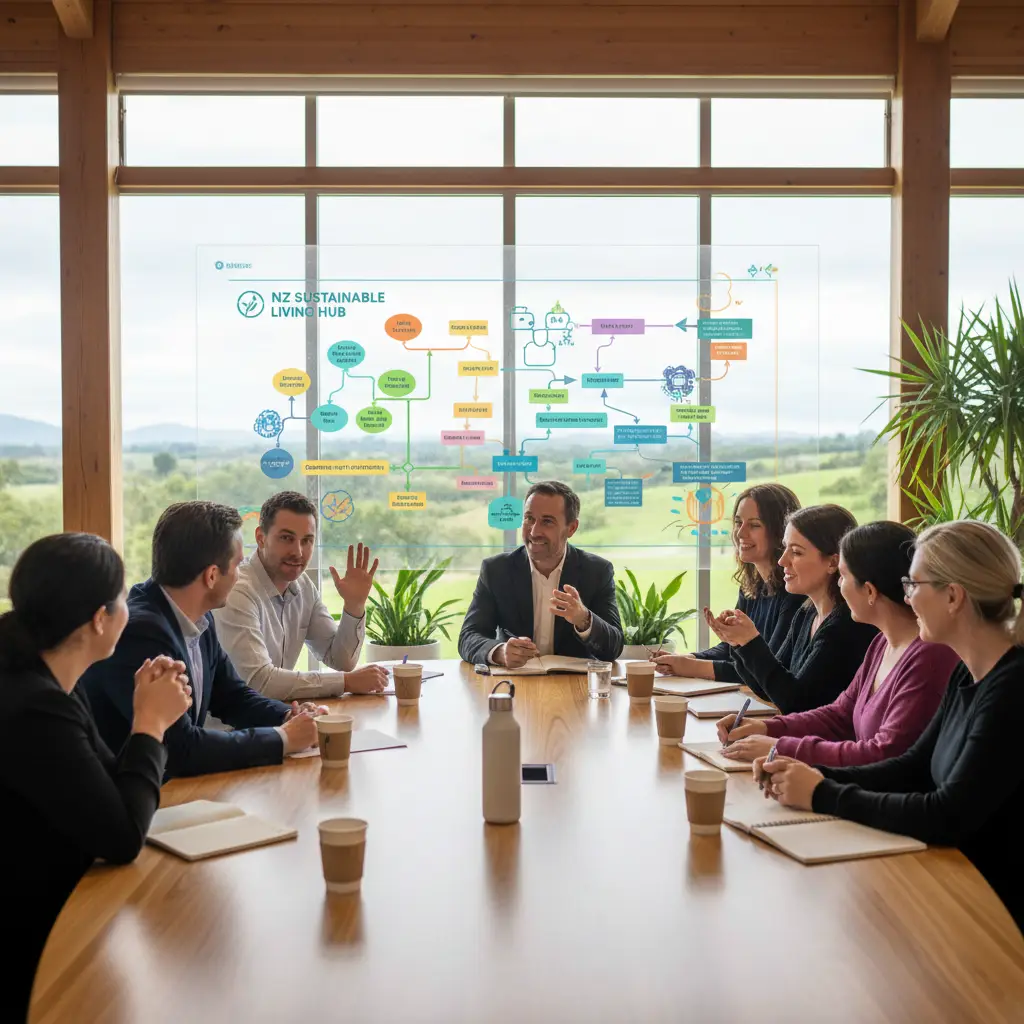
Evaluating Sustainability: Improving Current Operations
Unlock the potential for a greener future by meticulously assessing and enhancing your operational footprint in Aotearoa.
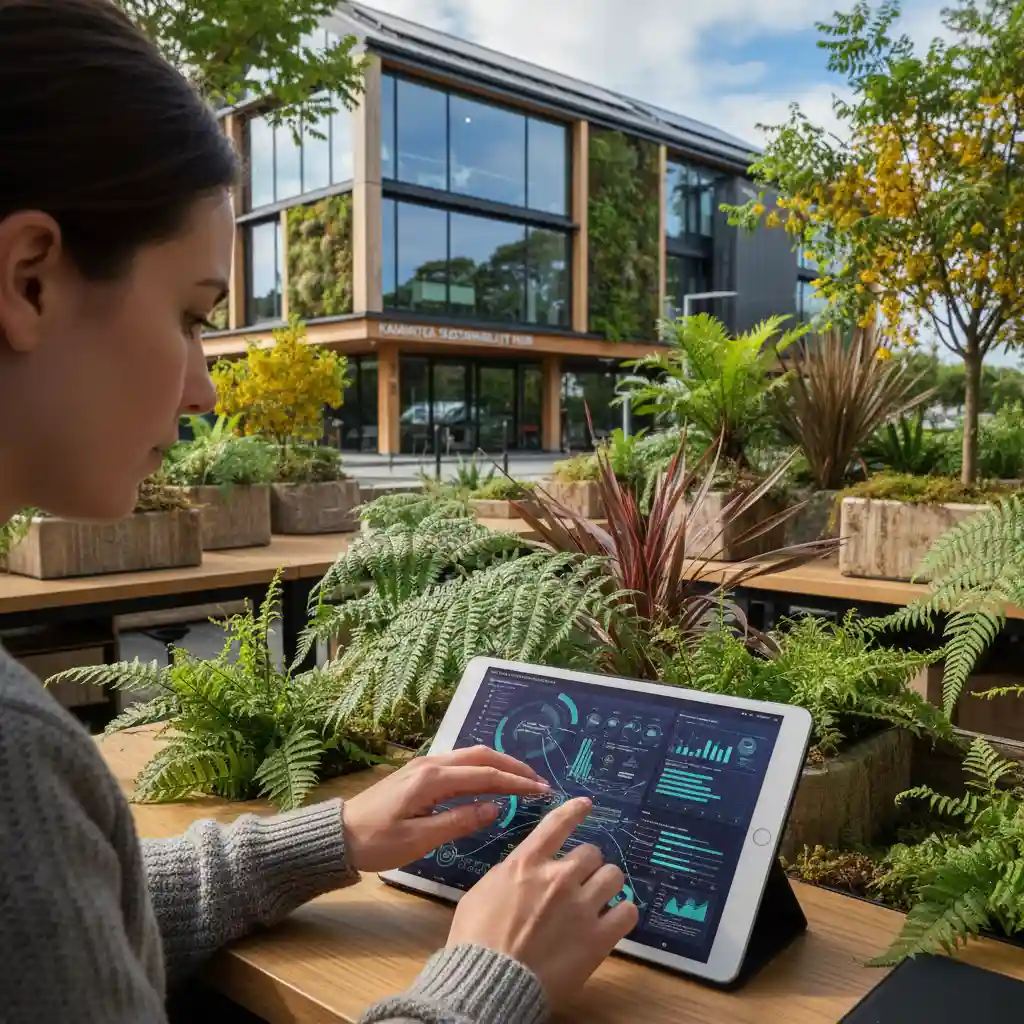
In an era defined by environmental consciousness and resource scarcity, the concept of sustainability has moved from the periphery to the core of successful operations. For businesses and individuals alike in New Zealand, evaluating sustainability: improving current operations isn’t just about compliance; it’s a strategic imperative for long-term resilience, innovation, and positive impact.
This guide delves into the crucial process of assessing your current practices and identifying actionable pathways to enhance your environmental, social, and economic performance. Whether you’re a small local enterprise or part of a larger supply chain, understanding and refining your sustainable footprint is key to thriving in Aotearoa’s unique and precious environment.
Why Evaluate Sustainability? The NZ Imperative
For New Zealand, a nation renowned for its natural beauty and ‘clean, green’ image, genuine sustainability practices are not just good for business; they’re essential for preserving our unique environment and cultural heritage. From protecting our pristine waterways to reducing our carbon footprint, the reasons for diligently evaluating sustainability: improving current operations are manifold.
“Sustainability is no longer an optional add-on; it’s the foundational framework for resilient businesses and thriving communities in the 21st century.”
Stat Callout: The Growing Impact
Recent studies indicate that New Zealand businesses implementing strong sustainability practices often see up to a 15-20% increase in operational efficiency and significantly enhanced brand reputation among conscious consumers. (Source: Sustainable Business Council NZ, 2023 trends report).
Beyond reputation, robust sustainability evaluation can lead to significant cost savings through reduced waste, lower energy consumption, and optimized resource use. It also fosters innovation, attracts talent, and positions organizations favorably in an increasingly green-focused market.
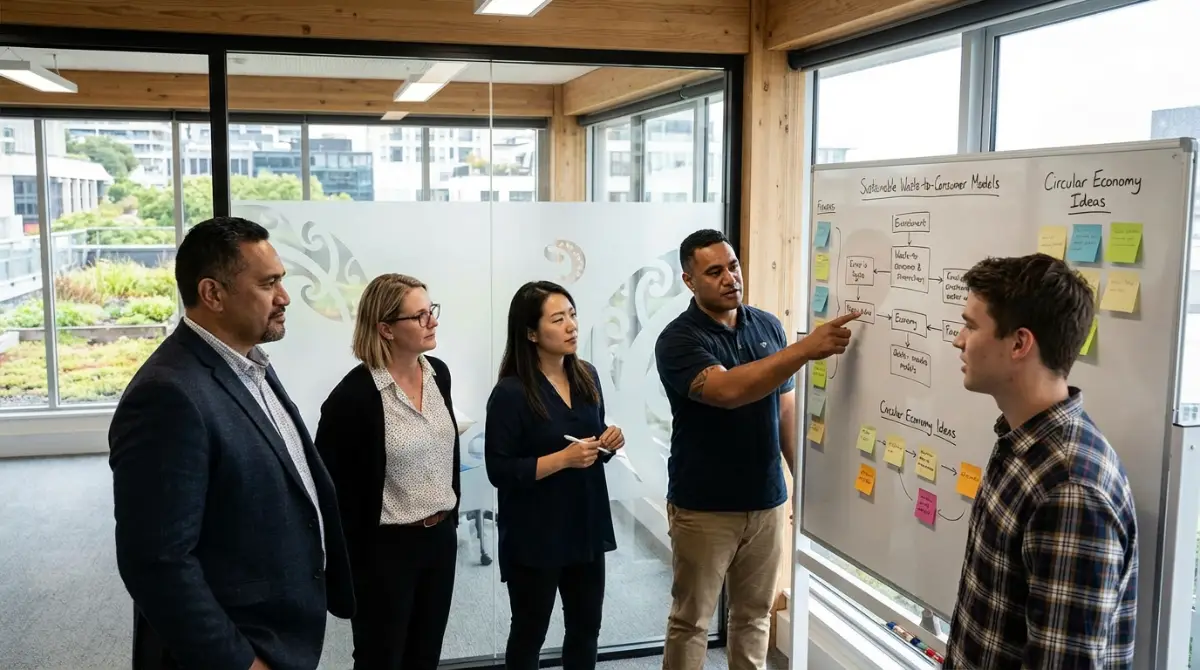
The Journey to Sustainable Operations: A Step-by-Step Approach
Embarking on the path of evaluating sustainability: improving current operations requires a structured approach. Here’s a comprehensive five-step framework to guide you:
1. Baseline Assessment & Data Collection
You can’t improve what you don’t measure. Start by gathering comprehensive data on your current environmental, social, and economic impacts. This includes energy consumption, water usage, waste generation, emissions, supply chain origins, labour practices, and community engagement initiatives.
- Tools: Utility bills, waste audits, supplier questionnaires, employee surveys, carbon calculators.
- Focus: Establish a clear ‘before’ picture to accurately gauge future progress.
2. Identify Key Impact Areas
Once data is collected, analyze it to pinpoint the areas where your operations have the most significant negative impact or the greatest potential for positive change. Is it excessive packaging? High energy bills? Untraceable supply chains? Prioritize these key areas for improvement.
- Method: Materiality assessment, stakeholder engagement, risk analysis.
- Outcome: A clear understanding of your ‘hot spots’ for sustainability intervention.
3. Set SMART Goals & Targets
With your key impact areas identified, set Specific, Measurable, Achievable, Relevant, and Time-bound (SMART) goals. For example: “Reduce office waste to landfill by 30% by the end of 2025” or “Transition to 100% renewable energy sources within three years.”
- Inspiration: UN Sustainable Development Goals (SDGs), industry benchmarks.
- Tip: Engage your team in goal setting to foster ownership and innovation.
4. Implement Solutions & Innovations
This is where strategy turns into action. Based on your goals, implement new processes, technologies, and practices. This could range from installing solar panels, optimising logistics, rethinking product design for circularity, to initiating employee sustainability training programs.
- Examples: Energy-efficient lighting, water-saving fixtures, waste segregation systems, local sourcing initiatives.
- Opportunity: Look for innovative New Zealand solutions and partnerships.
5. Monitor, Report, and Adapt
Sustainability is an ongoing journey, not a destination. Regularly monitor your progress against your SMART goals, report on your findings (internally and externally where appropriate), and be prepared to adapt your strategies based on new data, technologies, or challenges. Continuous improvement is crucial for truly evaluating sustainability: improving current operations effectively.
- Benefits: Demonstrates transparency, builds trust, informs future decision-making.
- Iteration: Use feedback loops to refine and enhance your sustainability efforts.
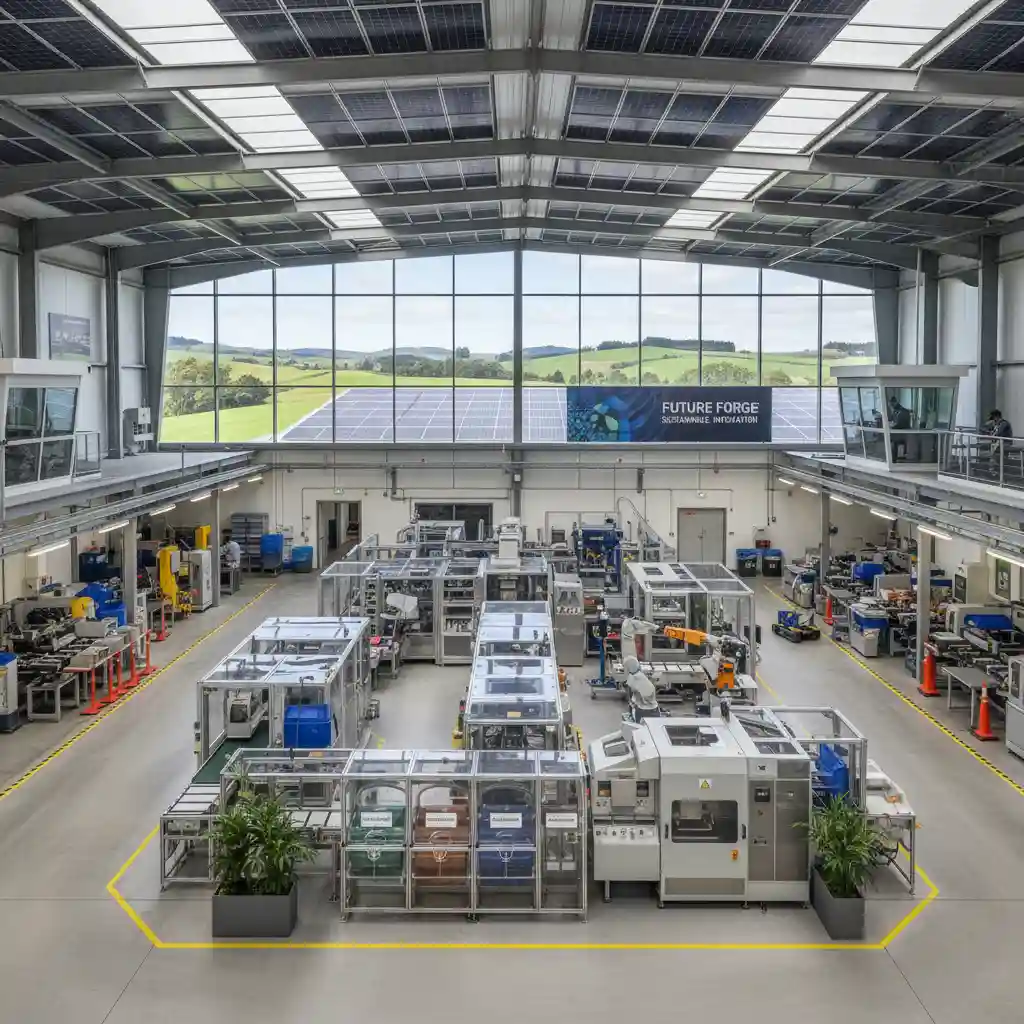
Key Areas for Improving Current Operations
While the steps above provide a framework, specific focus areas yield the most impactful improvements:
- Energy Efficiency & Renewables: Transitioning to LED lighting, optimizing HVAC systems, exploring solar or wind power options, and purchasing GreenPower.
- Waste Reduction & Circularity: Implementing robust recycling and composting programs, reducing single-use items, rethinking product design for longevity and recyclability, and engaging in upcycling initiatives.
- Water Conservation: Installing water-efficient fixtures, collecting rainwater, and optimizing irrigation systems.
- Sustainable Sourcing & Supply Chains: Prioritizing local suppliers, verifying ethical labour practices, choosing eco-certified materials, and reducing transportation emissions.
- Community Engagement & Social Responsibility: Supporting local initiatives, fair wages, diversity and inclusion, and transparent communication.
Action Checklist for Sustainable Improvement
Ready to put it into practice? Use this checklist to guide your journey in evaluating sustainability: improving current operations.
- Assess: Conduct a thorough baseline assessment of all resource consumption and waste streams.
- Prioritise: Identify your top 3-5 areas of greatest environmental or social impact.
- Strategize: Develop SMART goals for each priority area.
- Engage: Involve employees, suppliers, and community stakeholders in your sustainability efforts.
- Innovate: Research and implement new green technologies or processes.
- Optimise: Review and streamline your supply chain for efficiency and ethics.
- Educate: Provide training on sustainable practices for all staff.
- Monitor: Establish regular reporting metrics and evaluation cycles.
- Communicate: Transparently share your progress and challenges with stakeholders.
- Adapt: Be prepared to adjust your strategies based on performance and new insights.
Overcoming Challenges in Sustainability Evaluation
While the benefits are clear, the path to improved sustainability isn’t without hurdles. Common challenges include initial investment costs, lack of internal expertise, resistance to change, and difficulty in measuring intangible benefits. However, with careful planning, seeking expert advice (e.g., from Sustainable Business Network NZ), and fostering a culture of continuous improvement, these obstacles can be overcome. Many government grants and initiatives also exist to support businesses transitioning to greener operations.
The Future of Sustainable Operations in Aotearoa
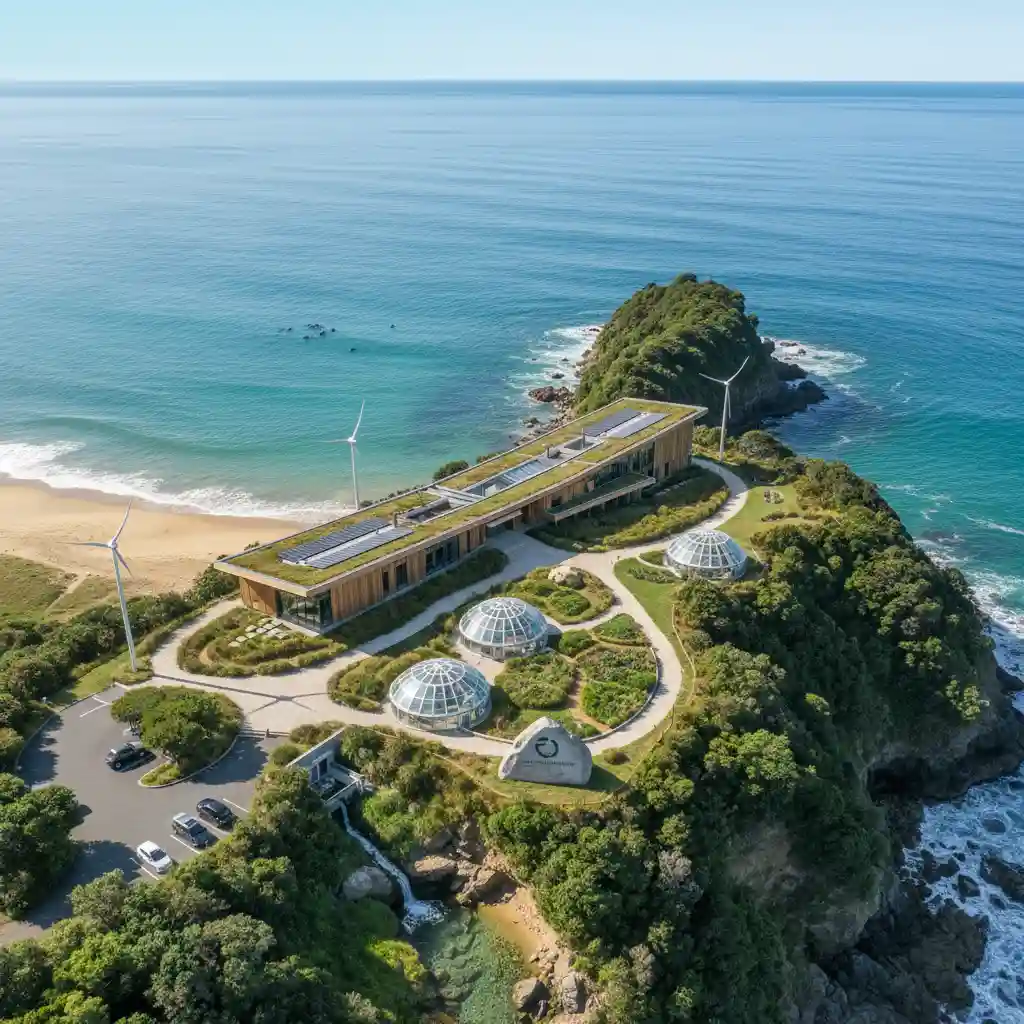
New Zealand is uniquely positioned to lead in sustainable practices, drawing on Māori principles of kaitiakitanga (guardianship) and a strong national commitment to environmental protection. As consumer awareness grows and regulations evolve, businesses that proactively embrace evaluating sustainability: improving current operations will not only contribute to a healthier planet but also secure a competitive edge and build enduring value for generations to come.
Conclusion
The journey of evaluating sustainability: improving current operations is a transformative one. It moves beyond mere compliance, embedding a mindset of responsibility and innovation into the heart of an organisation. By systematically assessing, planning, implementing, and monitoring, any operation in New Zealand can significantly enhance its environmental stewardship, strengthen its community ties, and ensure its long-term viability in a rapidly changing world. Start your evaluation today – the future of Aotearoa depends on it.
Frequently Asked Questions (FAQs)
What does ‘evaluating sustainability’ entail for a small business in NZ?
For a small business, it typically involves a simplified assessment of energy and water usage, waste generation, sourcing practices (local vs. imported), and employee well-being. The focus is on identifying high-impact areas that are manageable to address, such as switching to LED lights, improving recycling, or choosing local suppliers.
How often should operations be evaluated for sustainability improvements?
Ideally, a comprehensive evaluation should be conducted annually or biennially. However, monitoring key metrics (like energy bills, waste volumes) should be ongoing, with quarterly reviews to track progress and make necessary adjustments. Sustainability is a continuous improvement cycle.
Are there government incentives for New Zealand businesses to improve sustainability?
Yes, the New Zealand government, through various agencies like Callaghan Innovation, EECA (Energy Efficiency and Conservation Authority), and local councils, offers a range of grants, funding, and support programmes for businesses investing in sustainable technologies, energy efficiency, waste reduction, and circular economy initiatives. It’s worth exploring the resources available on their official websites.
What’s the difference between ‘greenwashing’ and genuine sustainability?
Greenwashing is when a company spends more time and money marketing itself as environmentally friendly than actually implementing sustainable practices. Genuine sustainability involves transparent, verifiable actions, clear reporting, and a commitment to continuous improvement across environmental, social, and governance (ESG) factors, backed by data and third-party certifications where applicable.
References/Sources
- Sustainable Business Council NZ. (2023). Annual Trends Report: The State of Sustainable Business in Aotearoa.
- Ministry for the Environment. (n.d.). New Zealand’s Environmental Reporting Series. Retrieved from environment.govt.nz
- Energy Efficiency and Conservation Authority (EECA). (n.d.). Business and Organisations. Retrieved from eeca.govt.nz
- United Nations. (n.d.). Sustainable Development Goals. Retrieved from sdgs.un.org
- Sustainable Business Network. (n.d.). Resources for Sustainable Business. Retrieved from sustainable.org.nz