Ethical Wildlife Tourism & Encounters NZ: Your Guide to Responsible Exploration
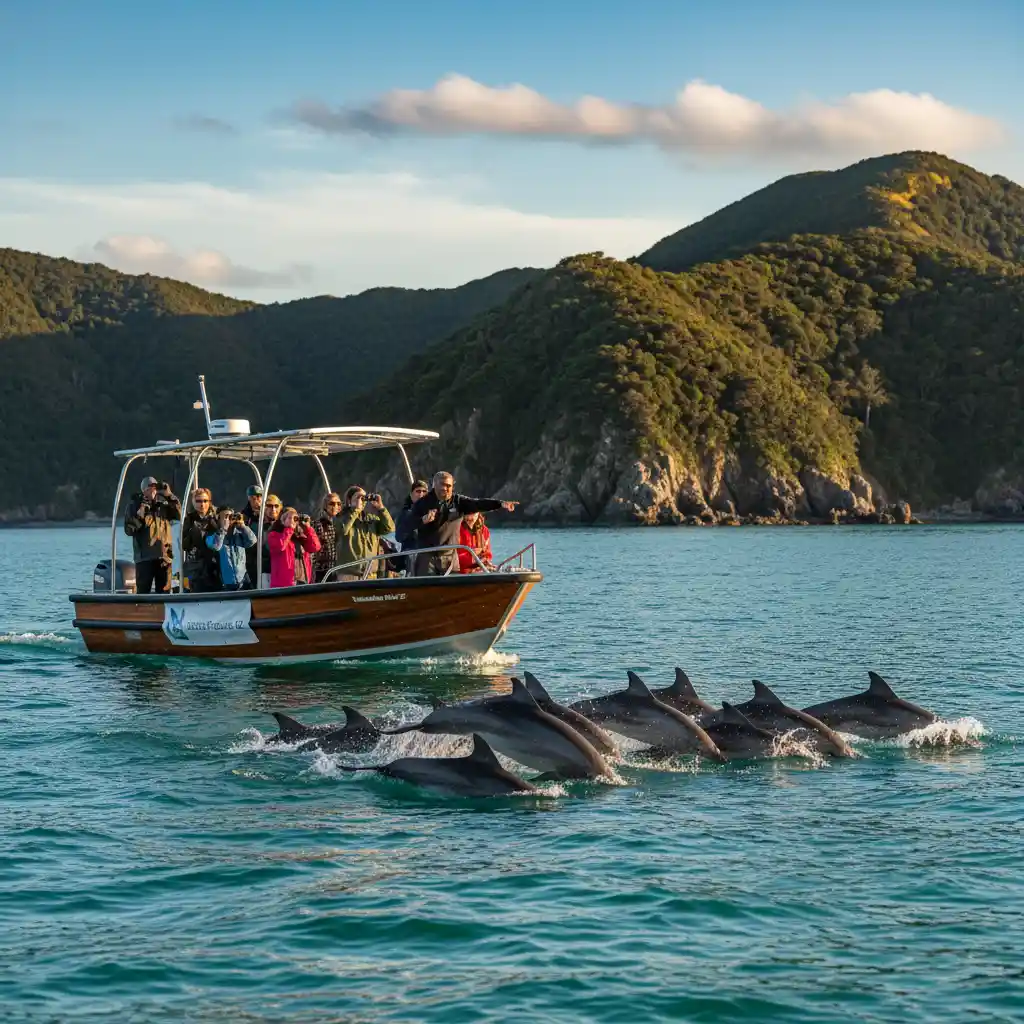
New Zealand, Aotearoa, is a land of unparalleled natural beauty and unique biodiversity. From its soaring mountains to its pristine coastlines, it offers a sanctuary for some of the world’s most incredible wildlife. As visitors and kaitiaki (guardians), we have a profound responsibility to ensure our encounters with these precious creatures are not just memorable, but also truly ethical and sustainable. This comprehensive guide will help you navigate the world of responsible wildlife tourism, with a special focus on finding the best dolphin watching ethical NZ experiences.
Understanding how to interact with wildlife respectfully and choosing operators who prioritize animal welfare and conservation is crucial. It’s about more than just seeing; it’s about connecting in a way that safeguards the future of these magnificent species for generations to come.
Table of Contents
- Responsible Viewing Guidelines: Your Role in Protecting NZ’s Wildlife
- Choosing Wisely: Accredited Operators & Sustainable Practices
- Protecting Marine Life: Beyond Dolphin Watching
- Soaring Responsibly: Bird Watching Ethics in NZ
- Conservation Tourism: Making a Lasting Impact
- Frequently Asked Questions (FAQ)
- References/Sources

Responsible Viewing Guidelines: Your Role in Protecting NZ’s Wildlife
Every interaction with New Zealand’s wildlife, whether on land or at sea, comes with a responsibility. The Department of Conservation (DOC) provides clear guidelines to ensure these encounters are safe for both humans and animals. Following these rules is paramount to maintaining the health and natural behaviour of our unique fauna.
Essential Action Checklist for Ethical Wildlife Encounters:
- Maintain Distance: Always keep a respectful distance. For marine mammals, this is typically 50 meters (164 feet) for dolphins and seals, and 200 meters (656 feet) for whales. For birds, avoid approaching nesting sites or disturbing feeding.
- Never Feed Wildlife: Feeding animals can alter their natural hunting behaviours, make them reliant on humans, and expose them to illness from inappropriate foods.
- Minimize Noise & Disturbance: Sudden movements or loud noises can stress animals. Move slowly and quietly, especially around sensitive species.
- Stay on Designated Paths: When exploring natural habitats, stick to marked trails to avoid trampling vegetation or disturbing ground-dwelling animals and their burrows.
- Take Nothing, Leave No Trace: This includes rubbish, food scraps, and anything else that doesn’t belong. Pack out everything you pack in.
- Report Concerns: If you observe sick, injured, or distressed wildlife, or see anyone violating guidelines, report it to the DOC hotline (0800 DOC HOT).
“The privilege of witnessing New Zealand’s wildlife in its natural habitat comes with the responsibility of protecting it. Your choices directly impact their survival.”
Choosing Wisely: Accredited Operators & Sustainable Practices
When planning your dolphin watching ethical NZ experience or any wildlife tour, selecting the right operator is the single most important decision. Accredited operators adhere to strict environmental and animal welfare standards, ensuring their operations are sustainable and beneficial to conservation efforts.
What to Look for in an Ethical Wildlife Tour Operator:
- Department of Conservation (DOC) Permits: This is non-negotiable. Legitimate operators must hold a DOC concession for their activities, indicating they meet strict environmental regulations.
- Small Group Sizes: Smaller groups reduce disturbance to animals and provide a more intimate, less impactful experience.
- Educational Focus: Ethical operators prioritize educating guests about the wildlife, their habitats, and conservation challenges.
- Conservation Contributions: Many ethical companies actively contribute to research, rescue, or habitat restoration projects. Inquire about their conservation initiatives.
- Respect for Animals: Observe how the crew interacts with the animals. Do they maintain distance? Do they allow animals to approach on their terms, rather than pursuing them?
- Responsible Marketing: Avoid operators that promote ‘guaranteed’ sightings or invasive interactions (e.g., chasing animals for a photo opportunity).
Stat Callout:
A 2022 study by Tourism New Zealand indicated that over 70% of international visitors are actively seeking sustainable travel options and are willing to pay more for ethical experiences, highlighting the growing demand for operators who prioritize conservation.
Protecting Marine Life: Beyond Dolphin Watching
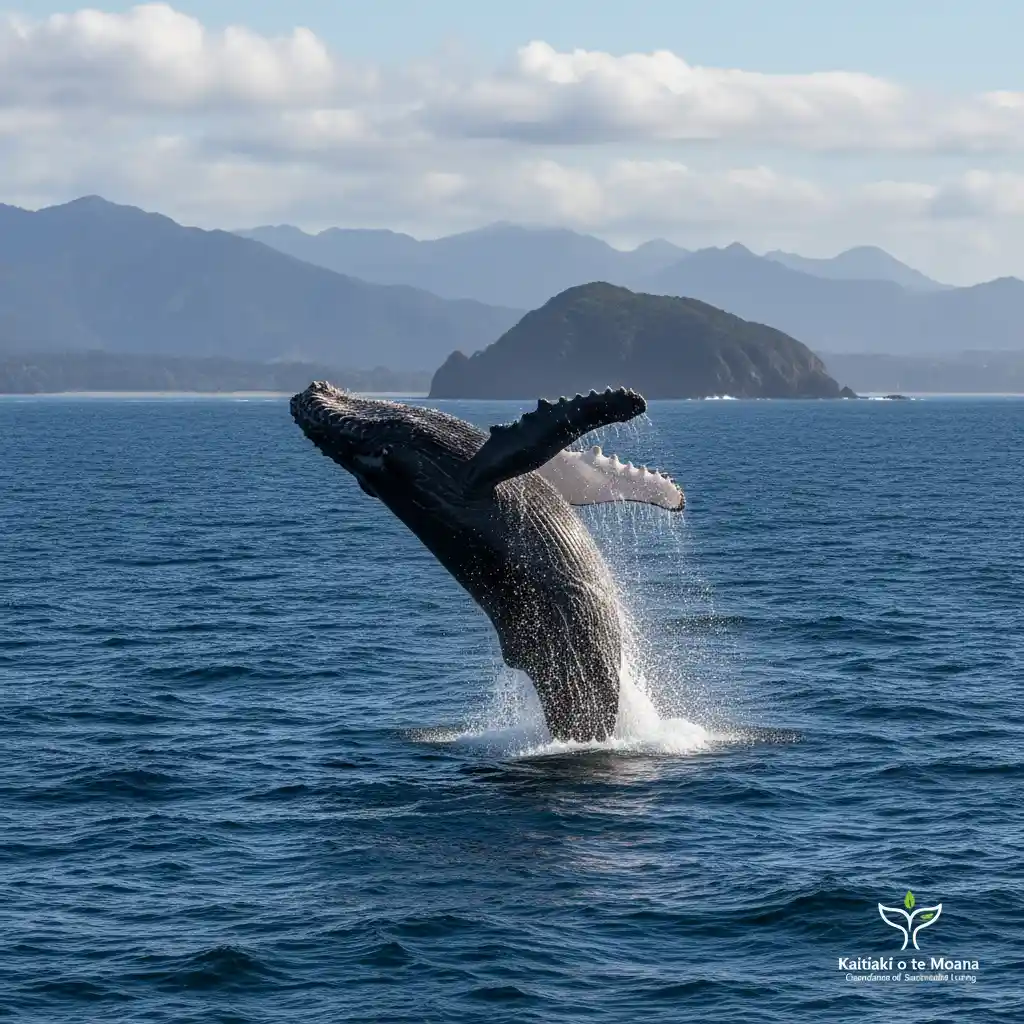
While dolphin watching ethical NZ tours are a popular highlight, New Zealand’s marine ecosystems are home to a vast array of other incredible species, including whales, seals, penguins, and countless fish and invertebrate species. Our actions on land and at sea have direct consequences for these environments.
Plastic pollution, climate change, overfishing, and habitat destruction are significant threats. Supporting ethical operators who use low-impact vessels, avoid single-use plastics, and educate about marine conservation extends your positive impact far beyond a single encounter. Consider participating in beach clean-ups or supporting marine protected areas.
Stat Callout:
New Zealand boasts 44 marine reserves, covering approximately 17,500 square kilometers. These protected areas are vital for the recovery and flourishing of marine biodiversity, underscoring the nation’s commitment to marine conservation. (Source: DOC, 2023)
Soaring Responsibly: Bird Watching Ethics in NZ
New Zealand is a global hotspot for endemic birdlife, many of which are flightless and highly vulnerable. Ethical bird watching is essential to protect these unique species, from the iconic Kiwi to the majestic Albatross.
- Biosecurity is Key: Before visiting bird sanctuaries or islands, ensure your gear (boots, bags) is clean and free of pests (seeds, soil, rodents) to prevent the introduction of invasive species.
- Give Them Space: Do not approach nests or birds too closely, as this can cause stress or abandonment. Use binoculars for close-up views.
- No Luring or Calling: Avoid using recordings or food to attract birds, as this can interfere with their natural behaviour and territorial instincts.
- Respect Nocturnal Species: Many of NZ’s unique birds are nocturnal. If searching for them at night, use red-light torches to minimize disturbance.

Conservation Tourism: Making a Lasting Impact
Conservation tourism goes beyond passive viewing; it involves actively contributing to the protection and preservation of New Zealand’s natural heritage. This type of travel offers profound experiences and helps foster a truly sustainable lifestyle, even for short-term visitors.
How You Can Contribute to Conservation in NZ:
- Choose Eco-Certified Accommodations: Support hotels and lodges that have environmental certifications and sustainable practices.
- Participate in Volunteer Programs: Join a DOC-approved volunteer project, such as tree planting, track maintenance, or predator control.
- Support Local & Sustainable Businesses: Your tourism dollars, when spent wisely, can empower communities committed to sustainability.
- Educate Yourself and Others: Share your knowledge of responsible travel and wildlife ethics with friends and family.
- Donate to Reputable Conservation Groups: Many organisations are tirelessly working to protect NZ’s unique environment.
By making conscious choices, from selecting your dolphin watching ethical NZ tour to your daily spending, you become a part of the solution, helping to ensure New Zealand remains a haven for wildlife and a model for sustainable living.
Frequently Asked Questions (FAQ)
What makes dolphin watching ethical in NZ?
Ethical dolphin watching in NZ means observing dolphins from a respectful distance (minimum 50m), never feeding or attempting to touch them, and choosing tour operators who hold a Department of Conservation (DOC) permit. These operators adhere to strict guidelines designed to minimize disturbance to the animals and their natural behaviours, often contributing to research and conservation.
How can I identify an accredited wildlife tour operator?
Look for operators who explicitly state they hold a DOC concession or permit on their website or marketing materials. They should also emphasize small group sizes, educational components, and a strong commitment to conservation and animal welfare. Don’t hesitate to ask them directly about their ethical practices.
What are the rules for interacting with marine animals in NZ?
General rules include maintaining a minimum distance (50m for dolphins/seals, 200m for whales), approaching slowly and from the side/rear, never feeding or swimming with baby animals, and avoiding sudden movements or loud noises. Always prioritize the animals’ well-being over a close encounter.
Can I swim with dolphins in New Zealand?
Swimming with dolphins is strictly regulated in New Zealand to protect the dolphins and ensure human safety. It is generally not permitted in many areas, and where it is allowed, only highly accredited operators with specific permits can offer such experiences under very strict conditions. Always check current DOC regulations and only book with licensed operators.
How does my choice of tour operator contribute to conservation?
By choosing an ethical, accredited operator, you directly support businesses that invest in sustainable practices, adhere to conservation guidelines, and often contribute financially or operationally to research, habitat protection, or rescue efforts. This helps fund the ongoing work required to protect New Zealand’s unique wildlife and ecosystems.
References/Sources
- Department of Conservation (DOC) New Zealand. Wildlife Viewing Tips.
- Department of Conservation (DOC) New Zealand. Marine Reserves. (Cited for Stat Callout)
- Tourism New Zealand. Sustainable Tourism Insights. (Conceptual basis for Stat Callout on visitor preference)
- Whale and Dolphin Conservation (WDC). Responsible Whale and Dolphin Watching.
- Forest & Bird. Saving New Zealand’s Wildlife.

