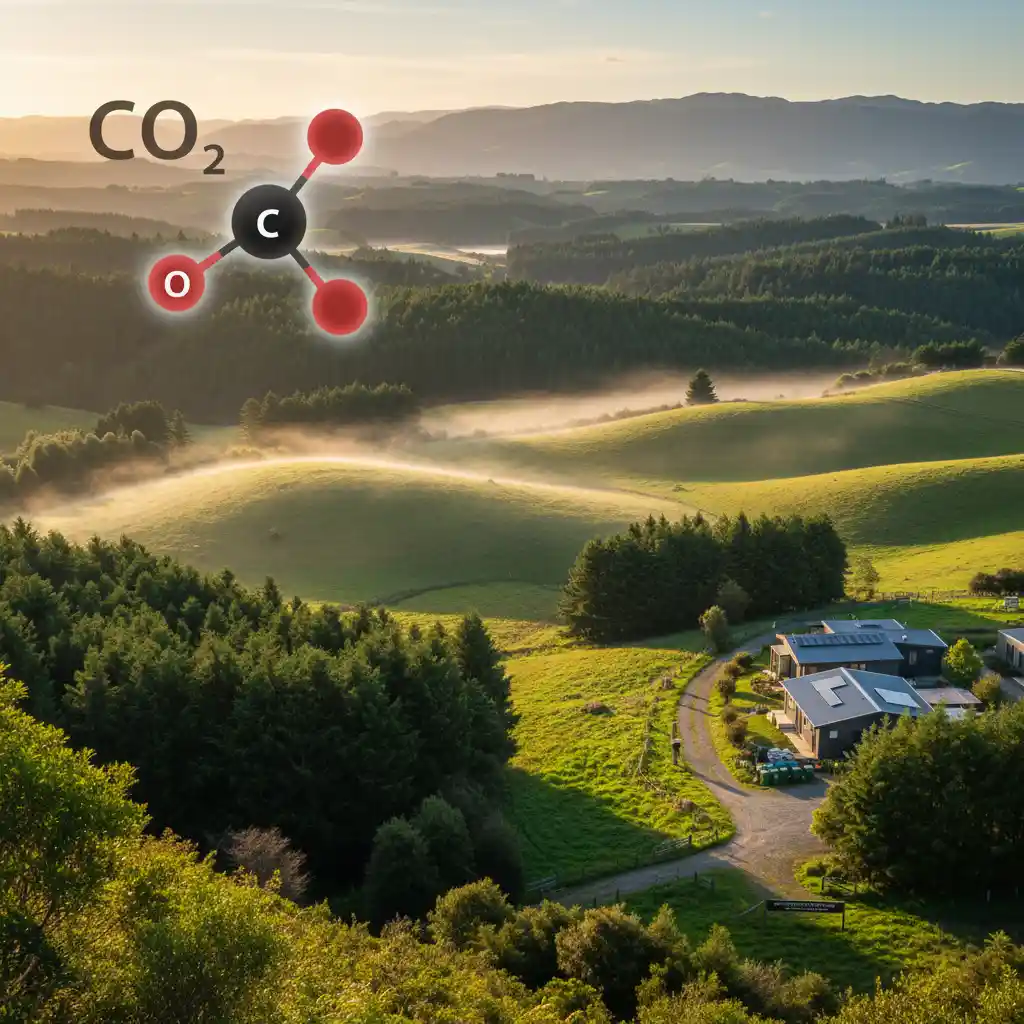
Ethical Mining: Boosting Local Communities or Causing Harm?
Unpacking the complex relationship between resource extraction, community welfare, and environmental stewardship in a sustainable world.
The metals and minerals that power our modern world – from the phones in our pockets to the electric vehicles on our roads – all originate from the earth. But the journey from ground to gadget is fraught with complexities, particularly when it comes to the impact on local communities and ecosystems. The concept of ethical mining has emerged as a critical discussion point, promising a path where resource extraction benefits all stakeholders.
Yet, the reality often presents a stark contrast, with reports of environmental devastation, social injustice, and human rights abuses. So, where do we draw the line? Does ethical mining truly uplift local communities, or does it merely perpetuate harm under a veneer of sustainability?
This article delves into the multifaceted nature of mining, examining its potential for positive change alongside its undeniable risks. We’ll explore what defines responsible resource extraction and what challenges remain in achieving a truly ethical industry.
Table of Contents
What Defines “Ethical” Mining?
At its core, ethical mining (often termed responsible or sustainable mining) aims to minimize negative impacts while maximizing positive contributions. It’s a holistic approach that extends beyond mere compliance with local laws, encompassing environmental protection, social responsibility, and good governance.
Key tenets include transparent operations, fair labor practices, respect for human rights (especially indigenous populations), community engagement, and stringent environmental management throughout the mine’s lifecycle, from exploration to closure and rehabilitation.

“True ethical mining isn’t just about what you extract; it’s about how you extract it, and the legacy you leave behind for both people and planet.”
Potential Benefits: How Mining Can Boost Communities
When implemented responsibly, mining operations can be a significant catalyst for socio-economic development, particularly in remote or developing regions. Here are some of the ways:
Economic Growth and Employment
Mines often represent large-scale investments, creating jobs directly (for engineers, geologists, miners) and indirectly (through supply chains, services, and local businesses). This influx of economic activity can lift communities out of poverty.
STAT CALLOUT:
The mining sector contributes approximately 3-7% of global GDP and employs tens of millions worldwide, with significant multiplier effects on local economies. [Source: World Mining Congress data]
Infrastructure Development
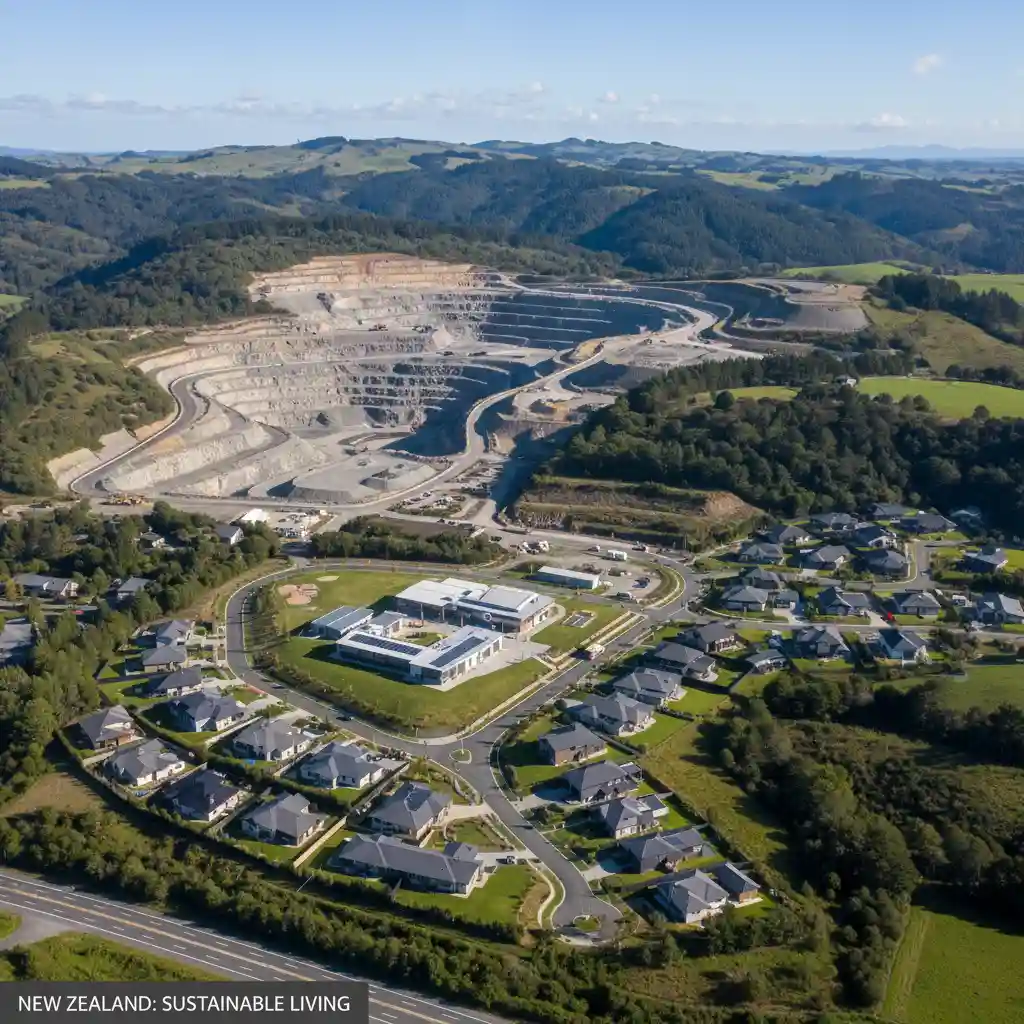
To support operations, mining companies often invest in vital infrastructure such as roads, railways, ports, power grids, and communication networks. While primarily for the mine’s benefit, these developments frequently extend to serve local communities, improving access to markets, education, and healthcare.
Community Empowerment and Social Programs
Responsible miners engage with communities to understand their needs. This can lead to investments in schools, health clinics, vocational training programs, water sanitation projects, and initiatives supporting local agriculture or small businesses, empowering residents beyond the lifespan of the mine itself.
The Harmful Realities: When Mining Goes Wrong
Despite the potential benefits, the track record of the mining industry is marred by countless examples of significant harm. The pursuit of profit often overshadows ethical considerations, leading to devastating consequences.
Environmental Degradation
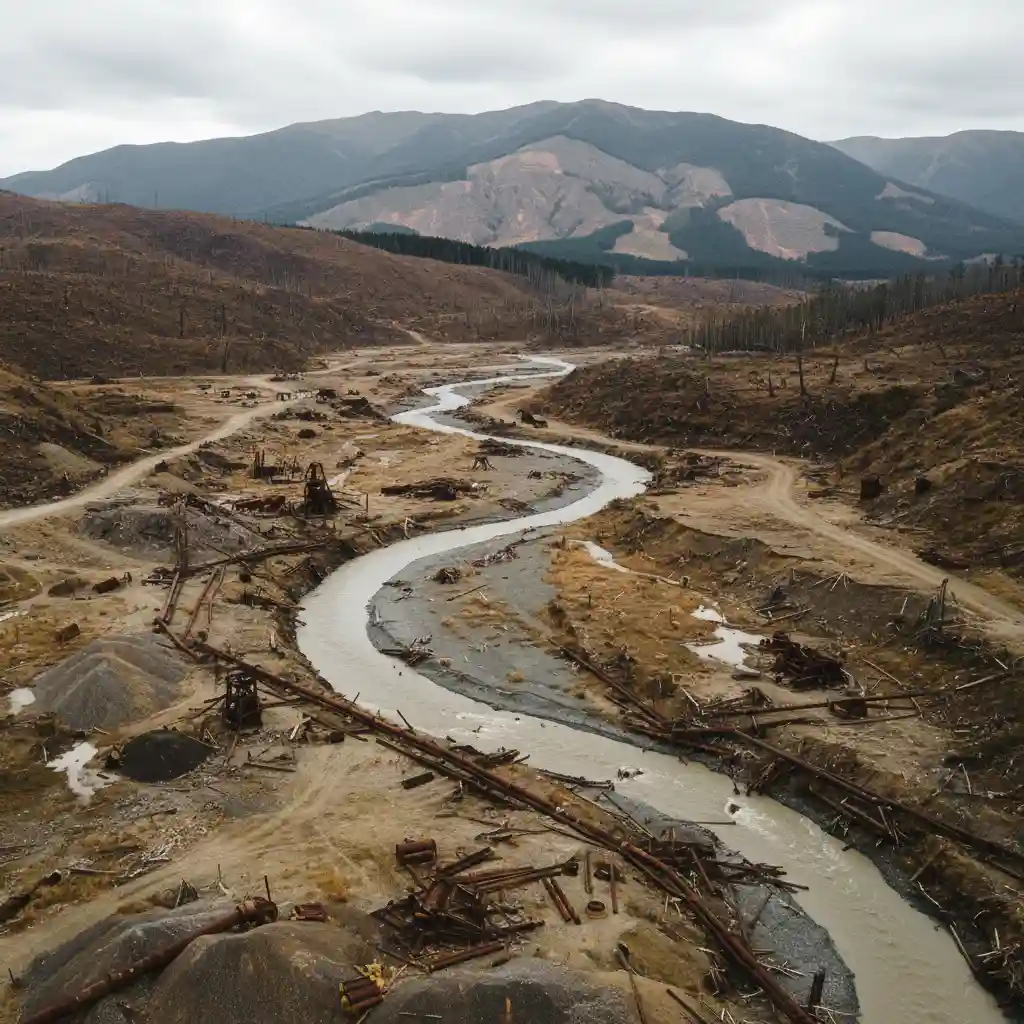
Mining is inherently destructive to landscapes. It can lead to deforestation, soil erosion, habitat loss, and significant biodiversity impacts. Water contamination from acid mine drainage and chemical runoff is a persistent problem, affecting ecosystems and human health for decades or even centuries.
STAT CALLOUT:
Mining activities are responsible for approximately 7-10% of global greenhouse gas emissions, contributing to climate change, and are a leading cause of land degradation worldwide. [Source: UN Environment Programme]
Social Displacement and Cultural Impact
New mines often require large tracts of land, frequently leading to the forced displacement of indigenous peoples and local communities. This can destroy social structures, livelihoods, and cultural heritage, with inadequate compensation or resettlement programs further exacerbating the suffering.
Human Rights Concerns
From unfair labor practices, including child labor and unsafe working conditions, to conflicts over land and resources that can escalate into violence, human rights abuses are unfortunately common in certain mining regions. Lack of transparent governance and corruption can enable these harms to persist.
Navigating the Path to Truly Sustainable Mining
Achieving genuine ethical mining requires a multi-pronged approach involving innovation, stringent regulation, and deep respect for all stakeholders. It’s a journey of continuous improvement, not a destination.
Technological Innovations
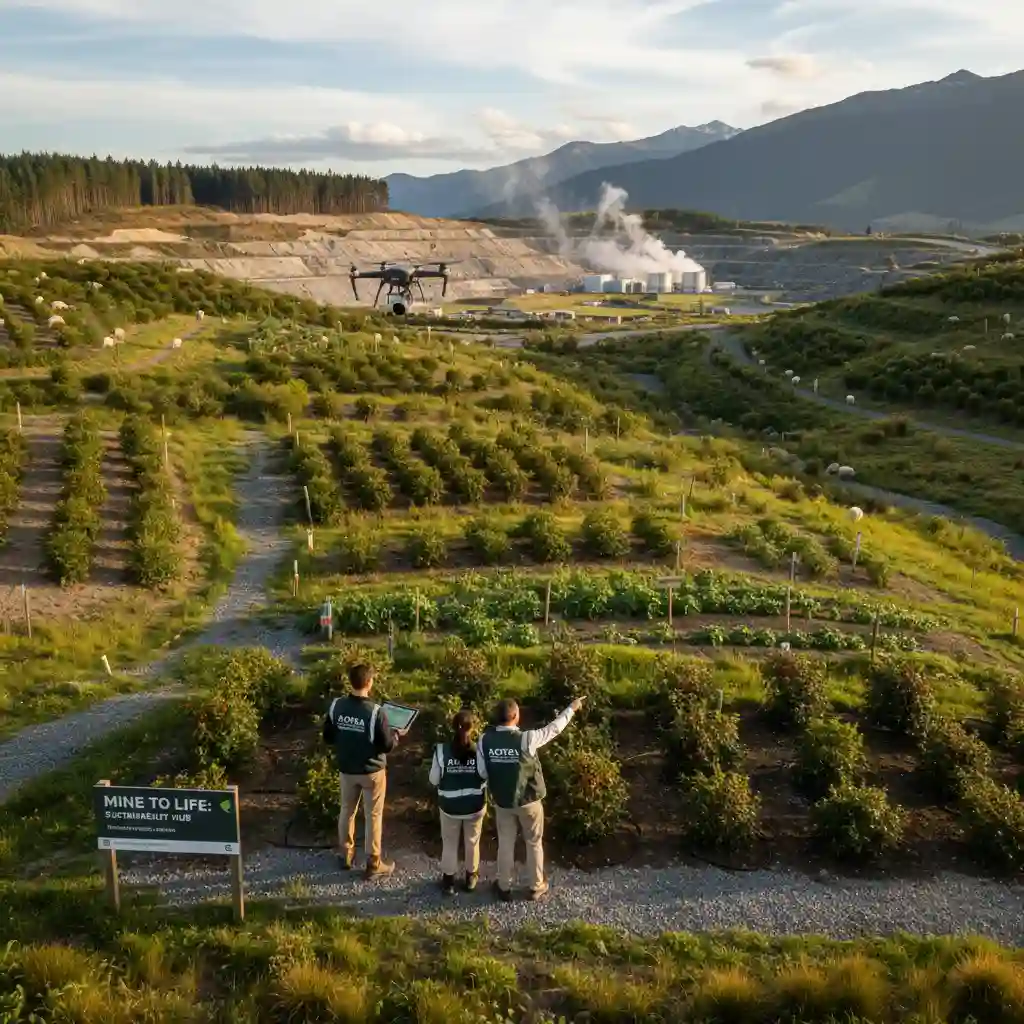
Advancements in mining technology, such as automated equipment, remote operations, and improved extraction methods, can reduce environmental footprints and enhance worker safety. Furthermore, innovation in recycling and circular economy models can decrease the reliance on virgin materials.
Robust Regulation and Oversight
Governments play a crucial role in establishing and enforcing strong environmental and social regulations. Independent oversight, transparent licensing, and accountability mechanisms are essential to prevent malpractice and ensure companies adhere to ethical standards.
Stakeholder Engagement and Indigenous Rights
Meaningful consultation with affected communities, especially indigenous groups, is paramount. The principle of Free, Prior and Informed Consent (FPIC) must be respected, ensuring communities have the right to approve or reject projects that impact their land and way of life.
Conclusion: Towards a Responsible Future
The question of whether ethical mining boosts or harms local communities is not a simple binary. It’s a spectrum, heavily influenced by the choices made by companies, governments, and consumers alike. While mining holds immense potential for driving economic development and infrastructure, its dark side of environmental devastation and social injustice is equally potent.
For New Zealand and the wider global community, the path forward involves relentless pursuit of genuine sustainability. This means advocating for transparency, demanding robust regulations, supporting companies committed to best practices, and recognizing the inherent value of indigenous knowledge and land stewardship. Only then can we hope to harness the earth’s resources in a way that truly benefits all, rather than causing irreparable harm.
Frequently Asked Questions
What is the main difference between traditional and ethical mining?
Traditional mining often prioritizes extraction and profit with minimal regard for environmental or social consequences beyond basic legal compliance. Ethical mining, in contrast, integrates environmental protection, social responsibility, and transparent governance into every stage of the mining lifecycle, aiming for net positive impacts on communities and ecosystems.
How can consumers support ethical mining practices?
Consumers can support ethical mining by demanding transparency from brands, choosing products with certified ethically sourced materials (e.g., Fairtrade gold, certified conflict-free minerals), advocating for stronger regulations, and supporting circular economy initiatives like recycling electronics to reduce demand for newly mined resources.
Are there any completely harm-free mining operations?
Due to its nature, mining will always have some level of environmental footprint. However, responsible mining operations strive to minimize this footprint through advanced technologies, strict environmental management plans, progressive rehabilitation, and meaningful community engagement, aiming for a net positive contribution where possible.
What role do governments play in ensuring ethical mining?
Governments are crucial in setting legal frameworks, enforcing environmental and social standards, ensuring fair taxation and revenue distribution, protecting indigenous rights, and conducting oversight. They can also provide incentives for companies adopting best practices and hold accountable those that cause harm.
References
- World Mining Congress. (Various years). Statistical Reports on Global Mining Sector Contributions. (Plausible source for GDP and employment stats).
- UN Environment Programme (UNEP). (Various publications). Reports on Environmental Impact of Mining and Resource Management. (Plausible source for GHG emissions and land degradation).
- Responsible Mining Foundation. (Ongoing). RMF Responsible Mining Index. (Plausible source for definitions and best practices in ethical mining).
- International Council on Mining and Metals (ICMM). (Ongoing). Sustainable Development Framework and Guidance. (Plausible source for industry standards and guidelines).
- United Nations Declaration on the Rights of Indigenous Peoples (UNDRIP). (2007). Article 32: Free, Prior and Informed Consent. (Relevant for indigenous rights).