Essential Skills & Training for Renewable Energy Jobs in New Zealand
Unlock your potential in New Zealand’s booming sustainable sector.
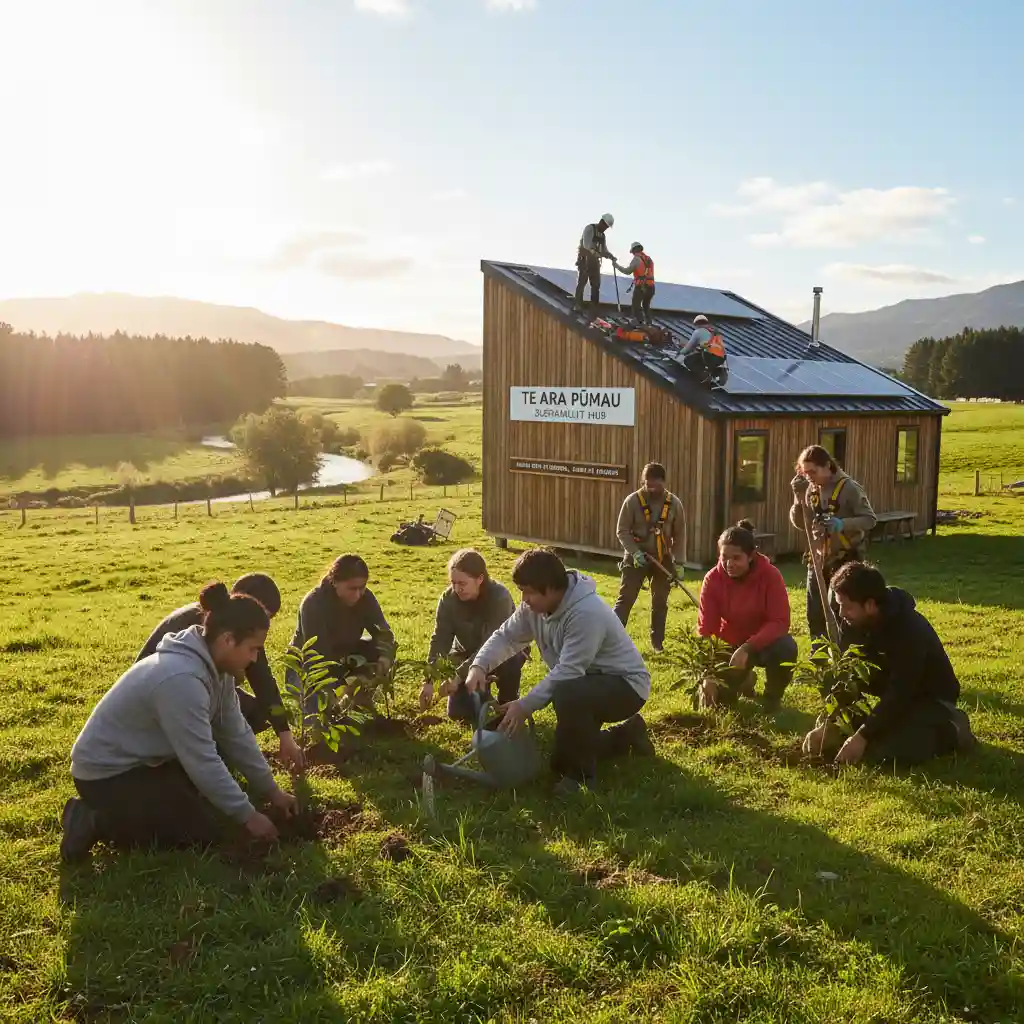
New Zealand is on an ambitious journey towards a sustainable future, targeting 100% renewable electricity generation by 2030. This commitment isn’t just a vision; it’s a rapidly expanding sector brimming with career opportunities. As the nation transitions from traditional energy sources, the demand for a skilled workforce equipped with the essential skills & training for renewable energy jobs is escalating dramatically.
Whether you’re a recent graduate, a professional looking to pivot your career, or someone passionate about environmental sustainability, understanding the required expertise is your first step. This comprehensive guide will illuminate the pathways, crucial skills, and training programmes that can lead you to a fulfilling career in New Zealand’s vibrant renewable energy landscape.
Table of Contents
Understanding the Renewable Energy Landscape in NZ
New Zealand already boasts a high percentage of renewable electricity, primarily from hydro, geothermal, and wind sources. However, the future calls for an even greater push, with significant investment in new projects and technologies. This expansion means a diverse range of roles, from engineers and project managers to technicians and policy advisors, all contributing to a greener grid.
Stat Callout: New Zealand generates over 85% of its electricity from renewable sources, with a target to reach 100% by 2030, signaling sustained growth and demand for skilled professionals in the sector. (Source: MBIE)
Core Essential Skills for Renewable Energy Jobs
Building a career in renewable energy requires a blend of specialised knowledge and adaptable competencies. Here are the key areas to focus on:
Technical Expertise
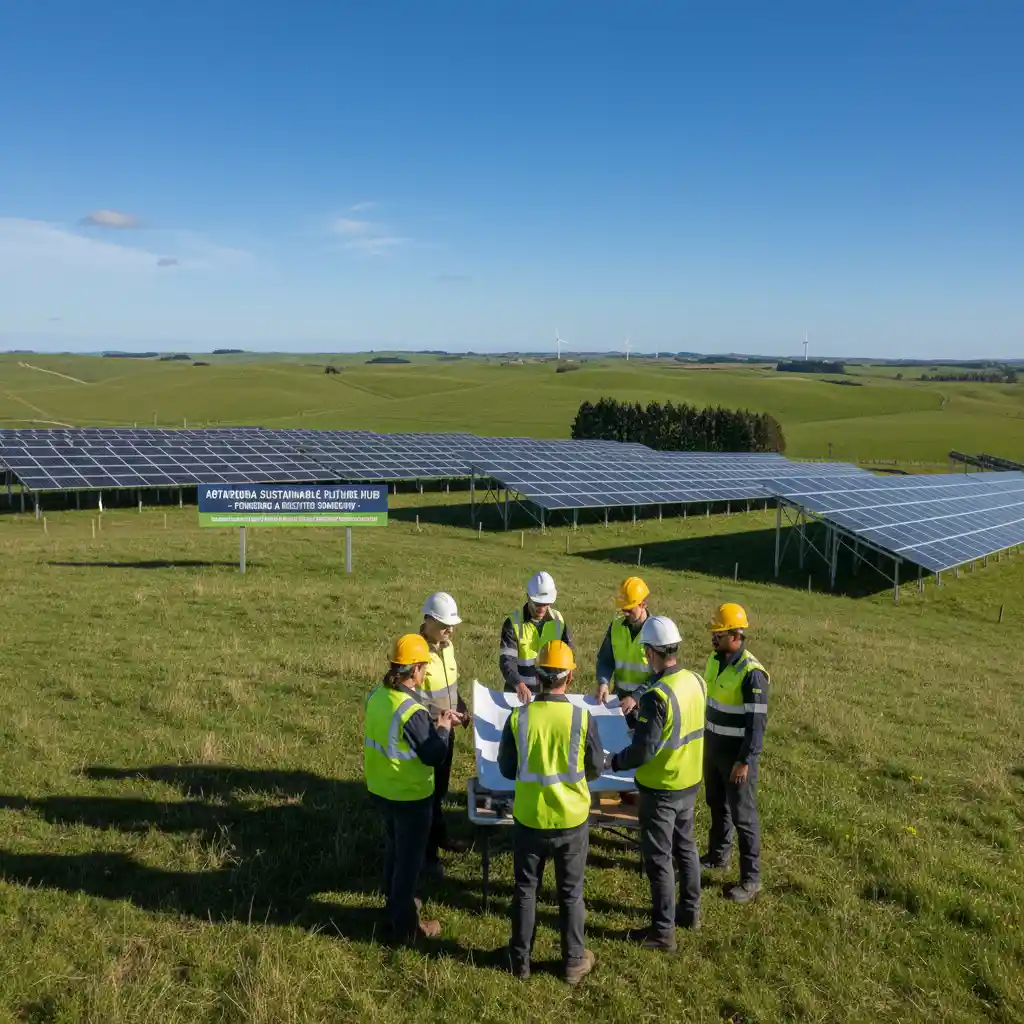
- Electrical Engineering: Crucial for designing, installing, and maintaining electrical systems in solar, wind, and hydro power plants.
- Mechanical Engineering: Essential for turbine design, maintenance, and the mechanics of various renewable systems.
- Civil Engineering: Required for site preparation, infrastructure development, and structural integrity of renewable installations.
- Data Analytics & IT: Monitoring system performance, optimising efficiency, and managing smart grid technologies are increasingly data-driven.
- Project Management: Overseeing complex renewable energy projects from conception to completion.
Transferable & Soft Skills
- Problem-Solving & Critical Thinking: Diagnosing issues, optimising performance, and innovating solutions in dynamic environments.
- Adaptability: The renewable sector is constantly evolving; professionals must be open to new technologies and methods.
- Communication & Teamwork: Working effectively with diverse teams, stakeholders, and communities.
- Safety Consciousness: Adhering to strict safety protocols in construction, operation, and maintenance of energy infrastructure.
Emerging and Specialised Skills
- Battery Storage & Grid Integration: Expertise in energy storage solutions and managing intermittent renewable generation.
- Hydrogen Technology: As green hydrogen gains traction, skills in production, storage, and application will be invaluable.
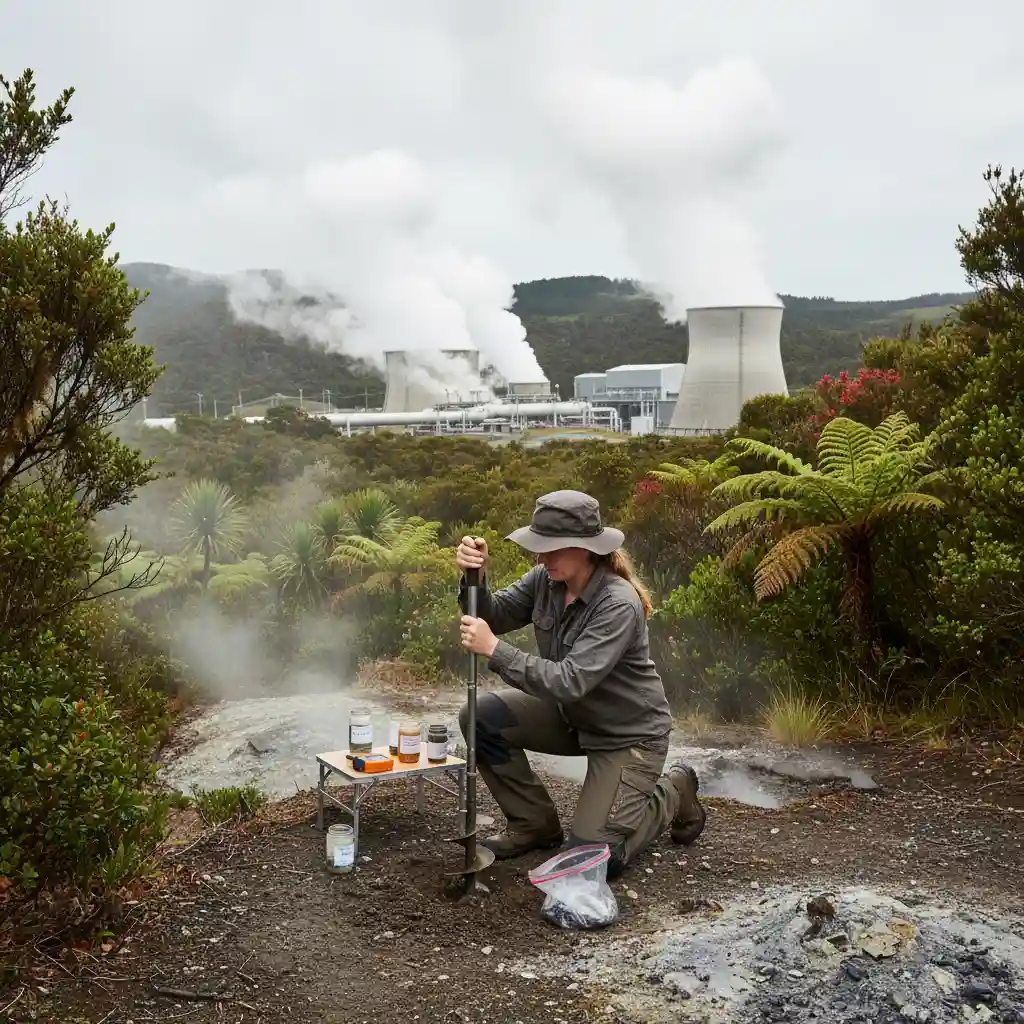
- Geothermal Technology: Specific geological and engineering knowledge for harnessing New Zealand’s abundant geothermal resources.
Pathways to Training and Education
Acquiring the essential skills & training for renewable energy jobs in NZ can be achieved through various educational and vocational routes:
Tertiary Education: Degrees & Diplomas
- University Degrees: Bachelor’s and Master’s degrees in Electrical Engineering, Mechanical Engineering, Environmental Science, or Energy Management provide a strong theoretical foundation. Institutions like the University of Canterbury, University of Auckland, and Victoria University of Wellington offer relevant programmes.
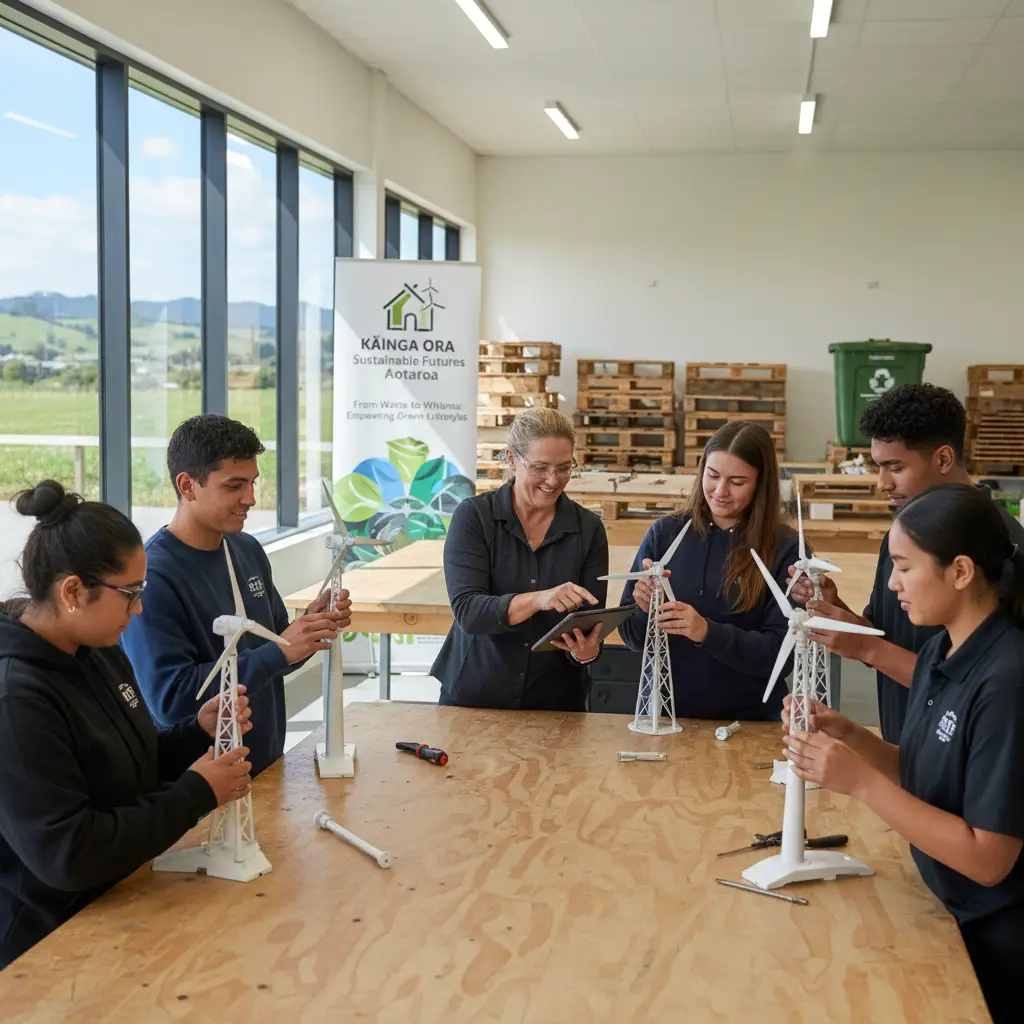
- Polytechnic Diplomas: Institutes of Technology and Polytechnics (ITPs) offer practical, industry-focused qualifications, such as diplomas in renewable energy systems, electrical engineering technology, or civil engineering.
Vocational Training & Apprenticeships
- Apprenticeships: Many hands-on roles, particularly in installation, maintenance, and operations, are learned through apprenticeships. These combine on-the-job experience with formal training, often in electrical or mechanical trades. Organisations like ETCO (The Electrical Training Company) facilitate electrical apprenticeships relevant to the sector.
- Industry-Specific Certifications: Short courses and certifications in areas like solar panel installation, wind turbine maintenance, or high-voltage electrical safety are highly valued.
Online Courses & Certifications
For upskilling or gaining foundational knowledge, online platforms offer flexible learning options. Look for courses from reputable universities or industry bodies covering topics like renewable energy basics, project finance for renewables, or specific software tools used in the sector.
Navigating the Job Market & Future Trends
The renewable energy sector in New Zealand is dynamic and offers significant long-term career prospects. To successfully navigate this market, consider these points:
- Network Actively: Attend industry events, join professional associations, and connect with people already working in the field.
- Gain Practical Experience: Internships, volunteer work, or entry-level technician roles can provide invaluable hands-on experience and industry insights.
- Stay Current: The technology is evolving rapidly. Continuous professional development, reading industry publications, and participating in workshops are key to staying relevant.
- Look for Transferable Skills: Many roles in renewable energy require skills common in other industries, such as construction, manufacturing, or IT. Highlight these in your applications.
Frequently Asked Questions (FAQ)
What are the most in-demand renewable energy jobs in NZ?
Roles frequently in demand include Electrical Engineers, Project Managers, Wind Turbine Technicians, Solar Installers, Geothermal Engineers, and Environmental Scientists. As the grid modernises, Data Analysts and Cybersecurity Specialists for energy systems are also becoming critical.
Do I need a university degree to work in renewable energy?
No, not for all roles. While degrees are beneficial for engineering and management positions, many hands-on roles, like technicians and installers, often require vocational training, apprenticeships, or specific certifications. Transferable skills and practical experience are highly valued across the sector.
How long does it take to get qualified for a renewable energy job?
This varies greatly depending on the role. An apprenticeship might take 3-4 years, a diploma 1-2 years, and a university degree 3-5 years. Shorter certifications can be completed in weeks or months. Continuous learning is also a hallmark of the industry.
What’s the outlook for renewable energy jobs in New Zealand?
The outlook is very strong. With government commitments to 100% renewable electricity by 2030 and a broader push for decarbonisation, the sector is expected to see significant growth and sustained job creation for decades to come.
Are there any government grants or support for training?
Yes, various government initiatives and industry training organisations (ITOs) may offer funding or support for apprenticeships and vocational training in areas aligned with national skill shortages, including some in the renewable energy sector. It’s recommended to check with relevant ITOs and government agencies like TEC (Tertiary Education Commission).
Can skills from other industries transfer to renewable energy?
Absolutely. Skills from traditional trades (electricians, mechanics, welders), construction, manufacturing, IT, project management, and even environmental consulting are highly transferable. Emphasising these foundational skills and showing a willingness to learn new technologies can open many doors.
References
- Ministry of Business, Innovation & Employment (MBIE). (n.d.). Energy in New Zealand. Retrieved from mbie.govt.nz
- Energy Efficiency and Conservation Authority (EECA). (n.d.). Renewable Energy. Retrieved from eeca.govt.nz
- WorkSafe New Zealand. (n.d.). Health and Safety in the Energy Sector. Retrieved from worksafenz.govt.nz
- Tertiary Education Commission (TEC). (n.d.). Apprenticeships and Industry Training. Retrieved from tec.govt.nz