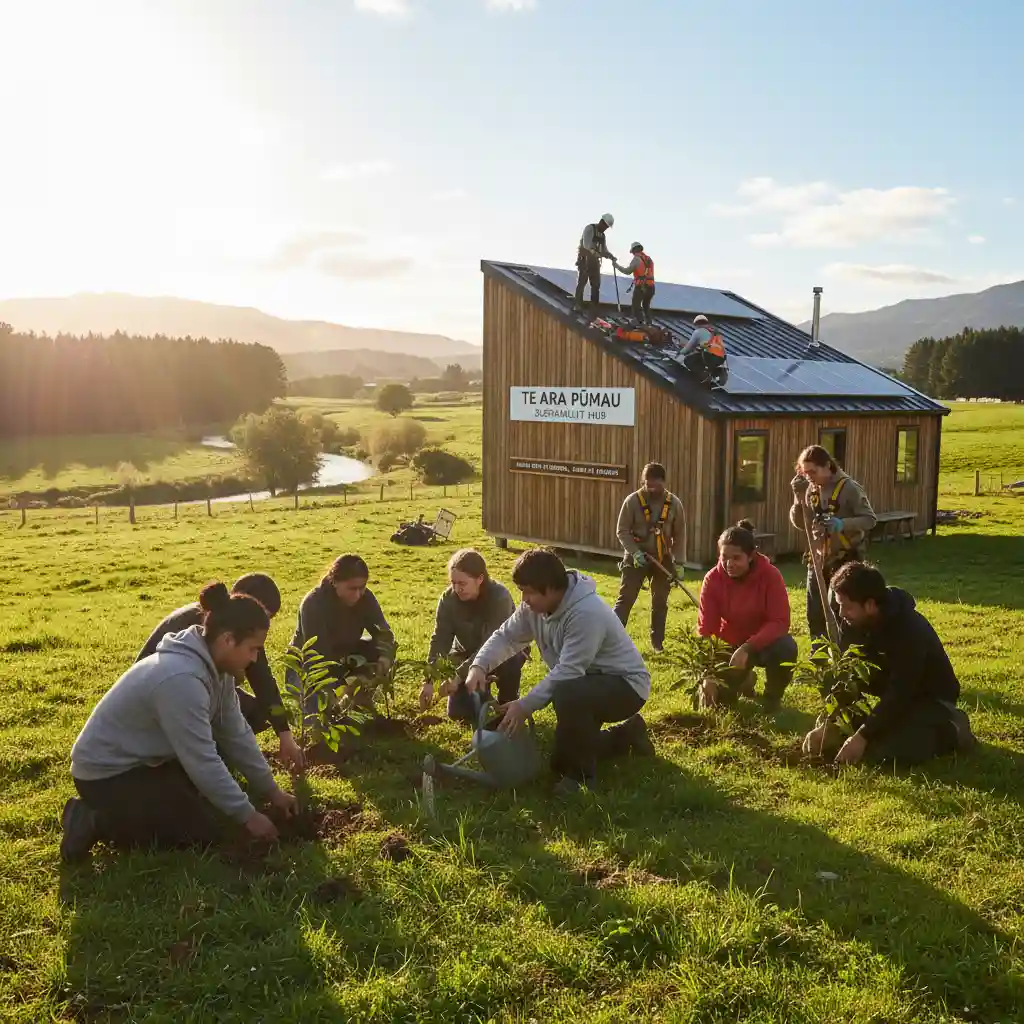
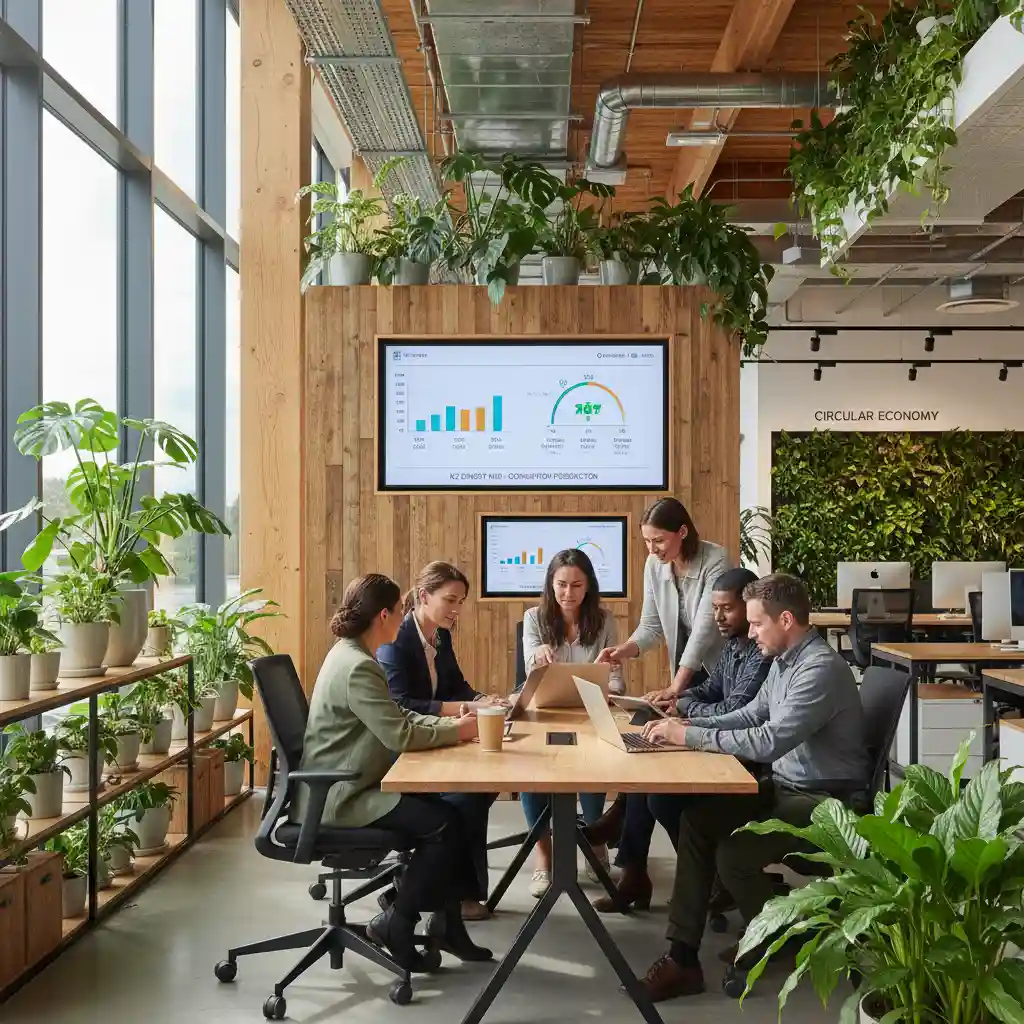
Essential Skills & Training for Green Economy Careers in New Zealand
Unlock your potential in Aotearoa’s growing sustainable future.
The global shift towards sustainability isn’t just an environmental necessity; it’s a powerful economic driver creating a wealth of new opportunities. Here in Aotearoa New Zealand, the green economy is blossoming, offering exciting pathways for individuals passionate about making a real difference.
Whether you’re starting your career, looking to upskill, or considering a complete pivot, understanding the essential skills & training for green economy careers is crucial. This comprehensive guide will equip you with the knowledge to navigate this dynamic landscape and contribute to a more sustainable New Zealand.
From renewable energy to sustainable agriculture and waste innovation, the demand for skilled professionals is soaring. Let’s dive into what it takes to thrive in this impactful sector.
Table of Contents
The Rise of New Zealand’s Green Economy
The green economy encompasses industries focused on sustainable practices, resource efficiency, and environmental protection. In New Zealand, this sector is experiencing significant growth, driven by government initiatives, corporate sustainability goals, and increasing consumer awareness.
From reducing waste and fostering circular economies to harnessing renewable energy and restoring native ecosystems, the opportunities are diverse. This evolution isn’t just about ‘saving the planet’; it’s about building resilient communities and a thriving economy for future generations.
STAT CALLOUT:
New Zealand’s green economy is projected to grow substantially. Recent reports indicate that the environmental goods and services sector alone contributes billions to the GDP and supports tens of thousands of jobs, with strong growth forecasts in renewable energy and sustainable land management. (Source: MBIE)
Core Skills for a Sustainable Future
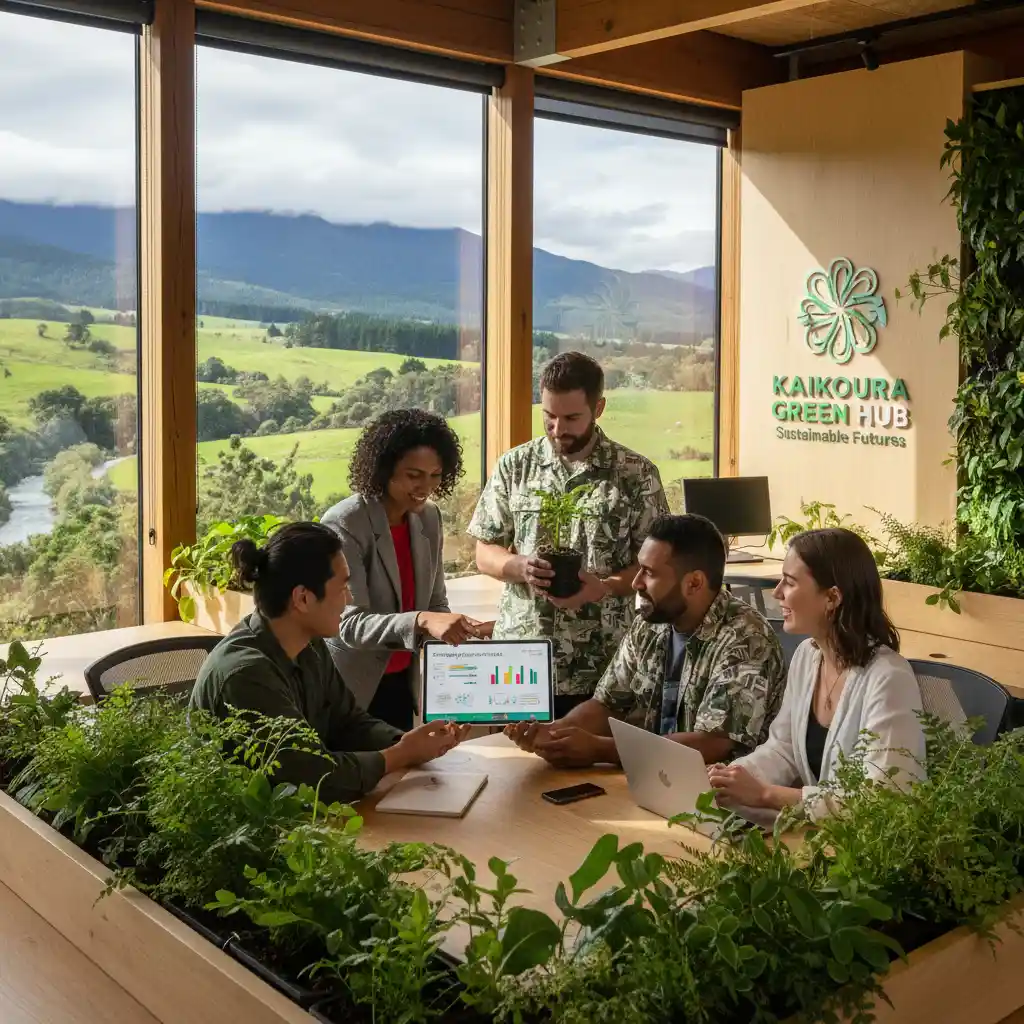
Securing a role in the green economy requires a blend of specialised technical expertise and adaptable soft skills. Understanding these essential skills & training for green economy careers will set you on the right path.
Technical & Sector-Specific Skills
These are the hands-on abilities specific to different green industries:
- Renewable Energy Expertise: Solar panel installation, wind turbine maintenance, geothermal engineering, energy auditing.
- Sustainable Agriculture & Land Management: Permaculture design, organic farming practices, soil science, ecological restoration, aquaculture.
- Waste Reduction & Circular Economy: Waste auditing, recycling technologies, product life cycle analysis, sustainable supply chain management, composting solutions.
- Green Building & Infrastructure: Sustainable architecture, eco-friendly construction techniques, energy-efficient design, water conservation systems.
- Environmental Science & Data Analysis: Ecological monitoring, carbon footprint calculation, GIS mapping, environmental impact assessment.
Essential Soft Skills
Beyond technical know-how, these interpersonal and cognitive skills are vital:
- Systems Thinking: The ability to understand complex interconnected environmental, social, and economic systems.
- Problem-Solving & Innovation: Creative approaches to sustainability challenges.
- Collaboration & Communication: Working effectively with diverse teams, stakeholders, and communities.
- Adaptability & Resilience: Navigating evolving regulations, technologies, and environmental conditions.
- Critical Thinking & Ethics: Evaluating information, making responsible decisions, and upholding sustainable values.
“The green economy thrives on interdisciplinary approaches. Blending technical mastery with strong collaborative and adaptive skills is the hallmark of a successful green professional.”
Training Pathways & Educational Opportunities
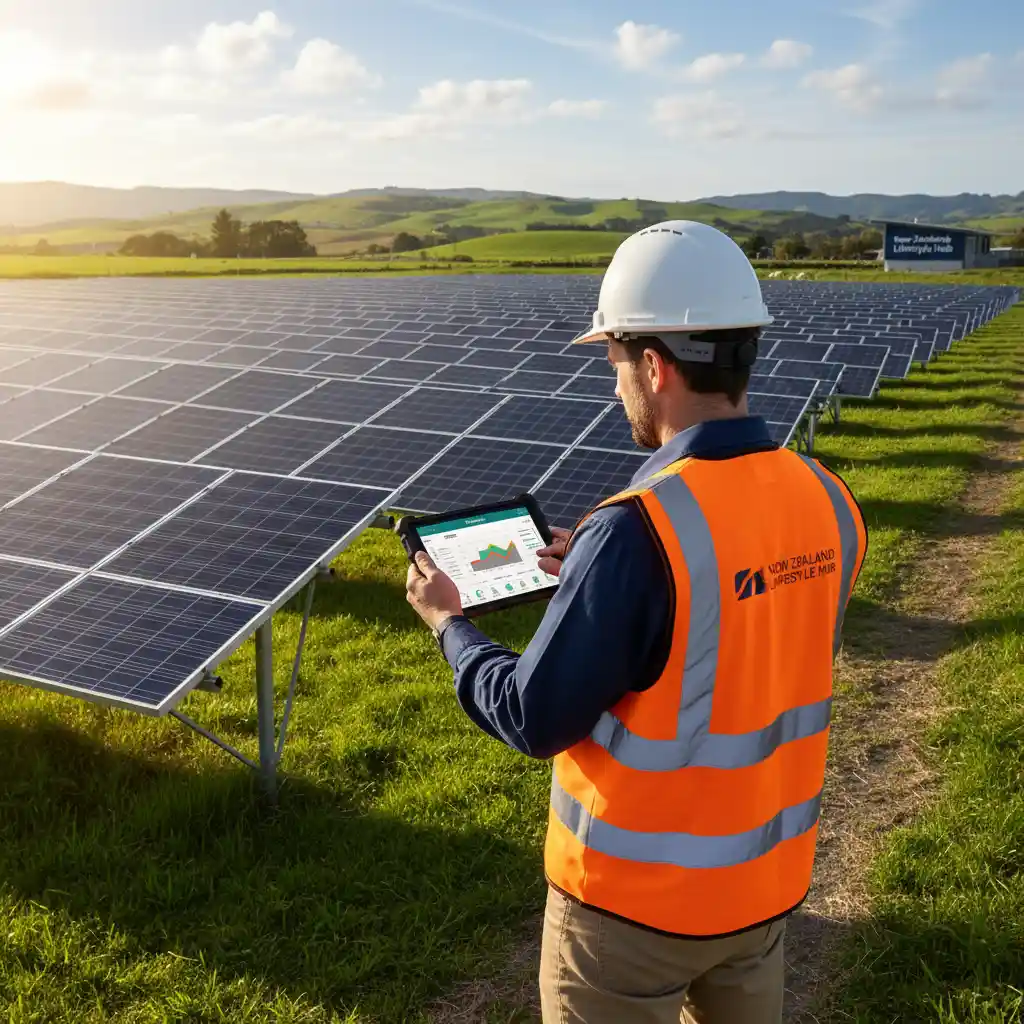
Ready to acquire the essential skills & training for green economy careers? Here are some key pathways in New Zealand:
1. Higher Education & Specialised Degrees
Universities across New Zealand offer a range of undergraduate and postgraduate degrees in environmental science, sustainable development, ecological restoration, renewable energy engineering, and more. Look for programmes that offer practical experience and connections to local industries.
2. Vocational Training & Apprenticeships
Polytechnics and Institutes of Technology provide hands-on vocational training, diplomas, and certificates in areas like sustainable horticulture, waste management, environmental management, and trades related to green building. Apprenticeships offer invaluable on-the-job learning combined with structured training.
3. Online Courses & Micro-Credentials
For upskilling or targeting specific knowledge gaps, online platforms offer numerous courses in areas such as carbon accounting, sustainable business practices, permaculture principles, and GIS software. Micro-credentials are also gaining traction, offering flexible, bite-sized learning pathways recognised by employers.

In-Demand Green Careers in Aotearoa
The demand for green professionals in New Zealand spans various sectors. Here are some examples of roles you could pursue:
- Environmental Scientist/Consultant: Assessing environmental impacts, advising on sustainability strategies.
- Renewable Energy Technician/Engineer: Designing, installing, and maintaining solar, wind, or hydro systems.
- Sustainable Agriculture Specialist: Developing and implementing eco-friendly farming methods.
- Waste Management & Circular Economy Specialist: Innovating solutions for waste reduction, resource recovery, and product stewardship.
- Conservation Biologist/Ecologist: Protecting and restoring New Zealand’s unique biodiversity.
- Green Building Professional: Designing and constructing energy-efficient, sustainable structures.
- Sustainability Officer/Manager: Implementing sustainability initiatives within organisations.
Your Action Plan for a Green Career
Ready to jumpstart your journey into a sustainable career? Use this checklist to guide your next steps:
- Identify Your Passion: What environmental challenges resonate most with you? Where do your interests align with green solutions?
- Research Target Roles: Explore job descriptions for green careers that excite you. Note the required essential skills & training for green economy careers.
- Skill Gap Analysis: Compare your current skills with those required for your desired roles. Identify areas for development.
- Choose a Training Pathway: Select the educational or vocational route that best fits your goals, budget, and learning style.
- Network Strategically: Attend industry events, connect with professionals on LinkedIn, and seek out mentorship opportunities.
- Gain Practical Experience: Volunteer, undertake internships, or start personal projects to build a portfolio.
- Stay Informed: The green sector is constantly evolving. Keep up-to-date with new technologies, policies, and best practices.

Conclusion
The transition to a green economy in New Zealand is not just an ideal; it’s a rapidly accelerating reality. By focusing on the essential skills & training for green economy careers, you can position yourself at the forefront of this exciting movement. Whether your interest lies in renewable energy, sustainable agriculture, waste innovation, or conservation, there’s a vital role for you to play.
Embrace lifelong learning, develop both your technical and soft skills, and actively seek out opportunities. Your contribution to Aotearoa’s sustainable future is not only impactful but also promises a rewarding and meaningful career path.
Frequently Asked Questions (FAQ)
What is the green economy in New Zealand?
The green economy in New Zealand refers to economic activities that result in improved human well-being and social equity, while significantly reducing environmental risks and ecological scarcities. It includes sectors like renewable energy, sustainable agriculture, waste management, conservation, and eco-tourism.
Are green jobs in high demand in New Zealand?
Yes, green jobs are experiencing growing demand in New Zealand. As the country commits to sustainability goals and invests in renewable energy, waste reduction, and conservation, the need for skilled professionals in these areas is increasing across various industries.
What kind of training is best for a green career?
The best training depends on your specific career interest. Options include university degrees in environmental science or sustainable development, vocational training and apprenticeships for hands-on roles (e.g., renewable energy technicians), and online courses or micro-credentials for specific skill development like carbon accounting or sustainable business practices.
Can I transition to a green career from a non-environmental background?
Absolutely! Many green roles value transferable skills like project management, data analysis, communication, and problem-solving. Upskilling with specific green certifications or a short course can help bridge the gap, leveraging your existing experience in a new, sustainable context.
References/Sources
- Ministry of Business, Innovation & Employment (MBIE). (Ongoing). Reports on New Zealand’s economic growth and sector analyses. www.mbie.govt.nz
- Stats NZ. (Ongoing). Environmental statistics and economic indicators for New Zealand. www.stats.govt.nz
- Environmental Protection Authority (EPA). (Ongoing). Information on environmental regulations and sustainability initiatives in NZ. www.epa.govt.nz
- Tertiary Education Commission (TEC). (Ongoing). Information on vocational training and tertiary education pathways in New Zealand. www.tec.govt.nz