Imagine stepping into your backyard, plucking ripe, chemical-free produce, and knowing that every bite supports both your health and New Zealand’s unique environment. This isn’t just a dream; it’s the heart of organic gardening in New Zealand. As our nation shifts towards a more sustainable future, embracing organic principles in your garden becomes not just a choice, but a powerful step towards a healthier lifestyle and a thriving Aotearoa.
This Essential Guide to Organic Gardening in New Zealand is your comprehensive resource, designed to equip you with the knowledge and confidence to cultivate a flourishing, sustainable garden, whether you’re a seasoned green thumb or just starting out. We’ll demystify organic practices, focusing on methods that work best in our distinct climate and soil conditions, helping you grow abundant food while nurturing the land.
Table of Contents
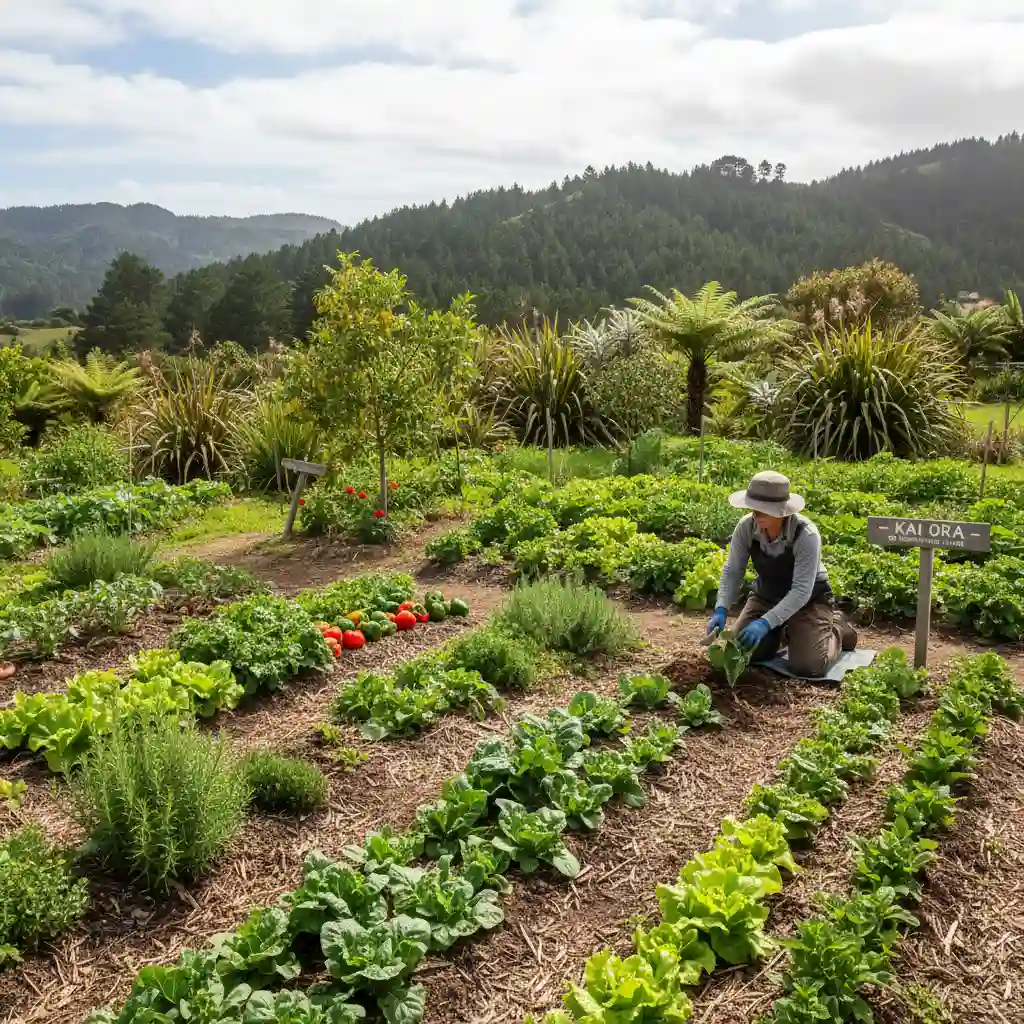
Why Go Organic in Aotearoa?
The movement towards organic living is more than a trend; it’s a commitment to ecological balance and personal well-being. For New Zealanders, opting for organic gardening offers a multitude of benefits tailored to our unique ecosystem:
- Protecting Our Pristine Environment: Organic practices avoid synthetic pesticides and fertilisers, preventing harmful run-off into our rivers and oceans, safeguarding our native flora and fauna.
- Boosting Soil Biodiversity: Healthy soil is the bedrock of a thriving garden. Organic methods enrich soil with beneficial microbes, worms, and fungi, leading to more resilient plants.
- Healthier Produce, Healthier You: Grow nutrient-dense vegetables and fruits free from chemical residues, contributing directly to your family’s health and wellness.
- Water Conservation: Improved soil structure from organic matter enhances water retention, reducing the need for frequent irrigation.
- Supporting Local Sustainability: By growing your own, you reduce your carbon footprint associated with food transportation and packaging, fostering a more self-sufficient lifestyle.
“Organic gardening isn’t just about what you don’t use; it’s about what you foster: life, biodiversity, and resilience.”
Getting Started: Planning Your Organic Garden
Embarking on your organic gardening journey begins with thoughtful planning. Consider New Zealand’s diverse climates, from the subtropical north to the cooler south, and choose methods that suit your specific location.
1. Site Selection & Preparation
Choose a spot that receives at least 6-8 hours of direct sunlight daily. Observe how light moves across your garden throughout the day and year. Ensure good drainage, and if needed, consider raised garden beds, which are excellent for managing soil quality and improving drainage.
- Sunlight: Essential for most vegetables and fruits.
- Water Access: Plan for easy access to water.
- Shelter: Protect from strong winds, especially in coastal or exposed areas, using hedges or fences.
- Clear the Area: Remove weeds naturally, avoiding herbicides. Double-digging or sheet mulching are effective organic methods.
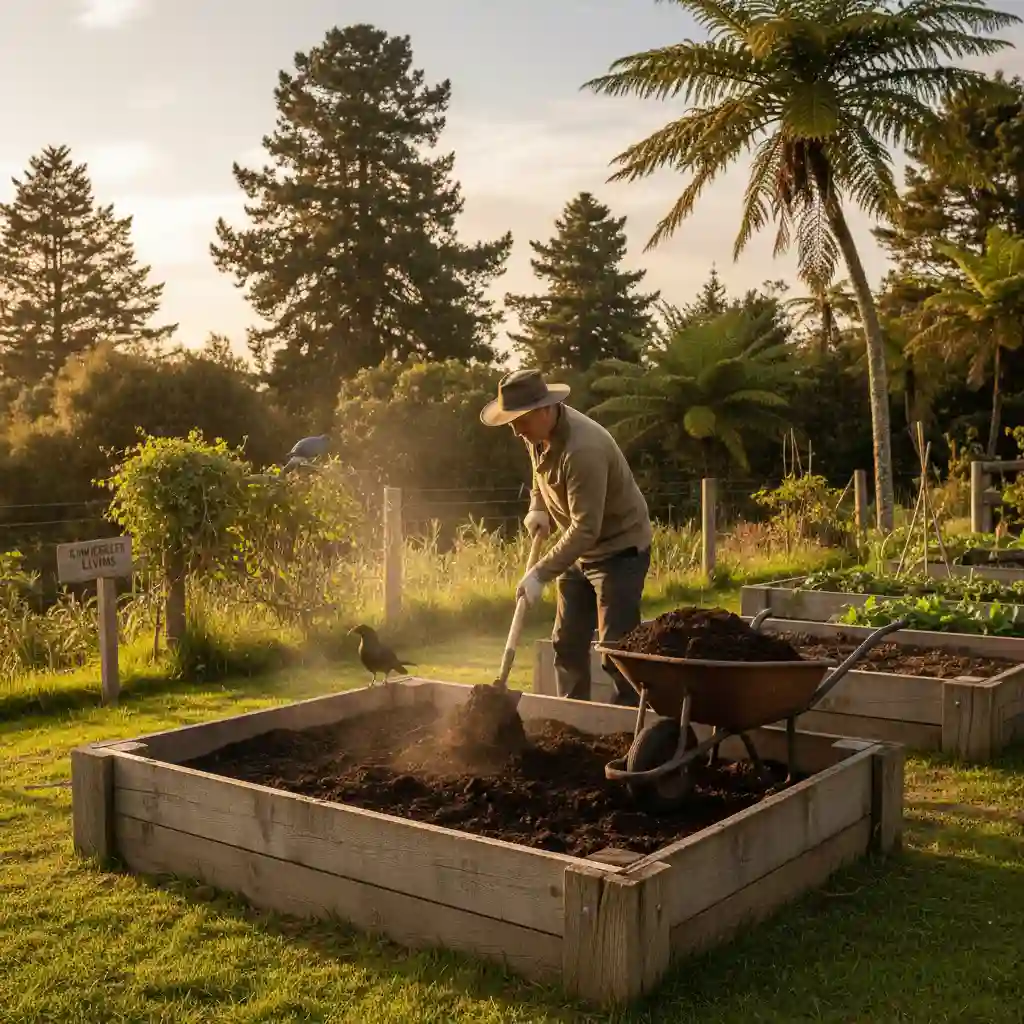
2. Soil Health: The Foundation of Organic Gardening
In organic gardening NZ, soil is paramount. Healthy soil means healthy plants. Conduct a simple soil test (available at most garden centres or DIY kits) to understand your soil’s pH and nutrient levels.
- Compost & Manure: Regularly incorporate homemade compost, well-rotted animal manure (chicken, sheep, cow), and worm castings to enrich your soil.
- Green Manure: Plant cover crops like clover or mustard in fallow beds to improve soil structure, add nutrients, and suppress weeds.
- Mulching: Apply a thick layer of organic mulch (straw, wood chips, untreated grass clippings) to retain moisture, regulate soil temperature, and suppress weeds.
3. Choosing Your Crops Wisely
Select varieties that thrive in New Zealand’s climate zones. Opt for heritage or open-pollinated seeds from local suppliers, which are often more resilient and adapted to local conditions. Consider what your family eats most to avoid waste.
- Seasonal Planting: Follow a planting calendar specific to your region in NZ.
- Native Edibles: Explore growing native edibles like kūmara or certain berries for a truly Kiwi organic garden.
4. Companion Planting & Crop Rotation
These are cornerstones of a successful New Zealand organic garden strategy:
- Companion Planting: Grow specific plants together to deter pests, attract beneficial insects, or improve growth. E.g., marigolds deter nematodes, basil improves tomato flavour.
- Crop Rotation: Rotate crops annually to prevent nutrient depletion and disease build-up in the soil. Group plants by family (e.g., legumes, brassicas, root vegetables, fruiting vegetables) and move them to different beds each season.
Nurturing Your Organic Garden Naturally
Once planted, your organic garden needs ongoing care rooted in natural principles. This ensures long-term vitality and abundance.
5. Natural Pest & Disease Management
Chemical pesticides have no place in a truly sustainable gardening Aotearoa approach. Embrace natural methods:
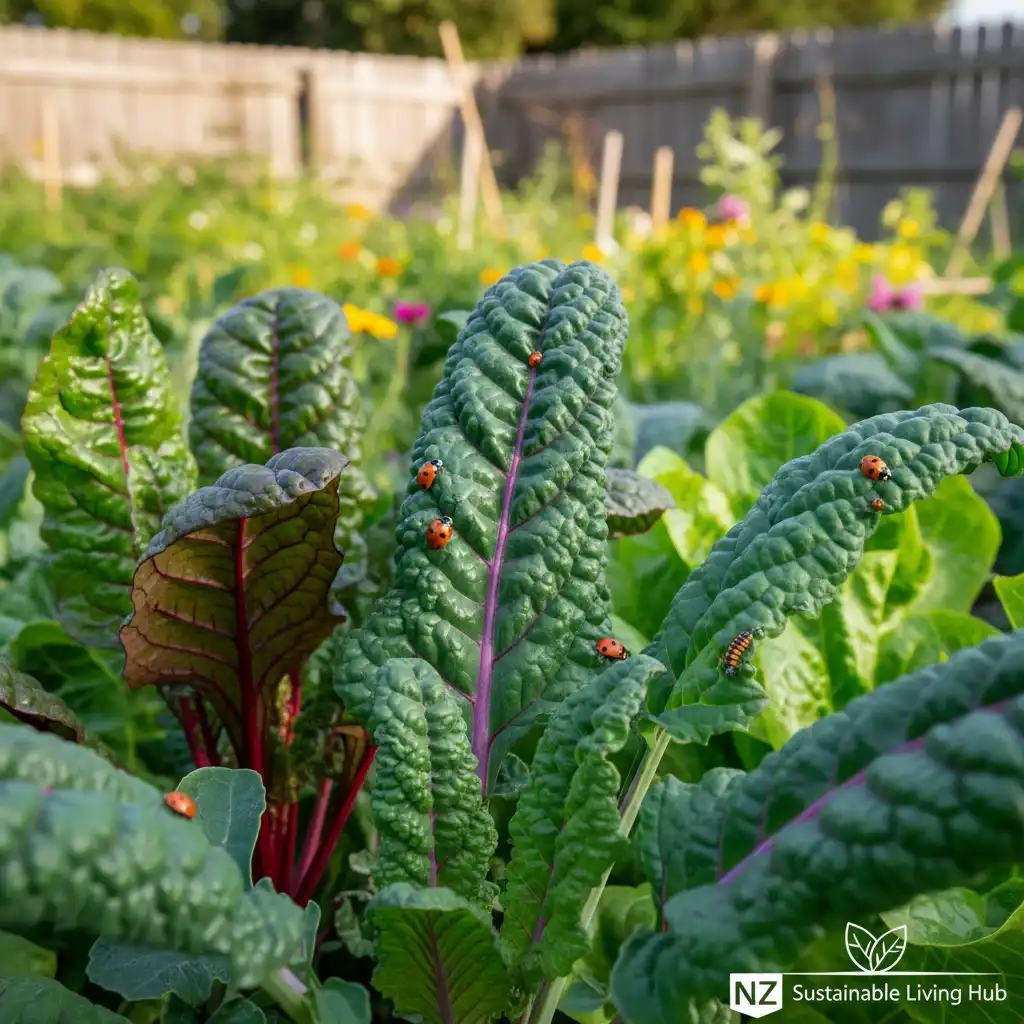
- Attract Beneficial Insects: Plant flowers like borage, calendula, and dill to invite predatory insects (ladybugs, lacewings) that feed on pests.
- Manual Removal: Hand-pick larger pests like slugs and snails, especially in the evenings.
- Organic Sprays: Use homemade garlic or chilli sprays, or store-bought certified organic pest deterrents. Neem oil is another effective organic option.
- Good Air Circulation: Proper plant spacing reduces humidity, preventing fungal diseases.
6. Efficient Watering Techniques
Water wisely to conserve this precious resource, especially relevant in New Zealand’s varying rainfall patterns.
- Deep & Infrequent: Water deeply to encourage roots to grow downwards, making plants more drought-resistant. Water in the early morning or late evening to minimise evaporation.
- Drip Irrigation/Soaker Hoses: Deliver water directly to the plant roots, reducing waste.
- Rainwater Harvesting: Install a rain barrel to collect water for your garden – a truly eco-friendly gardening practice.
7. Composting & Vermiculture: Your Garden’s Gold
Composting is arguably the single most important practice in organic gardening NZ. It turns kitchen and garden waste into nutrient-rich soil amendment.
- Compost Bins: Build or buy a compost bin. Aim for a mix of ‘greens’ (nitrogen-rich: food scraps, fresh grass clippings) and ‘browns’ (carbon-rich: dry leaves, shredded paper).
- Worm Farms: A worm farm is an excellent way to process food scraps and produce nutrient-dense worm castings and ‘worm tea’ for your plants.
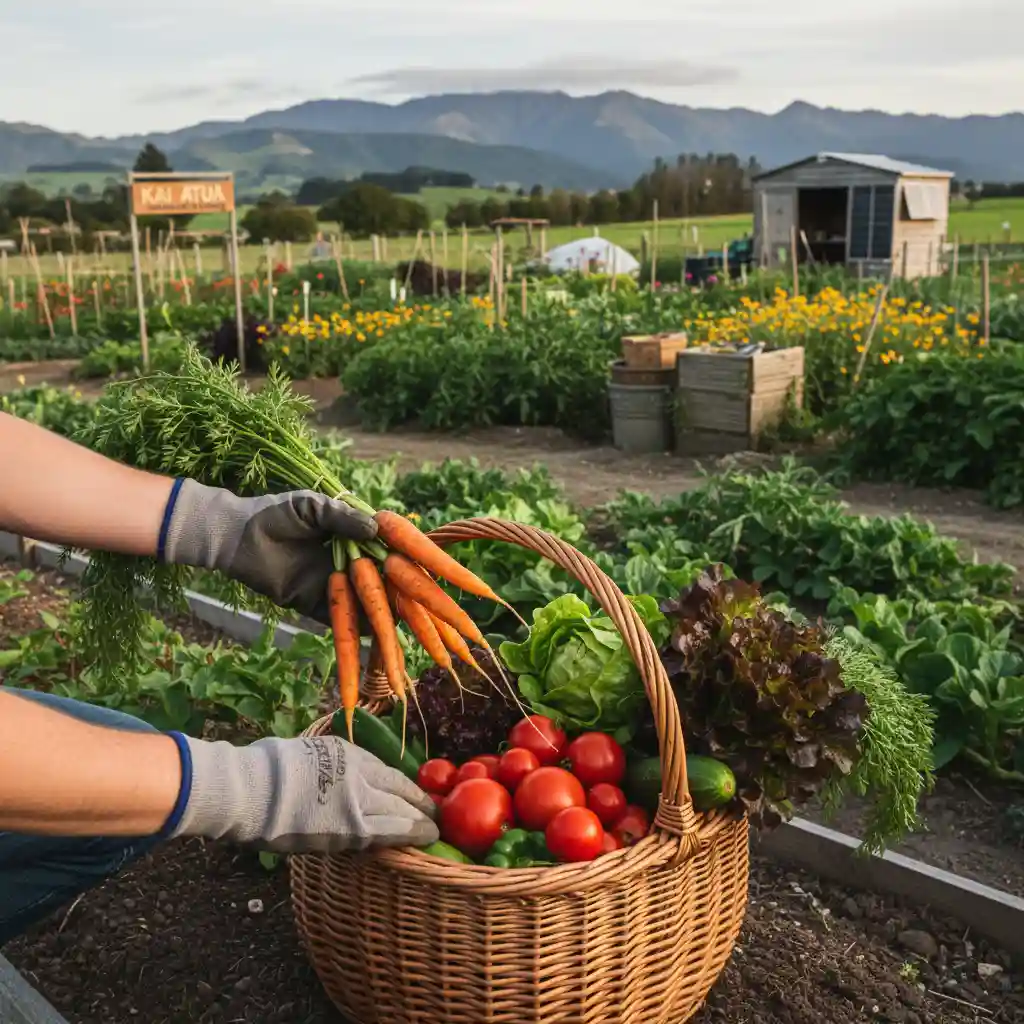
Essential Tools and Resources for NZ Gardeners
While organic gardening is largely about working with nature, a few quality tools can make your journey easier:
- Hand Trowel & Fork: For planting and weeding.
- Spade/Shovel: For turning soil and digging.
- Wheelbarrow: For moving compost, mulch, and soil.
- Gloves: Protect your hands.
- Local NZ Resources: Connect with local gardening groups, seed savers networks, and organisations like Organic NZ for specific advice and community support.
Organic Gardening Action Checklist
Ready to get your hands dirty? Use this checklist to kickstart or enhance your organic gardening in New Zealand journey:
- ☑ Assess your garden site for sunlight and drainage.
- ☑ Test your soil and amend with compost/manure.
- ☑ Research local NZ planting calendars for your region.
- ☑ Source organic or heritage seeds/seedlings.
- ☑ Start a compost bin or worm farm.
- ☑ Plan companion planting and crop rotation for your beds.
- ☑ Set up a watering schedule (deep & infrequent).
- ☑ Mulch garden beds to conserve moisture and suppress weeds.
- ☑ Identify common pests/diseases in your area and research natural controls.
- ☑ Connect with local organic gardening communities.
Frequently Asked Questions (FAQ)
Q: Is organic gardening more difficult in New Zealand?
A: Not necessarily more difficult, but it requires understanding New Zealand’s unique climate and soil conditions. By focusing on local knowledge, native plant wisdom, and adapting general organic principles, you can achieve great success. Many local resources are available to help.
Q: How do I get rid of slugs and snails organically in NZ?
A: Hand-picking them at dusk or dawn is highly effective. You can also use beer traps, copper tape around raised beds, or introduce natural predators like hedgehogs (if safe for your garden and pets) or certain birds. Maintaining a tidy garden reduces their hiding spots.
Q: What are the best organic fertilizers for NZ gardens?
A: Homemade compost and worm castings are gold! Other excellent options include well-rotted animal manures (sheep pellets, chicken manure), blood and bone meal, seaweed extracts, and green manure crops. These provide a slow release of nutrients and improve soil structure.
Q: Can I really grow enough food for my family organically?
A: Absolutely! With careful planning, crop rotation, and maximizing your space (e.g., vertical gardening), it’s entirely possible to grow a significant portion, if not all, of your family’s fresh produce requirements. Start small, learn, and expand as your confidence grows.
References/Sources
- Organic NZ Magazine – www.organicnz.org.nz
- Garden to Table New Zealand – www.gardentotable.org.nz
- Yates New Zealand Gardening Guide – (General NZ gardening principles adapted to organic practices)
- Sustainable Living Education Trust Aotearoa (SLET) – (Plausible local trust for sustainability advice)
- New Zealand Plant Protection Society (NZPPS) – (General plant health and pest information, interpreted through organic lens)