Energy-Efficient Windows for Sustainable Living in NZ
Unlock comfort, cut costs, and reduce your carbon footprint with smart window choices for your New Zealand home.
In the picturesque landscapes of Aotearoa, our homes are our havens. Yet, many New Zealanders unknowingly battle chilly interiors, persistent condensation, and soaring energy bills, often due to a single overlooked culprit: inefficient windows.
As we collectively move towards a more sustainable future, embracing energy-efficient solutions isn’t just an eco-conscious choice; it’s a savvy investment in comfort, health, and financial well-being. This comprehensive guide will illuminate the world of energy-efficient windows for sustainable living in NZ, detailing how they work, why they matter, and how to choose the best options for your unique home.
Why Energy-Efficient Windows Matter for NZ Homes
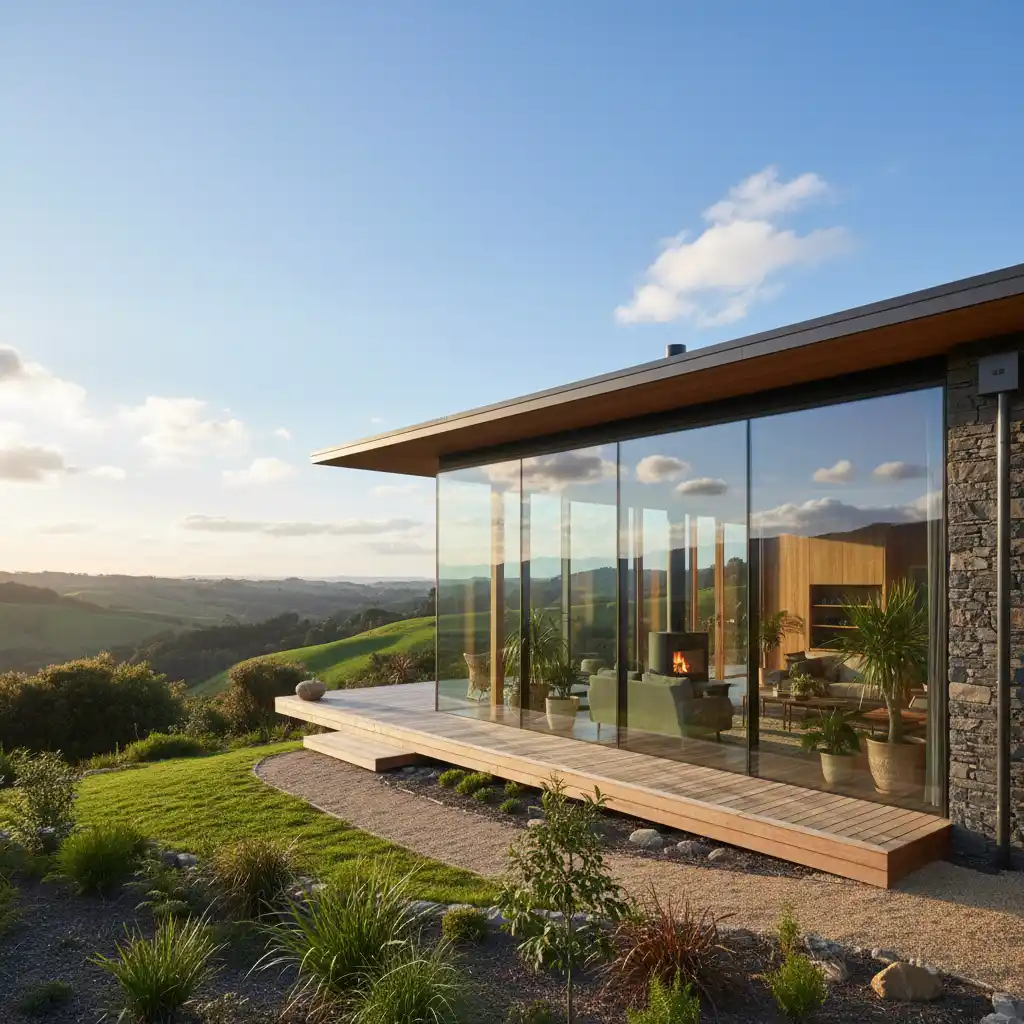
New Zealand’s climate, with its damp winters and strong sun, presents unique challenges for home insulation. Traditional single-pane windows are notorious for being weak links, allowing significant heat loss in winter and unwanted heat gain in summer. This leads to uncomfortable indoor temperatures, excessive heating/cooling costs, and often, unhealthy levels of condensation and mould.
The NZ Climate Challenge: Battling Condensation and Heat Loss
Our unique weather patterns mean homes need to perform across a range of conditions. Energy-efficient windows are designed to create a better thermal barrier, significantly reducing heat transfer. This means warmer, drier homes in winter and cooler interiors in summer, directly tackling issues like condensation and the need for constant heating.
Stats to Consider:
- Heat Loss: Up to 40% of a home’s heat can be lost through windows and doors, making them a critical area for efficiency upgrades.
- Condensation: Drier homes are healthier. Energy-efficient windows keep the internal pane warmer, preventing condensation buildup that fosters mould and mildew.
- Energy Bills: Studies indicate that upgrading to high-performance glazing can reduce heating bills by 10-20% annually for an average NZ home.
Beyond Warmth: Environmental and Financial Benefits
The advantages extend beyond immediate comfort. By reducing your reliance on artificial heating and cooling, you diminish your home’s energy consumption, leading to a smaller carbon footprint and a tangible contribution to New Zealand’s sustainability goals. Financially, this translates to considerable long-term savings on your power bills and increased property value.
“Investing in energy-efficient windows is one of the most impactful upgrades a homeowner can make, aligning perfectly with New Zealand’s push for sustainable, healthy homes.”
Understanding Key Technologies in Energy-Efficient Windows
The journey to energy-efficient windows for sustainable living in NZ begins with understanding the core technologies that make them so effective.
Double Glazing: The Standard for NZ
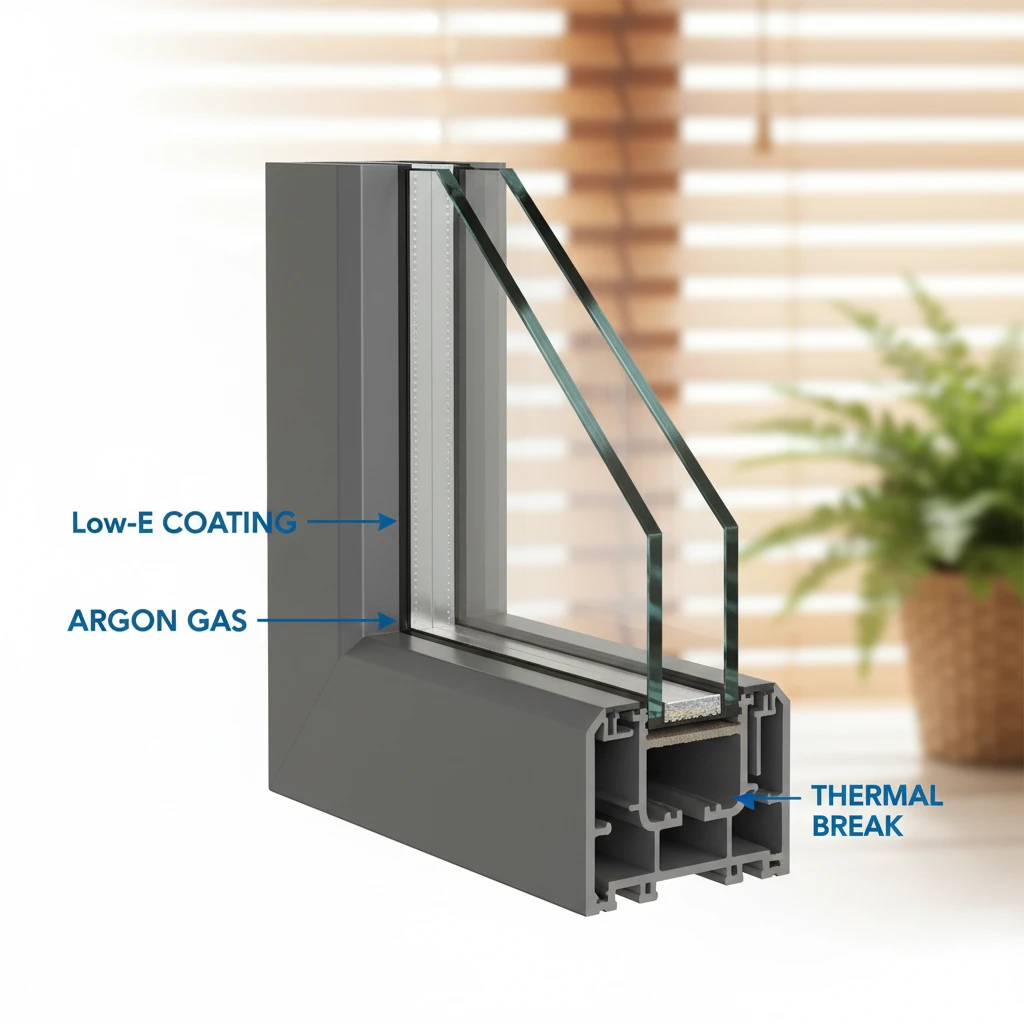
Double glazing consists of two panes of glass separated by a sealed air or gas-filled space. This gap acts as an insulating barrier, significantly reducing heat transfer compared to a single pane. It’s the minimum standard for new builds in many parts of NZ and a crucial step for retrofitting.
Advanced Glazing Options: Low-E Coatings, Argon Gas & Triple Glazing
- Low-Emissivity (Low-E) Coatings: These microscopically thin, transparent coatings are applied to one of the glass surfaces. They reflect radiant heat, keeping warmth inside during winter and blocking excessive heat from entering in summer, without sacrificing natural light.
- Argon Gas Filling: Replacing the air in the sealed gap with inert gases like argon (or krypton) further improves thermal performance. These gases are denser than air, slowing down heat conduction and convection more effectively.
- Triple Glazing: For ultimate thermal performance, triple glazing features three panes of glass with two insulating gaps. While offering superior insulation, it’s heavier and typically more expensive, often chosen for extreme climates or specific passive house designs.
Frame Materials: uPVC, Timber, Thermally Broken Aluminium
The frame is as important as the glass. Common energy-efficient options include:
- uPVC (Unplasticized Polyvinyl Chloride): Highly energy-efficient, durable, low-maintenance, and excellent at resisting heat transfer.
- Timber: Naturally insulating and aesthetically pleasing, often chosen for heritage properties or specific design aesthetics. Requires more maintenance.
- Thermally Broken Aluminium: Standard aluminium conducts heat readily, but a ‘thermal break’ (a non-conductive material barrier) within the frame significantly improves its insulation properties, making it a viable modern option.
Comparison of Glazing Options (Typical U-Values)
| Glazing Type | Key Features | Typical U-Value (W/m²K) | Condensation Resistance |
|---|---|---|---|
| Single Glazing | Basic, poor insulation | ~5.8 | Poor |
| Standard Double Glazing (Air) | 2 panes, air gap | ~2.7 – 3.2 | Fair |
| Double Glazing (Argon + Low-E) | 2 panes, argon gas, Low-E coating | ~1.2 – 1.8 | Good |
| Triple Glazing (Argon + Low-E) | 3 panes, two argon gaps, Low-E coatings | ~0.8 – 1.0 | Excellent |
Note: U-values are approximate and can vary based on specific product specifications and installation. Lower U-values indicate better insulation.
Choosing the Right Energy-Efficient Windows for Your NZ Home
Selecting the ideal energy-efficient windows for sustainable living in NZ involves weighing several factors, from your home’s existing structure to your budget and aesthetic preferences.
New Builds vs. Retrofits
- New Builds: Offers the most flexibility. You can design around optimal solar gain, choose high-performance glazing and frames from the outset, and easily meet or exceed current building code H1 requirements.
- Retrofits: For existing homes, options include replacing entire window units (frames and glass), or installing secondary glazing (an additional pane inside the existing frame). Full replacement offers the best performance but is more disruptive.
Understanding Performance Metrics (U-Value, SHGC)
- U-Value: This measures how well a window prevents heat from escaping. A lower U-value indicates better insulation and less heat loss. New Zealand’s Building Code H1 energy efficiency requirements often refer to U-values.
- SHGC (Solar Heat Gain Coefficient): This measures how much solar radiation passes through the glass as heat. A lower SHGC means less unwanted heat gain in summer, important for homes prone to overheating.
Look for windows with certified performance data. Companies often provide WERS (Window Energy Rating Scheme) ratings, which can help compare different products.
Installation and Maintenance: Ensuring Longevity
Even the most advanced energy-efficient windows for sustainable living in NZ will underperform if not installed correctly. Proper installation ensures airtightness and maximises thermal performance. Always use certified installers familiar with NZ building standards.

Maintenance for most modern energy-efficient windows is minimal, often just requiring regular cleaning of glass and frames. Timber frames will need periodic repainting or re-sealing. Always follow manufacturer guidelines to ensure the longevity and performance of your investment.
Government Initiatives & Support
New Zealand is continually updating its building regulations to promote energy efficiency. The recent H1 energy efficiency requirements in the Building Code have significantly increased insulation standards, particularly for windows. While direct grants for energy-efficient windows can vary, it’s worth checking with organisations like the Energy Efficiency and Conservation Authority (EECA) or local councils for any current schemes or subsidies that might be available for home insulation upgrades.
Some regional initiatives or loans might also be available through specific programmes, so local research is always recommended.
Embrace a Warmer, Healthier, and More Sustainable NZ Home!
Choosing energy-efficient windows for sustainable living in NZ is a powerful step towards creating a comfortable, healthier, and more environmentally responsible home. By understanding the technology and making informed choices, you’re not just upgrading your house; you’re investing in a brighter, greener future for yourself and for Aotearoa.
Frequently Asked Questions (FAQs)
What makes a window “energy-efficient”?
An energy-efficient window is designed to minimise heat transfer between the inside and outside of your home. This is achieved through features like multiple panes of glass (double or triple glazing), sealed gaps filled with inert gases (e.g., argon), low-emissivity (Low-E) coatings, and thermally broken frames. These elements work together to improve insulation (lower U-value) and control solar heat gain (optimised SHGC).
Is double glazing standard in new NZ homes?
Yes, under current New Zealand Building Code H1 energy efficiency requirements, new homes almost universally require double glazing to meet the minimum insulation standards. In many climate zones, even higher performing double glazing (e.g., with Low-E and argon) or even triple glazing may be necessary or highly beneficial.
What are the benefits of Low-E glass?
Low-E (Low-Emissivity) glass has a microscopically thin, transparent coating that reflects radiant heat. In winter, it helps keep heat inside your home, reducing warmth loss. In summer, it helps block external heat from entering, preventing overheating. This results in more stable indoor temperatures, reduced energy consumption for heating and cooling, and lower utility bills.
How much can energy-efficient windows save on power bills?
Savings vary significantly based on your home’s existing insulation, window area, climate, and energy usage habits. However, upgrading from single glazing to high-performance double glazing can typically reduce heating bills by 10-20% annually. These savings accumulate over the lifespan of the windows.
Can I retrofit energy-efficient windows into my existing home?
Absolutely! Retrofitting is a common and highly effective way to upgrade existing homes. Options include full window replacement (installing new frames and double-glazed units) or secondary glazing, where an additional pane of glass is added inside your existing window frame. A professional assessment can determine the best solution for your home.
What is the difference between U-value and R-value?
Both measure thermal performance, but in opposite ways. The U-value measures the rate of heat transfer (heat loss or gain) through a material. A lower U-value indicates better insulation. The R-value measures thermal resistance; how well a material resists heat flow. A higher R-value indicates better insulation. For windows, U-values are commonly used in NZ.
References & Sources
- Energy Efficiency and Conservation Authority (EECA) – www.eeca.govt.nz
- MBIE (Ministry of Business, Innovation & Employment) – New Zealand Building Code H1 Energy Efficiency updates – www.mbie.govt.nz
- Window Energy Rating Scheme (WERS) New Zealand – www.wers.org.nz
- BRANZ (Building Research Association of New Zealand) – Publications on thermal performance and condensation – www.branz.co.nz
- Window & Glass Association of New Zealand (WGANZ) – www.wganz.org.nz