Energy Efficient vs. Traditional Appliances: Costs & Impact
In an era where sustainability and smart living are paramount, the choices we make for our homes carry significant weight. When it comes to essential household items like appliances, the decision between energy-efficient and traditional models extends far beyond the initial purchase price. It’s a choice that impacts your wallet, your daily comfort, and crucially, our planet.
For New Zealanders looking to reduce their environmental footprint and embrace a more sustainable lifestyle, understanding the true costs and broader impact of your appliances is key. This comprehensive guide will break down everything you need to know, helping you make informed decisions for a greener, more economical home.
1. Understanding the Basics: What Defines Each Appliance Type?
Before delving into costs and impact, it’s crucial to understand the fundamental differences between these two categories of appliances. This will set the stage for our detailed comparison.
1.1. Traditional Appliances: The Familiar Choice
Traditional appliances are often older models or budget-friendly options that primarily focus on performing their core function without specific design considerations for energy conservation. They typically meet minimum government energy standards, but they aren’t optimised for efficiency.
- Technology: Generally uses older, less refined technology for heating, cooling, or motor operation.
- Energy Consumption: Higher energy usage per cycle or hour of operation, leading to increased utility bills over time.
- Cost: Often have a lower upfront purchase price.
- Environmental Footprint: Contribute more to greenhouse gas emissions due to higher energy demand, often relying on fossil fuel-generated electricity.

1.2. Energy-Efficient Appliances: The Modern Solution
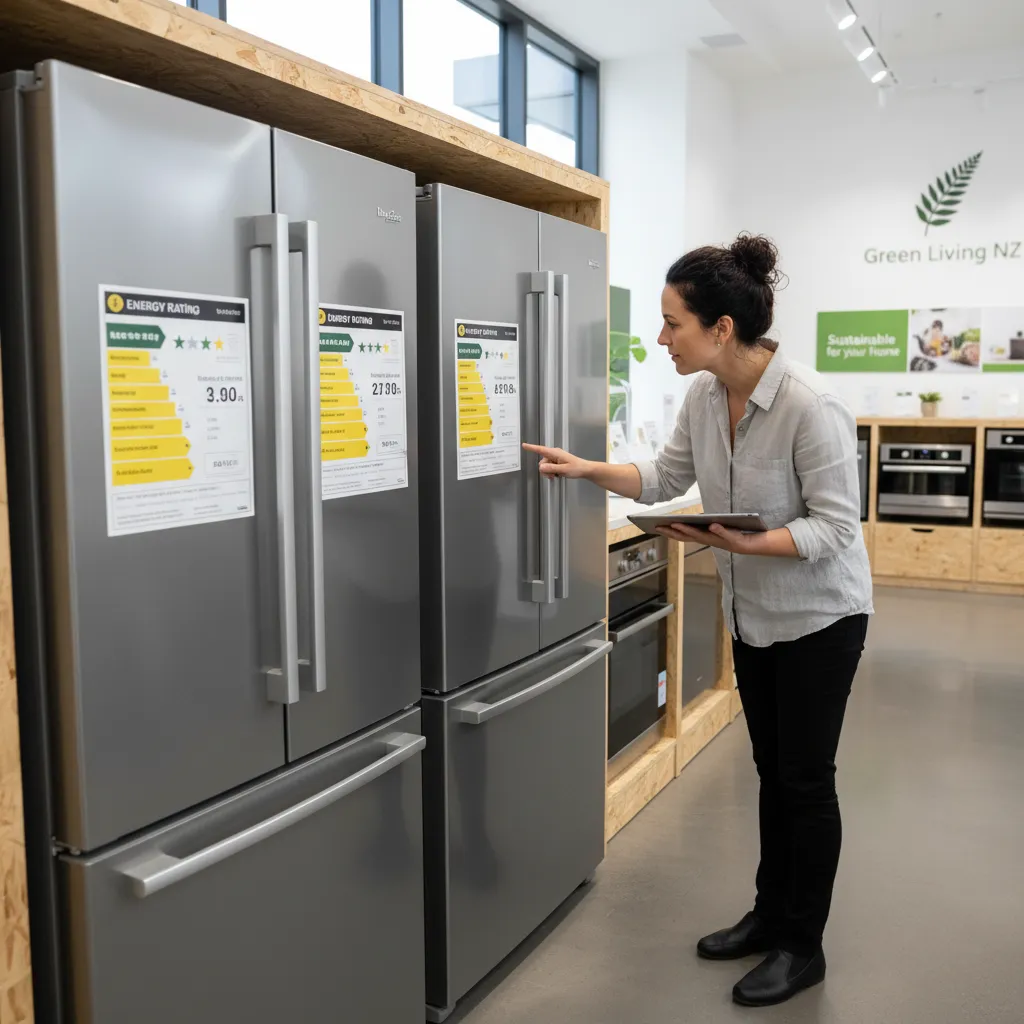
Energy-efficient appliances are specifically engineered to use less energy and water to perform the same task as their traditional counterparts. In New Zealand, you’ll identify these by their Energy Rating Label, which displays a star rating and estimated annual energy consumption.
- Technology: Incorporate advanced technologies like inverter motors, improved insulation, smart sensors, and optimised cycle settings.
- Energy Consumption: Significantly lower energy and water usage, resulting in substantial savings on utility bills over their lifespan.
- Cost: Typically have a higher initial purchase price due to advanced technology and manufacturing.
- Environmental Footprint: Reduce greenhouse gas emissions and conserve natural resources, contributing positively to environmental sustainability.
“Choosing an appliance with more stars on its Energy Rating Label isn’t just good for the planet; it’s a smart investment in your home’s financial future.”
2. The Financial Showdown: Upfront vs. Long-Term Costs
This is where many consumers face their biggest dilemma. The perceived higher cost of energy-efficient models can be a deterrent, but a true cost analysis reveals a different story.
2.1. Initial Investment: The Price Tag Difference
It’s true that an energy-efficient refrigerator or washing machine often comes with a higher upfront price tag than a basic traditional model. This premium reflects the research, development, and advanced components that make them more efficient. However, this initial investment shouldn’t be viewed in isolation.
2.2. Operational Costs: Where Savings Shine
The real financial advantage of energy-efficient appliances becomes clear when you consider their operational costs. Over the lifespan of the appliance, the savings on electricity and water bills can easily offset the higher purchase price. Factors like how often you use the appliance, local electricity rates in New Zealand, and the specific model’s efficiency rating all play a role.
⚡ Stat Callout: A typical 3-star rated refrigerator uses approximately 600-800 kWh per year, while a 6-star model can bring that down to 200-300 kWh. At an average NZ electricity cost of $0.30/kWh, that’s a potential annual saving of $120-$150 on just one appliance!
2.3. Appliance Cost Comparison Table
Let’s look at a hypothetical comparison for common appliances, illustrating the potential differences over a 10-year lifespan (lifespan estimates vary).
| Appliance Type | Model Type | Est. Upfront Cost (NZD) | Est. Annual Running Cost (NZD) | Est. 10-Year Total Cost (NZD) |
|---|---|---|---|---|
| Refrigerator (400L) | Traditional (2-star) | $800 | $240 | $3200 |
| Refrigerator (400L) | Energy-Efficient (5-star) | $1200 | $100 | $2200 |
| Washing Machine (8kg) | Traditional (3-star) | $700 | $180 | $2500 |
| Washing Machine (8kg) | Energy-Efficient (4.5-star, Front Loader) | $1100 | $60 | $1700 |
| Dishwasher | Traditional (2-star) | $600 | $150 | $2100 |
| Dishwasher | Energy-Efficient (4-star) | $900 | $70 | $1600 |
*Estimates based on typical New Zealand usage patterns and electricity prices. Actual costs may vary.
3. Beyond the Wallet: Environmental and Societal Impact
While financial savings are a powerful motivator, the environmental and societal benefits of choosing energy-efficient appliances are equally, if not more, significant, especially for New Zealand’s clean, green image.
3.1. Reducing Your Carbon Footprint
Less energy consumption directly translates to a reduced carbon footprint. In New Zealand, while a significant portion of our electricity comes from renewable sources, there’s still a reliance on non-renewables, particularly during peak demand. Every kilowatt-hour saved by your appliances reduces the overall demand on the national grid, lessening the need for fossil fuel power generation.
3.2. Resource Conservation
Beyond electricity, many energy-efficient appliances, particularly dishwashers and washing machines, are also designed to be water-efficient. With increasing concerns about freshwater availability, especially in parts of New Zealand, conserving water at home is a vital contribution to sustainable living.
🌿 Stat Callout: ENERGY STAR® certified washing machines use about 25% less energy and 33% less water than regular washers. Over their lifetime, they can save an average New Zealand household thousands of litres of water and hundreds of dollars.
3.3. The Bigger Picture: New Zealand’s Sustainable Future
Every individual choice contributes to collective impact. When more households opt for energy-efficient appliances, it drives demand for greener technologies, encourages manufacturers to innovate further, and supports New Zealand’s broader goals for climate action and resource stewardship. It’s a proactive step towards a more resilient and sustainable future for Aotearoa.
4. Making the Smart Choice for Your Home
Ready to make the switch or upgrade? Here’s what to keep in mind.
4.1. Key Considerations Before Buying
- Energy Rating Label: Always check the star rating and estimated annual energy consumption. More stars mean more efficiency.
- Size and Capacity: Choose an appliance that fits your household needs. An oversized appliance will consume more energy than necessary.
- Features: Look for features like ‘eco-mode’, ‘delay start’, or smart connectivity for optimal energy management.
- Total Cost of Ownership: Factor in both the purchase price and the estimated running costs over the appliance’s lifespan.
- Disposal: Consider how you’ll responsibly dispose of your old appliance. Many retailers offer take-back schemes, or check with your local council for e-waste recycling options.
4.2. Tips for Maximising Efficiency
Even with energy-efficient appliances, proper usage can further enhance savings and reduce impact:
- Refrigerators: Keep coils clean, ensure door seals are tight, and don’t overfill.
- Washing Machines: Wash full loads, use cold water cycles when possible, and choose appropriate spin speeds.
- Dishwashers: Only run when full, use eco-modes, and skip the pre-rinse if not heavily soiled.
- General: Unplug ‘vampire’ electronics when not in use, regularly clean and maintain appliances, and ensure proper ventilation.
5. Frequently Asked Questions (FAQ)
Are energy-efficient appliances worth the higher upfront cost?
Yes, in most cases, energy-efficient appliances are worth the higher upfront cost. While the initial investment might be more, the significant savings on electricity and water bills over the appliance’s 10-15 year lifespan typically offset this cost, leading to overall lower total cost of ownership. Plus, you’ll be contributing to environmental sustainability.
How can I tell if an appliance is energy-efficient in New Zealand?
In New Zealand, look for the Energy Rating Label displayed on the appliance. This label features a star rating (more stars mean greater efficiency) and an estimated annual energy consumption in kilowatt-hours (kWh). Also, check for the ENERGY STAR® logo, which signifies top-tier efficiency.
Do energy-efficient appliances perform as well as traditional ones?
Absolutely. Modern energy-efficient appliances are designed not only for efficiency but also for superior performance. Advances in technology mean they can often clean better, cool more effectively, and operate more quietly than many traditional models, all while using less energy and water.
What happens to my old appliance when I buy a new one?
Many appliance retailers in New Zealand offer take-back or recycling services for old appliances when you purchase a new one. Alternatively, you can contact your local council for information on e-waste disposal and recycling programs in your area. Proper disposal ensures components are recycled responsibly and hazardous materials are managed safely.