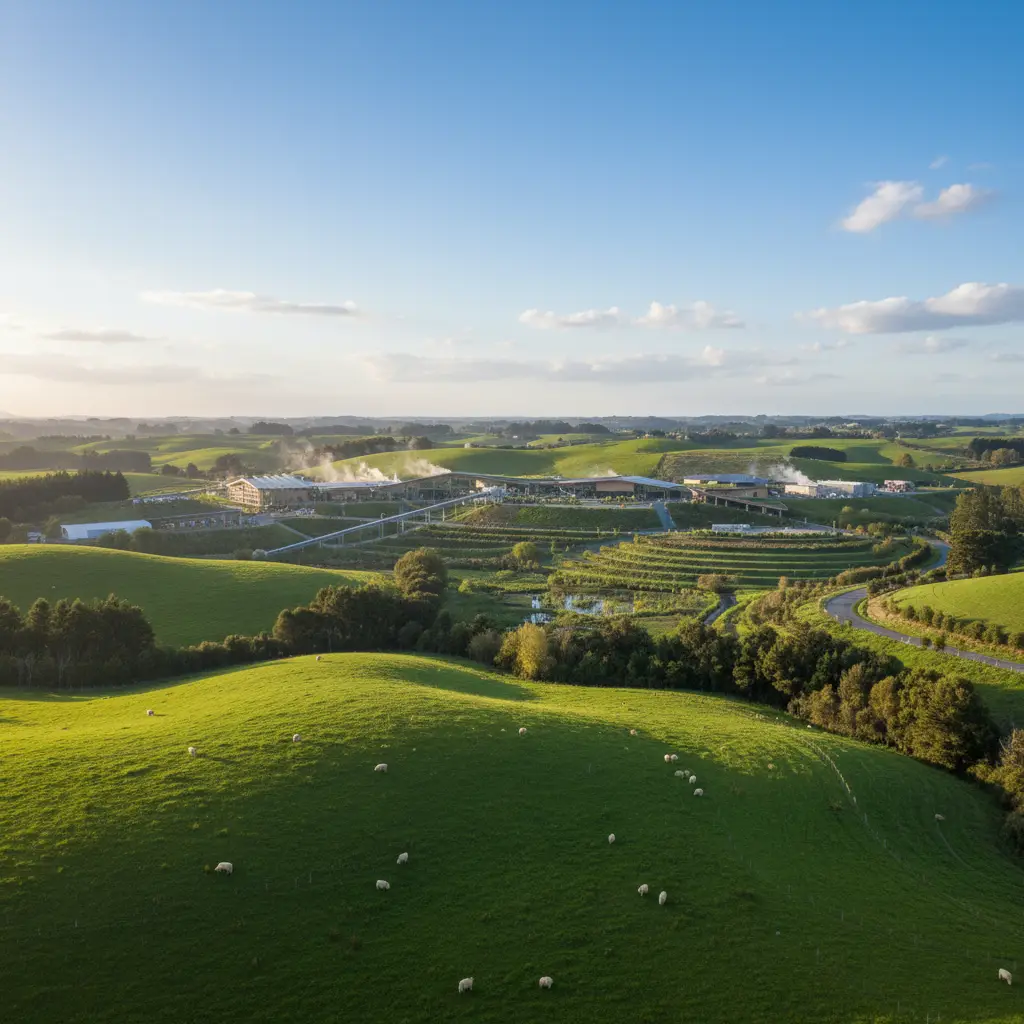
Empowering Kiwi Homes: Innovative Solar and Wind Solutions
The call for a more sustainable future resonates deeply across Aotearoa. As New Zealanders, we cherish our pristine environment and are increasingly seeking ways to minimise our footprint. Moving beyond traditional waste management, the focus is now squarely on empowering individual homes to become self-sufficient energy hubs.
Imagine a home powered by the abundant sun and the gentle, persistent breeze – a reality within reach for many Kiwi households. This article delves into the transformative potential of solar and small-scale wind energy, offering clear, expert insights for those ready to embrace a greener, more resilient lifestyle.
Understanding the Shift to Sustainable Living
The journey towards a sustainable lifestyle in New Zealand is evolving. While historically focused on recycling and waste reduction, there’s a significant movement towards proactive energy independence. This shift empowers individuals to take control of their energy consumption, reduce reliance on the national grid, and contribute directly to a lower carbon future.
“Embracing renewable energy at home isn’t just about saving money; it’s a powerful statement of environmental stewardship and a step towards true energy resilience for Kiwi families.”
Empowering Kiwi Homes: Innovative Solar and Wind Solutions represents a pivotal step in this transition, offering tangible ways for homeowners to make a real difference.
Solar Power: Harnessing the Kiwi Sun
New Zealand receives ample sunshine, making solar photovoltaics (PV) an exceptionally viable option for residential energy generation. From small rooftop arrays to larger ground-mounted systems, solar technology has become more efficient, affordable, and accessible than ever before.
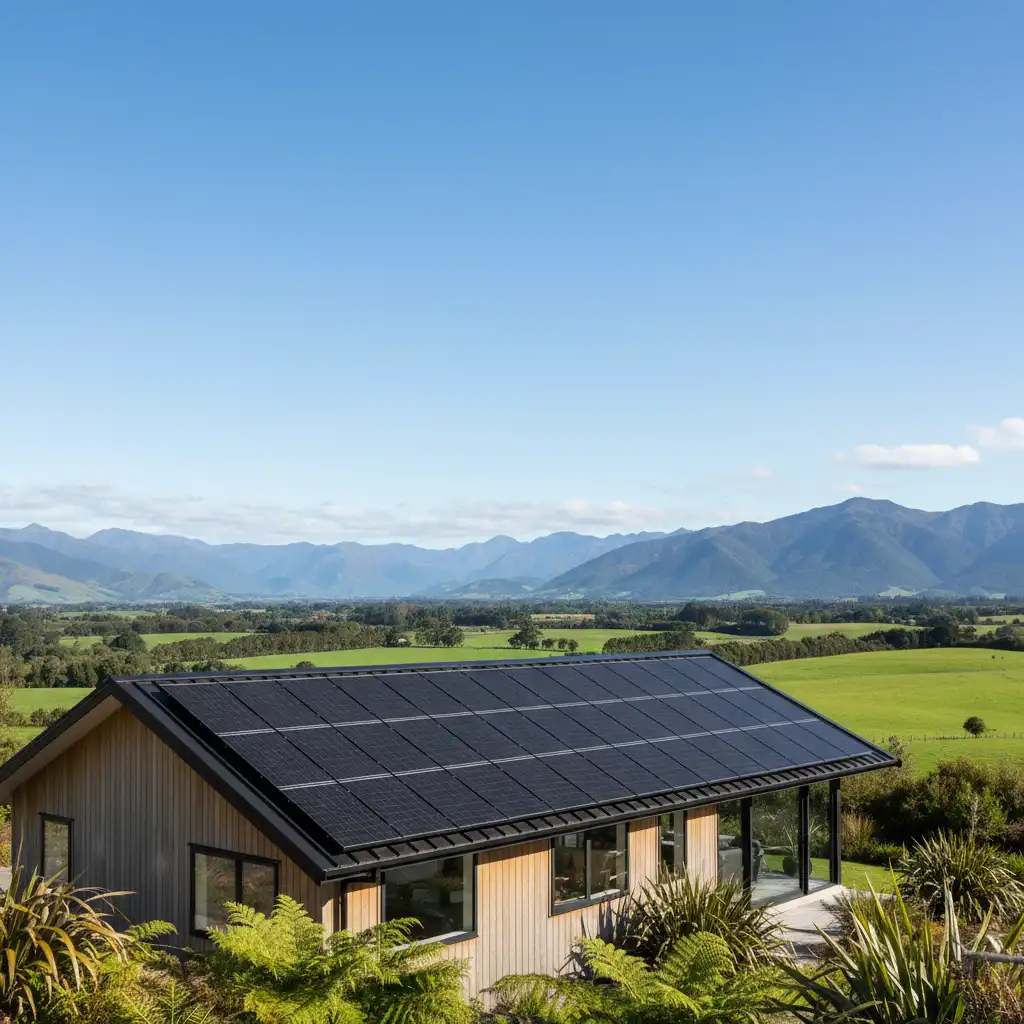
The Benefits of Residential Solar
- Reduced Electricity Bills: Generate your own power and significantly cut down on monthly energy costs.
- Environmental Impact: Drastically reduce your carbon footprint by using clean, renewable energy.
- Increased Property Value: Homes with solar installations often command higher market values.
- Energy Independence: Lessen your reliance on the grid, especially valuable during outages or peak pricing.
- Long Lifespan: Modern solar panels are durable, often coming with warranties of 25 years or more.
Stat Callout:
According to the Sustainable Energy Association NZ, the installed capacity of solar PV in New Zealand has grown significantly, exceeding 200 MW by 2023, showcasing rapid adoption by Kiwi households and businesses.
Considerations for Solar Installation
- Roof Orientation & Shading: North-facing roofs are ideal, and shading from trees or other buildings can impact efficiency.
- System Size: Matching your energy consumption to the right system size is crucial for optimal returns.
- Battery Storage: Consider battery storage to maximise self-consumption and provide backup power.
- Initial Investment: While costs have decreased, it’s a significant upfront investment, though often with long-term savings.
Wind Energy: Tapping into New Zealand’s Breezes
New Zealand is renowned for its consistent winds, especially in certain regions. While large-scale wind farms are common, small-scale wind turbines offer another powerful solution for Empowering Kiwi Homes: Innovative Solar and Wind Solutions, particularly in rural or off-grid settings where wind resources are abundant and consistent.
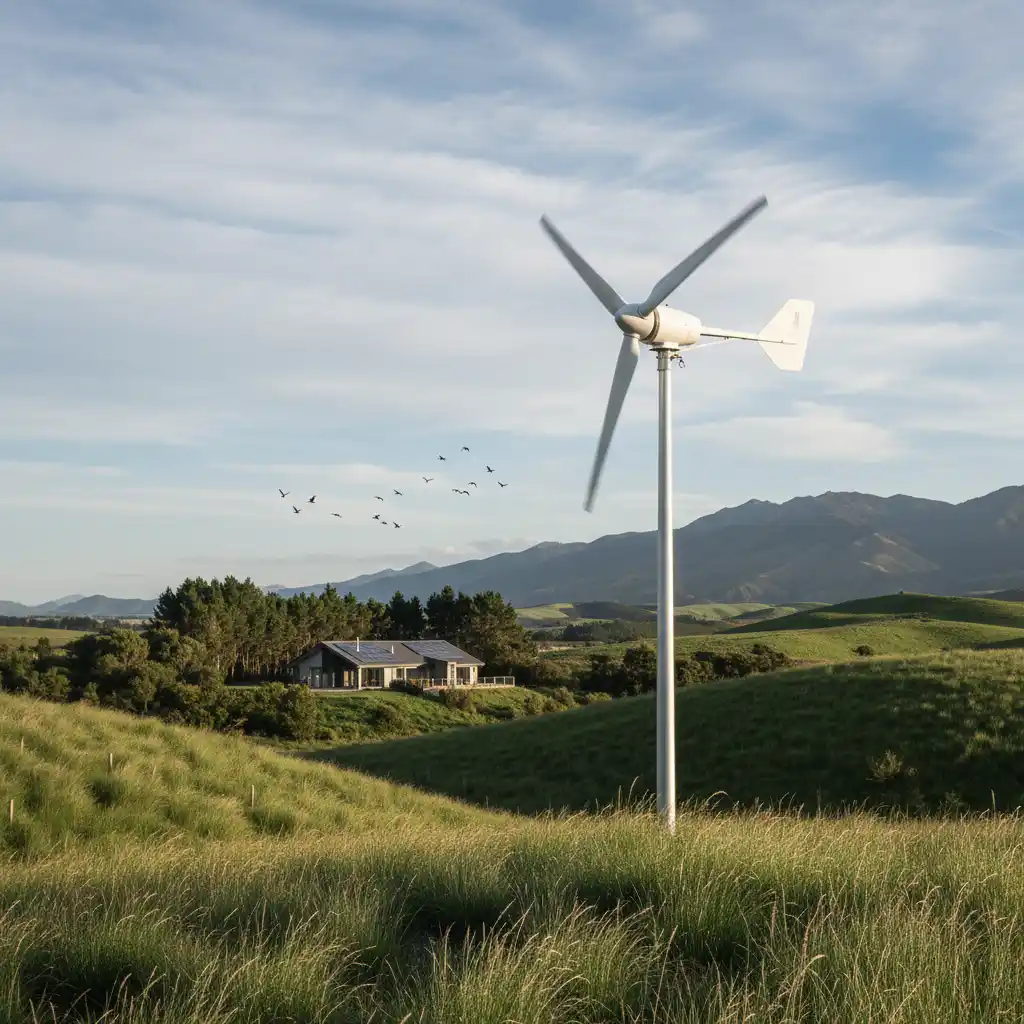
Advantages of Small-Scale Wind Turbines
- 24/7 Power Generation: Unlike solar, wind turbines can generate power day and night, whenever the wind blows.
- Complementary to Solar: Wind generation often peaks when solar generation is low (e.g., at night, in winter), providing an excellent hybrid solution.
- Remote Location Suitability: Ideal for properties far from the grid or with strong, consistent wind resources.
- Reduced Grid Dependence: Enhances energy autonomy, especially when paired with battery storage.
Stat Callout:
New Zealand’s electricity system is already over 85% renewable, largely due to hydro and wind power. Integrating small-scale wind at a residential level further contributes to this impressive national goal.
Key Factors for Wind Power Adoption
- Wind Resource Assessment: Accurate measurement of average wind speed at your site is critical for turbine viability.
- Permitting & Regulations: Local council regulations regarding turbine height, noise, and visual impact must be considered.
- Turbine Size & Type: Various designs exist, from vertical axis to horizontal axis, each with different efficiencies and noise profiles.
- Maintenance: While generally robust, turbines require periodic maintenance.
Solar vs. Wind: Which is Right for Your Home?
The choice between solar and wind, or indeed a hybrid system, depends on your specific location, energy needs, and budget. Here’s a quick overview of their pros and cons:
Solar Power (PV) Pros & Cons
- Pros: Silent operation, minimal moving parts, established technology, often easier permitting, high efficiency during daylight.
- Cons: Only generates power when the sun shines, efficiency can be affected by cloud cover/shading, requires roof space or clear ground.
Small-Scale Wind Pros & Cons
- Pros: Generates power 24/7 with wind, excellent for hybrid systems, ideal in consistently windy locations.
- Cons: Can be noisy, requires strong and consistent wind, potential visual impact, often more complex permitting, moving parts require maintenance.
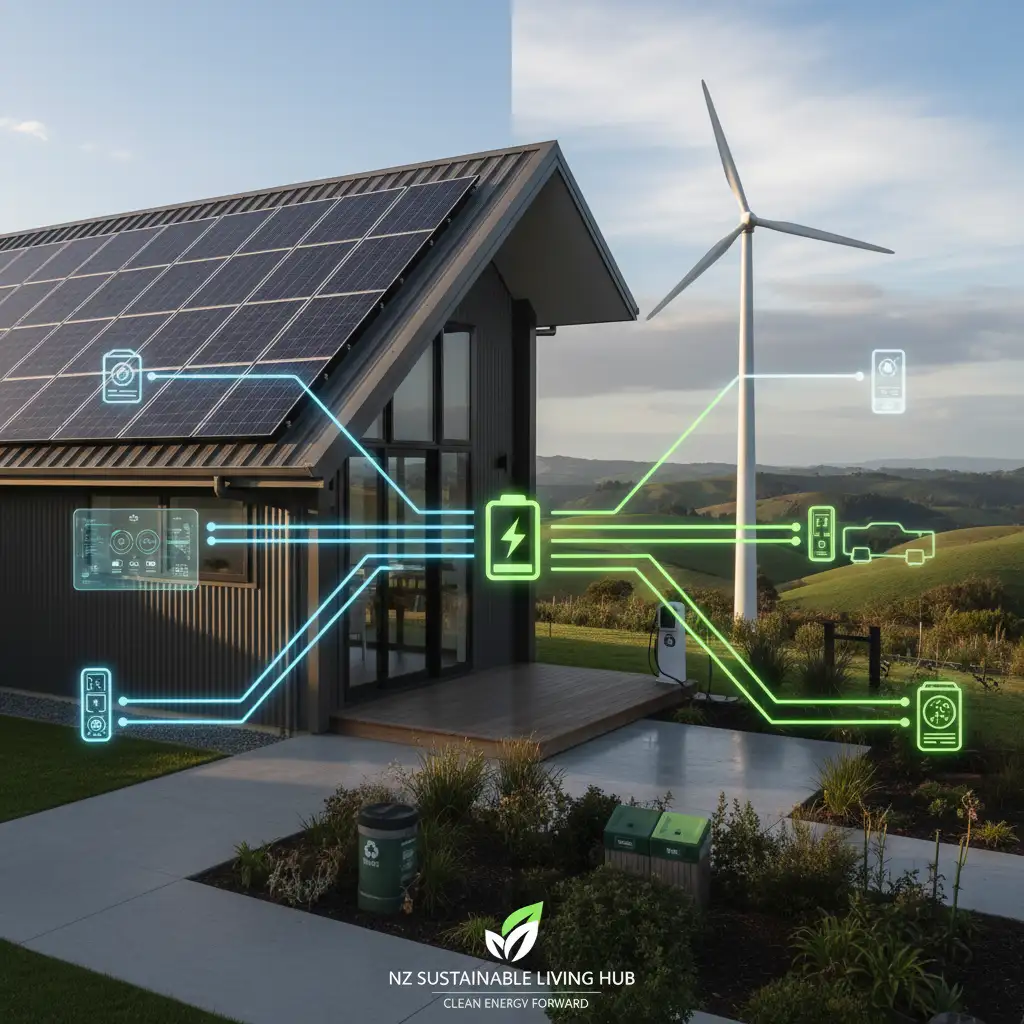
For many, a hybrid solar and wind system offers the best of both worlds, ensuring a more consistent power supply by leveraging the strengths of each technology. This approach truly embodies the spirit of Empowering Kiwi Homes: Innovative Solar and Wind Solutions.
Steps to Empower Your Home with Renewables
Ready to make the leap? Here’s a step-by-step guide to help you transition to clean, home-generated energy:
1. Assess Your Energy Needs
Review your electricity bills from the past 12-24 months. Understand your peak consumption times and overall usage. This data is vital for sizing your system accurately.
2. Evaluate Your Site
For solar, check roof orientation, available space, and shading. For wind, assess prevailing wind directions and speeds, potential obstructions, and suitable locations for a turbine tower.
3. Explore Incentives and Regulations
Research any local council grants, power company buy-back schemes, or national incentives that might be available to offset installation costs or provide ongoing benefits. Understand relevant building codes and consent requirements.
4. Choose the Right System & Installer
Obtain multiple quotes from reputable, certified installers. Discuss system types (grid-tied, off-grid, hybrid), battery storage options, and expected return on investment. Look for installers with a strong track record in New Zealand.
5. Enjoy Sustainable Power
Once installed, monitor your system’s performance. Embrace your newfound energy independence and the knowledge that you are actively contributing to a more sustainable future for New Zealand.
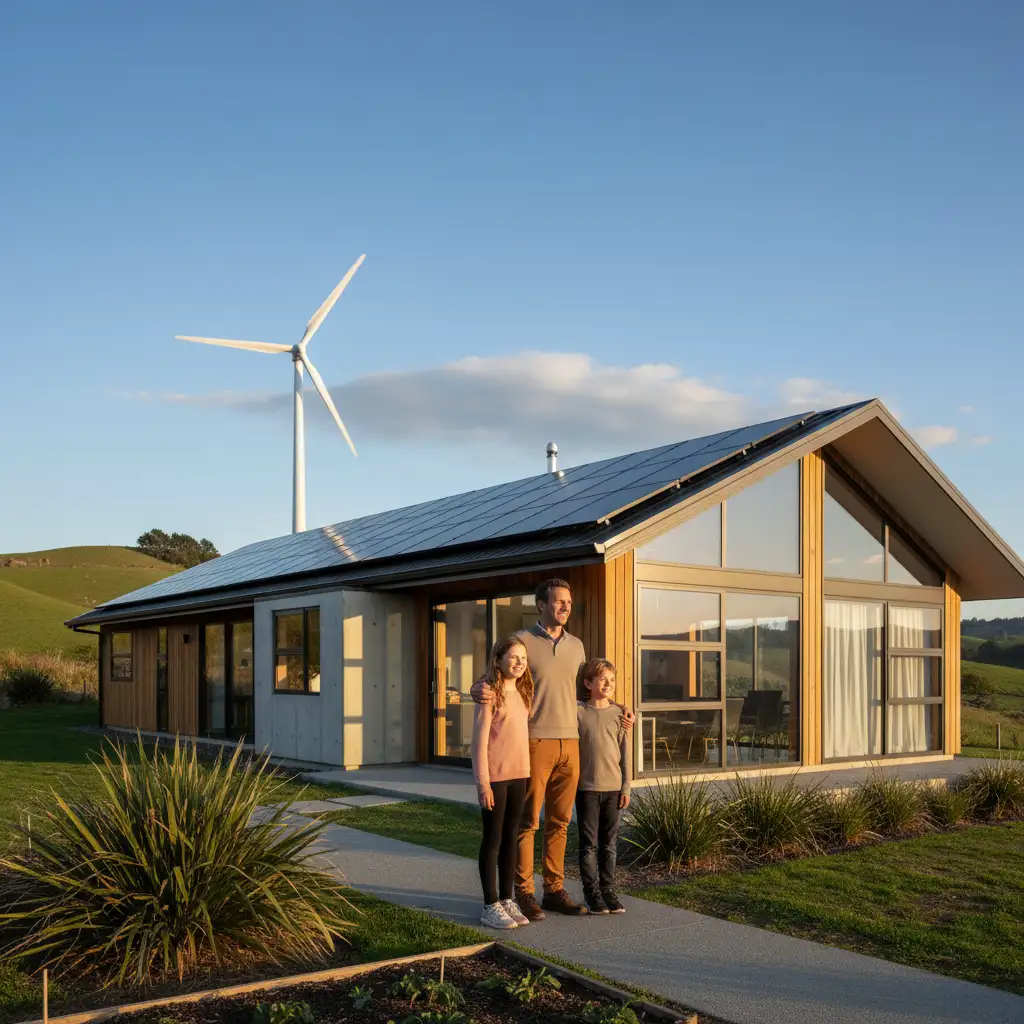
The Future is Bright (and Windy) for Kiwi Homes
The transition to a sustainable lifestyle is a journey, and Empowering Kiwi Homes: Innovative Solar and Wind Solutions stands at the forefront of this evolution. By adopting these proven technologies, New Zealand homeowners are not just making smart financial decisions; they are investing in environmental health, energy security, and a brighter future for generations to come. The power to create a sustainable home is truly in your hands.
Frequently Asked Questions
What are the main benefits of installing solar panels in New Zealand?
The primary benefits include significant reductions in electricity bills, a lower carbon footprint, increased property value, and greater energy independence. New Zealand’s good solar irradiance makes it a highly effective solution.
Are small-scale wind turbines suitable for all New Zealand homes?
Small-scale wind turbines are best suited for homes in areas with consistent, strong wind resources. Rural properties or those in exposed locations often benefit most. A professional site assessment is crucial to determine viability.
Can I combine solar and wind energy for my home?
Absolutely! A hybrid solar and wind system is often the most effective solution. Solar excels during sunny days, while wind can generate power during cloudy periods or at night, providing a more reliable and consistent energy supply.
What is the average payback period for residential solar or wind systems in NZ?
The payback period can vary widely depending on system size, energy consumption, local electricity prices, and any available incentives. Generally, residential solar systems in NZ can have a payback period of 5-10 years, with wind systems varying more based on specific wind resources.
Do I need batteries with my solar or wind system?
While not strictly mandatory for grid-tied systems (where excess power can be fed back to the grid), batteries significantly enhance energy independence by storing surplus energy for use during periods of low generation or high demand, reducing reliance on the grid even further.
References & Sources
- Sustainable Energy Association NZ (SEANZ) – Data and insights on renewable energy adoption.
- Energy Efficiency and Conservation Authority (EECA) – New Zealand government resources on sustainable energy.
- Ministry for the Environment, New Zealand – Information on national climate and sustainability goals.
- Genesis Energy (or similar NZ power company) – Information on grid-tied solar buy-back schemes.
- Local New Zealand Council Websites – For specific regional regulations on renewable installations.