Empowering Communities for Sustainable Hazardous Waste Disposal in New Zealand
Discover how local action and collaborative efforts are shaping a greener, safer Aotearoa.
New Zealand, with its breathtaking landscapes and vibrant communities, stands at the forefront of global sustainability efforts. Yet, beneath the surface of our commitment to Papatūānuku (Mother Earth), lies a silent challenge: the responsible management of hazardous waste. This isn’t just a technical problem for experts; it’s a shared responsibility that demands collective action.
From old batteries in the drawer to paints in the shed, everyday items can become environmental threats if not disposed of correctly. The good news? Our communities hold immense power to drive change. This article will delve into how we can empower communities for sustainable hazardous waste disposal, fostering a safer, healthier future for all of Aotearoa.
Table of Contents
- Understanding Hazardous Waste in NZ
- The Far-Reaching Impact of Improper Disposal
- The Critical Role of Community Empowerment
- Practical Steps for Communities: Taking Action
- Government and Industry Support: A Collaborative Approach
- New Zealand Success Stories: Local Heroes Leading the Way
- Conclusion: A Shared Path to a Sustainable Future
- Frequently Asked Questions
- References/Sources
Understanding Hazardous Waste in NZ
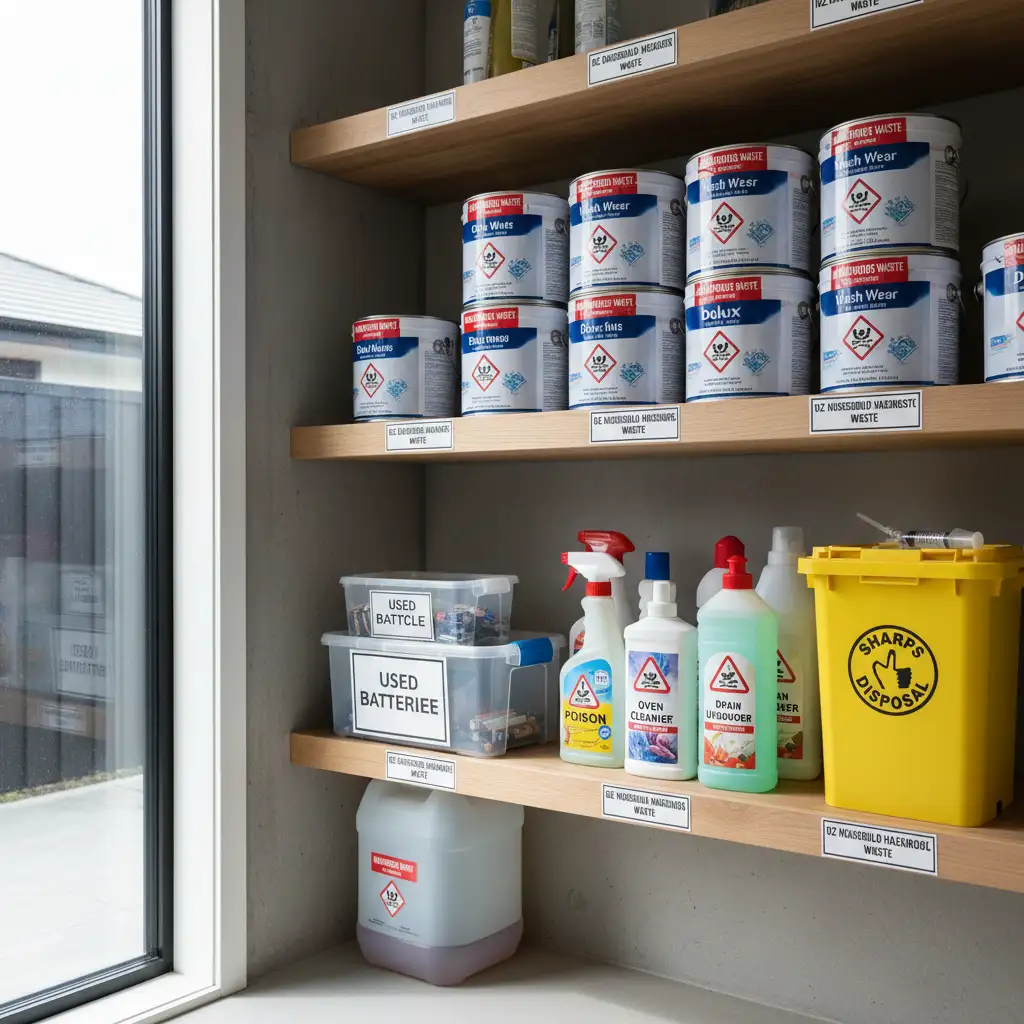
Hazardous waste refers to waste that poses a substantial actual or potential hazard to human health or the environment. In New Zealand, this can include a wide range of materials from households, businesses, and industries.
- Household Hazardous Waste (HHW): Old paint, solvents, cleaning products, pesticides, batteries, fluorescent bulbs, electronic waste (e-waste).
- Commercial & Industrial Waste: Chemicals from manufacturing, medical waste, automotive fluids, agricultural chemicals.
“Effective hazardous waste management is not just about disposal; it’s about minimizing generation and fostering a circular economy where resources are valued, not discarded.”
Identifying and separating these wastes from general rubbish is the crucial first step. Without proper classification and disposal channels, they can contaminate landfills, waterways, and soil, creating long-term environmental and health problems.
The Far-Reaching Impact of Improper Disposal
When hazardous waste isn’t managed correctly, the consequences ripple through our environment and communities:
- Environmental Contamination: Toxins can leach into groundwater, pollute rivers and streams, and contaminate soil, affecting ecosystems and biodiversity.
- Public Health Risks: Exposure to hazardous substances can cause respiratory problems, skin irritations, developmental issues, and even cancer. Children are particularly vulnerable.
- Economic Burden: Cleaning up contaminated sites is incredibly expensive, diverting funds that could be used for community development or environmental conservation.
Did You Know?
A single household battery can pollute up to 600,000 litres of water if its hazardous components leak into the environment. (Source: Call2Recycle)
These impacts underscore the urgency of adopting sustainable disposal practices, not just for today, but for generations to come.
The Critical Role of Community Empowerment
At the heart of a truly sustainable future lies the empowerment of local communities. When people are informed, equipped, and motivated, they become powerful agents of change. Empowering communities for sustainable hazardous waste disposal involves:
- Increased Awareness: Understanding what constitutes hazardous waste and why proper disposal is vital.
- Access to Solutions: Ensuring convenient and affordable options for disposing of hazardous materials.
- Local Ownership: Fostering a sense of shared responsibility and pride in environmental stewardship.
- Advocacy: Giving communities a voice in policy-making and resource allocation for waste management.
Practical Steps for Communities: Taking Action
Empowerment translates into action. Here are practical steps New Zealand communities can take to improve hazardous waste disposal:
1. Educate and Raise Awareness
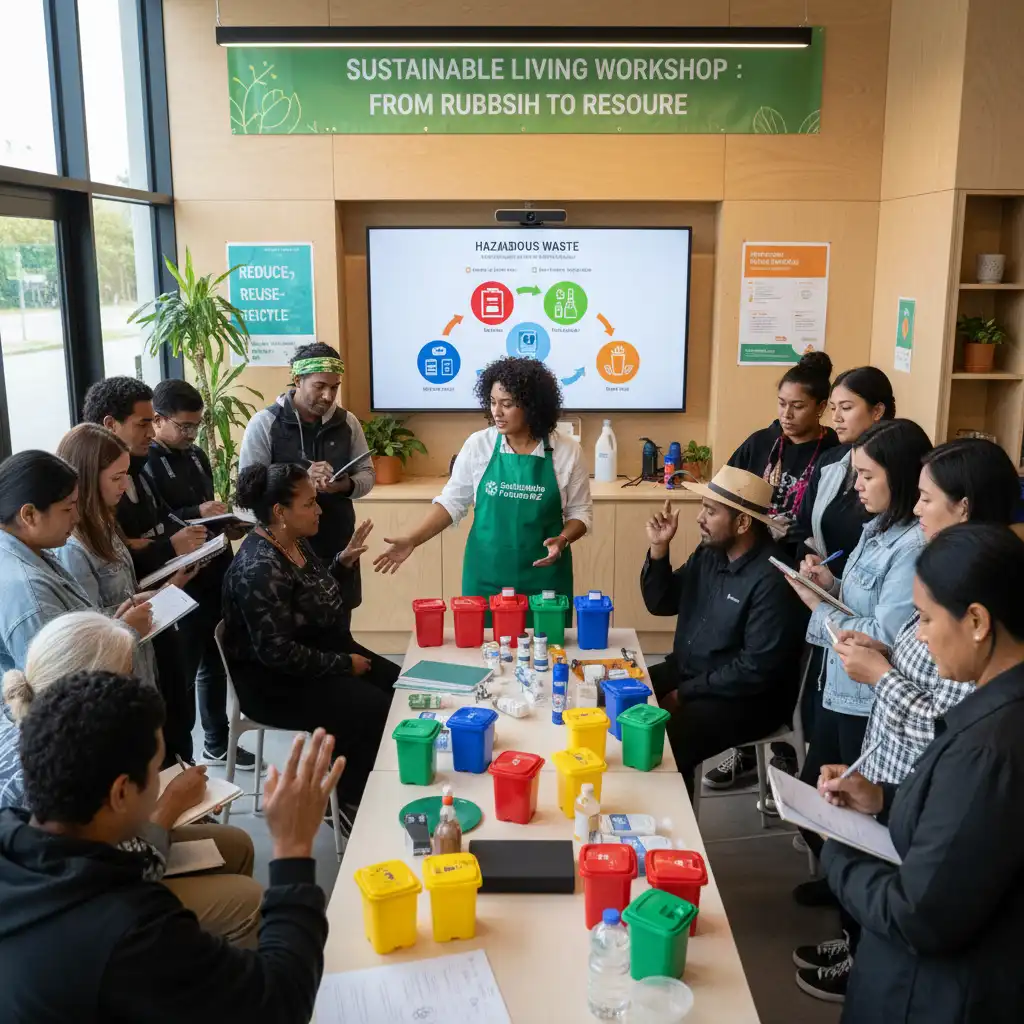
Knowledge is the first line of defense. Local councils, schools, and community groups can host workshops, distribute informational pamphlets, and run social media campaigns. Emphasize the ‘why’ behind proper disposal and provide clear, simple guidelines.
- Explain common HHW items.
- Detail the risks of improper disposal.
- Promote waste reduction and reuse.
2. Establish Accessible Collection Points
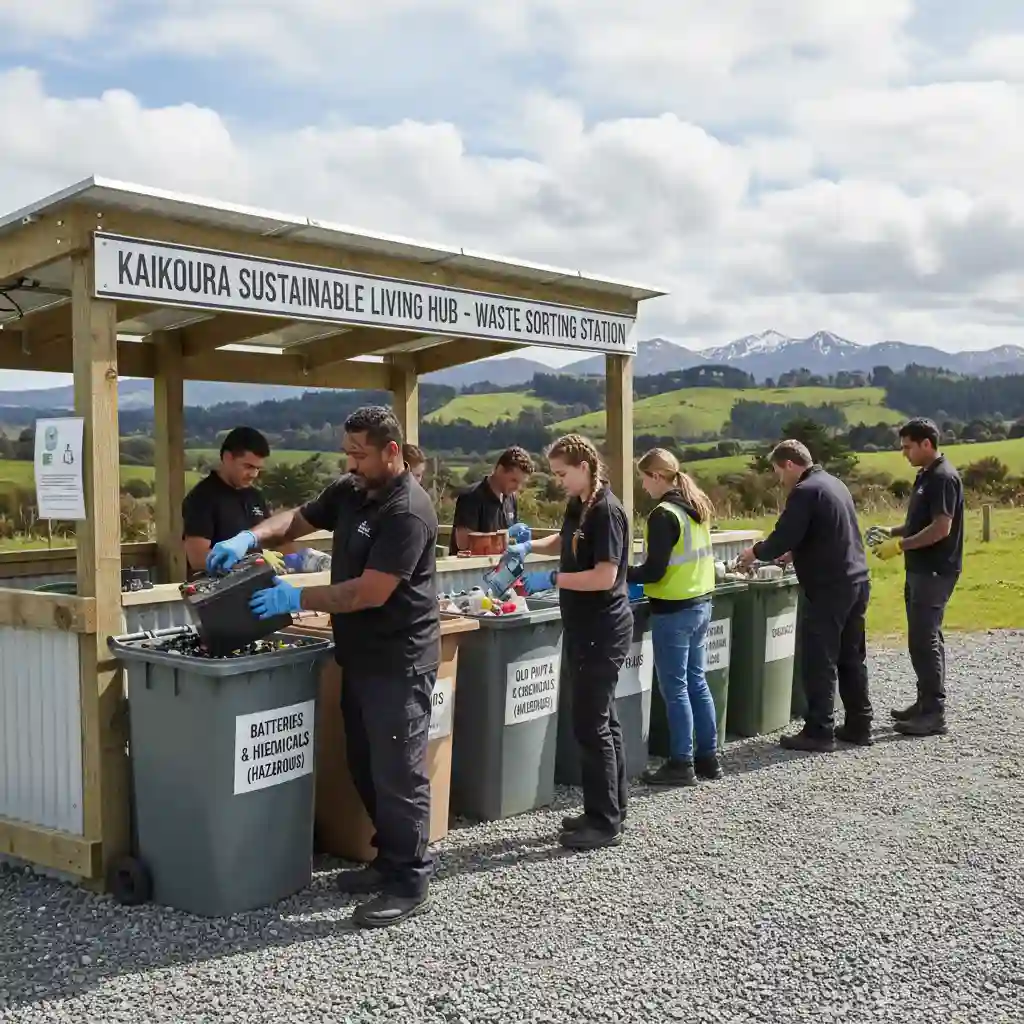
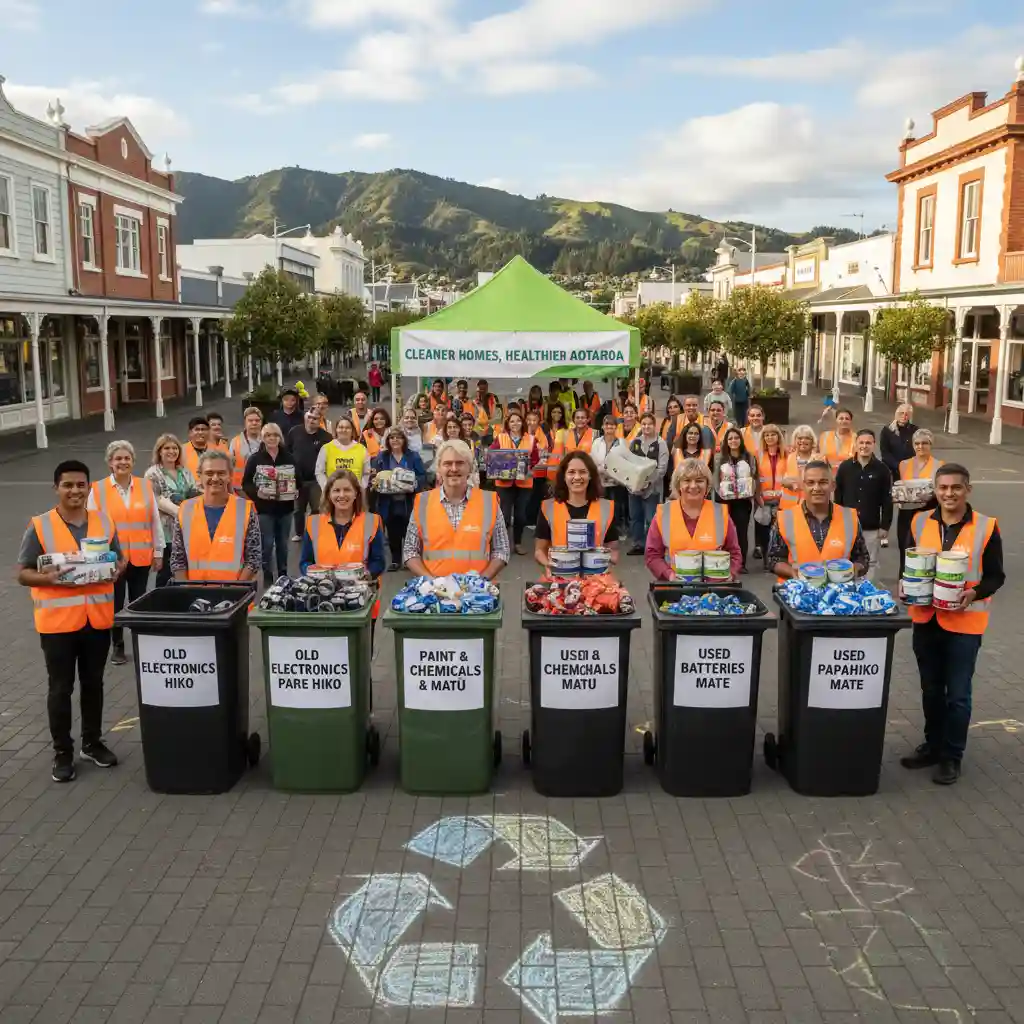
Convenience is key. Communities can advocate for or help establish permanent drop-off centres, periodic collection events (e.g., ‘Paint take-back days’), or partnerships with retailers for battery or e-waste recycling. Accessibility reduces the likelihood of illegal dumping.
3. Advocate for Local Solutions and Partnerships
Work with local government, businesses, and iwi to develop tailored solutions. This could involve lobbying for better council services, partnering with industrial waste specialists, or developing local reuse initiatives for certain materials.
4. Support Community Clean-up Initiatives
Participate in or organise local clean-up drives. These events not only remove hazardous waste from the environment but also build community spirit and raise awareness about the problem’s scale. Ensure proper safety protocols and disposal routes are in place for collected hazardous materials.
Government and Industry Support: A Collaborative Approach
While community action is vital, it must be supported by robust government policy and responsible industry practices. In New Zealand, the Waste Minimisation Act 2008 provides a framework, but ongoing collaboration is essential:
- Producer Responsibility Schemes: Holding manufacturers accountable for the end-of-life management of their products (e.g., tyres, batteries, e-waste).
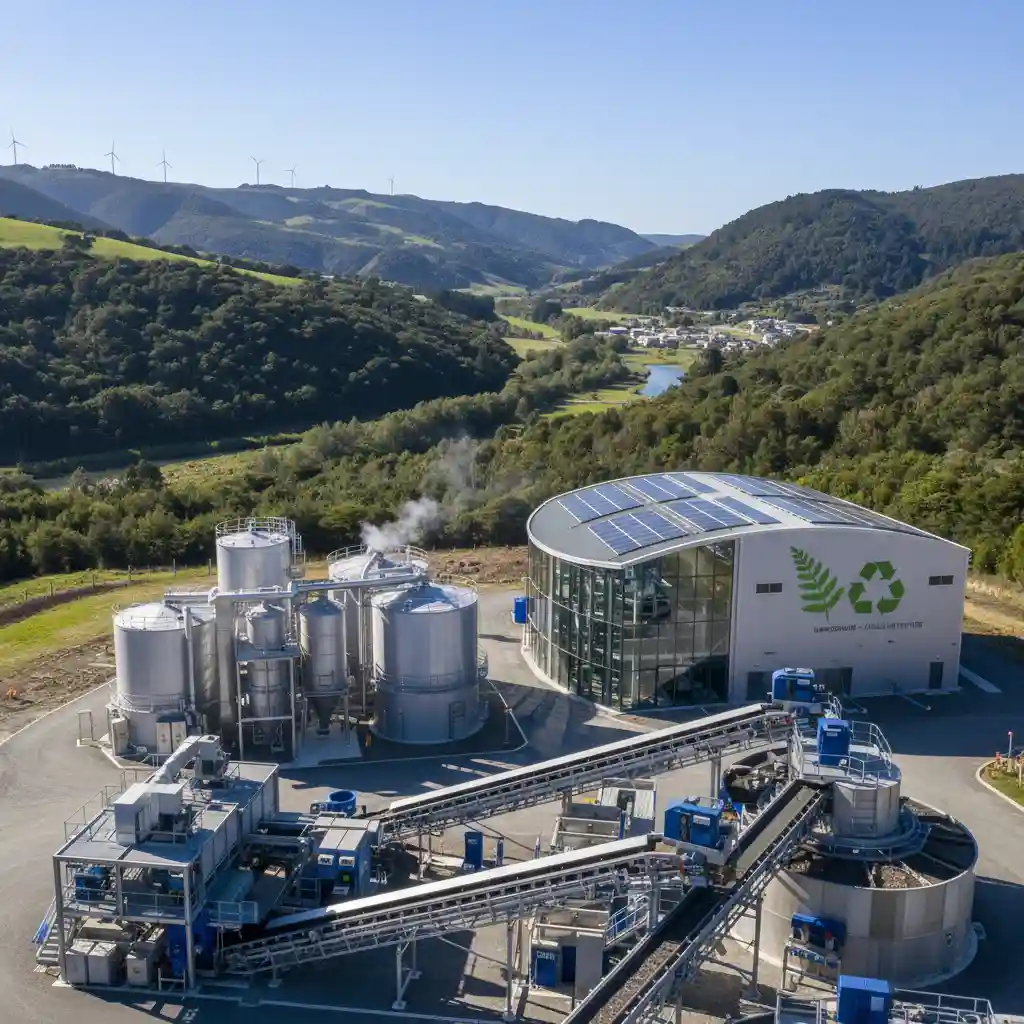
- Funding & Infrastructure: Government investment in accessible collection facilities and advanced processing technologies.
- Legislation & Enforcement: Clear regulations and effective enforcement to prevent illegal dumping and ensure compliance.
When government, industry, and communities work together, the impact is significantly amplified, creating a comprehensive and sustainable waste management ecosystem.

New Zealand Success Stories: Local Heroes Leading the Way
Across Aotearoa, inspiring initiatives are already demonstrating the power of empowering communities for sustainable hazardous waste disposal:
- Many councils now offer regular Household Hazardous Waste collection days, often free of charge, significantly reducing illegal dumping.
- Programmes like the e-waste recycling initiatives in partnership with retailers provide convenient drop-off points for old electronics, diverting toxic materials from landfills.
- Local community gardens and sustainability hubs frequently run workshops on composting, eco-friendly cleaning alternatives, and safe disposal routes for items like printer cartridges.
These examples showcase how a combination of public awareness, accessible infrastructure, and dedicated local efforts can make a tangible difference.
Conclusion: A Shared Path to a Sustainable Future
The journey towards truly sustainable hazardous waste disposal is ongoing, but the path is clear: it requires a holistic approach where every individual, community, business, and governmental body plays a part. By focusing on empowering communities for sustainable hazardous waste disposal, we not only protect our environment and health but also cultivate a stronger, more resilient Aotearoa.
Let’s continue to educate ourselves, advocate for better systems, and actively participate in creating a waste-wise nation. Together, we can ensure that New Zealand remains a beacon of environmental stewardship for generations to come.
Frequently Asked Questions
Q: What are common household hazardous wastes in New Zealand?
A: Common household hazardous wastes include old paints, solvents, cleaning chemicals, pesticides, automotive fluids (e.g., motor oil), batteries (especially lithium-ion), fluorescent light bulbs, and electronic waste (e-waste) like old phones and computers.
Q: Why is it important to dispose of hazardous waste separately?
A: Hazardous waste contains toxic chemicals that can contaminate soil, water, and air if disposed of in general landfills or poured down drains. This contamination poses serious risks to human health, wildlife, and ecosystems, and is costly to remediate.
Q: Where can I dispose of hazardous waste in New Zealand?
A: Disposal options vary by region. Most local councils offer dedicated Household Hazardous Waste collection events, permanent transfer station drop-off points, or provide information on local recycling facilities for specific items like batteries and e-waste. Check your local council’s website for specific details in your area.
Q: How can my community get involved in sustainable hazardous waste disposal?
A: Communities can get involved by organizing awareness campaigns, advocating for better local collection services, participating in or initiating clean-up drives, and partnering with local councils or businesses to establish recycling points. Education and collaboration are key.
Q: Are there any specific laws in New Zealand regarding hazardous waste?
A: Yes, the Waste Minimisation Act 2008 is New Zealand’s key legislation governing waste management, including hazardous waste. It promotes reducing, reusing, recycling, and recovering waste, and supports product stewardship schemes to hold producers responsible for their products’ end-of-life.
References/Sources
- Ministry for the Environment. (n.d.). Waste management and minimisation. Retrieved from environment.govt.nz
- Waste Minimisation Act 2008. (New Zealand Legislation). Retrieved from legislation.govt.nz
- Call2Recycle. (n.d.). Battery Recycling Facts. Retrieved from call2recycle.org
- Local Government New Zealand. (n.d.). Waste and Recycling Resources. Retrieved from lgnz.co.nz
- E-waste recycling initiatives in New Zealand. (n.d.). Retrieved from e-waste.co.nz