Empowering Communities: Choose Sustainable Seafood Wisely
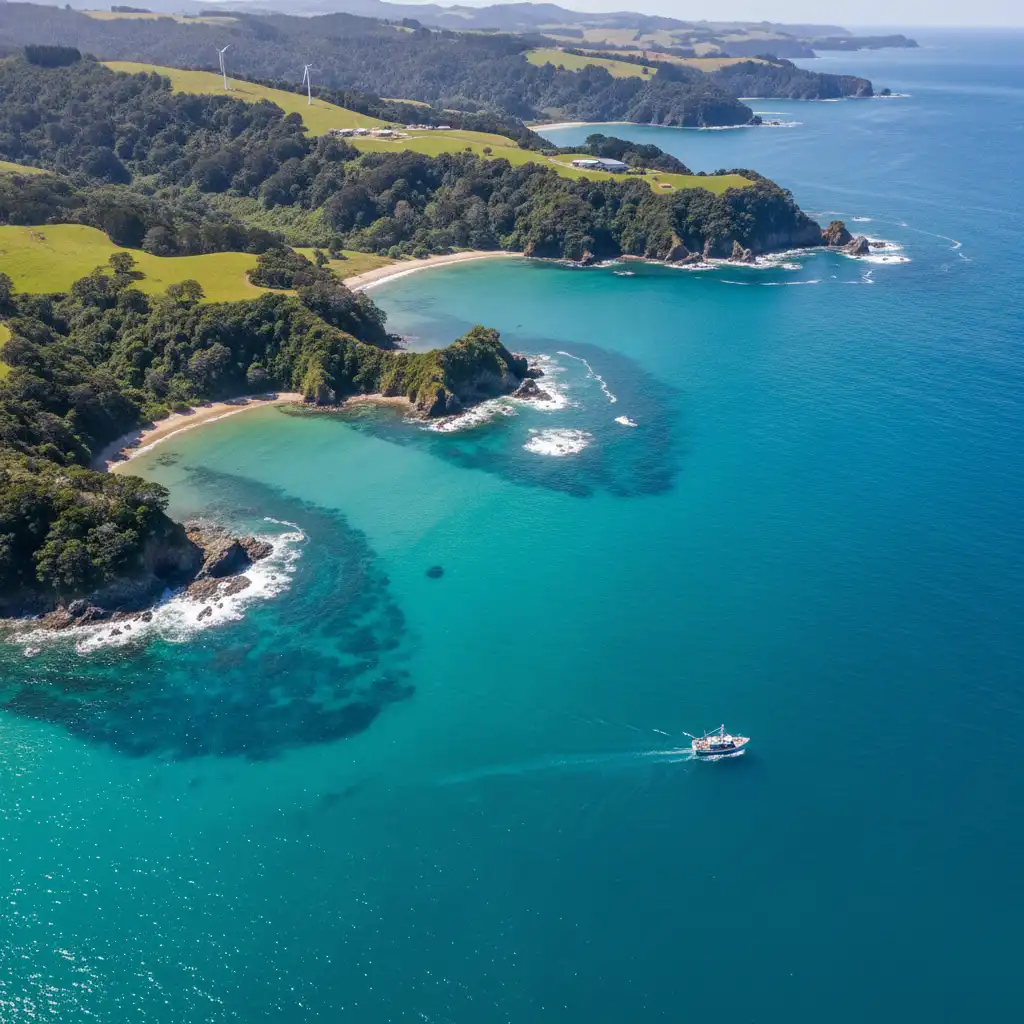
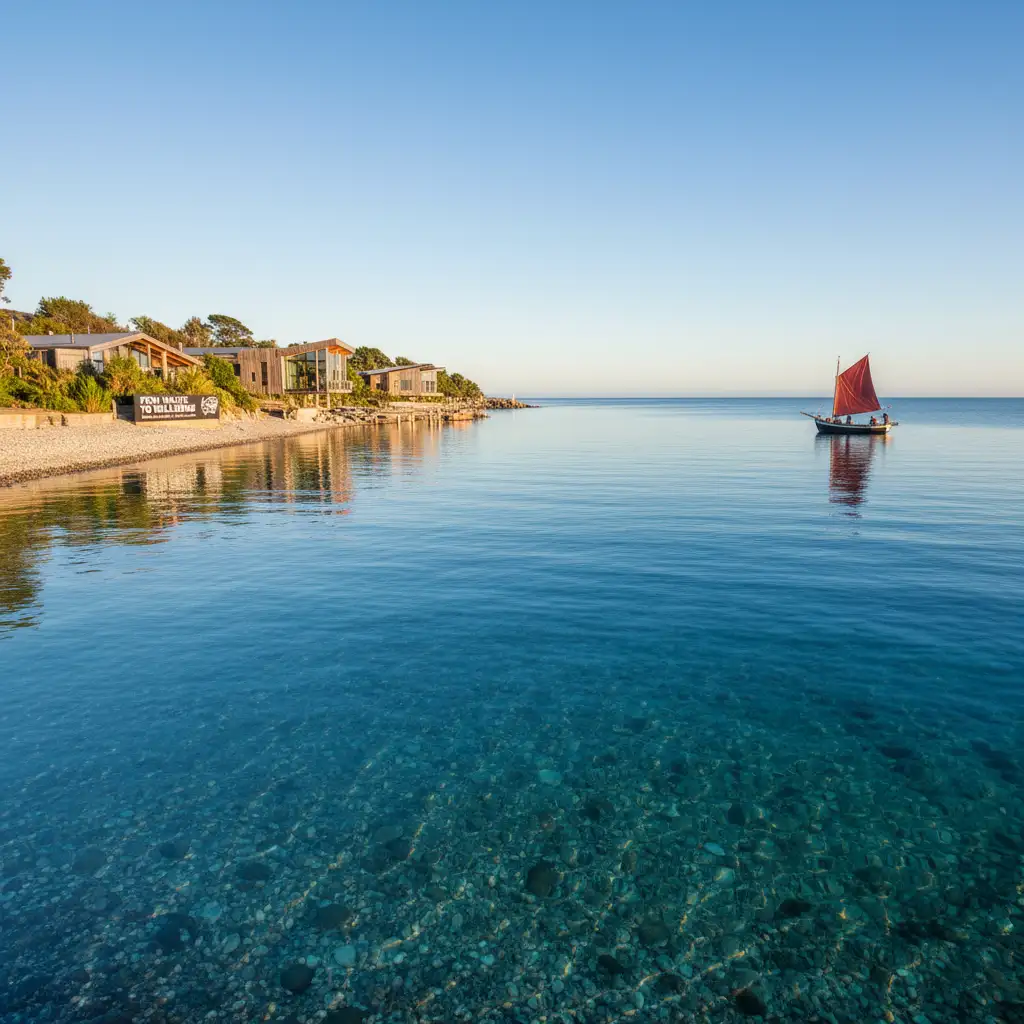
New Zealand, with its vast and vibrant coastlines, has a deep connection to the ocean. Seafood isn’t just a part of our diet; it’s woven into our cultural fabric, our economy, and our identity. However, the bounty of the sea is not limitless. As consumers, our choices have a profound impact on marine ecosystems, fishing communities, and the health of our planet for generations to come. This article explores how empowering communities to choose sustainable seafood wisely can drive positive change, protecting our precious marine resources and ensuring a resilient future for Aotearoa.
Moving beyond traditional waste management discussions, we delve into the everyday decisions that contribute to a truly sustainable lifestyle. Understanding where our seafood comes from and how it’s caught is a powerful step towards responsible consumption.
Table of Contents
- 1. Understanding Sustainable Seafood: A New Zealand Perspective
- 2. The Ripple Effect: Impacts of Unsustainable Practices
- 3. Empowering Your Plate: How to Choose Wisely
- 4. Beyond the Kitchen: Advocacy and Collective Action
- Conclusion: A Collective Future for Our Oceans
- Frequently Asked Questions (FAQ)
- References/Sources
1. Understanding Sustainable Seafood: A New Zealand Perspective
The concept of ‘sustainable seafood’ might seem complex, but at its heart, it’s about making sure that fishing and aquaculture practices don’t harm marine environments or deplete fish stocks for future generations. It’s a holistic approach that considers the health of fish populations, the impact on habitats, the welfare of other marine species, and the social and economic well-being of fishing communities.
What Exactly is Sustainable Seafood?
Sustainable seafood comes from sources that are managed in a way that allows populations to remain healthy and productive over time. This includes minimizing bycatch (unintended species caught), protecting marine habitats, and adhering to strict fishing quotas. For aquaculture (farmed seafood), it means minimizing pollution, preventing disease spread to wild populations, and using sustainable feed sources.
“Choosing sustainable seafood means supporting fisheries and aquaculture operations that are committed to the long-term health of our oceans and the communities that depend on them.”
Why New Zealand’s Waters Are Crucial
New Zealand boasts one of the largest Exclusive Economic Zones (EEZ) in the world, home to an incredible diversity of marine life. Our reputation for clean, green produce extends to our seafood, but constant vigilance and informed consumer choices are vital. Overfishing, habitat destruction, and climate change are global threats that also impact our unique marine ecosystems, making our collective actions here in Aotearoa profoundly important.
2. The Ripple Effect: Impacts of Unsustainable Practices
When we ignore the principles of sustainability, the consequences extend far beyond a single meal. The ripple effect can destabilize entire marine food webs, impact biodiversity, and threaten the livelihoods of coastal communities.
Environmental Degradation and Marine Ecosystems
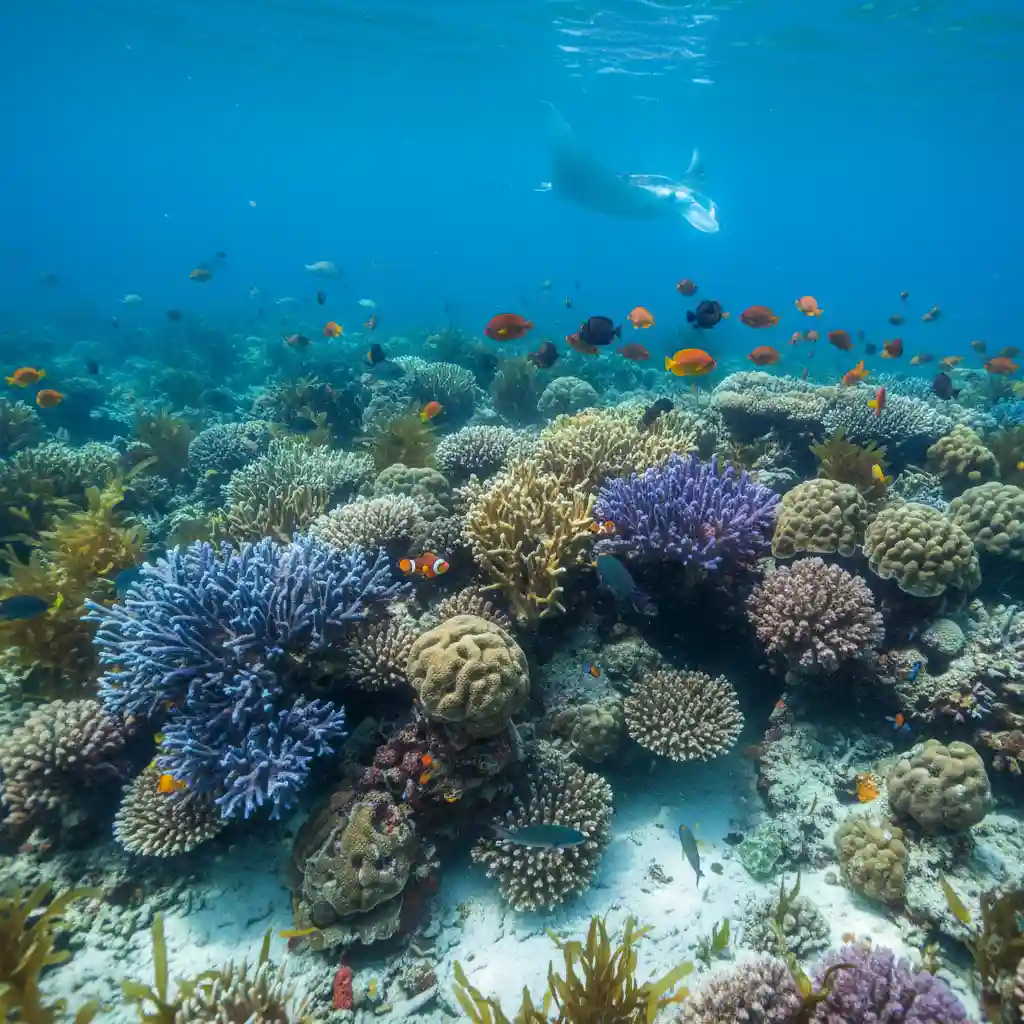
Unsustainable fishing methods, such as bottom trawling in sensitive areas, can devastate critical habitats like deep-sea corals. Overfishing of key species disrupts natural predator-prey balances, affecting everything from krill populations to large predatory sharks and marine mammals. These actions degrade the very ecosystems that provide us with food and vital services.
STAT CALLOUT: Globally, over 34% of fish stocks are overfished, meaning they are being harvested at unsustainable levels, endangering future supplies. (Source: FAO, 2022)
Socio-Economic Consequences for Coastal Communities
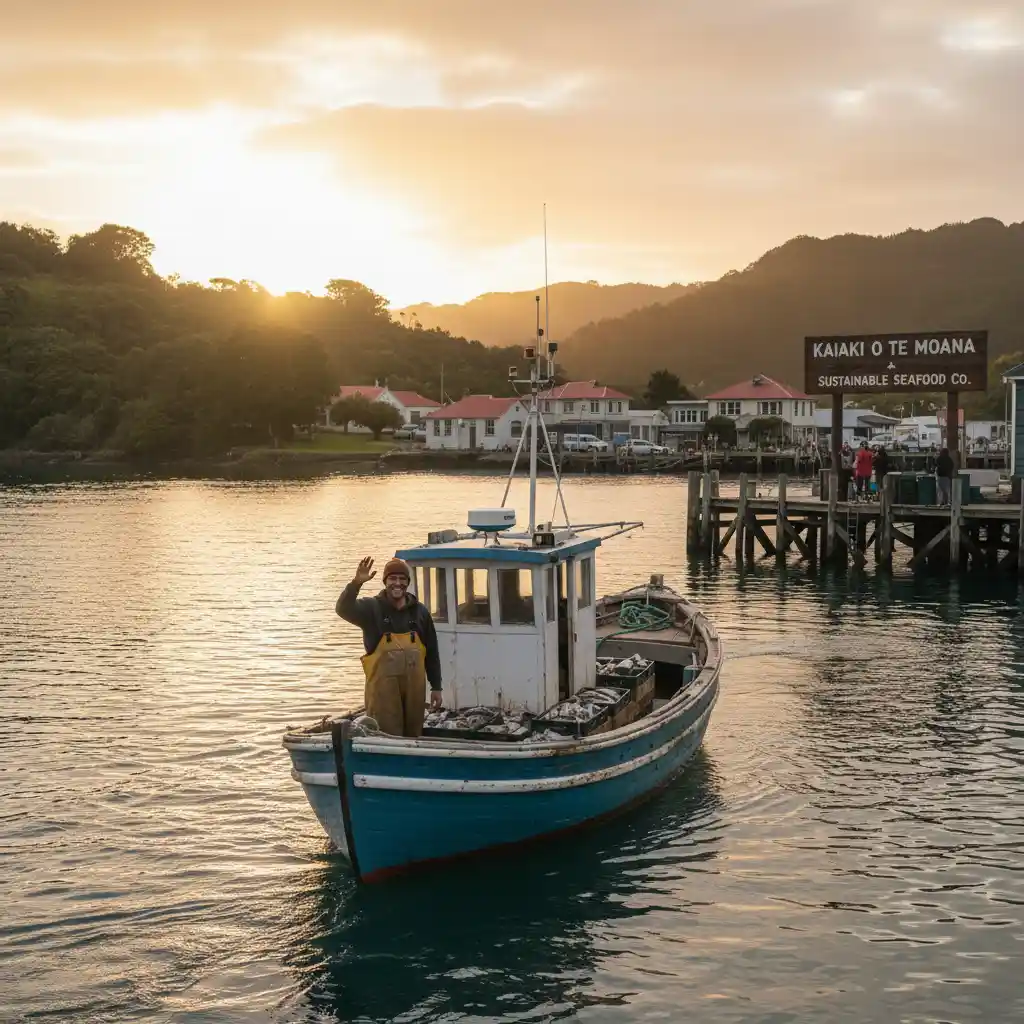
Many New Zealand coastal communities rely heavily on fishing for their economic stability and cultural heritage. Declining fish stocks due to unsustainable practices can lead to job losses, reduced income, and the erosion of traditional practices. By supporting sustainable fisheries, we help preserve these livelihoods and strengthen the social fabric of our coastal towns.
3. Empowering Your Plate: How to Choose Wisely
Making sustainable seafood choices doesn’t have to be daunting. With a little knowledge, you can become an informed consumer, making a positive impact with every purchase.
Key Indicators for Sustainable Choices
When you’re at the fish counter or choosing from a menu, consider these factors:
- Species: Some species are naturally more resilient to fishing pressure than others. Look for species with healthy populations.
- Catch Method: Methods like line-caught or hand-gathered often have lower environmental impact than large-scale trawling.
- Origin: Local seafood often means reduced carbon footprint from transportation. Know where your seafood comes from.
- Farm vs. Wild: Evaluate both, as responsibly farmed seafood can ease pressure on wild stocks, but poorly managed farms can cause other issues.
Certifications and Guides: Your Trusted Allies
Fortunately, several organizations provide easy-to-understand guides and certifications to help you make informed decisions.
- Marine Stewardship Council (MSC): The blue MSC label indicates wild-caught seafood from a sustainable fishery.
- Aquaculture Stewardship Council (ASC): The ASC label certifies responsibly farmed seafood.
- Local Seafood Guides: Organizations like Forest & Bird in New Zealand often provide ‘Best Fish Guide’ resources specific to our region.
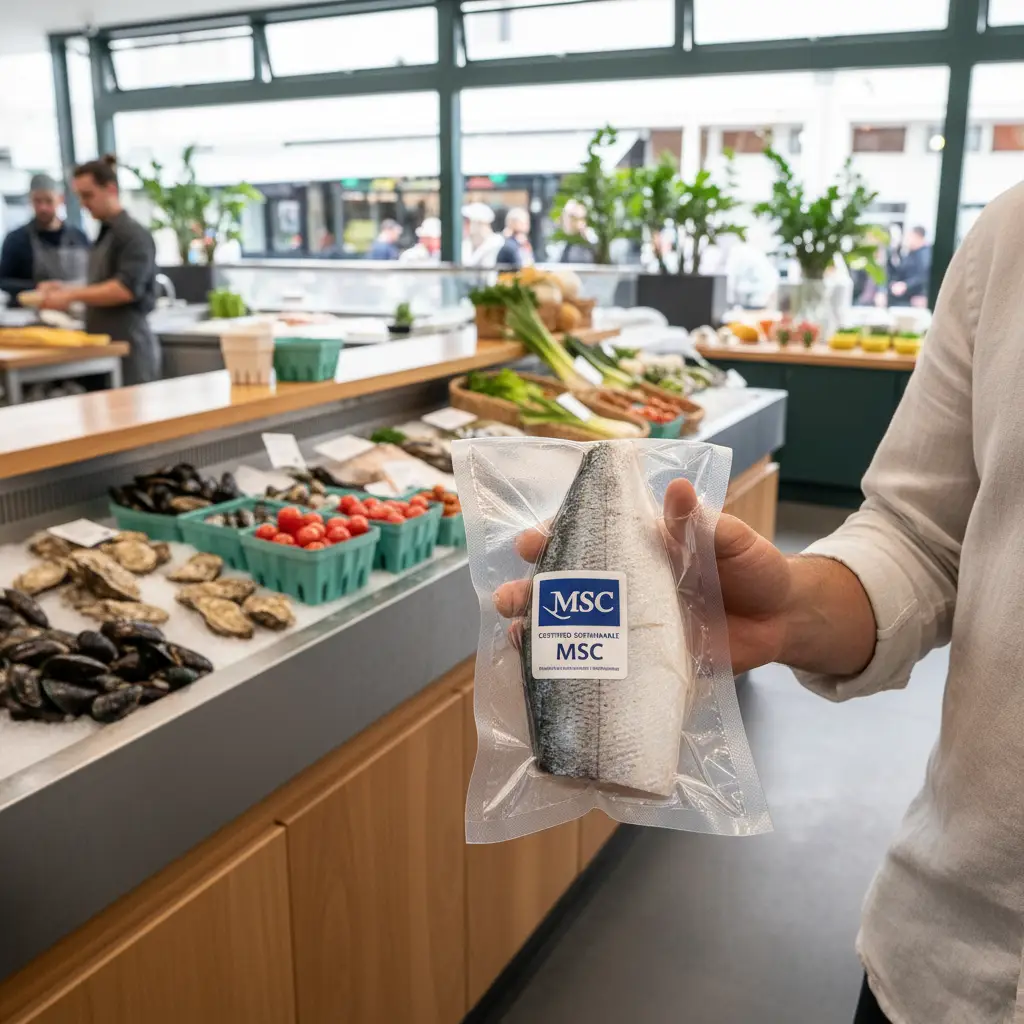
Embracing Local and Seasonal Options
Just like produce, seafood has seasons. Choosing locally caught, in-season species not only supports local fishermen but often means fresher, higher-quality seafood with a lower environmental footprint. Ask your fishmonger what’s fresh and local.
ACTION CHECKLIST: Before you buy, consider these steps to choose wisely:
- Check for Labels: Look for MSC or ASC certification.
- Ask Questions: Inquire about the species, where it was caught, and how.
- Consult Guides: Use online seafood guides for New Zealand species.
- Support Local: Buy directly from local fishermen or reputable fishmongers.
- Experiment: Try lesser-known, abundant species to reduce pressure on popular ones.
4. Beyond the Kitchen: Advocacy and Collective Action
Individual choices are powerful, but collective action amplifies that power. Empowering communities to choose sustainable seafood wisely also means fostering a culture of advocacy and education.
Supporting Responsible Fisheries and Policy
Engage with organizations working to improve fisheries management in New Zealand. Support policies that protect marine reserves, combat illegal fishing, and promote science-based quotas. Your voice, combined with others, can influence government and industry decisions towards more sustainable practices.
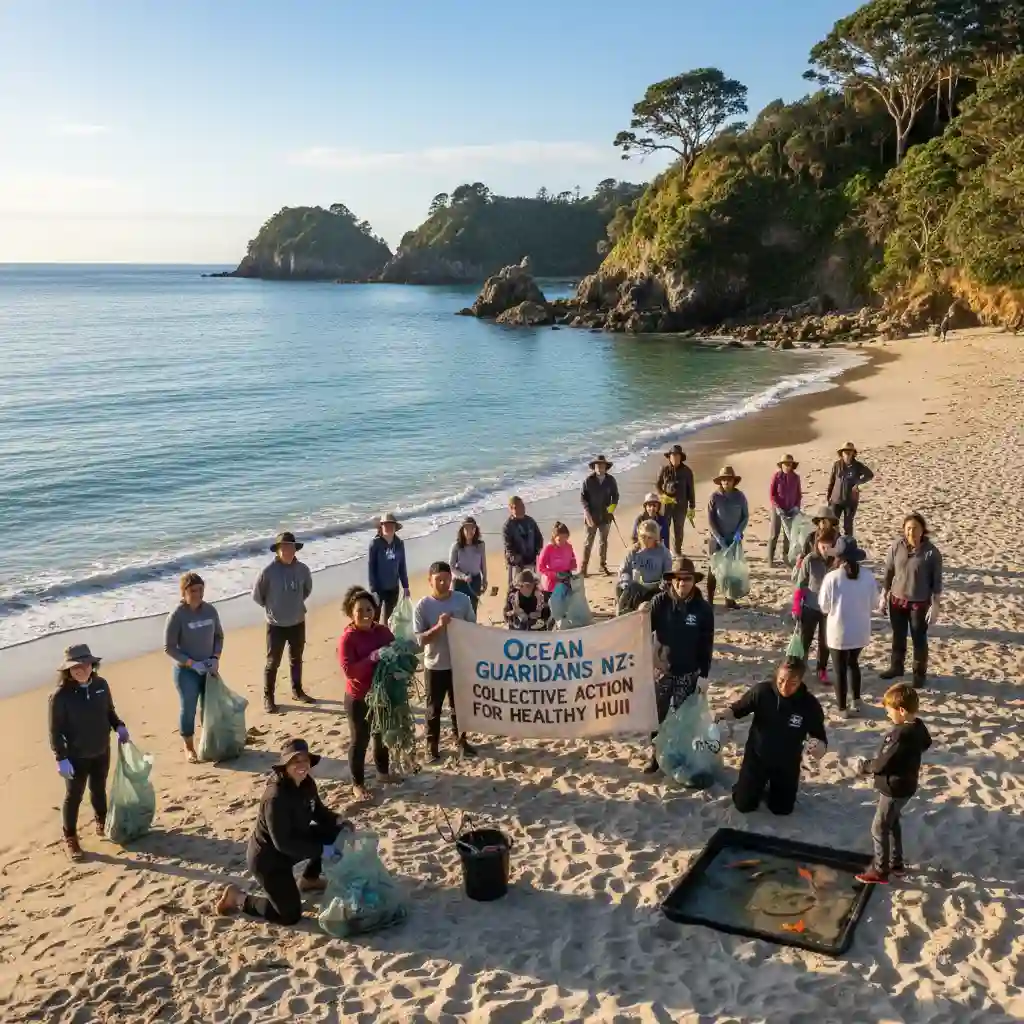
Educate and Inspire Others
Share your knowledge with friends, family, and local restaurants. The more people who understand the importance of sustainable seafood, the greater the demand for responsibly sourced options, which in turn encourages suppliers to meet that demand. Every conversation contributes to a more informed and empowered community.
Conclusion: A Collective Future for Our Oceans
Our journey towards a sustainable lifestyle in New Zealand is multifaceted, and choosing sustainable seafood is a crucial piece of the puzzle. By making informed decisions, supporting responsible practices, and advocating for healthier oceans, we collectively ensure that our marine ecosystems thrive and that future generations can also enjoy the rich bounty of the sea. Empowering communities to choose sustainable seafood wisely isn’t just about what’s on our plate; it’s about safeguarding a vital part of our natural heritage and our future.
Frequently Asked Questions (FAQ)
Q1: What does ‘sustainable seafood’ truly mean for New Zealand consumers?
For New Zealand consumers, sustainable seafood means choosing fish and shellfish that have been caught or farmed with minimal harm to marine ecosystems and without depleting fish populations. It also considers the social and economic well-being of local fishing communities. It’s about ensuring our ocean’s bounty can be enjoyed for generations to come.
Q2: How can I identify sustainable seafood when shopping in New Zealand?
Look for certifications like the blue Marine Stewardship Council (MSC) label for wild-caught fish or the Aquaculture Stewardship Council (ASC) label for farmed seafood. You can also consult local guides such as Forest & Bird’s Best Fish Guide, which provides specific recommendations for New Zealand species. Don’t hesitate to ask your fishmonger about the catch method and origin.
Q3: Is farmed fish always a more sustainable choice than wild-caught fish?
Not necessarily. While responsibly farmed fish can alleviate pressure on wild stocks, poorly managed aquaculture can lead to issues like pollution, disease spread, and unsustainable feed use. Look for farmed seafood with the ASC certification or research the specific farm’s practices to ensure it meets high environmental standards. Both wild-caught and farmed seafood can be sustainable or unsustainable depending on their management.
Q4: What role do New Zealand communities play in promoting sustainable seafood?
Communities play a vital role through their collective purchasing power, advocating for better policies, supporting local sustainable fishermen, and educating others. By choosing sustainable options, communities create demand that incentivizes the industry to adopt more responsible practices, ultimately protecting our precious marine resources and livelihoods.
Q5: Where can I find reliable information or guides on sustainable seafood in New Zealand?
Excellent resources include the Forest & Bird Best Fish Guide, the Marine Stewardship Council (MSC) website, the Aquaculture Stewardship Council (ASC) website, and the Ministry for Primary Industries (MPI) New Zealand’s information on sustainable fisheries. Many local conservation groups also offer valuable insights and regional recommendations.
References/Sources
- Ministry for Primary Industries (MPI) New Zealand. (Current Year). Sustainable Fisheries Management in New Zealand. [Online] Available at: mpi.govt.nz/sustainable-fisheries
- Forest & Bird. (Current Year). Best Fish Guide Aotearoa. [Online] Available at: forestandbird.org.nz/bestfishguide
- Marine Stewardship Council (MSC). (Current Year). Sustainable Fishing and MSC Certification. [Online] Available at: msc.org
- Food and Agriculture Organization of the United Nations (FAO). (2022). The State of World Fisheries and Aquaculture 2022. Rome: FAO.
- Aquaculture Stewardship Council (ASC). (Current Year). Responsible Aquaculture Practices. [Online] Available at: asc-aqua.org