Emerging Careers in Renewable Energy: Future Job Trends
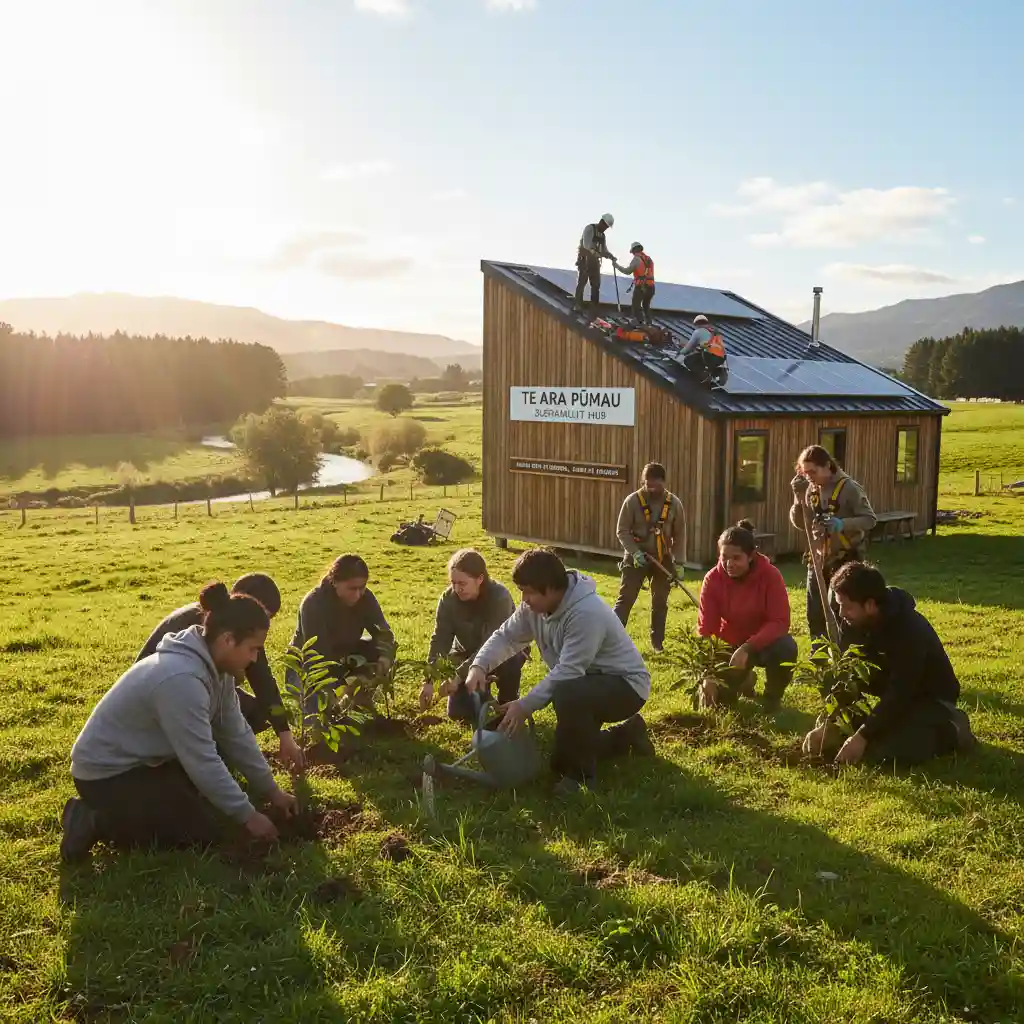
The global shift towards sustainability is not just about protecting our planet; it’s also creating a vibrant new landscape of professional opportunities. As New Zealand and the world embrace cleaner energy sources, a dynamic array of emerging careers in renewable energy is taking shape, promising fulfilling roles for those ready to innovate and lead. This isn’t just a trend; it’s a fundamental transformation of our workforce.
From technical roles on the ground to strategic positions shaping policy, the future of work is undeniably green. Let’s delve into the future job trends driving this exciting sector and explore how you can be part of New Zealand’s sustainable journey.
The Global Shift: Why Renewable Energy Matters
The transition away from fossil fuels is accelerating worldwide, driven by urgent climate action, technological advancements, and economic opportunities. This paradigm shift directly impacts the job market, creating a boom in sectors dedicated to clean energy generation, distribution, and efficiency.
New Zealand, with its abundant natural resources – wind, sun, geothermal, and hydro – is uniquely positioned to be a leader in this transition. The commitment to a low-carbon future is not just an environmental imperative; it’s a strategic economic move that fosters innovation and creates a wealth of emerging careers in renewable energy.
Driving Forces Behind Green Job Growth
Several factors underpin the rapid expansion of green jobs:
- Climate Change Imperative: Global agreements and national targets push for decarbonization.
- Technological Innovation: Advancements make renewable energy more efficient and cost-effective.
- Energy Security: Reducing reliance on volatile global fossil fuel markets.
- Economic Stimulus: Investment in green infrastructure creates jobs and boosts local economies.
- Consumer Demand: Growing public awareness and preference for sustainable products and services.
Key Emerging Career Paths in Renewable Energy
The renewable energy sector offers a diverse range of roles, from highly technical engineering positions to community engagement and policy development. Here are some of the most prominent emerging careers in renewable energy you’ll see growing in demand:
Solar Energy: Powering a Brighter Future
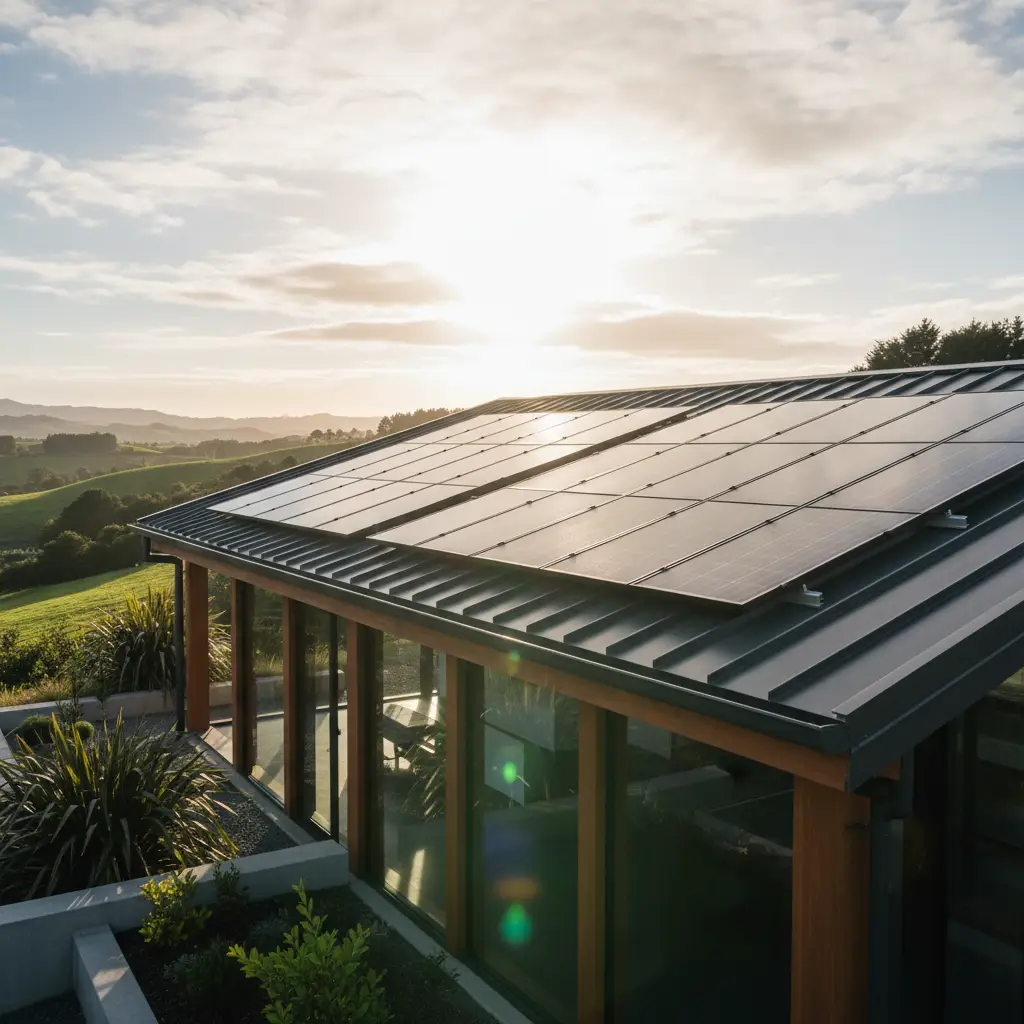
Solar power continues its impressive growth trajectory. Careers here include:
- Solar Photovoltaic (PV) Installers: Responsible for assembling and maintaining solar panel systems.
- Solar Engineers: Designing, optimising, and developing solar technologies and large-scale projects.
- Solar Sales & Project Managers: Guiding clients through the process, from design to installation.
Wind Energy: Harnessing Nature’s Force
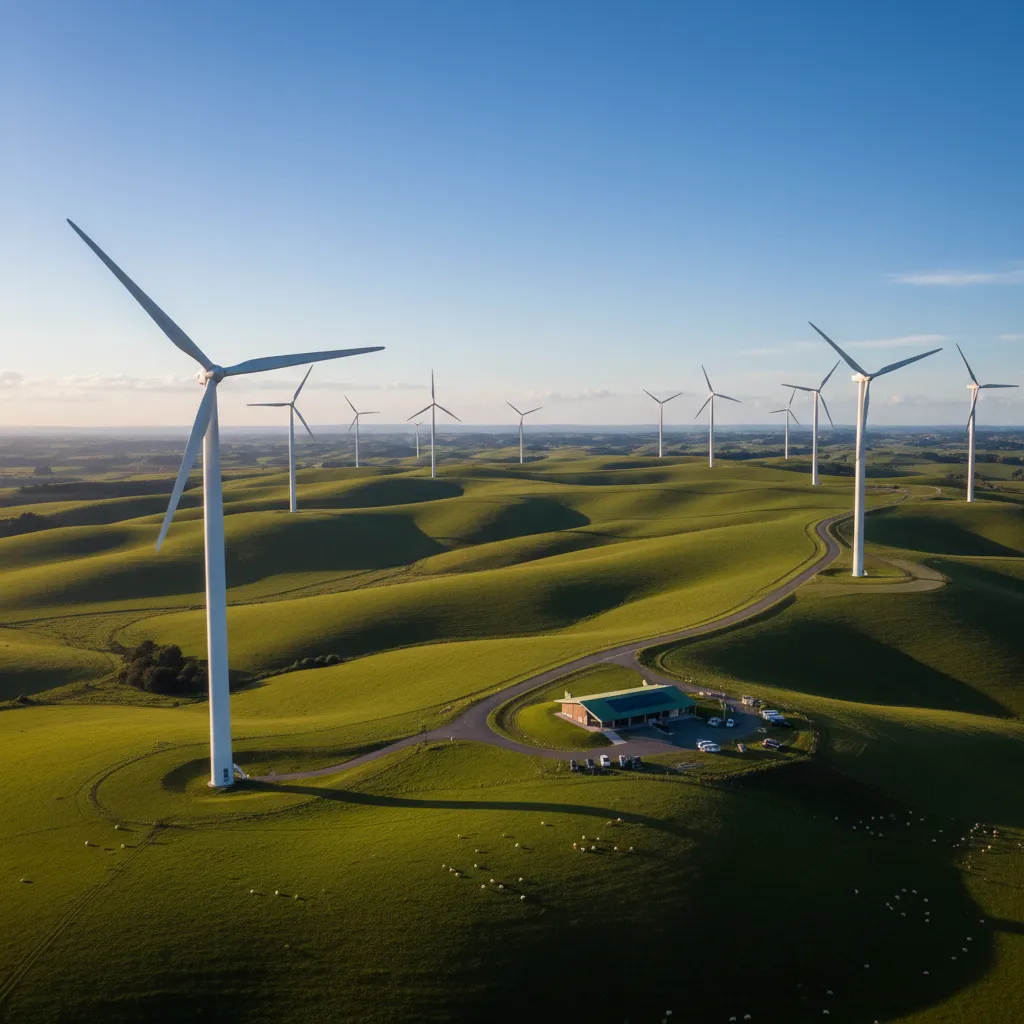
Wind energy is a cornerstone of New Zealand’s renewable profile. Roles here are diverse:
- Wind Turbine Technicians: Maintaining, inspecting, and repairing wind turbines.
- Wind Farm Developers & Project Managers: Overseeing the entire lifecycle of wind farm projects, from site selection to operation.
- Aerodynamic Engineers: Innovating turbine design for maximum efficiency.
Geothermal & Hydroelectric: Tapping Earth’s Core & Water
New Zealand’s unique geology makes these sectors particularly significant:
- Geothermal Drillers & Engineers: Extracting and managing geothermal resources.
- Hydropower Plant Operators & Technicians: Overseeing the operation and maintenance of hydroelectric facilities.
- Environmental Scientists: Assessing and mitigating the environmental impact of these large-scale projects.
Energy Storage & Grid Modernisation: The Backbone of Renewables
Intermittent renewable sources require robust storage and a smart grid. This is a rapidly expanding field:
- Battery Storage Engineers: Developing and implementing advanced battery technologies.
- Grid Modernisation Specialists: Designing and managing smart grids that efficiently integrate diverse energy sources.
- Data Scientists & AI Specialists: Optimising energy flow and predicting demand.
Green Building & Sustainable Design: Eco-Conscious Construction
Beyond energy generation, efficiency in construction is key:
- Sustainable Architects & Designers: Creating energy-efficient, environmentally friendly buildings.
- Green Building Consultants: Advising on sustainable materials, practices, and certifications.
- HVAC Engineers (Energy Efficiency): Designing heating, ventilation, and air conditioning systems that minimise energy consumption.
Policy, Finance, and Consulting: Shaping the Green Economy
The transition also requires strategic leadership and financial acumen:
- Environmental Policy Analysts: Developing and implementing regulations to support renewable energy.
- Green Finance Specialists: Funding sustainable projects through investment, grants, and carbon credits.
- Sustainability Consultants: Guiding businesses and organisations in their transition to sustainable practices.
“The shift to a green economy is not just about technology; it’s about people, skills, and innovative thinking. Every sector will be touched by this transformation.”
Essential Skills for Renewable Energy Professionals
While technical expertise is crucial, a broader skill set will make you invaluable:
- Problem-Solving & Critical Thinking: Addressing complex challenges in new energy systems.
- Adaptability & Lifelong Learning: The sector is rapidly evolving, requiring continuous skill development.
- Interdisciplinary Collaboration: Working across engineering, environmental science, policy, and business.
- Digital Literacy: Proficiency in data analytics, AI, and smart grid technologies.
- Communication & Project Management: Essential for leading and executing complex projects.
Education & Training Pathways in New Zealand
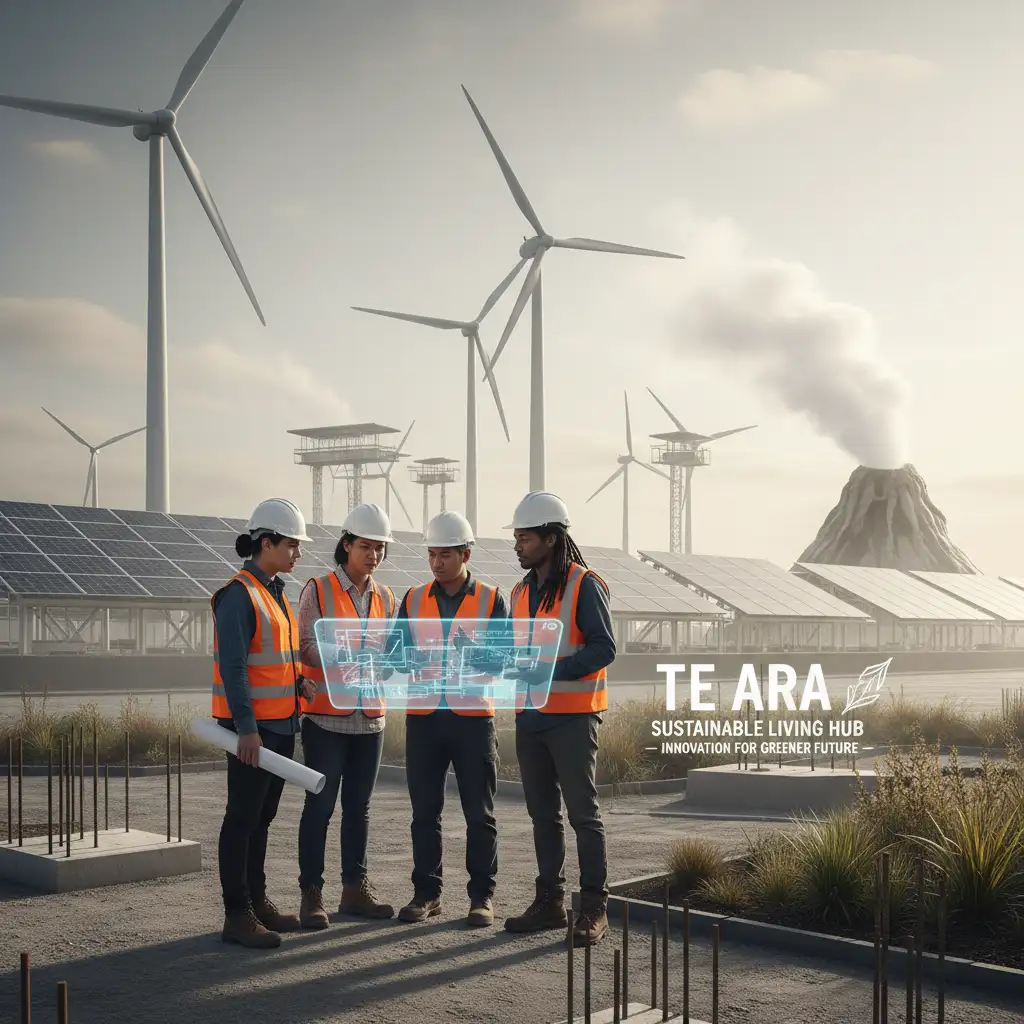
New Zealand institutions are increasingly offering tailored programmes for the green economy:
- Vocational Training: Polytechnics offer diplomas and certificates in areas like electrical engineering (with a renewable focus), wind turbine technology, and sustainable building.
- University Degrees: Bachelor’s and Master’s programmes in renewable energy engineering, environmental science, sustainable development, and green technology are available.
- Apprenticeships & Internships: Gaining hands-on experience with existing renewable energy companies is invaluable.
- Upskilling & Reskilling: Many existing professionals are transitioning by acquiring new certifications and specialised training in renewable technologies.
The New Zealand Advantage: Local Opportunities
New Zealand’s commitment to 100% renewable electricity by 2030 (target) and a net-zero economy by 2050 creates a fertile ground for green job growth. Government initiatives, private sector investment, and a strong culture of sustainability mean that emerging careers in renewable energy are not just future trends but present opportunities.
From large-scale national projects to innovative local solutions, a career in renewable energy in Aotearoa means contributing directly to a cleaner, more resilient future for the country and its communities. It’s an opportunity to apply your skills where they truly make a difference.

FAQs about Renewable Energy Careers
What are the highest-demand jobs in renewable energy right now?
Currently, high-demand roles include Wind Turbine Technicians, Solar PV Installers, Electrical Engineers with renewable energy expertise, and Battery Storage Engineers. As the sector matures, roles in grid modernisation, data analytics for energy optimisation, and green finance are rapidly gaining prominence.
Do I need an engineering degree to work in renewable energy?
Not necessarily! While engineering degrees are crucial for many roles, there are also significant opportunities for those with vocational training (e.g., electrical, mechanical trades), environmental science backgrounds, project management skills, business and finance expertise, and even communications and policy development. The sector is incredibly diverse.
What is the job outlook for renewable energy careers in New Zealand?
The job outlook is very strong. New Zealand’s ambitious renewable energy targets and ongoing investment in sustainable infrastructure mean continuous growth in job opportunities across various sub-sectors. Both large-scale projects and smaller, community-based initiatives contribute to this positive outlook for emerging careers in renewable energy.
How can I transition into a renewable energy career if I’m already established in another field?
Consider upskilling through specialised courses, certifications, or even postgraduate diplomas in renewable energy. Many skills are transferable; for example, a project manager in construction can pivot to managing green building projects, or an IT professional can move into smart grid data analytics. Networking within the green sector is also key.
References/Sources
- International Renewable Energy Agency (IRENA). (2023). Renewable Energy and Jobs: Annual Review 2023. Retrieved from www.irena.org
- Ministry for the Environment (MfE) New Zealand. (2022). Aotearoa New Zealand’s first emissions reduction plan. Retrieved from environment.govt.nz
- Careers New Zealand. (2023). Job trends in the Green Economy. Retrieved from www.careers.govt.nz
- World Economic Forum. (2023). Future of Jobs Report 2023. Retrieved from www.weforum.org