Embracing Sustainable Living: New Zealand’s Green Future
Aotearoa, New Zealand, is renowned globally for its breathtaking natural beauty and deep connection to the environment. As a nation, we stand at a pivotal moment, shifting from traditional waste management and legislation to a more holistic, consumer-centric approach to sustainability. This article explores how individuals and communities can actively participate in embracing sustainable living, paving the way for New Zealand’s green future.
Join us as we dive into practical steps, innovative solutions, and the collective spirit that will define our journey towards a truly sustainable Aotearoa.
The Vision for a Green New Zealand
New Zealand’s commitment to environmental stewardship, often guided by Māori principles of kaitiakitanga (guardianship), is deeply ingrained in our national identity. The shift towards a sustainable lifestyle is not just an environmental imperative but an economic opportunity and a social responsibility. It’s about creating a resilient society that thrives within planetary boundaries.
“Embracing sustainable living means consciously choosing practices and products that minimise our environmental footprint while enhancing our well-being and supporting our communities.”

This journey involves re-evaluating our daily choices, from how we consume resources to how we travel and power our homes. The goal is to integrate sustainable practices seamlessly into everyday life, making them accessible and attractive for all New Zealanders.
Pillars of Sustainable Living in Aotearoa
Embracing sustainable living encompasses several key areas, each offering significant opportunities for positive impact.
Sustainable Consumption & Waste Reduction
Minimising waste is fundamental to a greener lifestyle. This goes beyond recycling to reducing consumption, reusing items, and composting organic waste. New Zealand’s waste problem is significant, but individual actions compound into collective change.
Stat Callout:
New Zealanders send approximately 750kg of waste to landfill per person annually. A significant portion of this is organic waste, which could be composted or diverted, reducing methane emissions. (Source: Ministry for the Environment)
Eco-friendly Transportation
Our transport choices have a considerable carbon footprint. Opting for public transport, cycling, walking, or electric vehicles (EVs) significantly reduces emissions and contributes to cleaner air and healthier communities.
Green Homes & Energy Efficiency
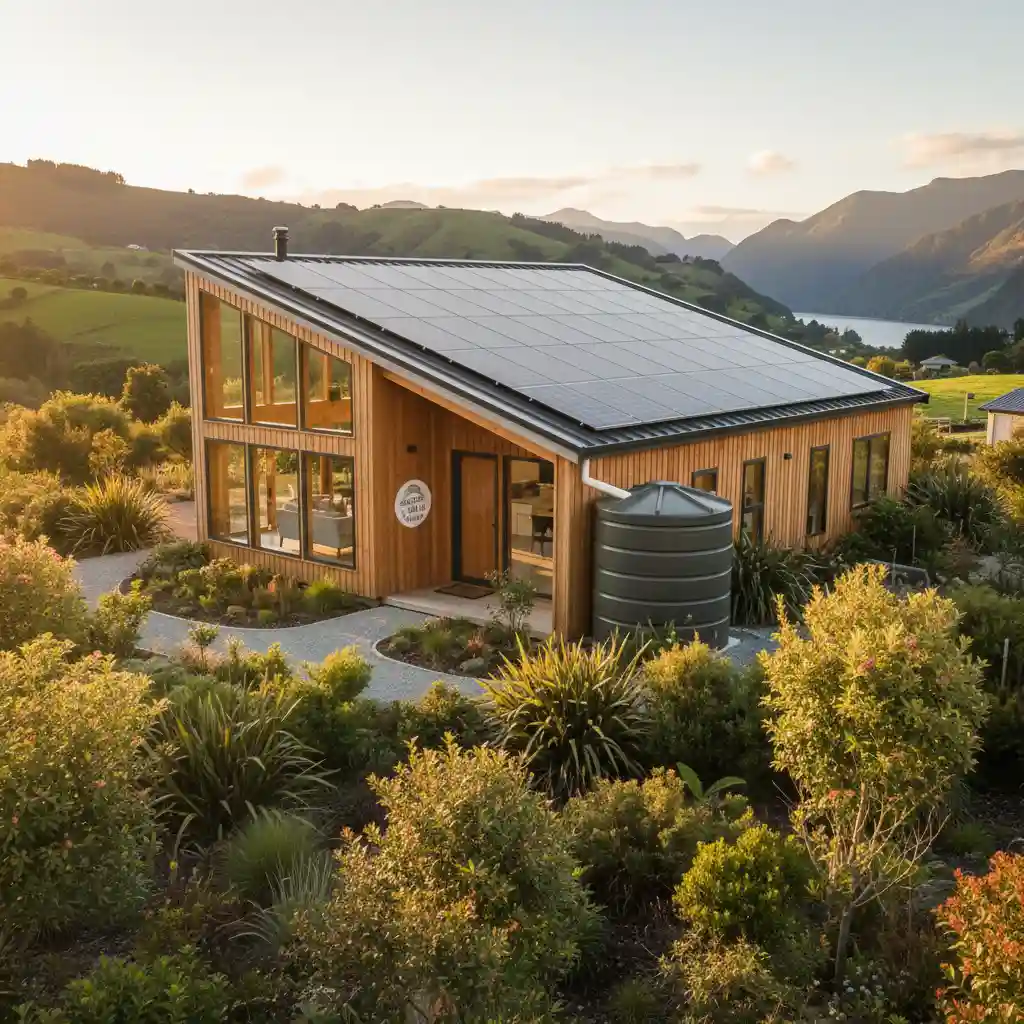
Making our homes more energy-efficient, using renewable energy, and conserving water are vital components of New Zealand’s green future. Simple changes can lead to substantial reductions in household emissions and utility bills.
Stat Callout:
Residential energy use accounts for a significant portion of New Zealand’s electricity demand. Switching to efficient appliances and better insulation can reduce household energy consumption by up to 30%. (Source: EECA)
Supporting Local & Ethical Businesses
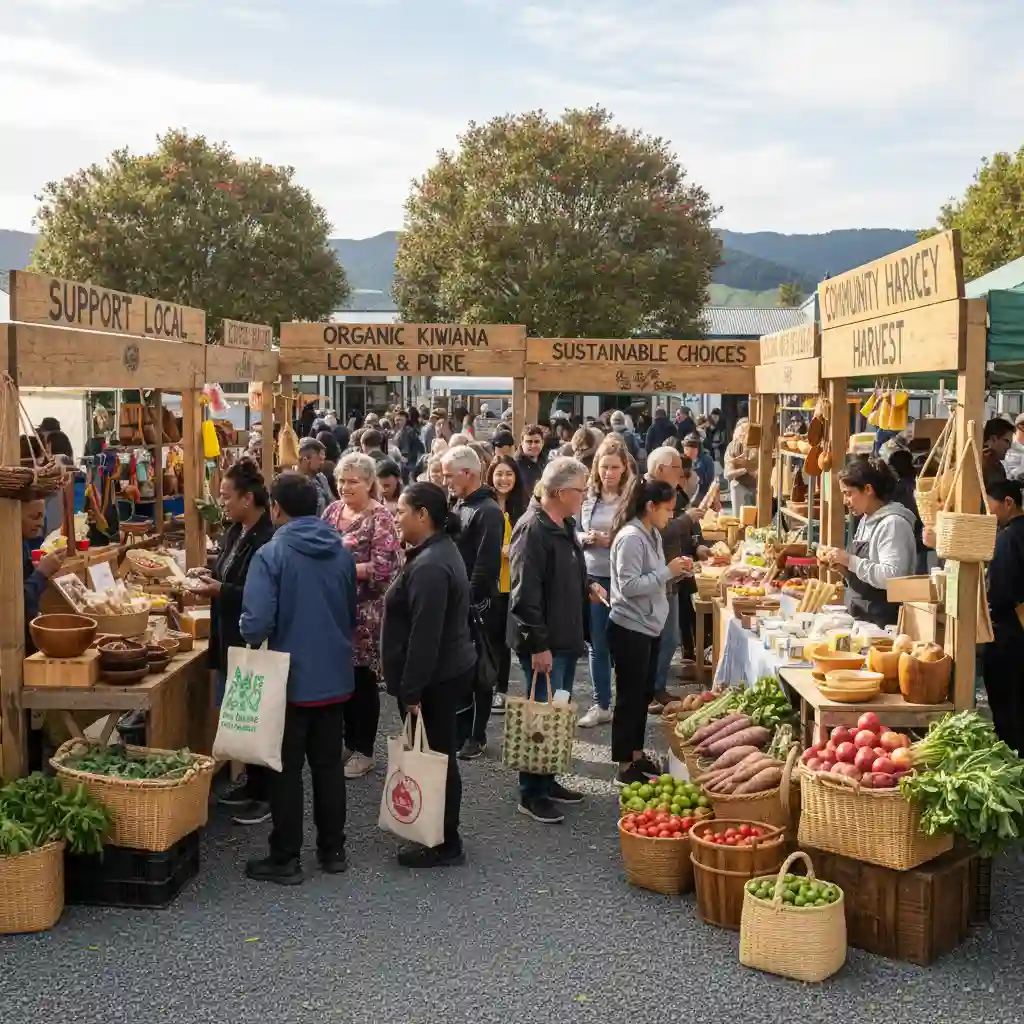
Choosing locally produced goods and services, especially those with strong ethical and environmental credentials, strengthens our economy and reduces the carbon footprint associated with long supply chains.
Practical Steps for Embracing Sustainable Living
Ready to make a difference? Here are actionable steps you can take today to contribute to New Zealand’s green future.
1. Reduce, Reuse, Recycle Smarter
- Buy Less: Before purchasing, consider if you truly need an item. Opt for quality over quantity.
- Choose Reusables: Invest in reusable coffee cups, water bottles, shopping bags, and food containers.
- Compost: Set up a home composting system for food scraps and garden waste.
- Know Your Recycling: Understand what can and cannot be recycled in your local area to avoid contamination.
2. Choose Sustainable Transport
- Walk or Cycle: For short distances, walking or cycling is often the quickest and greenest option.
- Use Public Transport: Utilise buses, trains, and ferries to reduce single-occupancy car trips.
- Carpool: Share rides with colleagues or friends.
- Consider EVs: If purchasing a vehicle, explore electric or hybrid options.
3. Make Your Home Energy Efficient
- Insulate: Ensure your home is well-insulated to retain heat in winter and keep cool in summer.
- Efficient Appliances: Choose appliances with high energy star ratings.
- Switch to LED: Replace old light bulbs with energy-efficient LED alternatives.
- Conserve Water: Fix leaks, take shorter showers, and consider water-saving fixtures.
4. Embrace Mindful Consumption
- Support Local: Buy from local farmers, artisans, and businesses.
- Ethical Choices: Research brands to ensure they align with your values regarding labor and environmental practices.
- Reduce Food Waste: Plan meals, store food properly, and use leftovers creatively.
- Repair Not Replace: Extend the life of your belongings by repairing them instead of buying new.
Stat Callout:
Approximately one-third of all food produced globally is lost or wasted, contributing significantly to greenhouse gas emissions. Reducing food waste at home is a powerful act of sustainable living. (Source: FAO)
The Collective Impact
While individual actions are crucial, the true power of embracing sustainable living lies in our collective effort. As more New Zealanders adopt these practices, the ripple effect grows, influencing policy, industry, and infrastructure. This grassroots movement is essential for building New Zealand’s green future, fostering resilient communities and a healthier environment for generations to come.

Our transition is an ongoing conversation, involving innovation, education, and unwavering commitment. Every choice, big or small, contributes to the vibrant tapestry of a sustainable Aotearoa.
Conclusion
Embracing sustainable living is more than a trend; it’s a necessary evolution for New Zealand. By making conscious choices in our consumption, transportation, and home management, we can collectively steer Aotearoa towards a truly prosperous and green future. Let’s work together to protect our unique environment and build a legacy of sustainability for all.
Frequently Asked Questions
- What does ‘sustainable living’ mean for New Zealanders?
- Sustainable living for New Zealanders means adopting practices that reduce our environmental impact, preserve Aotearoa’s natural beauty, and support local, ethical communities. It involves making conscious choices in consumption, waste, energy, and transport to ensure a healthy planet for future generations.
- How can I start reducing my waste at home?
- Start by focusing on the ‘Reduce’ and ‘Reuse’ principles before recycling. This includes buying less, choosing reusable alternatives for single-use items (e.g., coffee cups, water bottles), composting food scraps, and understanding your local recycling guidelines to avoid contamination.
- Is it expensive to live sustainably in New Zealand?
- While some initial investments (like solar panels or an EV) can be higher, many sustainable practices save money in the long run. Reducing consumption, improving home energy efficiency, growing your own food, and using public transport often lead to lower utility bills and living costs over time.
- What is kaitiakitanga and how does it relate to sustainable living?
- Kaitiakitanga is a Māori term meaning guardianship, protection, and stewardship of the natural world. It embodies the deep respect and responsibility Māori have for the land, sea, and natural resources. In the context of sustainable living, it guides New Zealanders to act as guardians of the environment, making decisions that ensure its health and vitality for future generations.
- How does supporting local businesses contribute to a green future?
- Supporting local businesses reduces the carbon footprint associated with long-distance transportation of goods. It also strengthens local economies, fosters community resilience, and often encourages more sustainable production methods as local producers tend to have a clearer understanding of their environmental impact and connection to the land.
References & Sources
- Ministry for the Environment (MfE). (environment.govt.nz).
- Energy Efficiency and Conservation Authority (EECA). (eeca.govt.nz).
- Food and Agriculture Organization of the United Nations (FAO). (fao.org).
- Stats NZ. (stats.govt.nz).
- Green Building Council New Zealand. (nzgbc.org.nz).