Embrace Sustainable Healthy Living for a Greener NZ
In Aotearoa, the call to embrace sustainable healthy living for a greener NZ resonates more strongly than ever. As we navigate the complexities of modern life, the choices we make daily profoundly impact not only our personal well-being but also the health of our precious environment. This journey isn’t about radical change overnight, but a gradual, conscious shift towards habits that nurture both us and the planet.
From the food we eat to the energy we consume, every decision holds the power to contribute to a more resilient, vibrant New Zealand. Join us as we explore actionable steps, delve into the benefits, and discover how together, we can cultivate a lifestyle that truly embodies sustainability and wellness.
1. What is Sustainable Healthy Living?
Sustainable healthy living is a holistic approach that connects personal well-being with environmental stewardship. It’s about making choices that meet our needs in the present without compromising the ability of future generations to meet their own. This involves consciously reducing our ecological footprint while simultaneously enhancing our physical, mental, and social health.
In essence, it’s about living in harmony with nature and community, understanding that our health is intrinsically linked to the health of the planet. When we opt for locally sourced food, reduce waste, or conserve energy, we’re not just helping the environment; we’re often making choices that benefit our bodies and minds too.
The Pillars of a Sustainable Lifestyle
- Mindful Consumption: Buying less, choosing durable, ethical, and locally produced goods.
- Waste Reduction: Embracing the ‘Reduce, Reuse, Recycle, Rot’ philosophy.
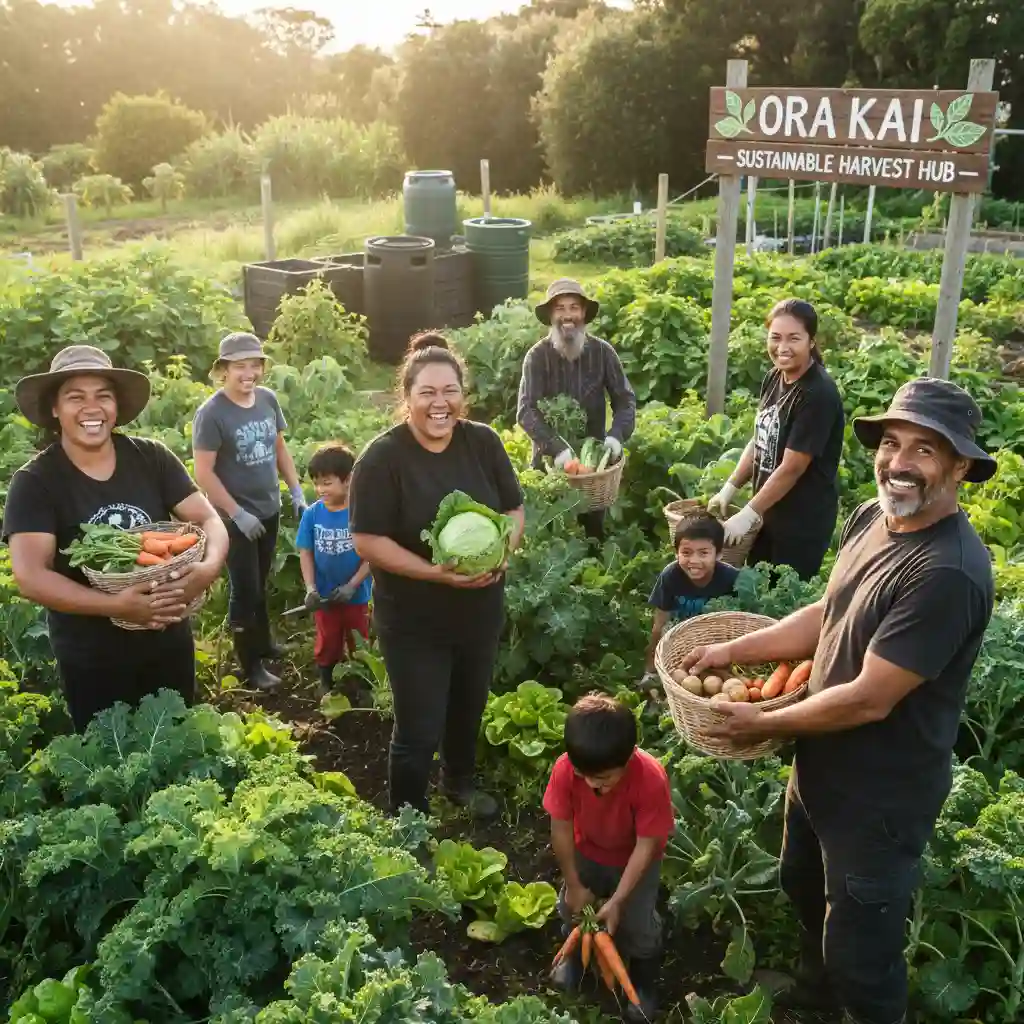
- Sustainable Food Choices: Eating seasonal, plant-rich, and supporting local growers.
- Eco-Friendly Transport: Prioritising walking, cycling, public transport, or electric vehicles.
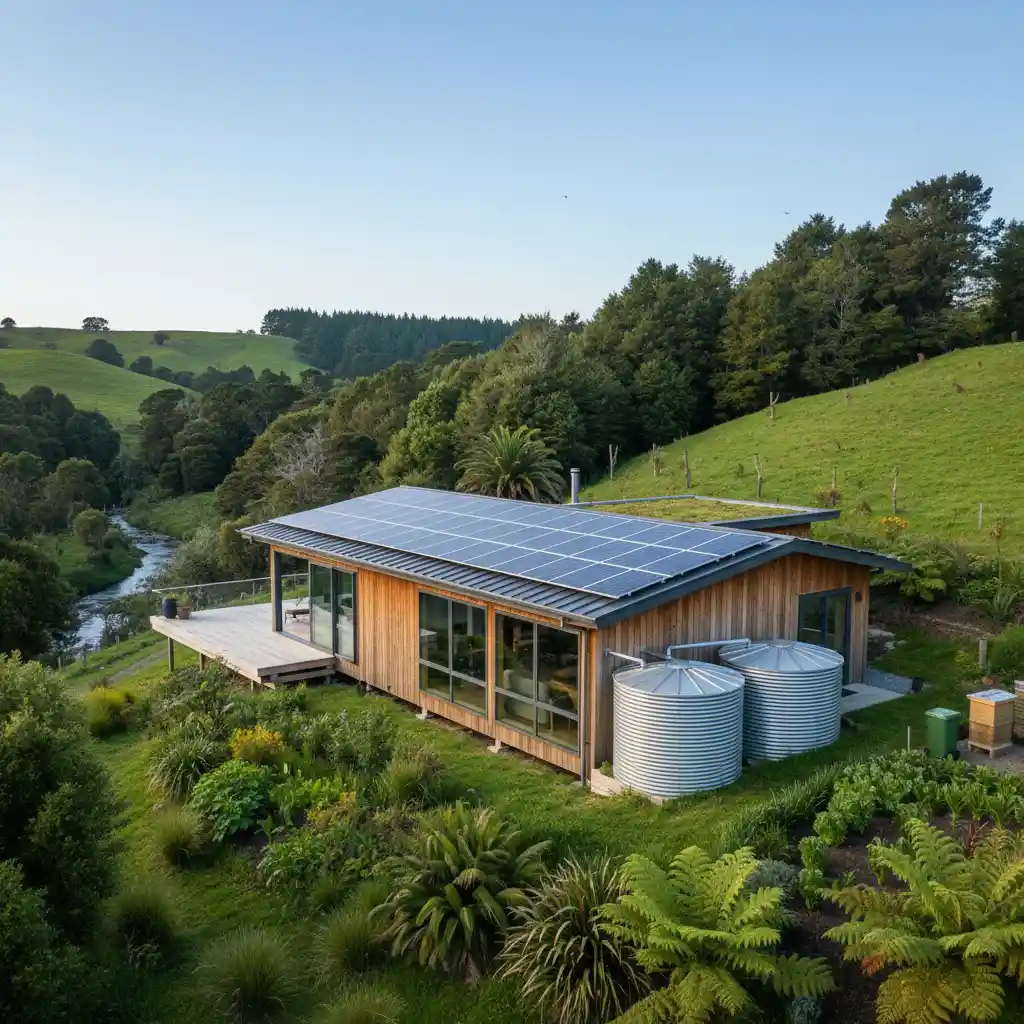
- Green Home Practices: Energy efficiency, water conservation, and sustainable cleaning.
- Community Engagement: Participating in local sustainability initiatives and supporting eco-conscious businesses.
2. Why Sustainable Healthy Living Matters for New Zealand
Aotearoa New Zealand, with its breathtaking landscapes and unique biodiversity, has a profound responsibility to protect its natural heritage. Our pristine environment is not just a backdrop for tourism; it’s the foundation of our economy, culture, and identity. Climate change, biodiversity loss, and resource depletion pose significant threats, making it crucial for every Kiwi to embrace sustainable healthy living for a greener NZ.
“New Zealand aims for a 30% reduction in biological methane emissions by 2030, a testament to our commitment to environmental health and a greener future.” — NZ Government Climate Change Response (Zero Carbon) Amendment Act
Beyond national targets, individual actions aggregate into powerful collective change. By adopting sustainable practices, we contribute directly to cleaner air and water, healthier soil, and a thriving ecosystem for native flora and fauna. This, in turn, safeguards the very essence of what makes New Zealand special.
Environmental Impact and Personal Well-being
- Reduced Carbon Footprint: Lower emissions from transport, energy, and consumption.
- Biodiversity Protection: Supporting ecosystems through conscious choices.
- Improved Public Health: Cleaner environments lead to fewer respiratory and chronic illnesses.
- Enhanced Mental Health: Connection with nature, reduced stress, and a sense of purpose from contributing positively.
- Economic Resilience: Supporting local, sustainable industries and reducing reliance on imports.

3. Practical Steps to Embrace Sustainable Healthy Living
Ready to start your journey? Integrating sustainable practices into your daily life is easier than you might think. Small, consistent efforts can lead to significant positive impacts. Here are key areas where you can begin to embrace sustainable healthy living for a greener NZ.
Mindful Consumption & Waste Reduction
- Buy Less, Choose Well: Invest in high-quality, durable items that last. Prioritise products made from recycled or sustainable materials.
- Say No to Single-Use: Carry reusable bags, coffee cups, water bottles, and cutlery.
- Repair & Repurpose: Before discarding, consider if an item can be fixed or given a new life.
- Compost Food Scraps: Divert organic waste from landfills to enrich your garden soil.
- Recycle Correctly: Understand your local council’s recycling rules to avoid contamination.
Sustainable Eating Habits
- Eat Local & Seasonal: Support New Zealand farmers and reduce food miles. Visit your local farmers’ markets.
- Reduce Meat Consumption: Incorporate more plant-based meals into your diet.
- Minimise Food Waste: Plan meals, store food properly, and get creative with leftovers.
- Grow Your Own: Even a small herb garden can make a difference.
Eco-Friendly Transport
- Walk or Cycle: Embrace active transport for short distances – great for your health and the environment.
- Utilise Public Transport: Reduce traffic congestion and emissions.
- Carpool: Share rides with colleagues or friends.
- Consider EVs: If purchasing a vehicle, explore electric or hybrid options.

Green Home & Energy
- Energy Efficiency: Switch to LED lighting, unplug electronics, and insulate your home.
- Conserve Water: Fix leaks, take shorter showers, and consider water-efficient appliances.
- Eco-Friendly Cleaning: Use natural cleaning products or make your own.
- Solar Power: Explore options for installing solar panels for renewable energy.
4. The Benefits: A Healthier You, A Greener NZ
The rewards of embracing sustainable healthy living extend far beyond environmental impact. This lifestyle path offers a multitude of personal and societal benefits, creating a positive ripple effect throughout New Zealand.
- Improved Health & Well-being: Healthier food choices, more physical activity, and reduced exposure to toxins contribute to a stronger body and mind.
- Financial Savings: Reducing consumption, energy use, and food waste can significantly lower household expenses.
- Enhanced Connection to Nature: Spending more time outdoors and understanding ecological systems deepens appreciation and respect for our natural world.
- Stronger Communities: Supporting local businesses and engaging in community initiatives fosters local resilience and connection.
- Future-Proofing New Zealand: Contributing to a sustainable future ensures a thriving environment and economy for generations to come.
5. Your Sustainable Living Action Checklist
Use this quick checklist to kickstart or continue your journey to embrace sustainable healthy living for a greener NZ:
- □ Mindful Shopping: Plan meals, make a list, and avoid impulse buys.
- □ Reusable Kit: Always carry your reusable bag, water bottle, and coffee cup.
- □ Plant-Powered Meals: Aim for at least 2-3 vegetarian or vegan meals a week.
- □ Compost Hero: Start a compost bin for food scraps and garden waste.
- □ Eco-Commute: Choose walking, cycling, or public transport whenever possible.
- □ Energy Saver: Unplug unused electronics and switch off lights when leaving a room.
- □ Water Wise: Take shorter showers and fix any leaky taps promptly.
- □ Support Local: Buy from local farmers’ markets and sustainable New Zealand businesses.
- □ Learn & Share: Educate yourself further and share your sustainable tips with others!
6. Frequently Asked Questions (FAQ)
What does “sustainable healthy living” actually mean for me in NZ?
For New Zealanders, it means making daily choices that benefit your personal health while also preserving our unique environment. This includes everything from buying local produce and reducing waste to conserving water and energy, all tailored to the Kiwi context and our specific environmental challenges and opportunities.
Is living sustainably expensive in New Zealand?
While some initial investments (like solar panels) can be higher, many sustainable practices actually save money in the long run. Reducing consumption, buying second-hand, cooking at home with seasonal ingredients, and saving energy all lead to significant financial benefits. It’s often about shifting priorities rather than increasing spending.
How can I start reducing my waste significantly in NZ?
Start with the ‘4 Rs’: Reduce (buy less, choose durable), Reuse (reusable bags, bottles, containers), Recycle (know your local council’s rules), and Rot (compost food scraps). Look for zero-waste stores, opt for products with minimal packaging, and always carry a reusable kit when out and about.
What role do individuals play in New Zealand’s broader sustainability goals?
Individual actions collectively drive significant change. By embracing sustainable healthy living, you contribute to New Zealand’s climate targets, biodiversity protection, and the overall well-being of the nation. Your choices send signals to businesses and policymakers, fostering a culture of sustainability that aligns with Aotearoa’s values.
7. References & Sources
- Ministry for the Environment. (Current Year). New Zealand’s Environmental Reporting Series. Retrieved from www.mfe.govt.nz/environmental-reporting
- Stats NZ. (Current Year). Environmental Data and Information. Retrieved from www.stats.govt.nz/topics/environment
- Climate Change Commission. (Current Year). Advice to the New Zealand Government. Retrieved from www.climatecommission.govt.nz/
- Health Promotion Agency (HPA). (Current Year). Wellbeing and Environment Resources. Retrieved from www.hpa.org.nz/