Embrace Sustainable Healthy Living: A Kiwi’s Guide
Are you a Kiwi looking to weave sustainability seamlessly into your daily life while nurturing your well-being? In Aotearoa, the connection to our land, sea, and community (tangata whenua, moana, whenua) is profound, making the journey toward sustainable healthy living not just a trend, but a deeply rooted imperative. This comprehensive guide will equip you with practical, accessible strategies to reduce your environmental footprint, enhance your health, and foster a more resilient lifestyle, all through a uniquely New Zealand lens.
From your pantry to your power bill, and from your mental clarity to your carbon footprint, we’ll explore how small, intentional changes can lead to a significant, positive impact for both you and Papatūānuku (Mother Earth).

Table of Contents
- The Kiwi Context: Why Sustainable Living Matters Here
- Pillar 1: Mindful Consumption – Nourishing Yourself & the Planet
- Pillar 2: Eco-Friendly Home – Your Sanctuary, Sustainably
- Pillar 3: Personal Well-being – Connecting with Nature & Community
- Pillar 4: Sustainable Transport – Moving Mindfully
- Navigating Challenges & Finding Solutions
- Your Sustainable Living Action Checklist
- Conclusion: Your Journey to a Flourishing Kiwi Life
- Frequently Asked Questions (FAQ)
- References & Sources
The Kiwi Context: Why Sustainable Living Matters Here
New Zealand, with its breathtaking landscapes and unique biodiversity, faces distinct environmental challenges. Our relatively small population still generates significant waste, contributes to global emissions, and impacts local ecosystems. Choosing to embrace sustainable healthy living as a Kiwi means protecting our pristine natural heritage, supporting local economies, and honouring the principles of kaitiakitanga (guardianship) for future generations.
Stat Callout: “New Zealand’s total greenhouse gas emissions in 2020 were 78.9 million tonnes of carbon dioxide equivalent (Mt CO2-e).” – Ministry for the Environment (2022). This highlights the urgency for collective and individual action to reduce our carbon footprint.
Pillar 1: Mindful Consumption – Nourishing Yourself & the Planet
Every purchase, every meal, and every flick of a switch carries an environmental weight. Mindful consumption is about making conscious choices that align with your values and respect planetary boundaries.
1. Smart Food Choices
- Eat Local & Seasonal: Support New Zealand farmers and reduce food miles. Check out farmers’ markets in your area.
- Reduce Meat & Dairy: Consider plant-based meals more often. Livestock farming contributes significantly to emissions.
- Minimise Food Waste: Plan meals, use leftovers creatively, compost food scraps.
- Choose Organic & Spray-Free: Protect your body from chemicals and support healthier soil.
2. Conscious Product Decisions
- Buy Less, Choose Well: Invest in durable, repairable items rather than fast fashion or disposable goods.
- Look for Certifications: Seek out products with recognised environmental certifications (e.g., Fairtrade, Toitū carbonzero, B Corp).
- Refuse, Reuse, Refill: Opt for products with minimal packaging, use reusable bags, and seek out refill stores for household essentials.
3. Energy Efficiency at Home
- Switch to LED Lighting: Dramatically reduce electricity consumption.
- Unplug ‘Vampire’ Electronics: Chargers and appliances still draw power when off but plugged in.
- Optimise Heating & Cooling: Insulate your home, use timers, and dress for the weather to reduce reliance on heaters/air conditioners.

Pillar 2: Eco-Friendly Home – Your Sanctuary, Sustainably
Your home is your haven. Making it eco-friendly contributes significantly to your healthy living journey by reducing exposure to toxins and conserving resources.
1. Waste Reduction & Recycling
- Understand Local Recycling: Familiarise yourself with what your local council accepts. When in doubt, leave it out to avoid contamination.
- Compost & Worm Farms: Divert organic waste from landfills. This enriches your garden and reduces methane emissions.
- Embrace Repair Culture: Before replacing, consider repairing. Seek out local repair cafes or upcycling workshops.
2. Water Conservation
- Shorten Showers: Aim for 5-minute showers.
- Fix Leaks Promptly: A dripping tap can waste thousands of litres annually.
- Water Gardens Efficiently: Water in the early morning or late evening to minimise evaporation. Collect rainwater if possible.
3. Green Cleaning & Maintenance
- DIY Cleaners: Use natural ingredients like vinegar, baking soda, and lemon juice.
- Eco-Friendly Products: Choose cleaning products free from harsh chemicals, parabens, and phosphates.
Pillar 3: Personal Well-being – Connecting with Nature & Community
Sustainable living isn’t just about the planet; it’s profoundly linked to our own health and happiness. Connecting with nature and community are fundamental to a balanced, resilient life.
1. Embrace Nature
- Get Outdoors: Regular walks in a local park, bush, or beach can reduce stress and improve mood.
- Gardening: Even a small balcony garden can connect you to the food you eat and provide therapeutic benefits.
- Support Conservation: Volunteer for a local conservation group or participate in a beach clean-up.
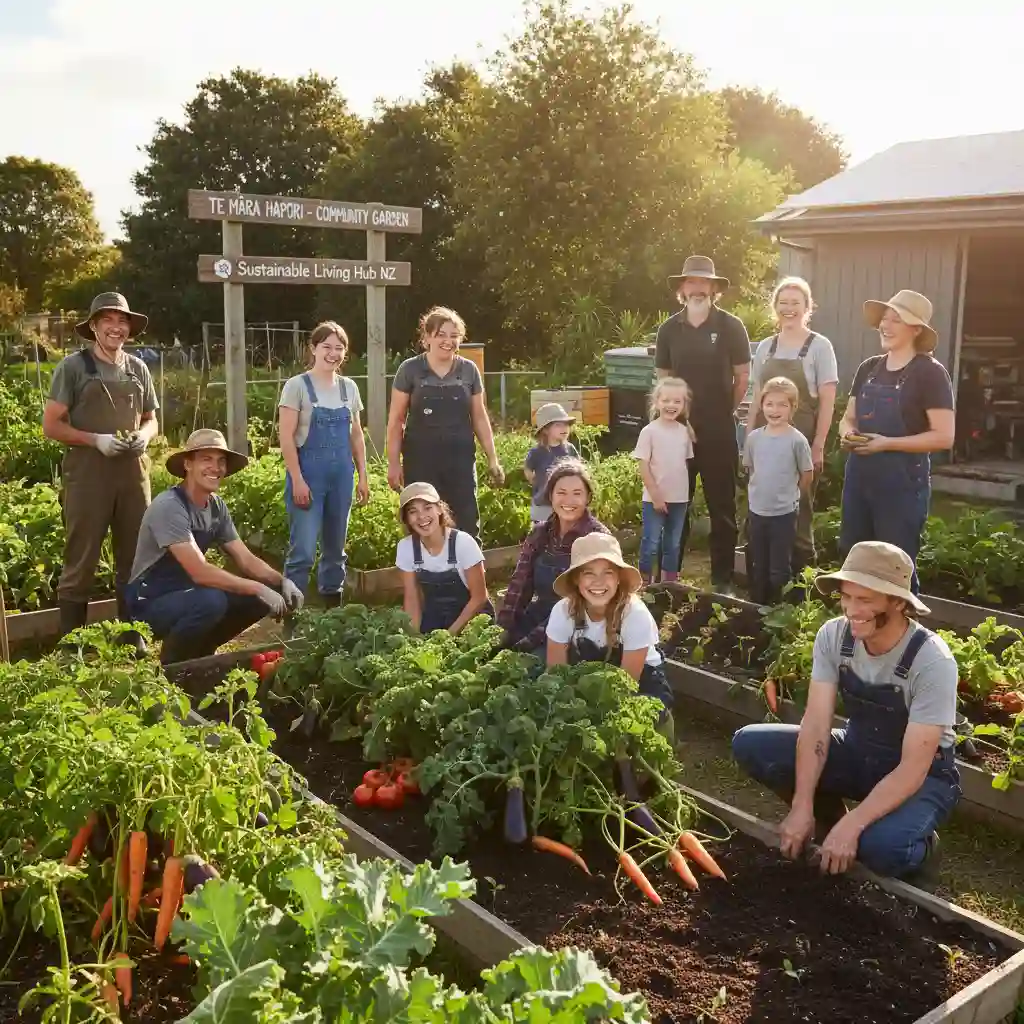
2. Engage with Community
- Share & Barter: Participate in local sharing economies for tools, skills, or surplus garden produce.
- Join Local Groups: Connect with others passionate about sustainability, whether it’s a zero-waste group or a hiking club.
3. Prioritise Mental Health Sustainably
- Mindfulness & Meditation: Practice being present, perhaps outdoors, to reduce anxiety.
- Digital Detox: Regularly unplug from screens to reconnect with your surroundings and loved ones.
Pillar 4: Sustainable Transport – Moving Mindfully
Transport is a significant contributor to carbon emissions. Making conscious choices about how you travel can dramatically reduce your environmental impact and often boost your physical health.
- Walk or Cycle: For short distances, walking and cycling are fantastic for your health and produce zero emissions. New Zealand offers many beautiful trails.
- Public Transport: Utilise buses, trains, or ferries where available. It’s often less stressful than driving and reduces congestion.
- Carpool/Car Share: Share rides with colleagues or friends, or consider car-sharing services.
- Electric Vehicles (EVs): If purchasing a new vehicle, research EVs. New Zealand’s high proportion of renewable electricity makes EV charging particularly green.

Navigating Challenges & Finding Solutions
The journey to embrace sustainable healthy living isn’t always easy. You might face challenges like limited access to certain sustainable products, higher upfront costs, or simply the inertia of old habits. The key is progress, not perfection.
- Start Small: Pick one or two areas to focus on first.
- Educate Yourself: Continuously learn about new sustainable practices and local initiatives.
- Advocate: Support policies and businesses that champion sustainability.
- Be Patient & Kind to Yourself: It’s a journey, not a race. Celebrate small victories.
Your Sustainable Living Action Checklist
Ready to take concrete steps? Use this checklist to kickstart your journey:
- Food: Plan meals to reduce waste and shop at local farmers’ markets.
- Home: Switch to LED lights and install efficient showerheads.
- Waste: Set up a composting system for food scraps.
- Products: Bring reusable bags, coffee cups, and water bottles everywhere.
- Transport: Walk, cycle, or use public transport for at least one journey per week.
- Well-being: Spend 30 minutes in nature each day.
- Community: Seek out a local sustainability group or initiative to join.
Conclusion: Your Journey to a Flourishing Kiwi Life
To embrace sustainable healthy living in Aotearoa is to commit to a lifestyle that honours our unique environment, strengthens our communities, and elevates our personal well-being. It’s a journey of continuous learning, intentional choices, and profound connection. By integrating these practices into your life, you’re not just making a difference for yourself, but contributing to a thriving, resilient New Zealand for generations to come. Start today, one mindful step at a time.
Frequently Asked Questions (FAQ)
What does ‘sustainable healthy living’ mean for Kiwis?
For Kiwis, it means adopting practices that support personal well-being while protecting New Zealand’s unique environment and resources for future generations. It often integrates Māori principles like kaitiakitanga (guardianship) and a deep connection to the land and sea.
How can I start reducing my waste in New Zealand?
Start with the ‘5 Rs’: Refuse (unnecessary items), Reduce (what you consume), Reuse (items), Recycle (correctly, according to local council guidelines), and Rot (compost organic waste). Explore local zero-waste shops for package-free options.
Is sustainable living more expensive in New Zealand?
While some sustainable products might have higher upfront costs, many practices, like reducing food waste, consuming less, using public transport, or making DIY cleaners, can actually save you money in the long run. Investing in quality, durable items also proves more economical than frequent replacements.
How can I support local sustainable businesses in NZ?
Look for businesses that are B Corp certified, have Toitū carbonzero accreditation, or explicitly state their commitment to ethical sourcing and environmental practices. Shop at farmers’ markets, buy from local artisans, and choose services that prioritise sustainability.
What’s the easiest change I can make today for a healthier, more sustainable life?
Start with conscious consumption. Bring a reusable water bottle and coffee cup, carry a reusable shopping bag, and focus on reducing food waste by planning your meals. These small, consistent actions have a cumulative positive impact.
References & Sources
- Ministry for the Environment. (2022). New Zealand’s Greenhouse Gas Inventory 1990–2020. Retrieved from environment.govt.nz
- New Zealand Government. Love Food Hate Waste NZ. Retrieved from lovefoodhatewaste.co.nz
- Department of Conservation (DOC). Conservation volunteering. Retrieved from doc.govt.nz
- Stats NZ. Environmental reporting. Retrieved from stats.govt.nz