Embrace Sustainable Diets: A Guide for New Zealanders
In a world increasingly aware of its environmental footprint, our food choices stand out as a powerful lever for positive change. For New Zealanders, embracing a sustainable diet isn’t just a global trend; it’s a vital step towards protecting our unique natural heritage, supporting local communities, and ensuring a healthy future for Aotearoa.
This comprehensive guide will equip you with the knowledge and practical strategies to transition to a more sustainable way of eating, tailored specifically for the New Zealand context. From understanding local food systems to minimising waste, let’s explore how your plate can become a powerful tool for sustainability.
Table of Contents
Understanding Sustainable Diets in a New Zealand Context
A sustainable diet goes beyond just what’s healthy for you; it considers the health of the planet and its people. It’s about making food choices that have low environmental impacts, are protective of biodiversity and ecosystems, culturally acceptable, accessible, economically fair, and nutritionally adequate, safe, and healthy.
What Does “Sustainable” Mean for Your Plate?
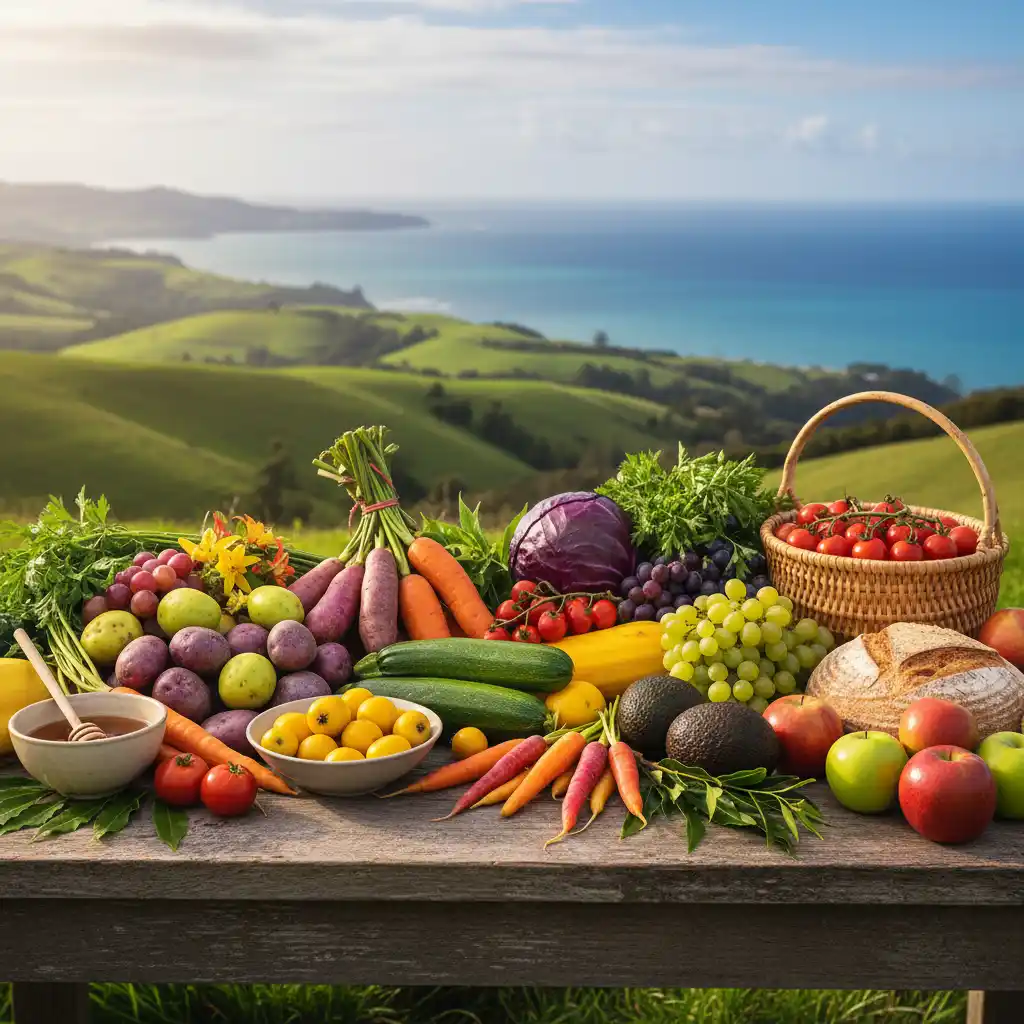
For Kiwis, this means understanding our unique agricultural landscape, our reliance on imports, and the incredible bounty our land and waters provide. It’s about supporting practices that regenerate soil, protect waterways, and reduce greenhouse gas emissions, all while enjoying delicious, nourishing food.
“Every food choice we make is a vote for the kind of world we want to live in.”
The Environmental & Social Impact of Food Choices
From the energy used in growing and transportation to the waste created, our food system has a significant footprint. In New Zealand, agriculture is a major contributor to greenhouse gas emissions, particularly methane from livestock. By embracing sustainable diets, we can directly influence these impacts.
Did You Know?
Food waste in New Zealand costs the average household approximately $1,500 each year. Collectively, Kiwis throw away 157,389 tonnes of food annually from their homes.[1]
Pillars of Sustainable Eating for Kiwis
Transitioning to a more sustainable diet doesn’t have to be daunting. Here are five actionable pillars to guide your choices, helping you to embrace sustainable diets in New Zealand with confidence.
1. Prioritise Local & Seasonal Produce
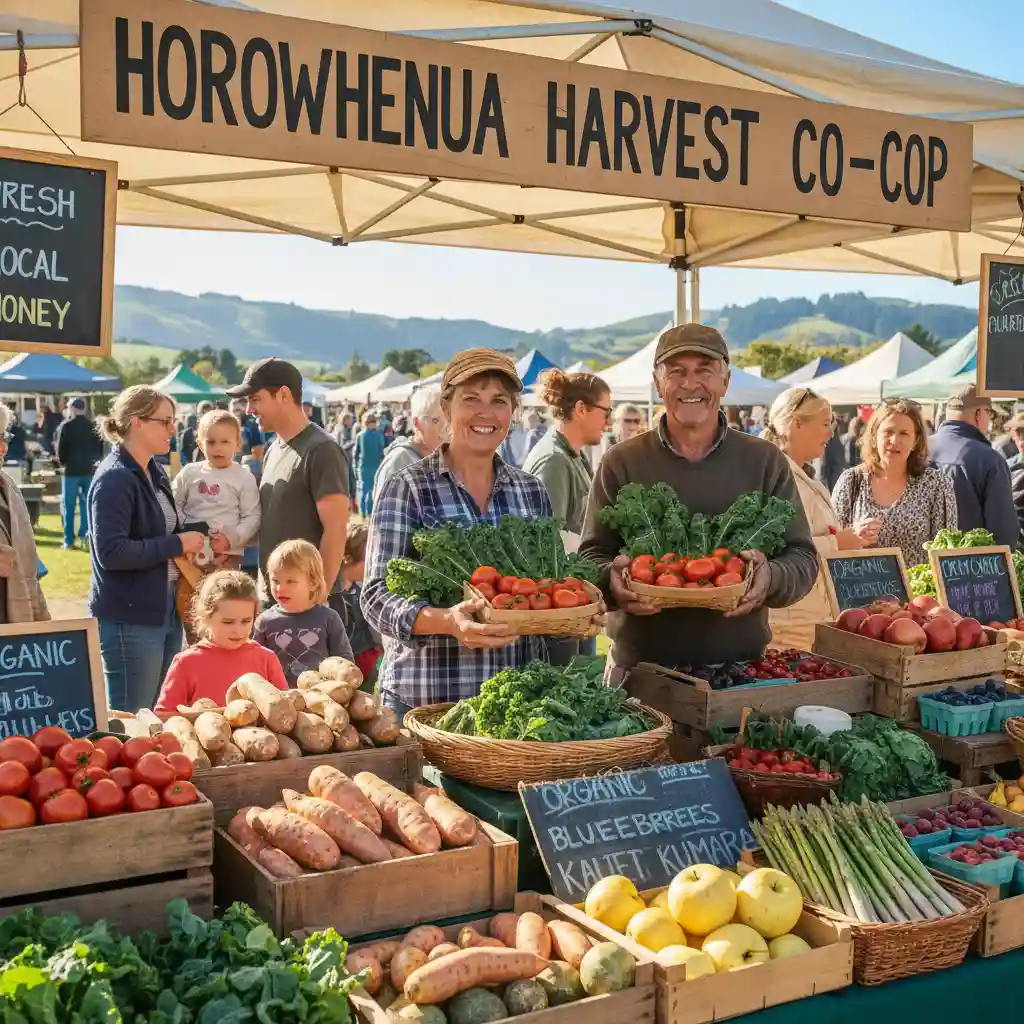
Eating what’s in season and grown close to home significantly reduces your food’s carbon footprint by cutting down on transport and refrigeration. It also supports local farmers and ensures you get the freshest, most nutrient-dense food.
- Explore Farmers’ Markets: Connect directly with growers and discover seasonal treasures.
- Join a CSA (Community Supported Agriculture): Receive regular boxes of fresh, local produce.
- Check Seasonal Guides: Many NZ websites offer guides to what’s in season.
2. Reduce Meat & Dairy Consumption
While New Zealand is renowned for its dairy and meat, these industries contribute substantially to our national emissions.[3] Shifting towards a more plant-rich diet, even if it’s just a few meat-free days a week, can have a profound impact.
- Embrace Plant-Based Meals: Experiment with legumes, grains, nuts, seeds, and NZ-grown vegetables as your plate’s heroes.
- Choose Sustainable Meat Options: If you do eat meat, opt for smaller portions and seek out ethically raised, grass-fed, or regenerative options where possible.
- Explore Dairy Alternatives: Oat, soy, and almond milks are widely available.
3. Minimise Food Waste
Food waste is a global issue with significant environmental and economic consequences. When food rots in landfills, it produces methane, a potent greenhouse gas. By reducing waste at home, you save money and protect the planet.
- Plan Your Meals: Create a shopping list based on your weekly meals to avoid impulse buys.
- Store Food Correctly: Learn the best ways to keep fruits, vegetables, and leftovers fresh longer.
- Compost Scraps: Turn unavoidable food scraps into nutrient-rich soil for your garden.
- “Use It Up” Mentality: Get creative with leftovers and nearly expired ingredients.
4. Choose Sustainably Sourced Seafood & Ethical Products
New Zealand has abundant marine resources, but overfishing and unsustainable practices threaten these ecosystems. Making informed choices about seafood and other ethical products is crucial.
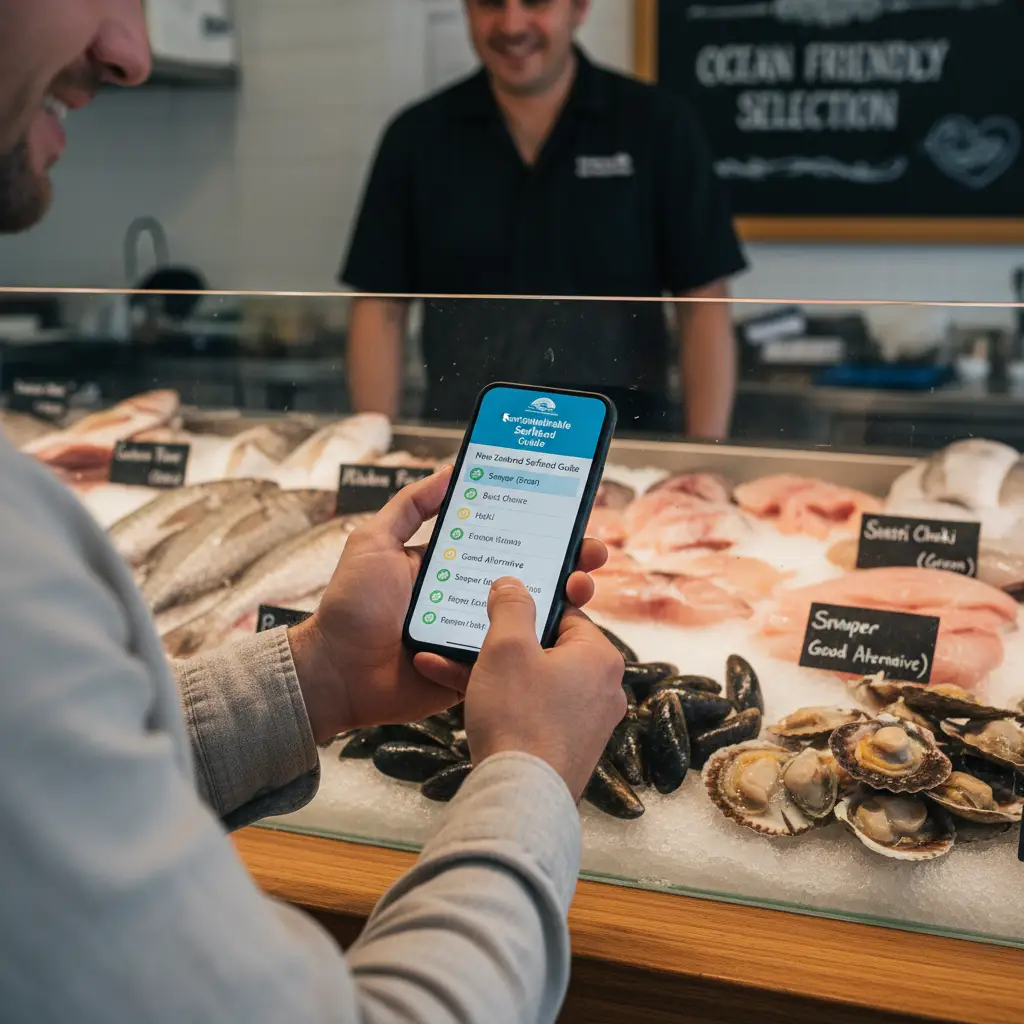
- Check Seafood Guides: Consult resources like Forest & Bird’s Best Fish Guide[2] to choose sustainably caught or farmed species.
- Look for Certifications: For imported goods, seek out Fairtrade, organic, or other relevant sustainability certifications.
- Support Ethical Brands: Research companies committed to social and environmental responsibility.
5. Grow Your Own (Even a Little!)
There’s immense satisfaction and environmental benefit in growing your own food. Even a small herb garden on a balcony can reduce your reliance on store-bought produce, cut down on packaging, and connect you more deeply with your food source.
- Start Small: Begin with easy-to-grow herbs, lettuce, or cherry tomatoes in pots.
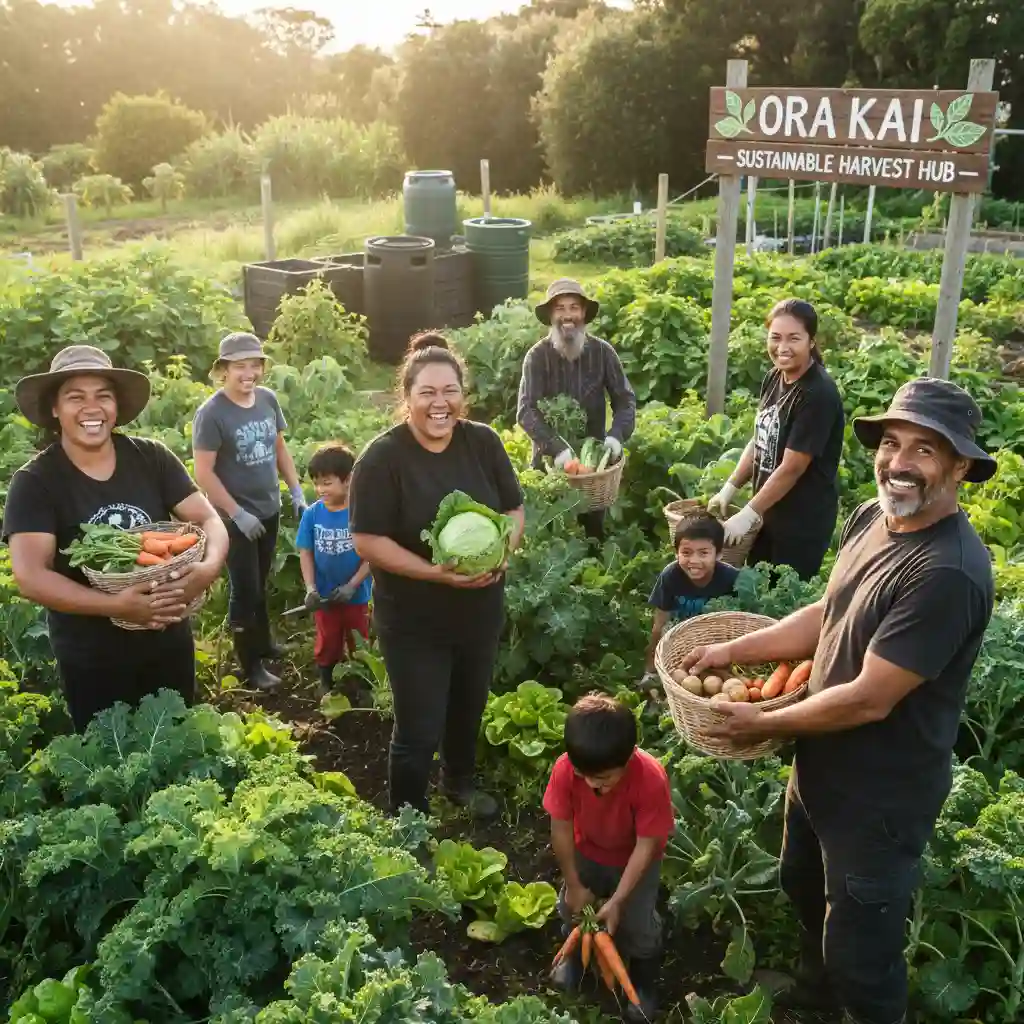
- Utilise Community Gardens: If you don’t have space, find a local community garden project.
- Learn Composting: Create your own rich soil to feed your garden using food scraps.
Making the Transition: An Action Checklist for Kiwis
Ready to put these insights into action? Use this checklist to guide your journey towards a more sustainable diet.
Your Sustainable Diet Action Plan:
- Research Local Farmers’ Markets: Find one near you and plan a visit this weekend.
- Plan 3 Plant-Based Meals: Challenge yourself to try new vegetarian or vegan recipes.
- Conduct a Fridge/Pantry Audit: Identify foods nearing expiry and plan meals to use them up.
- Start a Small Compost Bin: Even a benchtop one for fruit and veggie scraps is a great start.
- Download a Seafood Guide: Keep Forest & Bird’s Best Fish Guide handy for your next fish purchase.
- Plant an Herb Pot: Choose a favourite herb and grow it on your windowsill or balcony.
- Educate Yourself Further: Read up on food waste initiatives or sustainable farming practices in NZ.

Conclusion
Embracing sustainable diets is a journey, not a destination. Every conscious choice, no matter how small, contributes to a larger movement towards a healthier planet and more resilient communities. For New Zealanders, this means cherishing our land, sea, and unique produce, while fostering practices that ensure food security and environmental well-being for generations to come.
By making informed decisions, supporting local, and reducing waste, you are not only nurturing yourself but also playing a vital role in shaping a sustainable future for Aotearoa. Start today, and let your plate be a testament to your commitment to our beautiful country.
Frequently Asked Questions
What does ‘sustainable diet’ specifically mean for New Zealanders?
For New Zealanders, a sustainable diet emphasizes consuming local and seasonal produce, reducing reliance on high-emissions foods like certain meats and dairy, minimising food waste, choosing ethically sourced products, and potentially growing some of your own food. It’s about respecting our unique ecosystems and supporting local food systems.
Is it more expensive to eat a sustainable diet in NZ?
Not necessarily. While some organic or specialty sustainable products might carry a premium, focusing on local, seasonal produce can often be more cost-effective. Reducing meat consumption and minimising food waste are also excellent ways to save money, offsetting potential increased costs in other areas.
How can I easily find local and seasonal produce in New Zealand?
Farmers’ markets are your best bet for local and seasonal produce. Websites like Fresh.co.nz or local community groups often provide seasonal guides and lists of local growers or CSAs. Supermarkets are also increasingly labelling NZ-grown items.
What impact does reducing meat and dairy have in NZ?
Reducing meat and dairy consumption in New Zealand helps to lower greenhouse gas emissions, particularly methane, which is a significant contributor from our agricultural sector. It also reduces demand for land and water resources, contributing to healthier waterways and biodiversity.
Where can I find a reliable sustainable seafood guide for New Zealand?
Forest & Bird’s Best Fish Guide is an excellent and widely respected resource for New Zealanders looking to make sustainable seafood choices. It categorises common seafood options based on their environmental impact.
References & Sources
- [1] Love Food Hate Waste NZ. (n.d.). Food Waste Statistics New Zealand. Retrieved from https://www.lovefoodhatewaste.co.nz/food-waste-stats/
- [2] Forest & Bird. (n.d.). Best Fish Guide. Retrieved from https://www.forestandbird.org.nz/what-we-do/campaigns/best-fish-guide
- [3] Ministry for the Environment. (2022). New Zealand’s Greenhouse Gas Inventory 1990–2020. Retrieved from https://environment.govt.nz/publications/new-zealands-greenhouse-gas-inventory-1990-2020/
- [4] FAO & WHO. (2019). Sustainable healthy diets: Guiding principles. Retrieved from https://www.fao.org/3/ca6640en/ca6640en.pdf