Embrace a Plastic-Free Kitchen: Sustainable Tips for Kiwis
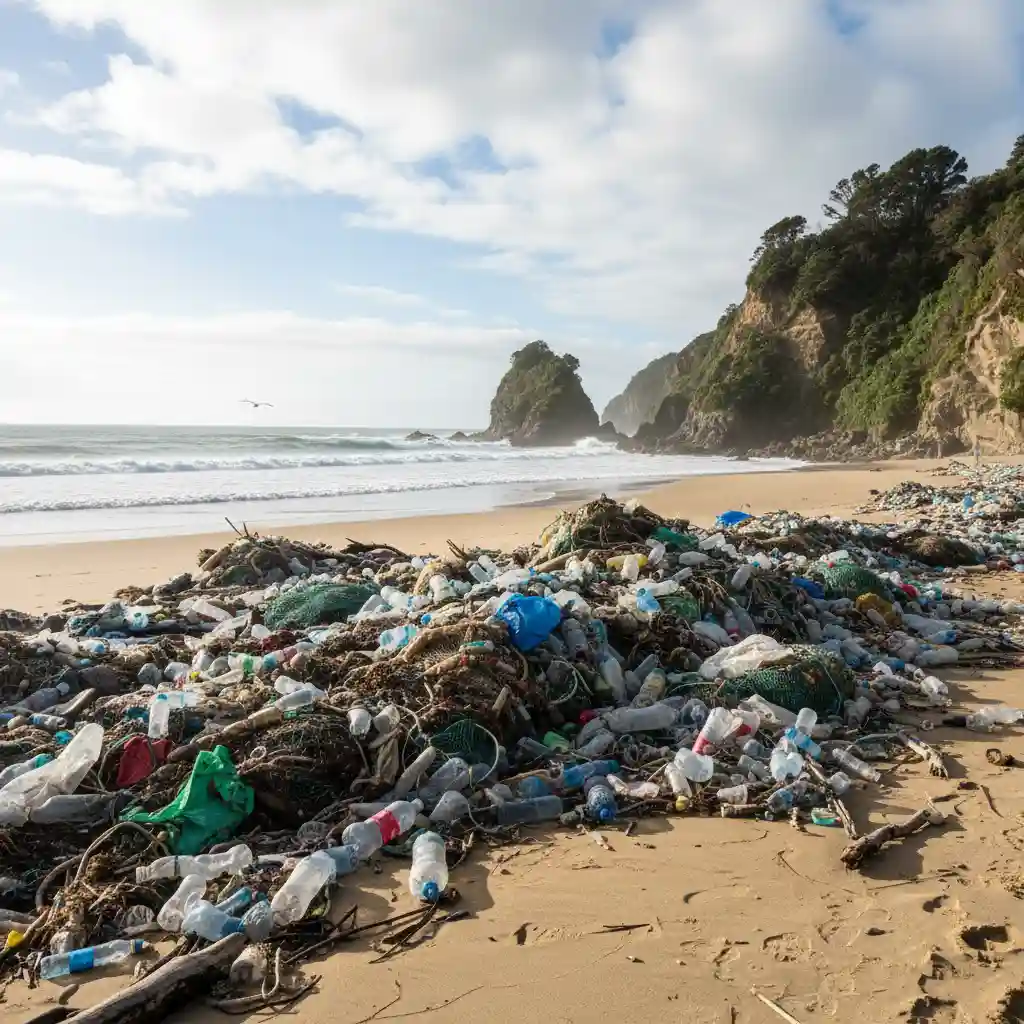
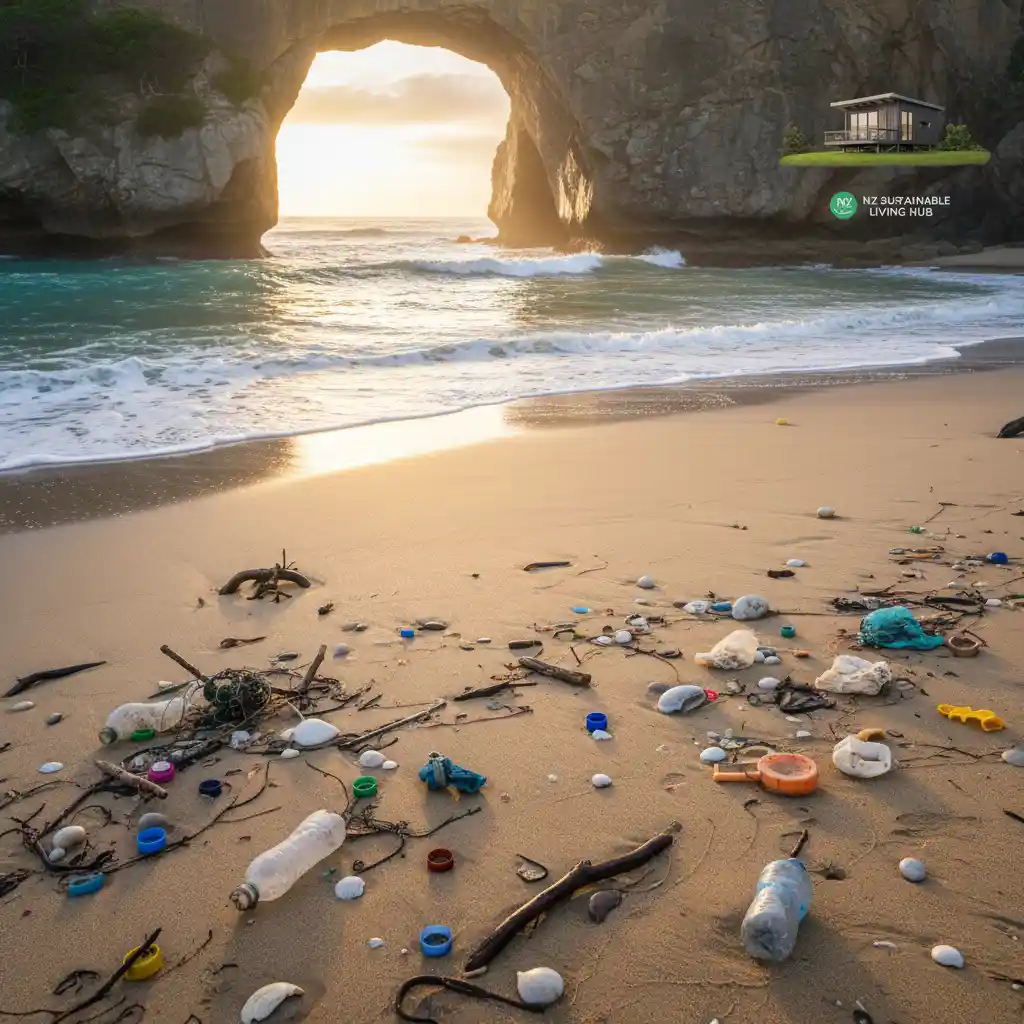
Kiwis, it’s time to rethink our kitchens. While New Zealand is renowned for its natural beauty, our homes often unknowingly contribute to plastic pollution. From food storage containers to cleaning supplies, plastic has become ubiquitous, but it doesn’t have to be. This guide will help you **embrace a plastic-free kitchen** by offering practical, sustainable tips tailored for life in Aotearoa.
Transitioning away from plastic might seem daunting, but even small changes can make a significant difference. Let’s embark on this journey together towards a more sustainable home, one eco-friendly swap at a time, ensuring our kitchens reflect our values for a healthier planet.
Why Go Plastic-Free in the Kitchen?
The kitchen is often a hidden hotspot for plastic. From cling film to countless single-use containers, these items contribute significantly to landfill waste and environmental pollution. Choosing to **embrace a plastic-free kitchen** isn’t just a trend; it’s a vital step towards a more sustainable future for New Zealand.
Plastic, especially single-use varieties, takes hundreds of years to break down, often fragmenting into microplastics that infiltrate our soil, water, and even the food chain. Reducing plastic in your home directly lessens your environmental footprint and supports cleaner oceans and healthier ecosystems.
Did you know?
New Zealanders send around 2.5 million tonnes of waste to landfill each year, with a significant portion being plastic packaging. By opting for reusable alternatives, we can drastically reduce this figure! (Ministry for the Environment)
Getting Started: The First Steps
Don’t feel overwhelmed. The journey to a plastic-free kitchen is best taken one step at a time. Start with what’s easiest for you and build momentum.
-
1. Audit Your Kitchen
Take an honest look at your current kitchen items. What plastics do you use most frequently? Identify single-use culprits like cling film, plastic bags, and disposable containers. This helps pinpoint areas for improvement when you’re ready to **embrace a plastic-free kitchen**.
-
2. Use Up What You Have
Resist the urge to immediately discard all your plastic. The most sustainable item is often the one you already own. Use your existing plastic items until they’re no longer functional, then replace them with eco-friendly alternatives.
-
3. Start with Easy Swaps
Begin with simple changes like reusable produce bags, a solid dish soap bar, or switching from plastic water bottles to a stainless steel one. These small victories will motivate you for bigger transformations.
Plastic-Free Storage Solutions
Storage is a major area where plastic dominates. Fortunately, there are many stylish and practical alternatives to keep your food fresh and organised.
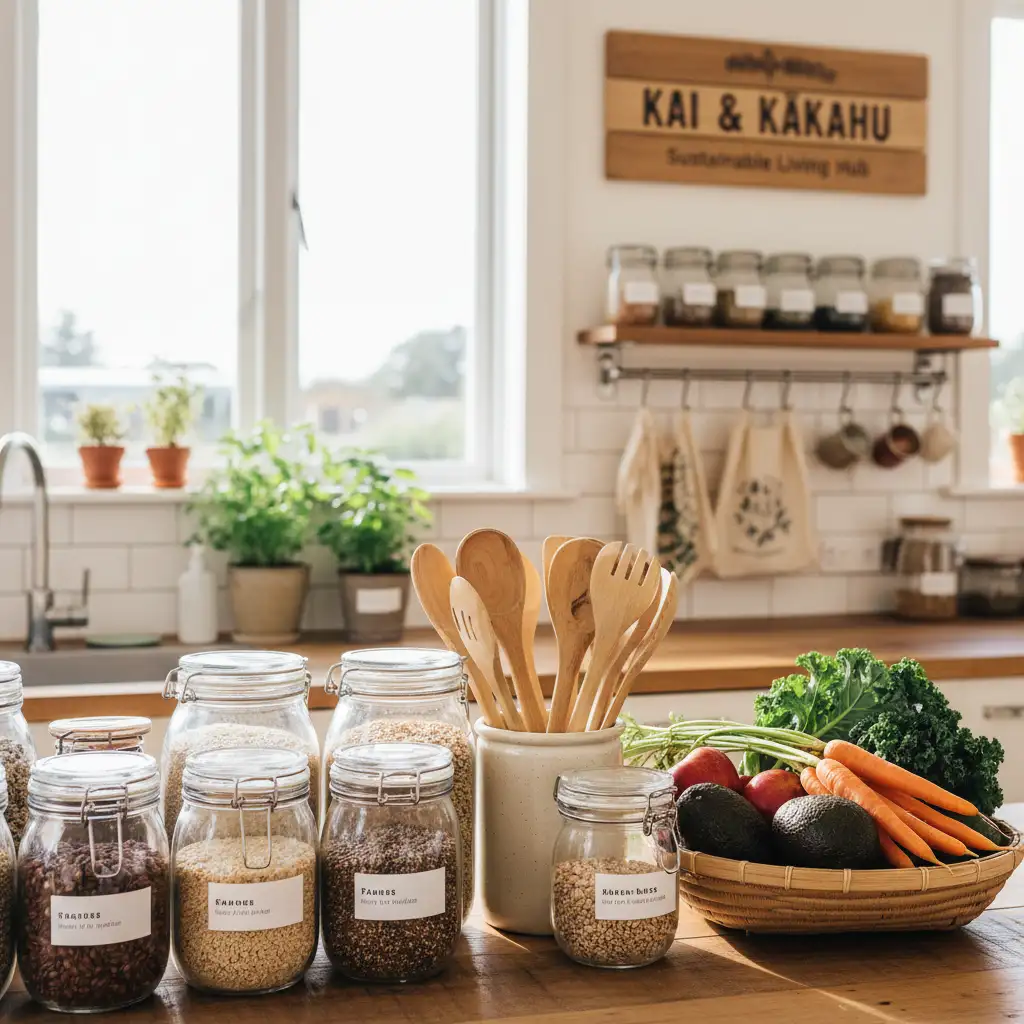
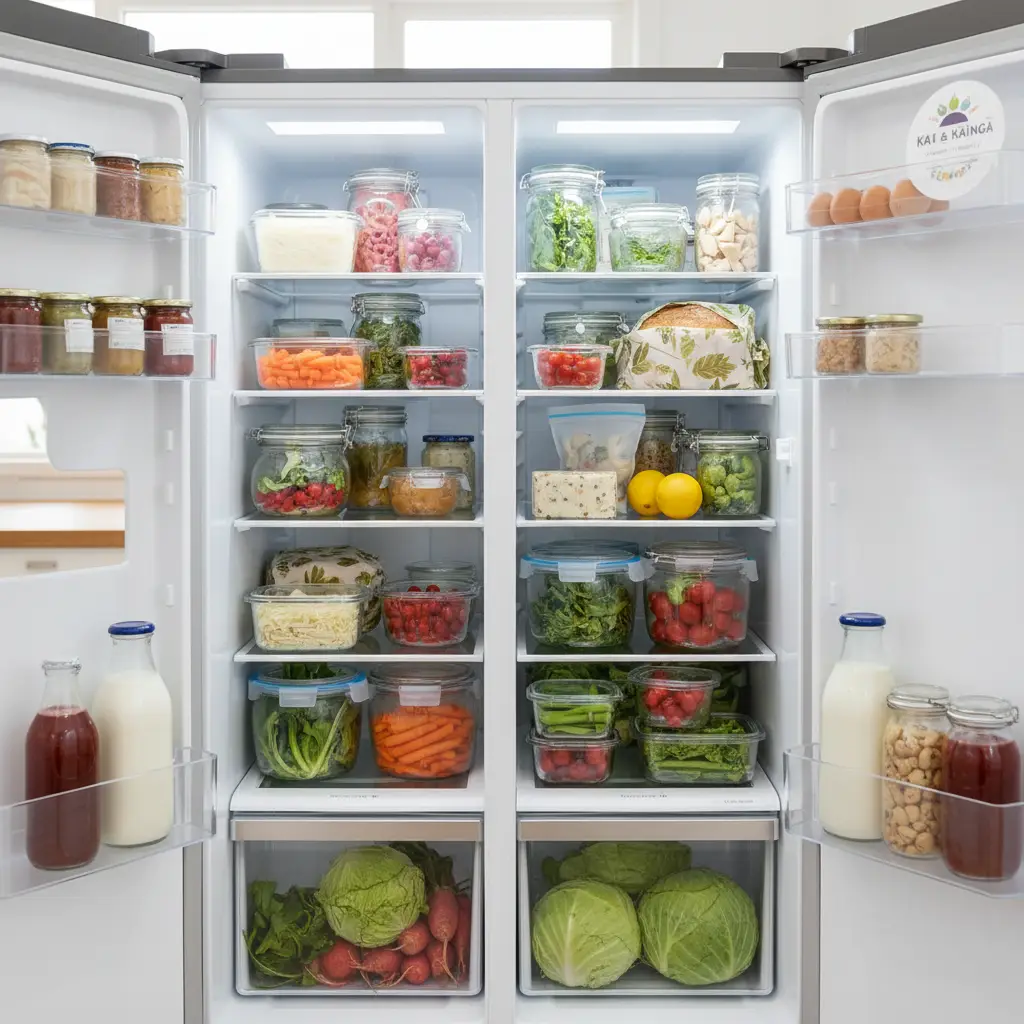
- Glass Jars & Containers: Perfect for bulk pantry items, leftovers, and meal prep. They’re durable, non-toxic, and endlessly reusable.
- Stainless Steel Containers: Lightweight and unbreakable, ideal for packed lunches, picnics, and fridge storage.
- Beeswax Wraps: A fantastic alternative to cling film for wrapping sandwiches, covering bowls, and keeping produce fresh. Look for New Zealand-made options to support local businesses.
- Silicone Bags: Reusable, freezer-safe, and incredibly versatile for storing anything from liquids to snacks.
- Cloth Bags: For storing dry goods like bread, potatoes, or onions, allowing them to breathe.
Cooking & Food Prep Without Plastic
Many kitchen tools and methods can be easily swapped for non-plastic versions, enhancing both your cooking experience and your environmental credentials.
-
1. Choose Natural Utensils
Opt for wooden, bamboo, or stainless steel spatulas, spoons, and tongs instead of plastic ones. They are durable, look great, and are biodegradable or recyclable at end-of-life.
-
2. Invest in Cast Iron or Stainless Steel Cookware
While not always possible to replace all at once, aim to move away from non-stick coatings that can contain PFAS, towards durable, long-lasting options like cast iron, stainless steel, or ceramic-coated pans.
-
3. Say No to Plastic Cutting Boards
Plastic cutting boards can harbour bacteria and release microplastics into your food over time. Switch to wooden or bamboo cutting boards – they’re naturally antimicrobial and gentler on your knives.
-
4. Use Reusable Baking Mats
Silicone baking mats are a great alternative to single-use baking paper, often lined with plastic. They are non-stick, washable, and can be reused hundreds of times.
Cleaning Up Sustainably
Cleaning products are another area ripe for plastic reduction. Many sustainable options are available to keep your kitchen sparkling clean.
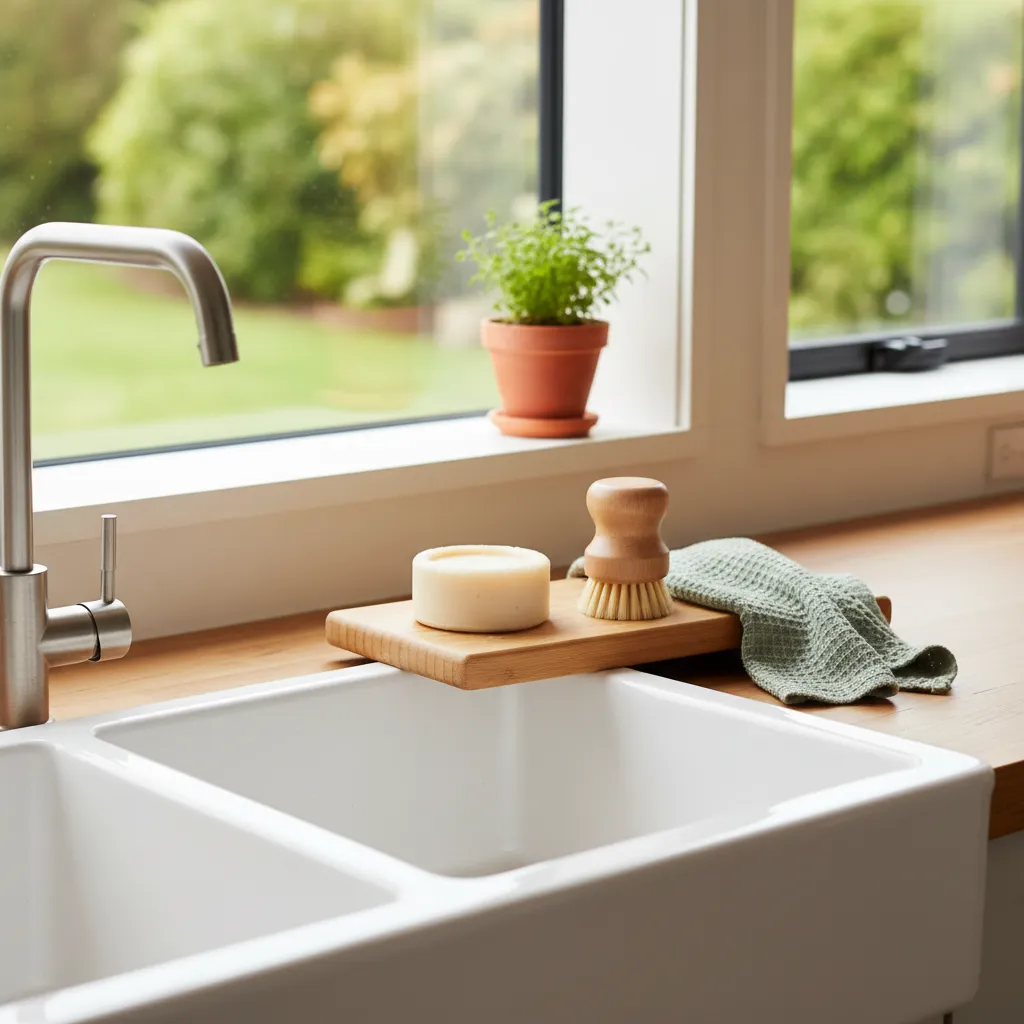
- Solid Dish Soap Bars: Replace liquid dish soap in plastic bottles with a solid bar. They last a long time and come in minimal, often compostable, packaging.
- Compostable Sponges & Brushes: Ditch plastic sponges for natural loofahs, wooden scrub brushes with natural bristles, or cellulose sponges.
- Refillable Cleaning Sprays: Buy concentrated cleaning solutions or make your own with vinegar and baking soda, then use refillable glass or stainless steel spray bottles.
- Reusable Cloths: Microfibre cloths (though synthetic, they last) or cotton cloths can replace paper towels, reducing waste.
Shopping Smart: Reducing Plastic at the Supermarket
Your grocery trip is a prime opportunity to reduce plastic. With a little planning, you can significantly cut down on packaging waste.
-
1. Bring Your Own Bags
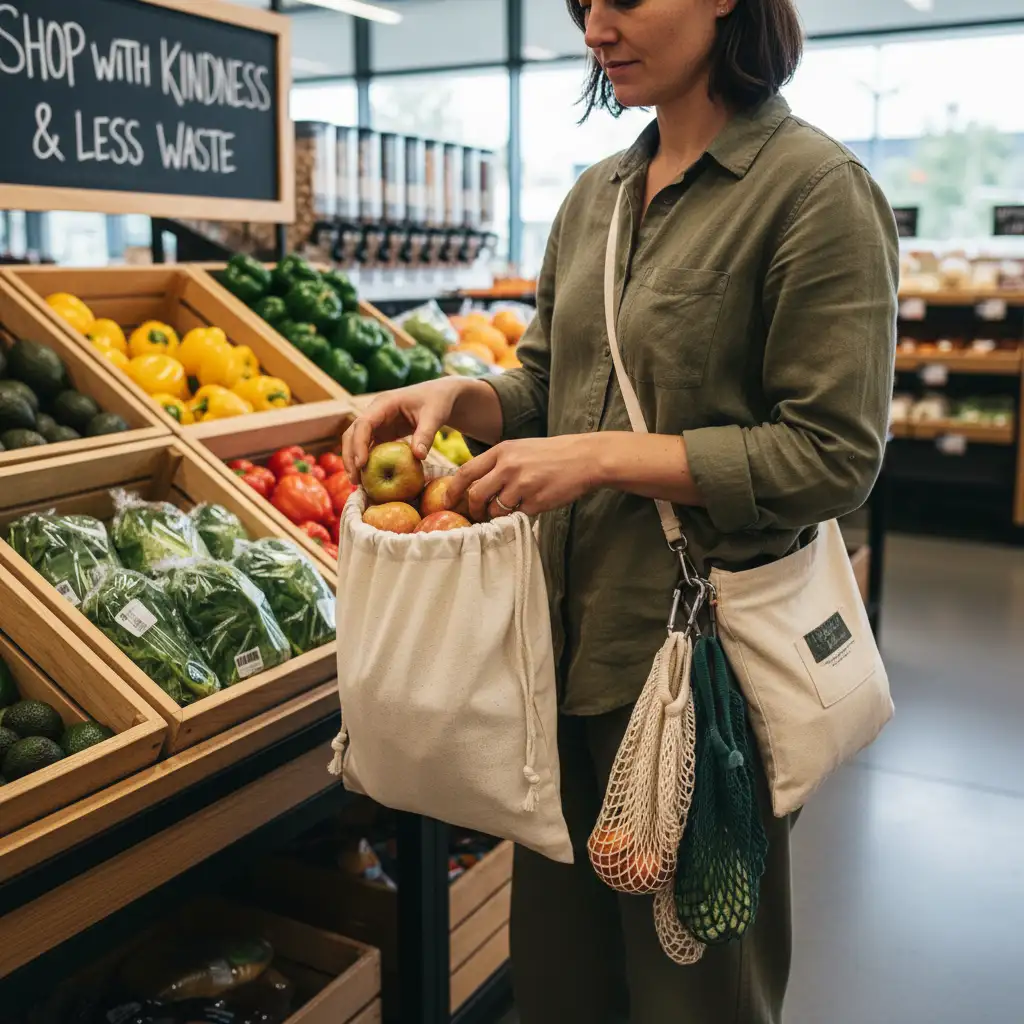
Always carry reusable shopping bags and produce bags for loose fruits and vegetables. Many New Zealand supermarkets now encourage this, and some even have dedicated plastic-free aisles.
-
2. Shop in Bulk
Visit bulk food stores with your own reusable jars and containers for staples like grains, nuts, seeds, and even liquids. This is a powerful way to **embrace a plastic-free kitchen** from the source.
-
3. Choose Package-Free Produce
Select fruits and vegetables that aren’t wrapped in plastic. Often, farmers’ markets are excellent places to find fresh, unpackaged goods and support local growers.
-
4. Look for Sustainable Packaging
When plastic is unavoidable, opt for items in glass, cardboard, or infinitely recyclable aluminium. Support brands that are actively working towards more sustainable packaging solutions.
Overcoming Challenges & Staying Motivated
Going plastic-free isn’t always easy, especially in a world built on convenience. You might encounter challenges, but don’t get discouraged.
“Every single-use plastic item avoided is a victory for our environment. Progress, not perfection, is key.”
If you forget your reusable bags, don’t beat yourself up; just remember them next time. If a certain plastic-free swap is too expensive upfront, save up or look for second-hand alternatives. Focus on the positive impact you’re making and celebrate small successes. Connect with local zero-waste communities in New Zealand for support and inspiration.
Your Plastic-Free Kitchen Action Checklist
Ready to transform your kitchen? Use this checklist to guide your journey to **embrace a plastic-free kitchen**:
- ✓ Audit: Identify plastic hotspots in your kitchen.
- ✓ Replenish Mindfully: Replace plastic items only when they wear out.
- ✓ Storage Swaps: Invest in glass jars, stainless steel containers, and beeswax wraps.
- ✓ Utensil Upgrade: Switch to bamboo, wood, or stainless steel cooking tools.
- ✓ Clean Green: Use solid dish soap, natural brushes, and refillable cleaners.
- ✓ Shop Smart: Always bring reusable bags and shop in bulk or for unpackaged items.
- ✓ Learn & Grow: Continuously seek new ways to reduce waste and stay informed.
Conclusion
Making the shift to **embrace a plastic-free kitchen** is a powerful way to contribute to a healthier planet. It’s a journey of conscious choices, mindful consumption, and a commitment to reducing your environmental impact. Every swap, every refusal of plastic, and every sustainable choice you make helps protect Aotearoa’s unique environment for future generations.
Start small, stay persistent, and celebrate your progress. Your plastic-free kitchen isn’t just a space; it’s a statement about the world you want to live in.
Frequently Asked Questions
Is going completely plastic-free realistic for Kiwis?
While completely eliminating plastic can be challenging, aiming to significantly reduce it is highly achievable. Focus on progress over perfection. Many local New Zealand businesses offer fantastic plastic-free alternatives, making it easier than ever to make sustainable choices.
What are the best affordable alternatives to plastic food storage?
Glass jars (repurposed from food items like jam or sauces), stainless steel containers, and even old ceramic bowls with plates as lids are excellent and often inexpensive options. Beeswax wraps, while an initial investment, save money over time compared to cling film.
How can I reduce plastic when shopping for groceries in New Zealand?
Always bring your reusable shopping bags and produce bags. Seek out bulk food stores or farmer’s markets where you can fill your own containers. Choose unpackaged fruits and vegetables, and look for items sold in glass, paper, or metal packaging.
Are silicone products truly plastic-free?
Silicone is a synthetic polymer, but it is not a plastic. It’s much more durable, flexible, and resistant to extreme temperatures than plastic, making it a great reusable alternative for many kitchen items. While not biodegradable, it’s long-lasting and can often be recycled through specialised programs.
References & Sources
- Ministry for the Environment. (2022). Waste and recycling in New Zealand. Retrieved from environment.govt.nz
- Zero Waste International Alliance. (n.d.). Zero Waste Principles. Retrieved from zwia.org
- The Story of Plastic (Documentary). (2019). Key Facts about Plastic Pollution.
- Local New Zealand Eco-stores and Bulk Bins initiatives (e.g., Bin Inn, GoodFor).