Efficient Heating & Insulation: Your Guide to a Warmer, Healthier NZ Home
As New Zealanders, creating comfortable, energy-efficient homes is paramount for health, cost savings, and a lighter environmental footprint. With our diverse climate, effective heating and robust insulation are non-negotiable. This comprehensive guide will equip you with expert knowledge to make informed decisions, especially when exploring heat pumps NZ comparison options for your property.
Dive into the world of smart home heating, understand the crucial role of insulation, and discover how government grants can make these essential upgrades more accessible. Let’s transform your home into a warm, dry haven, the sustainable way.
Table of Contents
Choosing the Right Heat Pump for Your NZ Home
Selecting the ideal heat pump goes beyond brand choice; it’s about matching the system to your home’s unique requirements, your lifestyle, and New Zealand’s diverse climate. A correctly specified heat pump provides efficient heating and cooling, improves air quality, and can significantly reduce energy bills.
Key Factors for Selection:
- Home Size & Layout: The primary factor. Ensure the heat pump is correctly sized for the area it will heat or cool. Incorrect sizing leads to inefficiency.
- Climate Zone: NZ’s regions vary. Colder areas require models with superior low-temperature performance (e.g., higher Coefficient of Performance – COP at 2°C or -7°C).
- Heat Pump Type:
- High Wall: Most common, cost-effective for single rooms or open-plan areas.
- Floor Console: Ideal for specific spaces or replacing older heating units, sits low.
- Ducted Systems: Provides discreet, whole-home heating/cooling via vents, best for new builds or major renovations.
- Multi-Split: Multiple indoor units connect to one outdoor unit, allowing individual room control.
- Energy Efficiency Rating (SPF): Look for high Seasonal Performance Factor (SPF) ratings, which indicate greater efficiency over a heating season and lower running costs.
- Features & Technology: Consider Wi-Fi control, advanced air filtration (e.g., Plasma Quad), quiet modes, and timers for enhanced comfort.
“Investing in the right heat pump, coupled with proper insulation, is one of the most impactful decisions you can make for your home’s comfort, health, and energy efficiency in New Zealand.”
– Sustainable Living NZ Expert
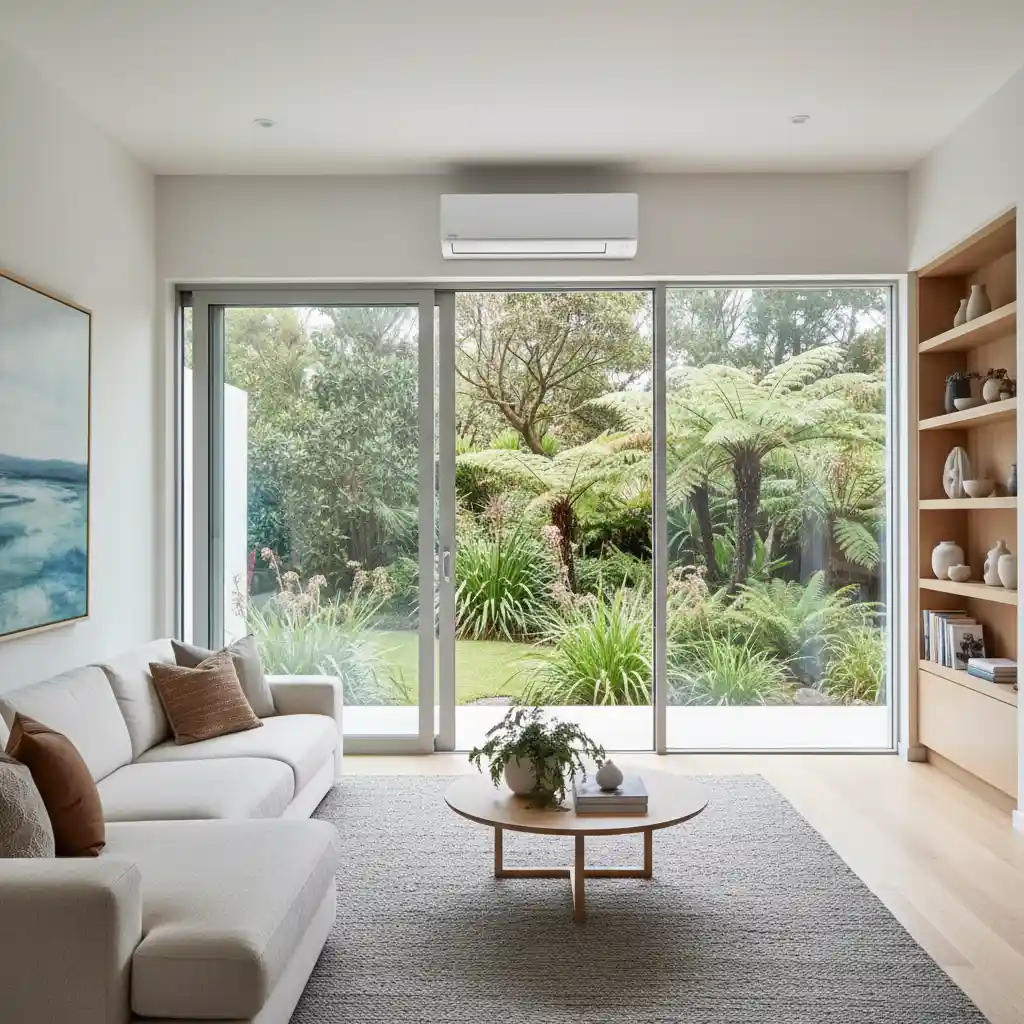
Heat Pump Brands Comparison: Daikin vs. Mitsubishi vs. Panasonic
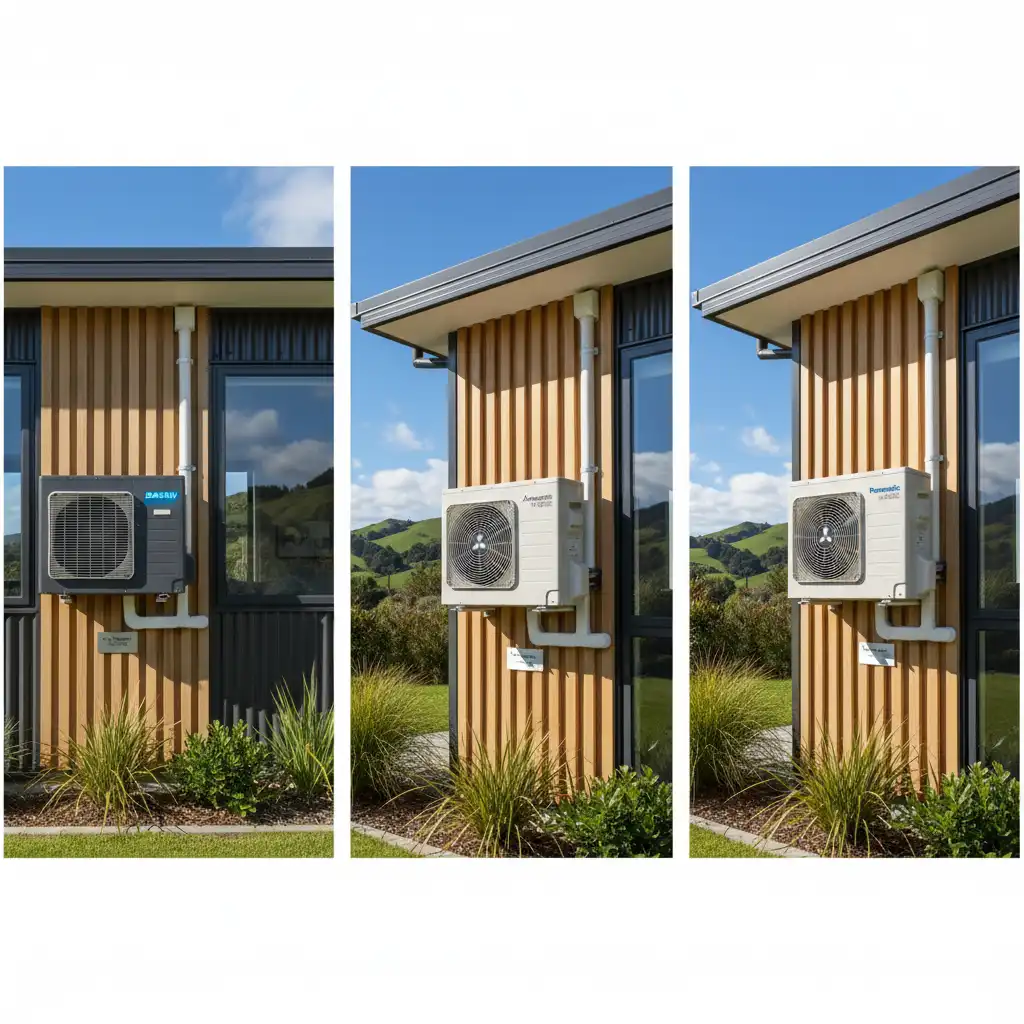
When seeking the best heat pump solutions in NZ, three leading brands consistently stand out: Daikin, Mitsubishi Electric, and Panasonic. Each offers robust, efficient technology with distinct advantages. This heat pumps NZ comparison will help you weigh your options.
| Feature | Daikin | Mitsubishi Electric | Panasonic |
|---|---|---|---|
| Reputation & Focus | Global leader, known for quiet operation, innovation, and air purification. | Highly regarded for durability, advanced filtration (Plasma Quad), and strong cold-climate performance. | Strong contender, offers excellent value, intelligent features (nanoe-G), and broad reliability. |
| Key Technologies | Streamer Discharge air purification, Intelligent Eye sensor, Coanda airflow for even distribution. | Plasma Quad Plus filtration, HyperCore (sustained heating in extreme cold), Dual Barrier Coating for longevity. | nanoe-G air purification, ECONAVI sensors for energy saving, Aerowings for improved airflow control. |
| Energy Efficiency | Consistently high SPF ratings across many models, demonstrating excellent efficiency. | Often class-leading, especially HyperCore models which maintain high efficiency in low temperatures. | Very competitive SPF figures, offering robust performance for the price point. |
| Typical Price Range (NZD) | Mid to high-end, reflecting premium features and brand reputation. | Mid to high-end, with HyperCore and advanced filtration models at the higher end. | Generally competitive, offering a good balance of features and performance for the cost. |
| Standard Warranty | Typically 5 years parts and labour. | Typically 5 years parts and labour. | Typically 5 years parts and labour. |
Note: Specific models within each brand offer varying features and performance. Always consult with a certified installer for personalised recommendations.
While Daikin is renowned for quiet operation and advanced airflow, Mitsubishi Electric often leads in cold climate performance and superior air filtration. Panasonic provides strong all-around performance with intelligent features at a competitive price point. Your ideal choice will align with your specific home needs and budget.
Home Insulation NZ: Types, Costs & Benefits
A high-performing heat pump needs good insulation to operate at its best. In New Zealand, robust insulation is crucial for retaining warmth in winter and keeping homes cool in summer, significantly reducing the workload on your heating and cooling systems. While new builds adhere to strict Building Code H1 standards, many existing homes can greatly benefit from insulation upgrades.
Key Areas & Types of Insulation:
- Ceiling Insulation: Most critical as heat rises. Common materials include fibreglass, polyester, wool, and cellulose. Aim for an R-value of at least R3.2 (higher for colder regions).
- Underfloor Insulation: Prevents heat loss through floors, especially vital for homes with suspended timber floors. Options include polystyrene panels, fibreglass, and polyester batts. Minimum R1.3 for most regions.
- Wall Insulation: More challenging to retrofit but provides comprehensive energy efficiency. Retrofit options include blown-in insulation; new builds use batts or blankets. Minimum R2.0 for most regions.
Benefits of Effective Insulation:
- Reduced Energy Bills: Less heat loss means less energy consumed by your heating system.
- Improved Comfort: More consistent temperatures, fewer cold spots, and a healthier indoor environment.
- Dampness Reduction: Helps prevent condensation, mould, and related respiratory issues.
- Increased Property Value: A well-insulated home is a more attractive and valuable asset.
Stat Callout: “Studies show that a fully insulated home can reduce heating costs by up to 30% annually, providing significant long-term savings for New Zealand homeowners.”
– EECA Data & Research

Warmer Homes Grants & Subsidies
The New Zealand government actively supports homeowners in improving their energy efficiency through various initiatives. The most prominent is the Warmer Kiwi Homes programme, administered by the Energy Efficiency and Conservation Authority (EECA), which provides grants for insulation and heating upgrades.
Warmer Kiwi Homes Programme:
This programme offers grants for eligible homeowners to install insulation and/or efficient heating solutions, including heat pumps. Key eligibility criteria typically include:
- Owning and living in a home built before 2008.
- Having a Community Services Card or SuperGold Card with a Community Services (CSC) endorsement.
- Living in a low-income area (based on specific NZ Deprivation Index scores).
- Having a health condition exacerbated by a cold, damp home (doctor’s note may be required).
Grants can cover a significant portion, often 80-100% for insulation and a substantial contribution towards a heat pump. Always check the latest eligibility on the EECA website or with an approved Warmer Kiwi Homes service provider.
Other Support Options:
- Local Council Initiatives: Some councils offer rates-funded loans for energy efficiency upgrades, repaid via your rates bill over several years.
- Banks & Financial Institutions: Increasingly, banks offer ‘green home loans’ or specific financing options for energy-efficient upgrades with preferential rates.
Stat Callout: “Over 100,000 New Zealand homes have benefited from the Warmer Kiwi Homes programme, contributing to a healthier and more sustainable national housing stock.”
– EECA Programme Report
Energy-Efficient Heating Tips
Beyond major investments like heat pumps and insulation, everyday habits play a crucial role in maintaining your home’s energy efficiency and managing running costs.
- Optimal Temperature Setting: Aim for 18-21°C in winter. Each degree higher can increase heating costs by 10-15%.
- Utilise Timers & Modes: Program your heat pump to turn on/off or adjust temperature when you’re home or asleep. Use ‘dry’ mode to dehumidify without overcooling.
- Zone Heating: Only heat the rooms you’re actively using. Close doors to unheated areas to prevent heat loss.
- Seal Draughts: Simple draught stoppers, weather strips, or gap fillers around windows, doors, and skirting boards can make a significant difference.
- Manage Curtains & Blinds: Close them at dusk to trap heat inside. Open them during the day to maximise passive solar gain. Ensure they don’t block heat pump airflow.
- Regular Maintenance: Clean your heat pump filters monthly. Dirty filters can reduce efficiency by up to 25% and shorten the unit’s lifespan.
- Strategic Ventilation: While sealing draughts, ensure adequate ventilation to prevent condensation and maintain healthy air quality. Use extractor fans and air out your home briefly on fine days.
Achieving an efficiently heated and insulated home in New Zealand is a rewarding journey that delivers dividends in comfort, health, and financial savings. By thoughtfully choosing the right heat pump, ensuring adequate insulation, exploring available grants, and adopting smart energy habits, you’re not just warming your home—you’re investing in a more sustainable and cost-effective future. Make your Kiwi home a beacon of warmth and efficiency.
Frequently Asked Questions (FAQ)
Q: What is the average lifespan of a heat pump in NZ?
A: A well-maintained heat pump typically lasts between 10 to 15 years. Regular servicing and cleaning its filters are crucial for extending its life and maintaining optimal efficiency.
Q: How much does it cost to install a heat pump in NZ?
A: Installation costs vary significantly based on the heat pump’s type, size, brand, and installation complexity. A standard high-wall unit might cost $2,000-$5,000 installed, while ducted systems can range from $10,000-$20,000+. Always obtain multiple quotes from certified installers.
Q: Can I install insulation myself to save costs?
A: While some DIY insulation (e.g., ceiling batts) is feasible, professional installation is highly recommended for underfloor or wall insulation. This ensures safety, correct installation, and compliance with building codes, preventing issues like moisture traps or inadequate performance.
Q: Are heat pumps effective in very cold parts of NZ, like Otago or Canterbury?
A: Yes, modern heat pumps, especially models designed for colder climates (e.g., Mitsubishi Electric’s HyperCore), are highly effective. They are engineered to maintain efficiency and heating capacity even in sub-zero temperatures. Look for models with strong COP ratings at lower ambient temperatures.
Q: Where can I find out more about the Warmer Kiwi Homes grant eligibility?
A: The most up-to-date and accurate information on eligibility and the application process can be found directly on the EECA Warmer Kiwi Homes website or by contacting an approved Warmer Kiwi Homes service provider in your local area.
References & Sources
- Energy Efficiency and Conservation Authority (EECA) – eeca.govt.nz
- Building Performance – New Zealand Building Code H1 Energy Efficiency – building.govt.nz
- Consumer NZ – Heat Pump Buying Guide & Reviews – consumer.org.nz
- New Zealand Green Building Council – nzgbc.org.nz
- BRANZ (Building Research Association of New Zealand) – branz.co.nz