Effective Budgeting for Sustainable Resource Allocation
Unlock financial freedom and environmental stewardship. Discover practical strategies for aligning your budget with a truly sustainable lifestyle in Aotearoa.
In an era where environmental consciousness is no longer a luxury but a necessity, many New Zealanders are seeking ways to integrate sustainable practices into every facet of their lives. While the desire to live greener is strong, the perceived financial burden can often be a significant barrier. This is where effective budgeting for sustainable resource allocation becomes not just helpful, but essential.
It’s about more than just saving money; it’s about conscious choices that reduce waste, support ethical consumption, and ultimately contribute to a healthier planet and a more resilient financial future for you and your whānau. This guide will help you navigate the journey from intention to impact, showing you how to build a budget that reflects your sustainable values without breaking the bank.
Why Budget for Sustainability?
Transitioning to a sustainable lifestyle often involves a shift in perspective, viewing resources not as infinite commodities but as precious assets requiring careful management. Budgeting for sustainability is the financial framework that supports this shift, offering multifaceted benefits.
Minimising Environmental Impact
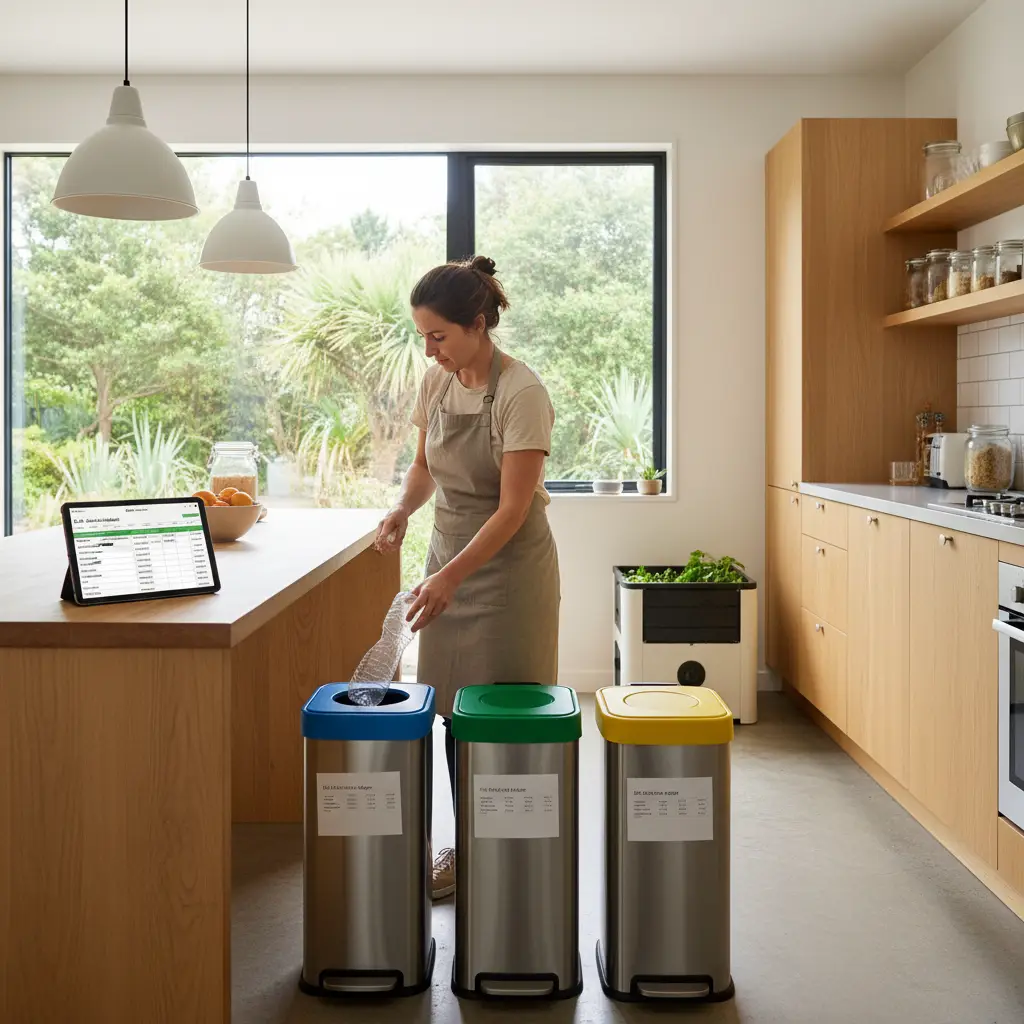
Every dollar we spend casts a vote for the kind of world we want. By consciously allocating funds, we can support businesses that prioritise ethical production, renewable energy, and waste reduction. This directly reduces your carbon footprint and contribution to landfill, aligning your finances with your eco-values.
Maximising Financial Savings
While initial investments in sustainable alternatives might seem higher, they often lead to significant long-term savings. Think about energy-efficient appliances, homegrown produce, or repairing items instead of replacing them. An effective budget for sustainable resource allocation inherently promotes thrift and efficiency.
Fostering Social Responsibility
Sustainable budgeting also means considering the social impact of your purchases. It encourages supporting local businesses, fair-trade products, and companies with transparent, ethical supply chains, contributing to stronger communities and equitable labour practices.
The Core Principles of Sustainable Budgeting
At its heart, sustainable budgeting is about applying the ‘Reduce, Reuse, Recycle’ mantra to your finances. It’s a mindful approach to consumption, shifting from a linear ‘take-make-dispose’ model to a circular one that values longevity, efficiency, and minimal impact.
“Sustainability isn’t just about what we consume, but how we consume, and how our financial decisions ripple through the environment and society.” – Ethical Consumer NZ
This requires a fundamental mindset shift, where every spending decision is viewed through the lens of its environmental footprint and long-term value, not just its immediate cost.

Step-by-Step: Implementing Your Sustainable Budget
Ready to put theory into practice? Here’s a guided approach to building an effective budget for sustainable resource allocation that truly works for you.
1. Assess Your Current Footprint & Spending
- Track Everything: For a month, meticulously record all your income and expenses. This provides a baseline.
- Analyse Your Impact: Look beyond the numbers. Where are your biggest waste generators (e.g., single-use plastics, excessive energy consumption, food waste)? Where could you make the most significant sustainable changes?
- Identify Problem Areas: Are there subscriptions you don’t use, impulse purchases, or unnecessary expenses that don’t align with your values?
2. Set Clear Sustainable Goals
- Specific & Measurable: Instead of “be more sustainable,” aim for “reduce household waste by 20% by purchasing in bulk and composting” or “switch 50% of monthly groceries to local, seasonal produce.”
- Financial Targets: Alongside your environmental goals, set financial targets. How much do you want to save by reducing consumption? What can you reallocate to sustainable investments?
3. Categorize and Prioritise Sustainable Spending
- Essential Sustainable Living: Allocate funds for things like energy-efficient utilities, public transport, ethical groceries.
- Reducing Waste: Budget for reusable items (bags, coffee cups), repair services, or composting solutions.
- Ethical Investments: Consider allocating a portion to sustainable KiwiSaver funds, local community projects, or impact investments.
- The 50/30/20 Rule (Sustainable Twist): Apply a framework like this (50% needs, 30% wants, 20% savings/debt) but with a sustainable lens. Are your ‘wants’ genuinely aligned with your values, or can they be swapped for lower-impact alternatives?
4. Track, Monitor, and Adjust
- Regular Review: Check your budget weekly or bi-weekly. Are you staying on track?
- Be Flexible: Life happens. If an unexpected expense arises, adjust other categories rather than abandoning your sustainable goals entirely.
- Identify Wins & Challenges: Celebrate successes and learn from areas where you struggled. What can be improved next month?

5. Invest in Long-Term Sustainability
- Upfront Costs, Future Savings: Sometimes, sustainable choices require an initial investment (e.g., solar panels, a good quality bike, highly durable clothing). Factor these into your budget as strategic investments.
- Knowledge & Skills: Allocate time or a small budget for learning skills like mending, gardening, or DIY, which further reduce consumption.
Action Checklist: Practical Tips for a Greener Wallet
Use this checklist to kickstart your journey towards effective budgeting for sustainable resource allocation.
- _ Conduct a ‘waste audit’ of your household to identify key areas for reduction.
- _ Plan meals weekly to reduce food waste and save on groceries.
- _ Prioritise buying second-hand before new for clothing, furniture, and electronics.
- _ Switch to a renewable energy provider or explore home energy efficiency upgrades.
- _ Support local farmers’ markets and producers for seasonal goods.
- _ Invest in reusable items: water bottles, coffee cups, shopping bags, menstrual products.
- _ Learn basic repair skills for clothes, appliances, or bikes to extend their lifespan.
- _ Opt for experiences over material possessions where possible.
- _ Review your bank and KiwiSaver accounts to ensure they align with ethical investment principles.
- _ Discuss sustainable goals with your household to ensure collective effort.
Embracing effective budgeting for sustainable resource allocation is a powerful way to take control of your finances while contributing positively to the planet. It’s an ongoing journey of learning, adjustment, and conscious choice. By aligning your money with your values, you not only build financial resilience but also cultivate a lifestyle that truly thrives in harmony with nature.
Start small, be consistent, and celebrate every step you take towards a more sustainable and financially robust future here in New Zealand.
Frequently Asked Questions (FAQ)
Is sustainable budgeting more expensive?
Not necessarily. While some sustainable products may have a higher upfront cost, many strategies like reducing waste, buying second-hand, and conserving energy actually lead to significant long-term savings. The key is to shift consumption patterns rather than just replacing one expensive item with another.
How do I track my sustainable spending?
You can use digital budgeting apps, spreadsheets, or even a simple notebook. The important thing is to categorize your spending to highlight areas where you’re making sustainable choices (e.g., ‘Local Produce’, ‘Eco-friendly Products’, ‘Repairs’) and areas where you could improve.
What are some quick wins for starting a sustainable budget?
Start with easy changes like meal planning to reduce food waste, unplugging electronics when not in use, using reusable water bottles and coffee cups, and exploring public transport or cycling for shorter trips. These small steps can quickly add up to both environmental and financial benefits.
How can I ensure my investments are sustainable?
Many banks and KiwiSaver providers now offer ethical or sustainable investment options. Research their policies and portfolios to ensure they align with your values, avoiding industries like fossil fuels, weapons, or harmful practices. Look for transparency reports on their environmental, social, and governance (ESG) criteria.
References / Sources