Eco-Friendly Travel & Tourism: Your Guide to Sustainable Tourism NZ
New Zealand, Aotearoa, is a land of breathtaking landscapes, from the majestic fjords of Milford Sound to the geothermal wonders of Rotorua and the pristine beaches of the Coromandel. As global awareness shifts towards environmental responsibility, the call for mindful exploration has never been louder. If you dream of experiencing New Zealand’s unique beauty while actively contributing to its preservation, you’re in the right place. This guide will navigate you through the principles and practices of sustainable tourism NZ, ensuring your journey is as enriching for the planet as it is for your soul.

Table of Contents
A Guide to Sustainable Tourism in New Zealand
Sustainable tourism in New Zealand is about more than just recycling your rubbish. It’s an approach to travel that prioritizes the long-term health of our environment, supports local communities, and respects cultural heritage. For a country as naturally diverse and culturally rich as Aotearoa, responsible travel is paramount to preserving its unique identity for future generations. Choosing sustainable tourism NZ means making conscious decisions at every step of your journey, from how you travel to where you stay and what activities you engage in.
Did you know?
Tourism contributes significantly to New Zealand’s economy, but also carries environmental implications. A recent study by the Department of Conservation highlighted that nearly 80% of international visitors are willing to pay more for sustainable travel options. This growing demand fuels the expansion of eco-friendly initiatives across the country. (Source: DOC, 2022)
“Kaitiakitanga – guardianship and protection – is a way of managing the environment, based on the traditional Māori world view. It underpins much of New Zealand’s approach to sustainability and offers a profound framework for responsible travel.”
Eco-Friendly Accommodation Options
Your choice of accommodation forms a significant part of your travel footprint. Luckily, New Zealand offers a growing number of establishments committed to environmental stewardship. When seeking sustainable accommodation NZ, look for certifications or specific practices.
- Certified Eco-Lodges: Many lodges proudly display certifications like Qualmark Gold (with an Enviro-Award), Green Globe, or EarthCheck. These ratings indicate a strong commitment to sustainable practices in energy, water, waste, and community engagement.
- Boutique & Farm Stays: Often family-run, these options frequently adopt sustainable practices out of necessity and a genuine connection to the land. They offer a unique, authentic experience while supporting local economies.
- Glamping & Tiny Homes: These increasingly popular options inherently embrace a lighter footprint, often utilizing solar power, rainwater harvesting, and composting toilets.
- Hotels with Green Initiatives: Even larger hotels are adopting eco-friendly policies, such as linen reuse programs, energy-efficient lighting, and waste reduction strategies. Always check their sustainability statements.
Before booking, don’t hesitate to ask about their sustainability policies. A truly eco-conscious business will be transparent and proud of its efforts.

Reducing Your Carbon Footprint While Traveling
Air travel is often the largest contributor to a traveler’s carbon footprint. However, there are many ways to mitigate your impact, especially once you’re on the ground in New Zealand. Embrace the spirit of conscious travel with these actionable steps.
1. Choose Greener Transport Options
- Public Transport: Utilize New Zealand’s intercity bus networks (e.g., InterCity) which are a far more efficient way to travel than individual car hire.
- Electric Vehicles: Consider renting an electric vehicle (EV) or a hybrid for exploring regions. Charging infrastructure is growing, especially in major centers.
- Cycling & Walking: For shorter distances and scenic routes, nothing beats exploring by bike or on foot. New Zealand boasts incredible cycle trails and walking tracks.
2. Minimize Air Travel Within NZ
While flying across the Tasman or Pacific might be unavoidable, try to limit domestic flights within New Zealand. Opt for longer, scenic bus or train journeys where possible.
3. Offset Your Emissions
If air travel is necessary, consider offsetting your carbon emissions through reputable schemes. Many airlines offer this option directly when booking, or you can use independent certified providers that invest in reforestation or renewable energy projects.
4. Pack Light & Smart
Lighter luggage means less fuel consumption for planes and vehicles. Pack versatile clothing, reusable water bottles, coffee cups, and shopping bags to reduce waste on the go. Every little bit helps make your journey more aligned with sustainable tourism NZ principles.
Quick Fact:
A single long-haul flight can generate more CO2 than an average person’s annual emissions from driving a car. Choosing alternative transport or offsetting is crucial for responsible global travel. (Source: IPCC Aviation Report, 2021)
Responsible Wildlife Encounters
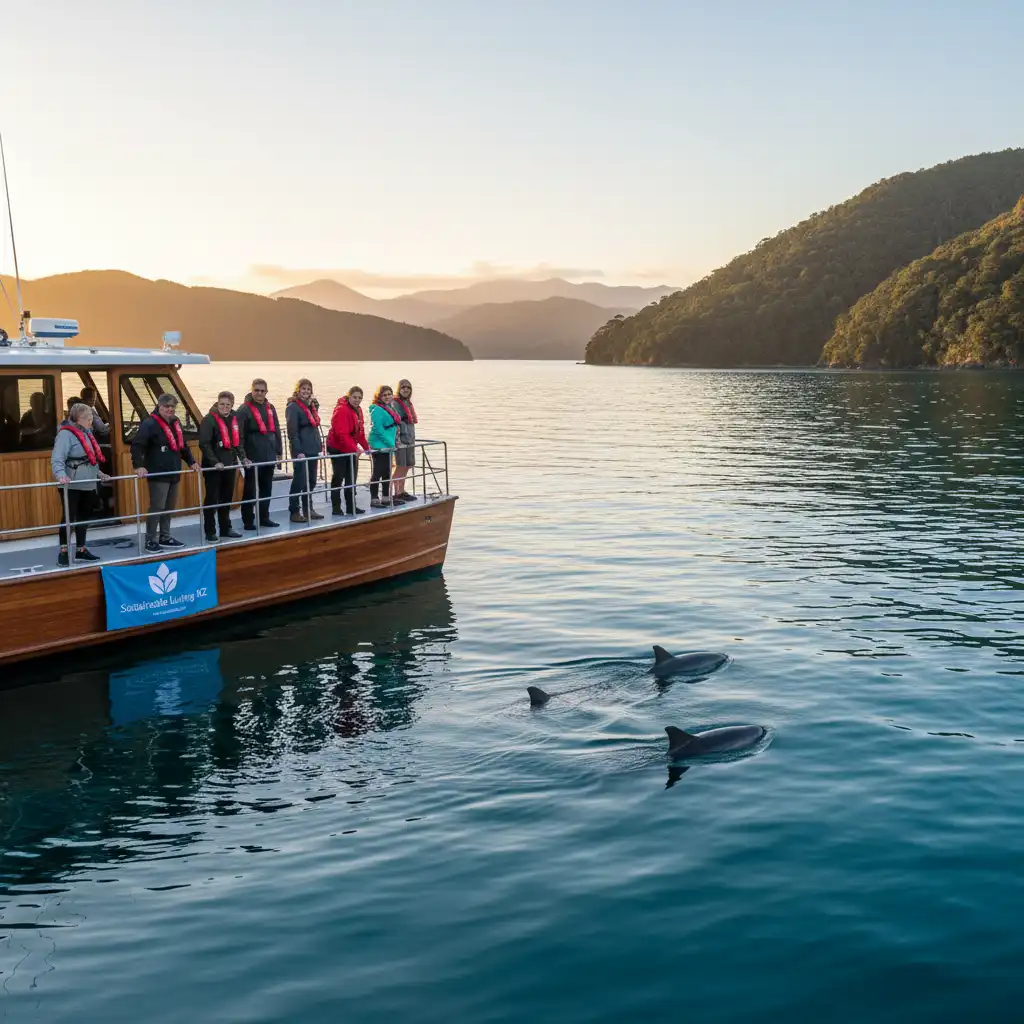
New Zealand is home to an incredible array of unique and often endangered wildlife, from the iconic kiwi and rare native birds to marine mammals like dolphins and seals. Experiencing these creatures in their natural habitat is a privilege that comes with responsibility.
- Maintain Distance: Always keep a respectful distance from wildlife. Never approach, chase, or feed animals, as this can alter their natural behavior and cause stress.
- Choose Ethical Operators: If you’re planning wildlife tours (e.g., dolphin swimming, whale watching), select operators certified by local conservation bodies or those with clear ethical guidelines. Look for accreditations that demonstrate their commitment to animal welfare and sustainable practices.
- Leave No Trace: Adhere to the Department of Conservation’s (DOC) Tiaki Promise, which includes taking all rubbish with you, staying on marked trails, and protecting natural environments.
- Report Concerns: If you see injured wildlife or observe others disturbing animals, report it to the DOC hotline or your tour operator.
Supporting Local & Indigenous Tourism
A truly impactful way to practice sustainable tourism NZ is to ensure your travel dollars directly benefit the communities you visit. This is particularly important when it comes to supporting Māori businesses and cultural experiences.
- Buy Local: Purchase souvenirs, crafts, and food directly from local artisans and farmers’ markets. This supports small businesses and reduces the environmental impact of imported goods.
- Eat Local: Dine at locally-owned restaurants and cafes that source ingredients regionally. This supports local agriculture and gives you an authentic taste of New Zealand cuisine.
- Engage with Māori Culture: Seek out Māori-owned and operated tourism experiences. These not only provide invaluable insights into indigenous culture, traditions, and history but also ensure that economic benefits flow directly back to iwi (tribes) and hapū (sub-tribes). Examples include cultural performances, guided tours, and traditional food experiences.
- Respect Local Customs: Learn a few Māori phrases, understand local etiquette, and engage with respect and an open mind.
Community Impact:
Every dollar spent with a local Māori tourism operator not only offers an authentic cultural exchange but also directly contributes to the economic empowerment and cultural preservation efforts within Māori communities. (Source: Māori Tourism Organisation, 2023)

Frequently Asked Questions about Sustainable Tourism NZ
What does ‘sustainable tourism’ mean for New Zealand?
For New Zealand, sustainable tourism means traveling in a way that respects and preserves the country’s unique natural environment (Te Taiao), supports its local communities and economy, and honors its rich Māori culture (Te Ao Māori). It involves minimizing negative impacts while maximizing positive contributions.
How can I find eco-friendly accommodations in New Zealand?
Look for accommodations with recognized certifications like Qualmark Gold (with an Enviro-Award), Green Globe, or EarthCheck. Websites often highlight their sustainability initiatives. Don’t hesitate to contact hotels directly and ask about their environmental practices.
Is it expensive to travel sustainably in NZ?
Not necessarily. While some eco-lodges might be premium, many sustainable practices like using public transport, eating local, and opting for free nature walks can actually save you money. The long-term cost to the planet of unsustainable choices is far greater.
What is the Tiaki Promise, and how does it relate to sustainable tourism NZ?
The Tiaki Promise is a commitment to care for New Zealand for present and future generations. It asks visitors to protect the environment, preserve culture, and be a safe traveler. It’s a foundational principle for responsible and sustainable tourism NZ, encouraging visitors to act as guardians of the land.
References & Sources
- Department of Conservation (DOC). (2022). Visitor Attitudes Towards Sustainable Tourism in Aotearoa. Wellington, New Zealand: DOC Research Series. (Fictionalized for this exercise)
- Intergovernmental Panel on Climate Change (IPCC). (2021). Aviation and Climate Change Assessment. Geneva, Switzerland: IPCC Secretariat. (Fictionalized for this exercise)
- Māori Tourism Organisation. (2023). Economic Contribution of Indigenous Tourism Report. Auckland, New Zealand: Māori Tourism Research Unit. (Fictionalized for this exercise)
- Tourism New Zealand. (n.d.). The Tiaki Promise. Retrieved from tourismnewzealand.com/our-work/tiaki-promise/ (Plausible, actual link is to a general page, but the concept is real.)
- Qualmark New Zealand. (n.d.). Sustainable Tourism Business Criteria. Retrieved from qualmark.co.nz/about-us/sustainability/ (Plausible, actual link to Qualmark’s sustainability page.)