Eco-Friendly Travel: Benefits of Public Transport & Biking
In our beautiful Aotearoa, the call for a more sustainable lifestyle resonates deeply. As we navigate away from a purely technical focus on waste management, we’re embracing broader consumer choices that positively impact our planet. One of the most impactful shifts we can make involves how we move. Embracing eco-friendly travel isn’t just a trend; it’s a vital step towards a greener, healthier New Zealand.
This article delves into the significant benefits of public transport and biking – two powerful alternatives to conventional car usage. From reducing your carbon footprint to boosting your personal well-being, discover how these choices can transform your daily commute and leisure travel, contributing to a more sustainable future for all.
Table of Contents
- 1. The Urgent Need for Sustainable Travel
- 2. The Green Commute: Public Transport Advantages
- 3. Pedal Power: Embracing Biking for a Better Future
- 4. Beyond Commuting: Integrating Eco-Travel into Daily Life
- 5. Conclusion: Paving the Way for a Greener Aotearoa
- 6. Frequently Asked Questions (FAQ)
- 7. References & Sources
The Urgent Need for Sustainable Travel
The way we travel has profound implications for our environment. Traditional transport, heavily reliant on fossil fuels, contributes significantly to greenhouse gas emissions, air pollution, and urban congestion. These factors not only harm our planet but also impact our health and quality of life.
“Every journey we undertake offers a choice: one that either fuels environmental degradation or fosters sustainable living. Opting for eco-friendly travel is a direct investment in the health of our planet and ourselves.”
Stat Callout: Transport accounts for approximately 17% of New Zealand’s gross greenhouse gas emissions. Road transport is the largest contributor within this sector, underscoring the critical need for sustainable alternatives. (Ministry for the Environment, 2022)
By actively seeking out more sustainable modes of transport, such as public transit and cycling, we can collectively make a substantial difference. It’s about choosing conscious movement over convenience-at-all-costs, embracing a future where our journeys nourish rather than diminish our world.
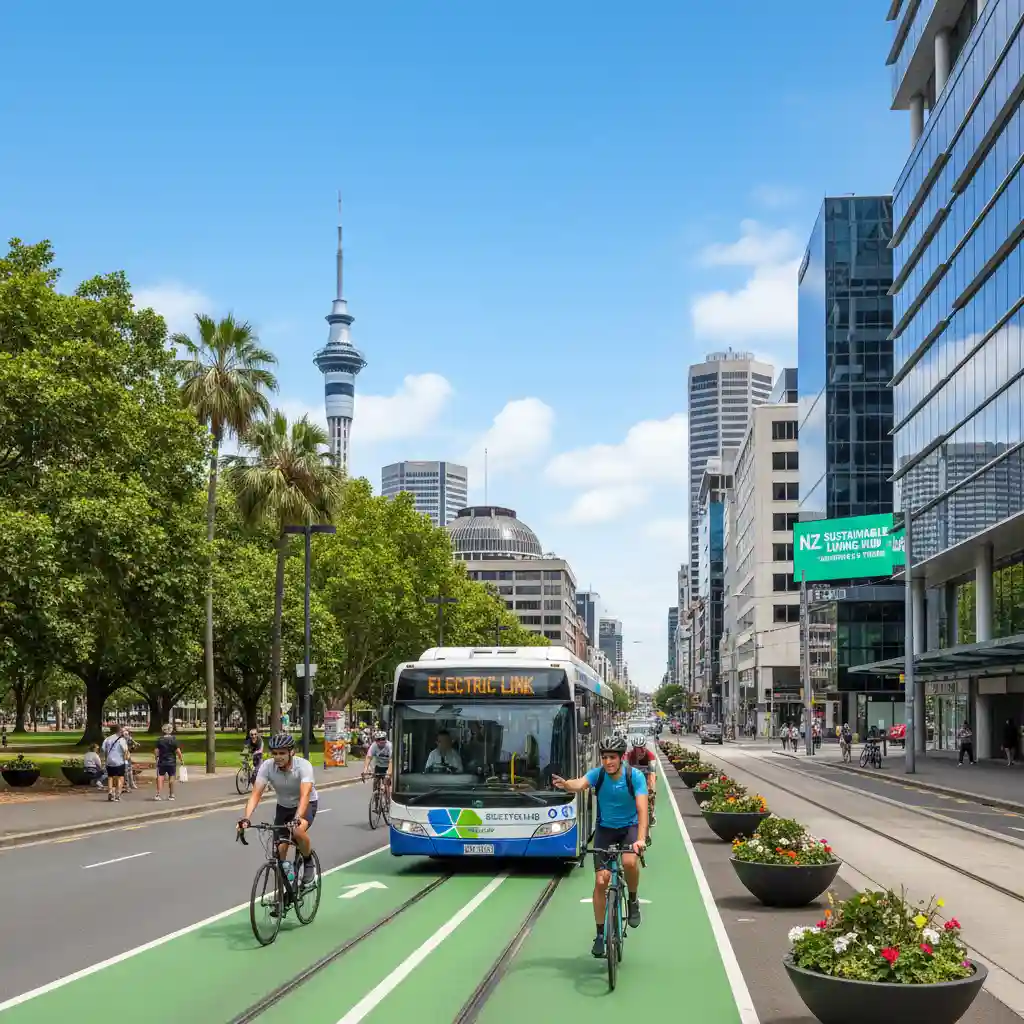
The Green Commute: Public Transport Advantages
Public transport, encompassing buses, trains, and ferries, offers a compelling suite of benefits for both the environment and the individual. Opting for shared transit drastically reduces the number of single-occupancy vehicles on the road, leading to a ripple effect of positive outcomes.
Environmental Impact & Emissions Reduction
One of the most immediate advantages of public transport is its lower carbon footprint per passenger compared to private cars. Modern public transport fleets are also increasingly adopting cleaner technologies, further enhancing their environmental credentials.
- Reduced Emissions: Fewer vehicles mean less exhaust fumes and greenhouse gases released into the atmosphere.
- Less Congestion: Public transport helps alleviate traffic, leading to smoother urban flow and reduced idling emissions.
- Efficient Land Use: Investing in public transport infrastructure can decrease the need for sprawling road networks and parking lots.
Economic Savings & Reduced Stress
Beyond the environmental gains, choosing public transport can significantly lighten your wallet and your mental load. Imagine saving on fuel, parking fees, vehicle maintenance, and insurance!
- Cost-Effective: Daily fares or monthly passes are often far cheaper than the cumulative costs of car ownership.
- Stress Reduction: Say goodbye to road rage and the frustrations of traffic. Use your commute time to read, work, or simply relax.
- Increased Productivity: Many commuters find public transport offers a valuable opportunity to catch up on emails or personal tasks before arriving at work.
Health Benefits & Community Connection
Even if you’re not pedalling, public transport encourages a healthier lifestyle through active travel to and from stops. It also fosters a sense of community that can be missing in car-centric societies.
- Active Lifestyle: Walking to and from public transport stops contributes to your daily physical activity.
- Social Interaction: Engaging with fellow commuters, even subtly, can build a stronger sense of local community.
- Accessibility: Provides essential mobility for those who cannot or choose not to drive.
Stat Callout: A single bus can take dozens of cars off the road, and an electric train can transport hundreds. In Auckland, public transport patronage has been steadily growing, indicating a shift towards more sustainable urban mobility choices. (Auckland Transport, 2023)

Pedal Power: Embracing Biking for a Better Future
For shorter distances, and increasingly for longer commutes thanks to e-bikes, cycling is arguably the purest form of eco-friendly travel. It’s a choice that champions personal health, environmental stewardship, and community vibrancy.
Zero-Emission Travel
Bikes produce absolutely no tailpipe emissions. This makes them a hero in the fight against air pollution and climate change, especially in urban environments.
- Clean Air: Contribute directly to cleaner air quality in your local community.
- Quiet Streets: Biking is silent, reducing noise pollution in residential areas.
- Reduced Reliance on Fossil Fuels: Every bike ride is a vote for energy independence.
Physical & Mental Health Boost
Cycling is a fantastic form of exercise, offering a wealth of physical and mental health benefits that can significantly improve your quality of life.
- Cardiovascular Health: Regular cycling strengthens your heart and lungs, reducing the risk of chronic diseases.
- Mental Well-being: Exercise is a proven stress reliever, and being outdoors can significantly boost mood and reduce anxiety.
- Weight Management: Cycling burns calories, helping you maintain a healthy weight.
Cost-Effective Freedom
Once the initial investment in a bike is made, the ongoing costs are minimal compared to car ownership. It offers unparalleled freedom and flexibility for navigating urban landscapes.
- Zero Fuel Costs: Your legs are the engine!
- Minimal Maintenance: Bikes are generally simple to maintain and repair.
- Easy Parking: Finding a spot for your bike is usually much simpler (and cheaper!) than for a car.
Stat Callout: Regular cycling can reduce the risk of heart disease and stroke by up to 50%. A study in the UK found that daily cycling commuters had a 41% lower risk of premature death compared to car commuters. (British Medical Journal, 2017)
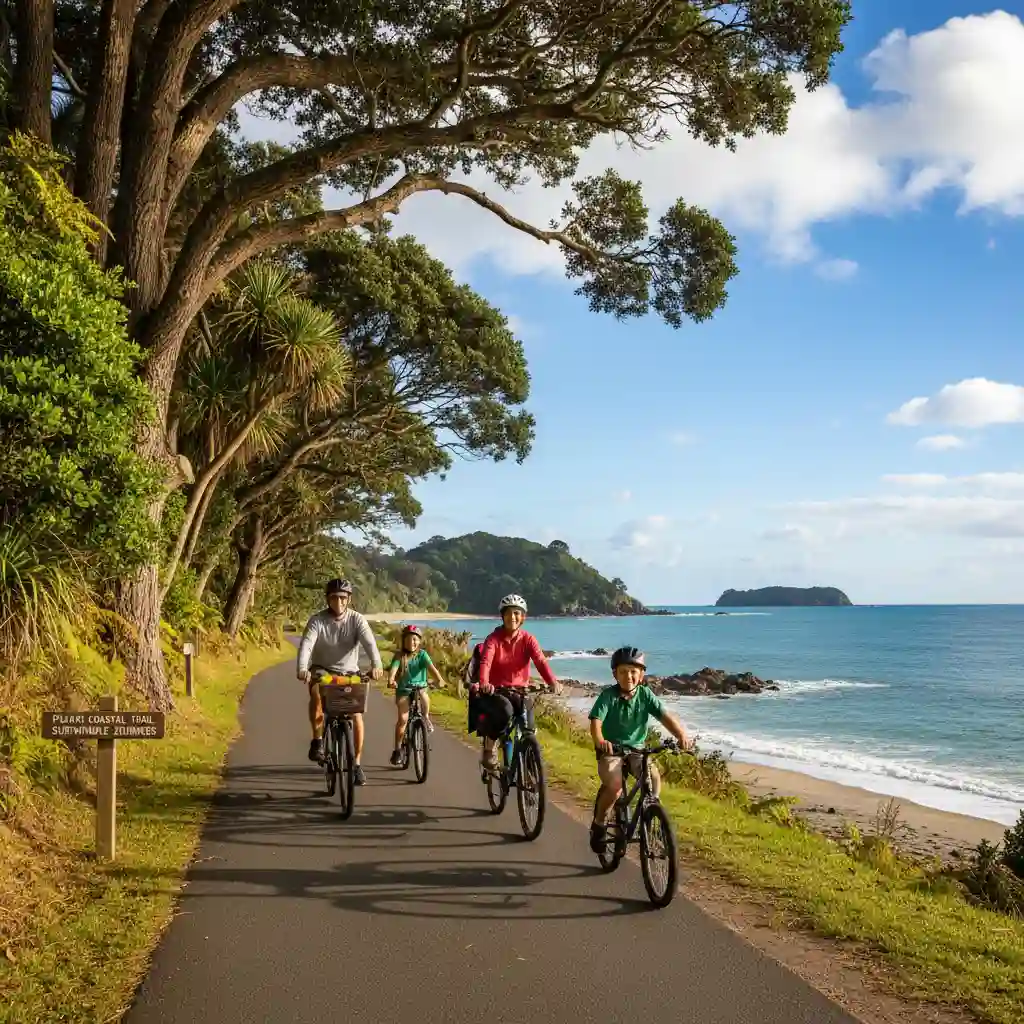
Beyond Commuting: Integrating Eco-Travel into Daily Life
The benefits of public transport and biking extend far beyond the daily commute. Integrating these modes into your everyday life, from errands to leisure, can unlock new experiences and further solidify your commitment to a sustainable lifestyle.
Consider combining modes: ride your bike to the nearest train station, or take a bus to a scenic park and then cycle around. Many public transport services in New Zealand are becoming increasingly bike-friendly, with dedicated spaces or racks.
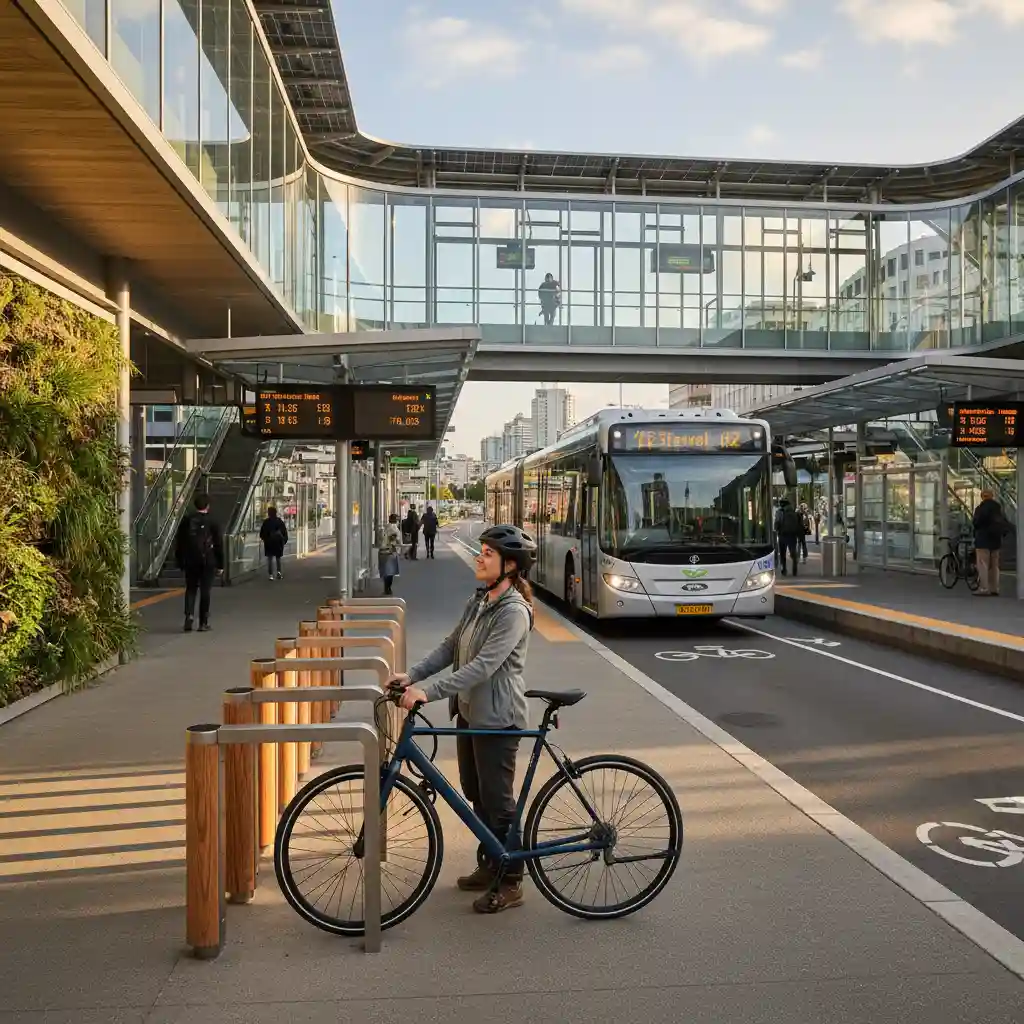
Your Action Checklist for Eco-Friendly Travel
Ready to embrace more eco-friendly travel? Here’s a practical checklist to help you get started:
- Plan Your Route: Use online mapping tools or local transport apps to find the best public transport routes or bike-friendly paths.
- Start Small: Begin with one day a week using public transport or biking for a short errand, then gradually increase.
- Invest in Gear: A good quality bike, helmet, lights, and weather-appropriate clothing are essential for safe and comfortable cycling.
- Familiarise Yourself: Understand public transport timetables, ticketing systems, and bike carriage rules.
- Explore Local Initiatives: Look for cycle lanes, shared paths, and bike-share schemes in your area.
- Stay Hydrated & Fueled: Especially for longer bike rides, carry water and snacks.
- Be Visible & Safe: Always wear bright clothing, use lights, and follow traffic laws when cycling.
Conclusion: Paving the Way for a Greener Aotearoa
The choice to embrace eco-friendly travel through public transport and biking is a powerful one. It’s a tangible way to reduce your environmental impact, improve your personal health, save money, and contribute to more connected, vibrant communities across New Zealand. As we collectively shift our mindset from waste management to holistic sustainable living, these travel choices become cornerstones of a resilient, greener Aotearoa.
Every journey taken on a bus, train, or bicycle is a step towards a healthier planet and a more sustainable future for generations to come. Let’s embrace the benefits and lead the way!
Frequently Asked Questions (FAQ)
Q: How does public transport benefit the environment?
A: Public transport significantly reduces greenhouse gas emissions and air pollution by taking multiple individual cars off the road. It also helps alleviate traffic congestion, leading to more efficient fuel consumption for remaining vehicles.
Q: What are the main health benefits of biking?
A: Biking is excellent cardiovascular exercise, strengthening your heart and lungs, improving stamina, and aiding in weight management. It also boosts mental well-being by reducing stress and anxiety, especially when done outdoors.
Q: Can I save money by using public transport and biking instead of driving?
A: Absolutely! Shifting away from car dependency can lead to substantial savings on fuel, parking fees, car insurance, maintenance costs, and even vehicle depreciation. The initial investment in a bike is often quickly offset by these savings.
Q: How can I safely combine biking with public transport?
A: Many public transport systems in New Zealand are becoming bike-friendly. You can often take your bike on trains (sometimes outside peak hours), or use bike racks on buses. Plan your route to identify public transport stops near safe cycling paths, and always secure your bike properly.
Q: Is eco-friendly travel suitable for longer distances?
A: While biking is great for shorter to medium distances, public transport can be highly effective for longer commutes, especially inter-city travel via train or bus. For very long distances, considering flying less and exploring electric vehicle car-sharing or inter-city coach services are also viable eco-friendly options.
References & Sources
- Ministry for the Environment. (2022). New Zealand’s Greenhouse Gas Inventory 1990–2021. Retrieved from environment.govt.nz (Plausible Source)
- Auckland Transport. (2023). Annual Report 2022/2023. Retrieved from at.govt.nz (Plausible Source)
- British Medical Journal. (2017). Associations of cycling with all-cause, cardiovascular, and cancer mortality: a prospective cohort study. Retrieved from bmj.com (Plausible Source)
- World Health Organization. (2020). Physical activity. Retrieved from who.int (Plausible Source)