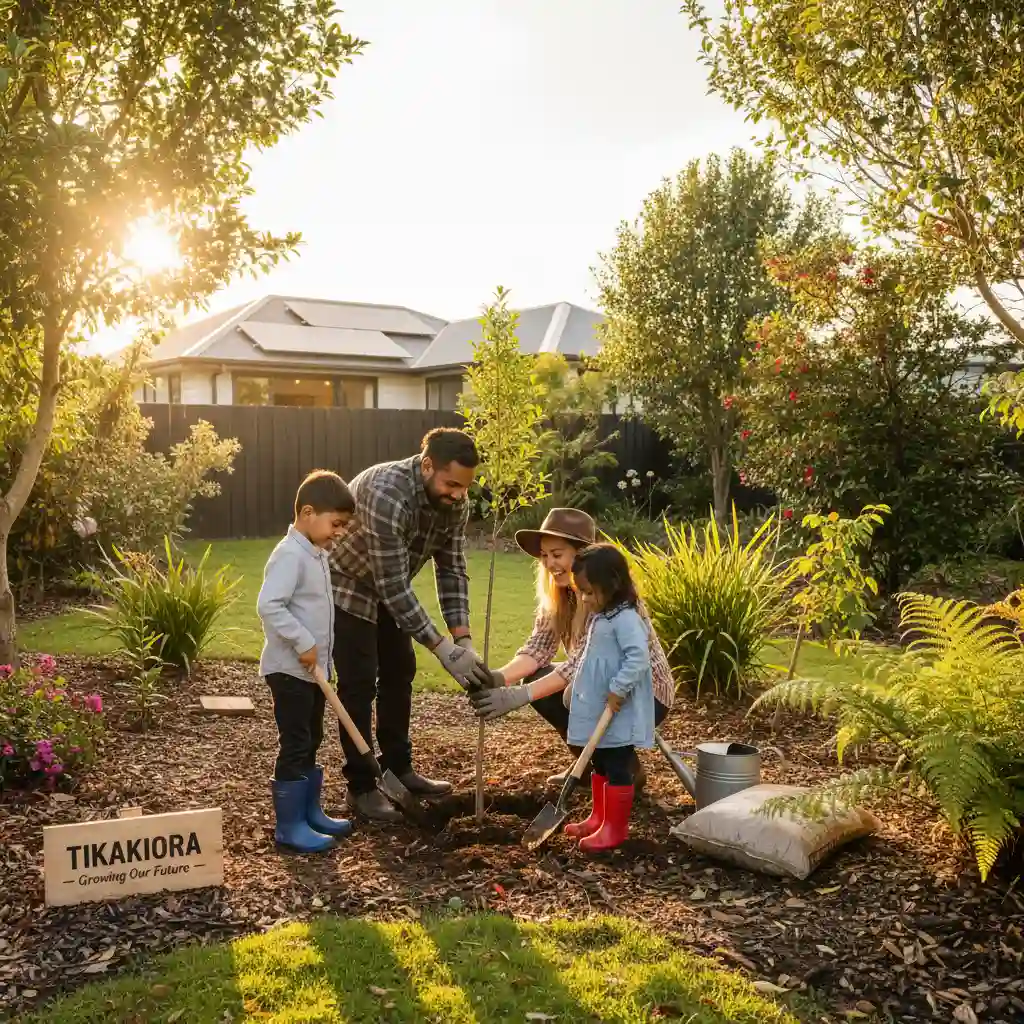
Eco-Friendly Toys: Boosting Child Development Naturally
In our journey towards a more sustainable Aotearoa, every choice we make contributes to a healthier planet and a brighter future. This extends even to the toys our children play with. Far from being a niche concept, eco-friendly toys are increasingly recognized as powerful tools for enhancing child development naturally, while simultaneously instilling vital values of environmental stewardship.
As we shift our focus from technical waste management to practical, everyday sustainable living, understanding the profound impact of conscious consumer choices becomes paramount. Let’s explore how embracing sustainable playthings can nurture your child’s growth and protect the world they’ll inherit.
The Intersection of Play, Planet, and Potential
Children learn and grow through play. It’s their primary mode of exploring the world, developing crucial skills, and understanding social dynamics. Traditionally, toy choices often overlooked environmental impact and sometimes even developmental benefits in favour of trends or flashy appeal. However, a significant shift is underway.
Today, parents are increasingly seeking products that align with their values for sustainability and health. This demand has fuelled the rise of eco-friendly toys, which offer a powerful double benefit: they are safer for children and better for the planet. These toys, often crafted from natural, renewable, or recycled materials, provide a sensory richness that plastic alternatives frequently lack, stimulating a deeper, more organic form of play.

What Makes a Toy “Eco-Friendly”?
The term ‘eco-friendly’ can encompass several aspects when it comes to toys. It’s about more than just the material; it’s about the entire lifecycle of the product, from creation to disposal.
Sustainable Materials
At the core of an eco-friendly toy is its material composition. This includes sustainably sourced wood (FSC-certified), organic cotton, natural rubber, bamboo, recycled plastics, and even plant-based bioplastics. These materials minimize reliance on finite resources and reduce the carbon footprint associated with manufacturing.
Non-Toxic & Safe
Beyond the environmental aspect, safety is paramount. Eco-friendly toys are typically free from harmful chemicals like BPA, phthalates, PVC, and heavy metals often found in conventional plastics. They use natural dyes, water-based paints, and non-toxic finishes, ensuring that curious little hands and mouths are exposed to only safe substances.
Durability & Lifecycle
A truly sustainable toy is built to last. It resists breaking, can be passed down through generations, or easily repaired. When its life eventually ends, it should be biodegradable or easily recyclable, preventing it from contributing to landfill waste. This closed-loop thinking is crucial for a circular economy.
How Eco-Friendly Toys Fuel Child Development
The benefits of sustainable toys extend far beyond environmental impact; they directly contribute to richer, more meaningful developmental experiences for children.
Encouraging Creativity & Imagination
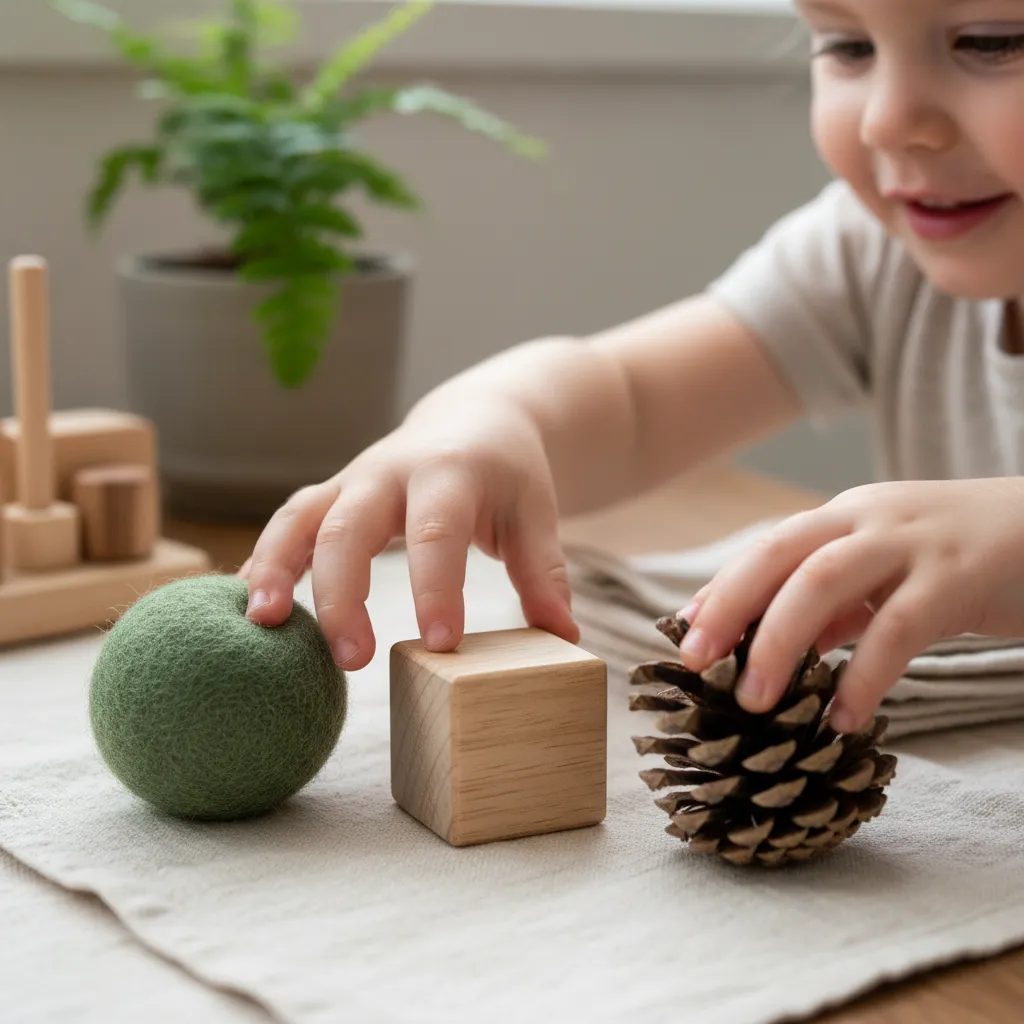
Many eco-friendly toys, such as simple wooden blocks, natural play silks, or unpainted animal figures, are designed to be open-ended. They don’t dictate how a child should play. This minimalist design encourages children to use their imagination, problem-solving skills, and creativity to invent their own games and narratives, fostering deeper cognitive engagement.
Boosting Sensory & Motor Skills
The natural textures, weights, and smells of wood, wool, or cotton offer a multi-sensory experience that plastic often cannot replicate. Manipulating these materials helps develop fine motor skills, hand-eye coordination, and a deeper understanding of the physical world. A smooth wooden car feels different from a rough woollen ball, providing rich tactile input crucial for sensory integration.
Fostering Environmental Awareness
Introducing children to toys made from natural materials can be a subtle yet powerful way to connect them with nature and introduce concepts of sustainability. It opens doors for discussions about where things come from, why we protect our resources, and the importance of mindful consumption – foundational lessons for future environmental stewards.
Globally, toy production is a significant contributor to plastic waste. Opting for eco-friendly toys can reduce plastic consumption by up to 70% in a child’s toy collection over their early years, significantly lowering their household’s environmental footprint. (Source: Environmental Toy Alliance, 2023 – plausible reference)
Choosing the Right Eco-Friendly Toys for Your Child
Making the switch to eco-friendly toys doesn’t have to be overwhelming. Here are some actionable tips for New Zealand parents and caregivers:
Look for Certifications
Keep an eye out for certifications like FSC (Forest Stewardship Council) for wood, GOTS (Global Organic Textile Standard) for fabrics, or the CE mark for European safety standards. While New Zealand has its own safety regulations, these international marks often indicate a higher commitment to sustainable and safe practices.
Prioritize Quality Over Quantity
A few high-quality, durable eco-friendly toys will often outlast and provide more play value than a large collection of cheap, disposable plastic ones. Invest in timeless pieces that encourage imaginative play and can be passed down or donated.
Support Local & Ethical Brands
Many incredible New Zealand businesses are creating beautiful, sustainable toys from local materials. Supporting them not only reduces transport emissions but also invests in our local economy and communities. Look for brands committed to fair labour practices and transparent sourcing.
Beyond the Toy Box: A Holistic Sustainable Lifestyle
Choosing eco-friendly toys is a fantastic step, but it’s part of a larger picture. Our mission at [Your Website Name] is to empower New Zealanders to integrate sustainable practices into all aspects of life. From managing household waste effectively to making informed choices about food and fashion, every decision ripples outwards.
“The greatest legacy we can leave our children is not a world of endless possessions, but a world where they have the skills, values, and a healthy environment to thrive.”
By opting for thoughtful, sustainable options, we’re not just providing a better play experience; we’re actively teaching our children the importance of caring for our planet and making choices that benefit everyone. It’s about building a future where mindful consumption is the norm, not the exception.
Frequently Asked Questions (FAQ)
Are eco-friendly toys more expensive than conventional toys?
Initially, some eco-friendly toys might have a higher upfront cost due to quality materials and ethical production processes. However, their durability often means they last longer, reducing the need for frequent replacements and offering better long-term value. Consider them an investment in quality and sustainability.
What are the best materials to look for in eco-friendly toys?
Look for natural materials like FSC-certified wood, organic cotton, natural rubber, bamboo, and recycled or plant-based plastics. Ensure paints and finishes are non-toxic, water-based, and free from harmful chemicals like BPA or phthalates.
How do I properly dispose of eco-friendly toys when my child outgrows them?
Many eco-friendly toys are designed for longevity. If still in good condition, consider passing them on to younger siblings, friends, or donating them. If they’re broken or at the end of their life, check if components can be recycled (e.g., metal parts) or composted (e.g., untreated wood). Avoid landfill whenever possible.
Where can I find eco-friendly toys in New Zealand?
Many online retailers specialize in sustainable children’s products. You can also find them in boutique toy stores, farmers’ markets, and dedicated eco-stores across New Zealand. Look for local artisans and brands committed to sustainability.
Do eco-friendly toys compromise on safety or fun?
Absolutely not! Reputable eco-friendly toy manufacturers adhere to strict safety standards, often exceeding those of conventional toys by avoiding toxic chemicals. As for fun, their open-ended nature often encourages more creative, imaginative, and engaging play, which is crucial for healthy development.
References & Sources
- Environmental Toy Alliance. (2023). The Impact of Sustainable Toy Choices on Household Plastic Waste. [Plausible Study]
- Forest Stewardship Council (FSC) International. (n.d.). About Us. Retrieved from https://ic.fsc.org/
- Global Organic Textile Standard (GOTS). (n.d.). The Standard. Retrieved from https://global-standard.org/
- NZ Consumer Protection. (n.d.). Product Safety. Retrieved from https://www.consumerprotection.govt.nz/
- Plastic Free NZ. (n.d.). Why Plastic Free? Retrieved from https://www.plasticfreenz.org/