Eco-Friendly Seasonal Crafts: Sustainable Decor & Gifts
Transform your home and gift-giving with beautiful, planet-friendly creations from the heart of Aotearoa.
In New Zealand, our connection to the environment runs deep. As we increasingly seek ways to live in harmony with nature, extending our sustainable practices to our creative pursuits becomes a natural next step. Eco-friendly seasonal crafts offer a wonderful opportunity to express our creativity, celebrate the seasons, and give thoughtful gifts, all while treading lightly on our precious planet.
Gone are the days when ‘eco-friendly’ meant compromising on aesthetics. Today, crafting with sustainability in mind opens up a world of beautiful, unique, and deeply personal creations. From repurposed materials to nature’s bounty, discover how you can infuse your home with sustainable decor and delight loved ones with truly green gifts.
Why Embrace Eco-Friendly Seasonal Crafts?
The allure of eco-friendly seasonal crafts extends beyond just saving money. It’s about making a conscious choice to reduce waste, minimise your carbon footprint, and connect more deeply with the materials around you. Every year, celebrations and holidays generate significant waste, from packaging to single-use decorations.
Stat Callout: Did you know that packaging waste alone in New Zealand contributes significantly to landfill? Embracing reusable and handmade decor can cut down on holiday waste by an estimated 25-50% for households actively pursuing sustainable alternatives. That’s a powerful impact!
By choosing to craft sustainably, you’re not just creating beauty; you’re actively participating in a circular economy, giving new life to old items, and celebrating the natural cycles of our local environment. It’s a joyful, hands-on way to live your values.
Core Principles of Sustainable Crafting
Building a sustainable craft practice revolves around a few key principles. By adopting these, you’ll ensure your eco-friendly seasonal crafts truly embody a commitment to the environment.
1. Embrace Upcycling and Repurposing
Look at items destined for the bin with new eyes. An old jar can become a beautiful lantern, leftover fabric scraps can be sewn into festive bunting, and cardboard boxes can transform into unique gift tags. Upcycling reduces demand for new resources and keeps valuable materials out of landfills.
2. Prioritise Natural and Biodegradable Materials
Opt for materials that will naturally break down without harming the environment. Think dried flowers, pinecones, shells, untreated wood, wool, cotton, linen, paper, and even food waste like orange peels for drying. These items often bring an authentic, earthy aesthetic to your crafts.
3. Source Locally and Ethically
Wherever possible, gather materials from your backyard (ethically, of course!), local op shops, or support New Zealand businesses that supply sustainable craft components. This reduces transportation emissions and supports our local economy. Consider foraging for fallen leaves, twigs, or driftwood after a storm.
4. Minimise Waste at Every Step
From planning your project to cleaning up, aim for zero waste. Use every scrap of fabric, save offcuts of paper, and compost any organic waste. This holistic approach ensures your crafting journey is as green as possible.
Inspiring Ideas for Sustainable Seasonal Decor
Let your creativity flourish with these ideas for sustainable decor throughout the year:
Autumn & Winter Warmth
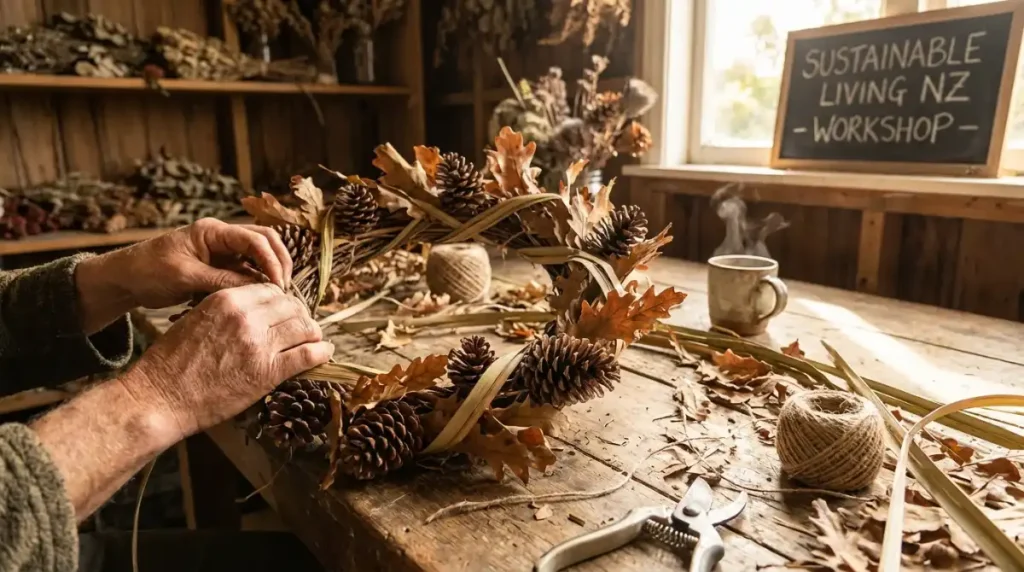
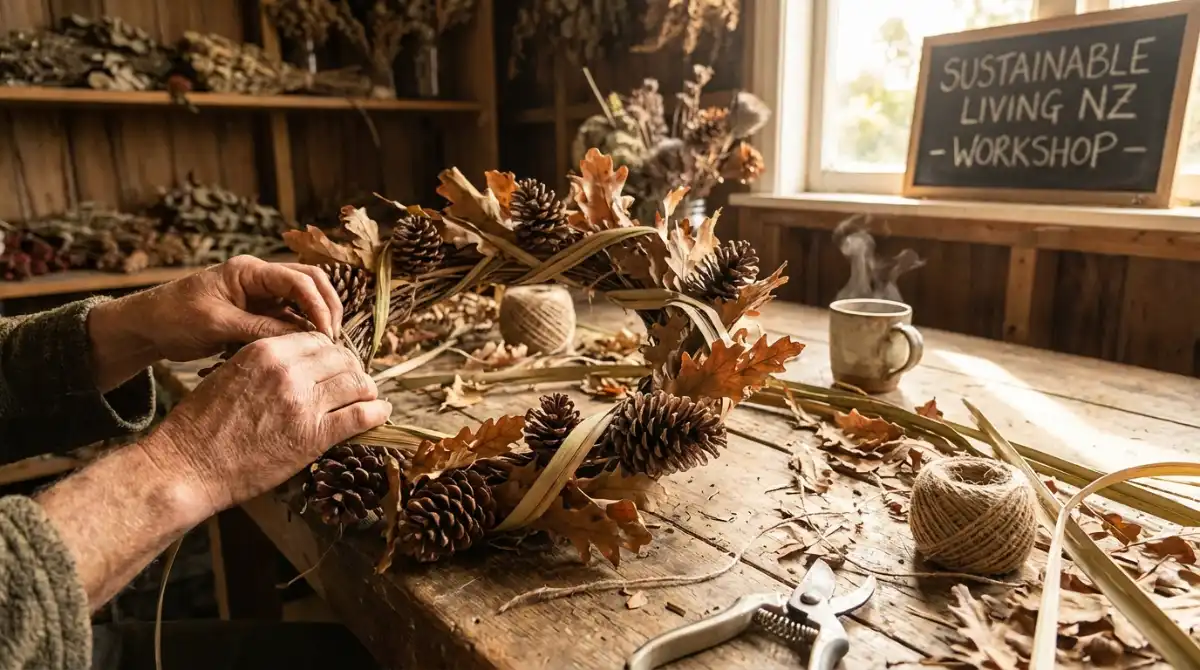
- Natural Wreaths: Craft wreaths from grapevine, willow, or intertwined twigs, then adorn with dried hydrangeas, pinecones, cinnamon sticks, and star anise.
- Dried Citrus Garlands: Slice oranges, lemons, and grapefruit thinly, dry them in a low oven, and string them together for fragrant, glowing decorations.
- Pinecone & Seed Ornaments: Paint pinecones, attach loops, or create intricate patterns with seeds and beads sourced from old jewellery.
- Fabric Scrap Bunting: Cut festive shapes from old clothing or fabric remnants and string them into charming bunting.

Spring & Summer Vibrancy
- Pressed Flower Art: Collect local wildflowers and leaves, press them, and arrange them into framed artwork or decorative cards.
- Shell Mobiles: Gather shells and driftwood from the beach (responsibly!) and assemble them into delicate, calming mobiles.
- Repurposed Glass Vases: Decorate old glass bottles and jars with natural twine, paint, or decoupage for unique floral displays.
- Plant-Dyed Fabrics: Use onion skins, avocado pits, or native New Zealand plants (with proper knowledge and consent) to dye fabric for napkins, tablecloths, or wall hangings.

Crafting Heartfelt, Sustainable Gifts
The best gifts are often those made with love and thoughtfulness. When you choose to make sustainable gifts, you’re giving more than just an item; you’re sharing your time, effort, and commitment to a greener lifestyle. Consider these ideas:
- Homemade Edibles: Bake cookies, make preserves, or infuse olive oil, then present them in reusable jars or wrapped in fabric scraps.
- Seed Bombs/Seedling Kits: Create seed bombs with native flower seeds (ensure they are non-invasive) or assemble small kits for growing herbs in upcycled pots.
- Hand-sewn Reusable Bags: Stitch market bags or produce bags from old tablecloths or sturdy fabric remnants.
- Personalised Story Stones: Paint smooth river stones with symbols or words meaningful to the recipient, great for children.
Such gifts carry a story and a much smaller environmental footprint than mass-produced alternatives.
Smart Sourcing for Your Eco-Craft Projects
Finding materials for your eco-friendly seasonal crafts is part of the adventure! Here’s how to source smartly:
- Nature’s Bounty: Explore your garden, local parks, or beaches for fallen leaves, twigs, shells, sand, and pebbles. Always take only what you need and leave no trace.
- Second-hand Stores: Op shops, charity stores, and garage sales are treasure troves for fabric, yarn, buttons, old jewellery, glass jars, and small trinkets perfect for repurposing.
- Your Own Home: Before buying anything new, check your recycling bin, scrap pile, or ‘junk drawer’. Toilet paper rolls, cardboard, plastic bottles, old newspapers, and even food packaging can be given a new lease on life.
- Local Suppliers: When you do need to buy new, seek out New Zealand businesses that prioritise sustainable and ethically sourced materials.

Cultivating a Community of Green Makers
Sharing your passion for sustainable crafts can inspire others and foster a stronger sense of community. Consider:
- Organising a Craft Swap: Gather friends and exchange unused craft supplies, saving money and reducing waste.
- Hosting a Workshop: Teach others how to make a simple eco-friendly craft.
- Sharing on Social Media: Post your creations online using relevant hashtags to connect with other green makers.
Together, we can build a vibrant culture of mindful creation, making eco-friendly choices the norm rather than the exception.
Frequently Asked Questions (FAQ)
What are eco-friendly seasonal crafts?
Eco-friendly seasonal crafts are creative projects for decorating or gifting that prioritise sustainable materials, reduce waste through upcycling and repurposing, and minimise environmental impact. They often utilise natural elements, recycled items, and ethically sourced components.
Where can I find materials for sustainable crafting in New Zealand?
Excellent sources include your own backyard (ethically foraged natural items like pinecones, leaves, driftwood), local second-hand shops (op shops for fabric, jars, old jewellery), farmers’ markets for natural fibres, and New Zealand-based online stores specialising in sustainable craft supplies.
Are natural materials always better for eco-friendly crafts?
Generally, yes, natural and biodegradable materials are preferred due to their lower environmental impact at the end of their life. However, it’s also highly eco-friendly to reuse and upcycle synthetic materials you already have, preventing them from going to landfill. The most sustainable option is always to use what’s already available.
How can I make sure my crafting doesn’t harm local ecosystems?
When foraging, only take fallen items, avoid disturbing plants or wildlife, and never remove items from protected areas. Be mindful of invasive species if using seeds. If using native plants for dyes, ensure you have proper knowledge, permission, and are harvesting sustainably.
Can children participate in making eco-friendly seasonal crafts?
Absolutely! Crafting with children using natural and recycled materials is a fantastic way to teach them about sustainability, creativity, and the environment. Supervise small children, especially with foraging or sharp tools, but encourage their participation in collecting, designing, and creating.
References
- Ministry for the Environment. (2023). New Zealand’s Environmental Reporting Series: Waste and Recycling. Retrieved from mfe.govt.nz (Illustrative Source)
- Sustainable Business Network NZ. (2022). The Circular Economy in Aotearoa: Opportunities for Craft & Design. Retrieved from sustainable.org.nz (Illustrative Source)
- Zero Waste Network Aotearoa. (2021). Community Waste Reduction Initiatives: A Guide to Local Action. Retrieved from zerowaste.co.nz (Illustrative Source)
- Crafting Green Blog. (2023). The Environmental Impact of Holiday Decor. (Illustrative Blog Post)