Eco-Friendly Pet Waste: Educating Owners on Disposal Impact
Making sustainable choices for our furry friends and our beautiful Aotearoa.
As pet owners, we cherish our companions, but often, the conversation around their environmental footprint stops at feeding and grooming. The truth is, how we manage pet waste has a profound and lasting impact on our shared environment. In New Zealand, a country famed for its pristine landscapes and commitment to sustainability, understanding and adopting eco-friendly pet waste disposal methods isn’t just a good idea – it’s a vital part of responsible pet ownership.
This article aims to educate owners on the true disposal impact of pet waste and provide actionable insights into making more sustainable choices. Let’s delve into the often-overlooked world of pet waste and discover how we can all contribute to a healthier planet.
Table of Contents
The Unseen Impact of Pet Waste
It’s easy to dismiss a small pile of pet waste as harmless, but collectively, it poses a significant environmental and public health challenge. Beyond the unsightly mess and unpleasant odour, pet waste contains harmful bacteria, parasites, and excess nutrients that can wreak havoc on ecosystems if not disposed of properly.
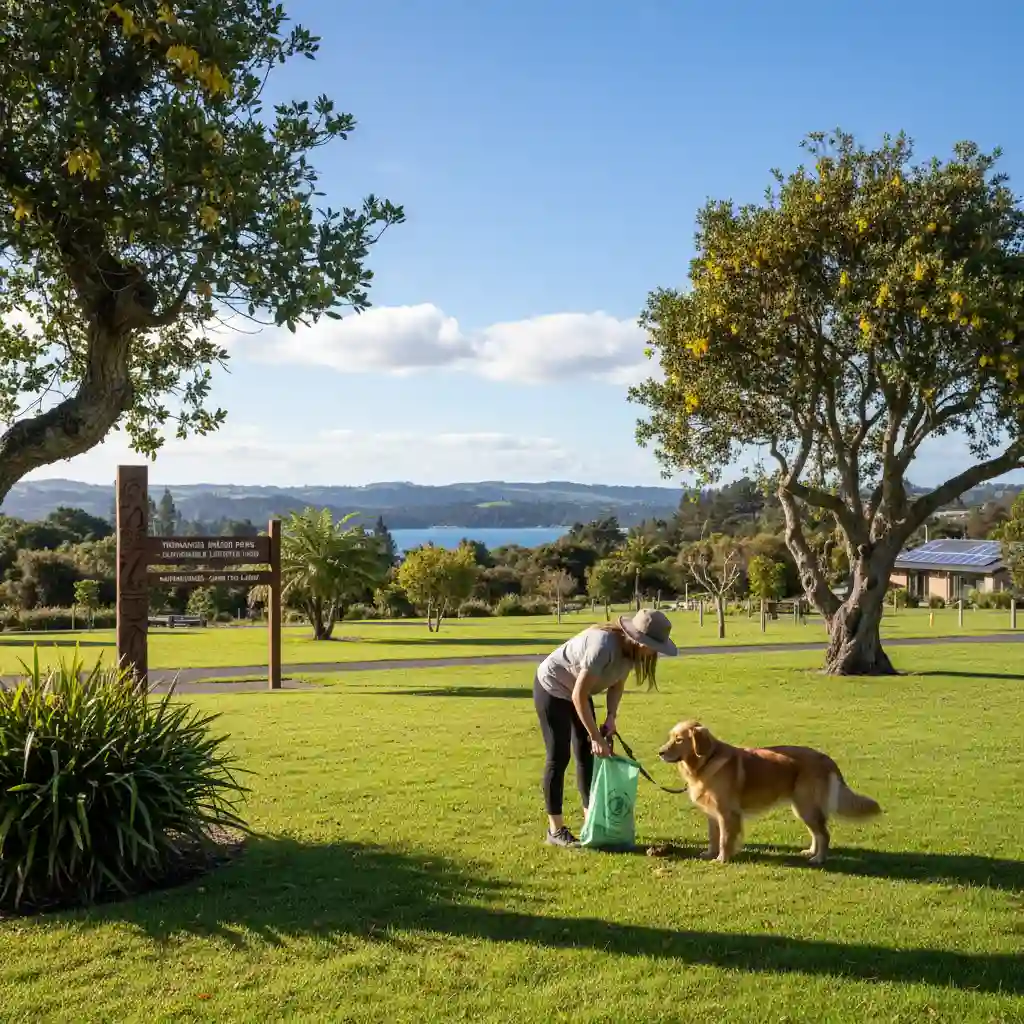
When left on pavements, lawns, or even in natural areas, rainwater washes these contaminants into storm drains, rivers, lakes, and eventually, our precious oceans. This leads to:
- Water Contamination: E. coli, Giardia, Salmonella, and other pathogens from pet waste can make recreational waters unsafe for swimming and fishing.
- Nutrient Pollution: Excess nitrogen and phosphorus can fuel harmful algal blooms, depleting oxygen levels and harming aquatic life.
- Disease Transmission: Parasites like roundworms and hookworms can persist in soil for years, posing risks to other animals and even humans.
Stat Callout: A single gram of dog waste can contain an average of 23 million fecal coliform bacteria, significantly higher than human waste. (Source: EPA)
Traditional Disposal Methods: The Hidden Costs
The most common method of pet waste disposal involves plastic bags and general waste bins, which ultimately end up in landfills. While this seems convenient, it’s far from ideal for our planet. Traditional plastic bags are not biodegradable, meaning they can persist in landfills for hundreds of years, slowly breaking down into microplastics that infiltrate soil and water.
Moreover, even if bagged, pet waste in landfills decomposes anaerobically (without oxygen), producing methane – a potent greenhouse gas contributing significantly to climate change. This highlights why seeking eco-friendly pet waste solutions is so crucial.
Stat Callout: It’s estimated that American dogs and cats produce over 10 million tons of waste annually. If even a fraction of this goes to landfills in non-biodegradable bags, the environmental burden is immense. (Extrapolated from various pet population and waste studies)
Embracing Eco-Friendly Pet Waste Solutions
The good news is that there are increasingly viable and accessible alternatives to traditional landfill disposal. By making informed choices, pet owners can significantly reduce their environmental footprint.
1. Choosing Certified Compostable Bags
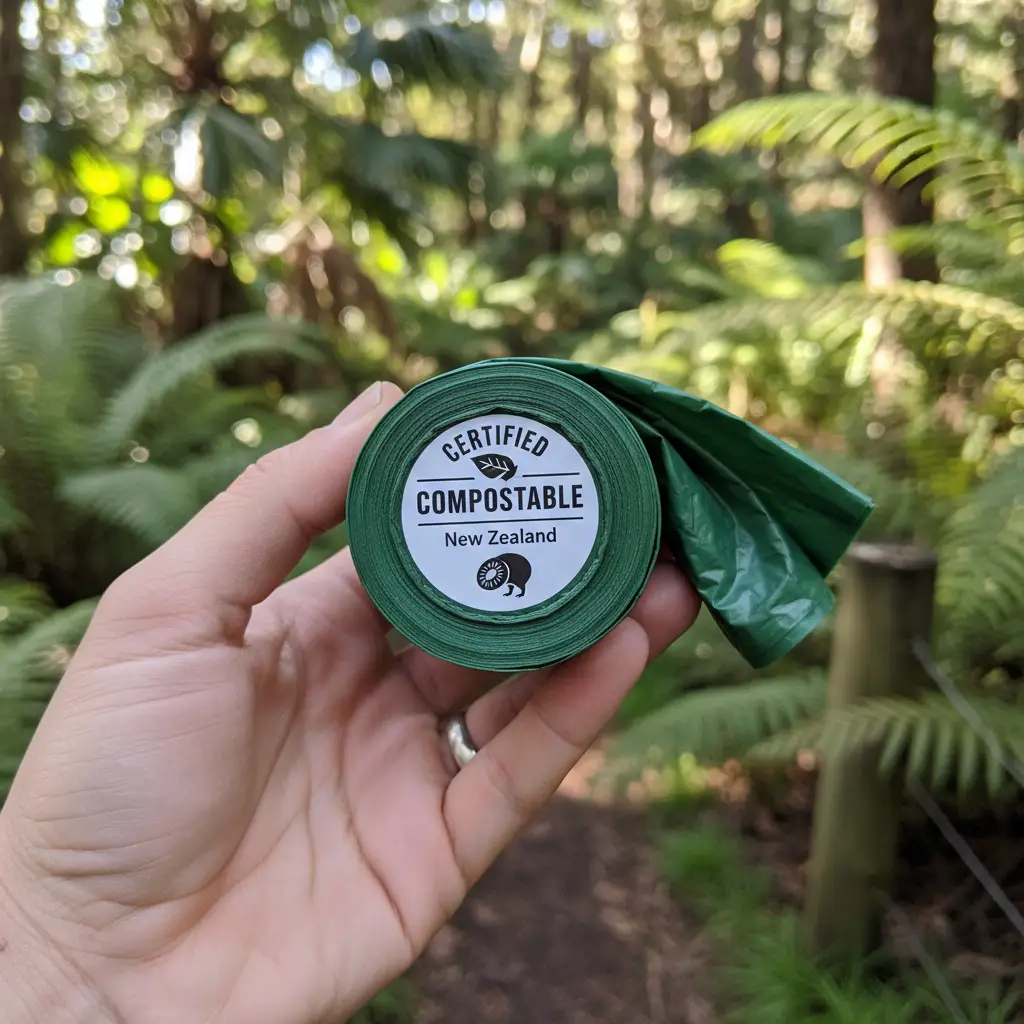
Not all ‘biodegradable’ bags are created equal. Look for bags certified to meet international standards (like EN 13432 or ASTM D6400) for industrial composting. These bags are designed to break down effectively in commercial composting facilities, leaving no harmful residues. Always check local council guidelines on where these bags can be processed.
2. Pet Waste Composting (Home & Commercial)
Composting pet waste is one of the most sustainable options, transforming a pollutant into a valuable soil amendment. However, it requires a dedicated system and careful management:
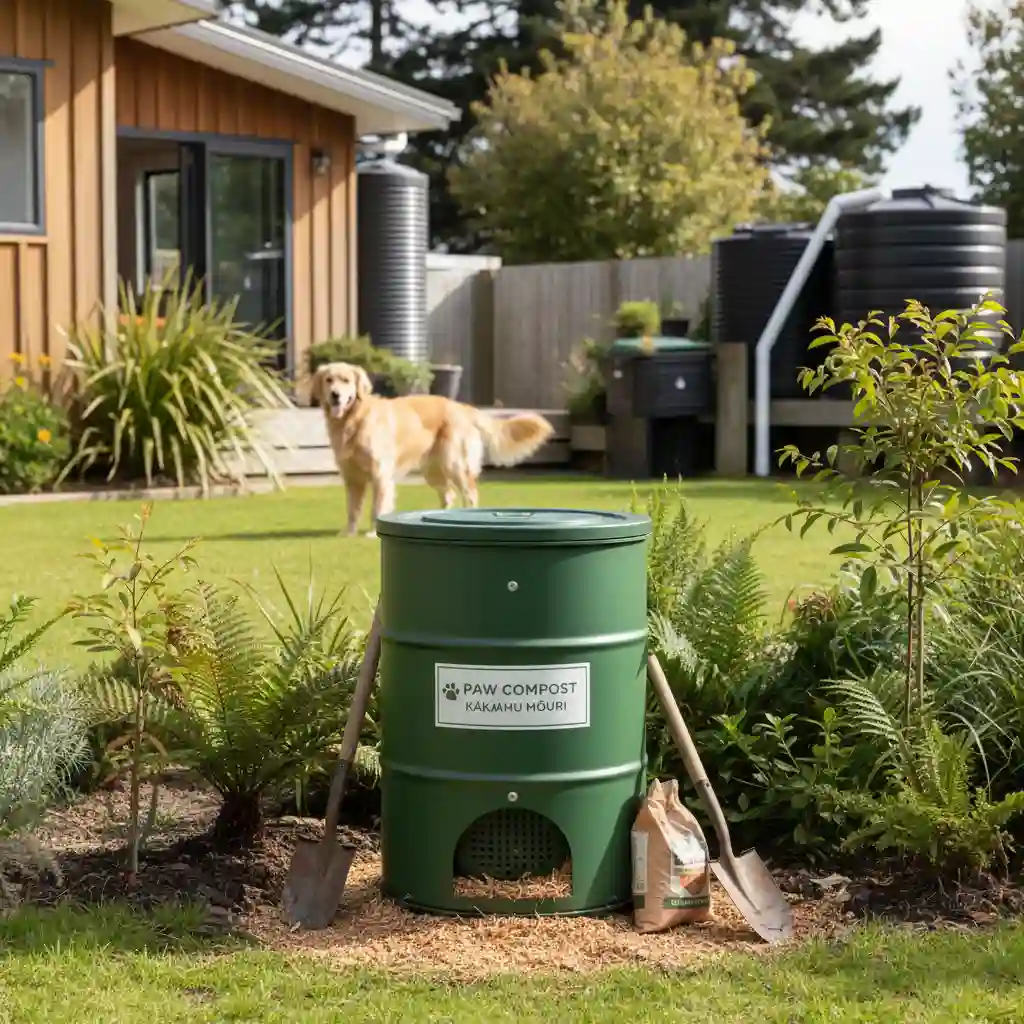
- Home Composting: Use a dedicated pet waste composter (different from your garden compost) to ensure high temperatures for pathogen kill. Bury the waste deep and cover with carbon-rich materials like sawdust or wood shavings. The resulting compost should only be used on non-edible plants or ornamental gardens.
- Commercial Composting: Some areas offer commercial pet waste composting services, which have the controlled conditions necessary for safe decomposition. Check with your local council or private waste management companies in New Zealand for availability.
3. Eco-Friendly Burial (Specific Conditions Apply)
In rural settings or large properties, burying pet waste can be an option, but it requires careful consideration to prevent contamination:
- Bury waste at least 15-30 cm deep and away from water sources (streams, wells), vegetable gardens, and septic tanks.
- Use a designated area and rotate burial spots.
- This method is generally not recommended in urban or suburban environments due to proximity to water systems and limited space.
4. Safe Flushing (Check Local Regulations)
Flushing dog waste (never cat litter, especially clumping or clay-based) directly down the toilet can be an option where local wastewater treatment plants are equipped to handle it. The key is to remove any plastic bags first. However, many treatment plants are not designed to process pet waste effectively, leading to issues. Always verify with your local council or water authority if this is an acceptable practice in your area before flushing.
The Role of Responsible Pet Ownership: An Action Checklist
Empowering yourself with knowledge is the first step. The next is putting that knowledge into practice. Here’s a checklist for every responsible pet owner committed to eco-friendly pet waste management:
- Always Pick It Up: No matter where you are – park, pavement, or even your own backyard – always clean up after your pet.
- Choose Wisely: Opt for certified compostable bags over traditional plastic bags.
- Investigate Composting: Research home pet waste composting systems or local commercial services.
- Understand Your Local Rules: Familiarize yourself with New Zealand’s local council guidelines on pet waste disposal, especially regarding flushing or public composting.
- Spread the Word: Educate fellow pet owners on the importance of responsible and eco-friendly disposal.
- Minimise Impact: For cat owners, consider alternative litters like wood pellets, paper, or corn-based options, and always dispose of litter (even biodegradable types) in general waste unless specifically advised otherwise by a commercial composting facility. Never flush cat litter.
The New Zealand Context: What You Need to Know
New Zealand councils vary in their approach to pet waste, but the overarching message is clear: responsible disposal is paramount for protecting our unique biodiversity and pristine waterways. While some regions might offer specific pet waste collection points or commercial composting facilities, many rely on owners to use general waste bins. However, the movement towards more sustainable options is growing.
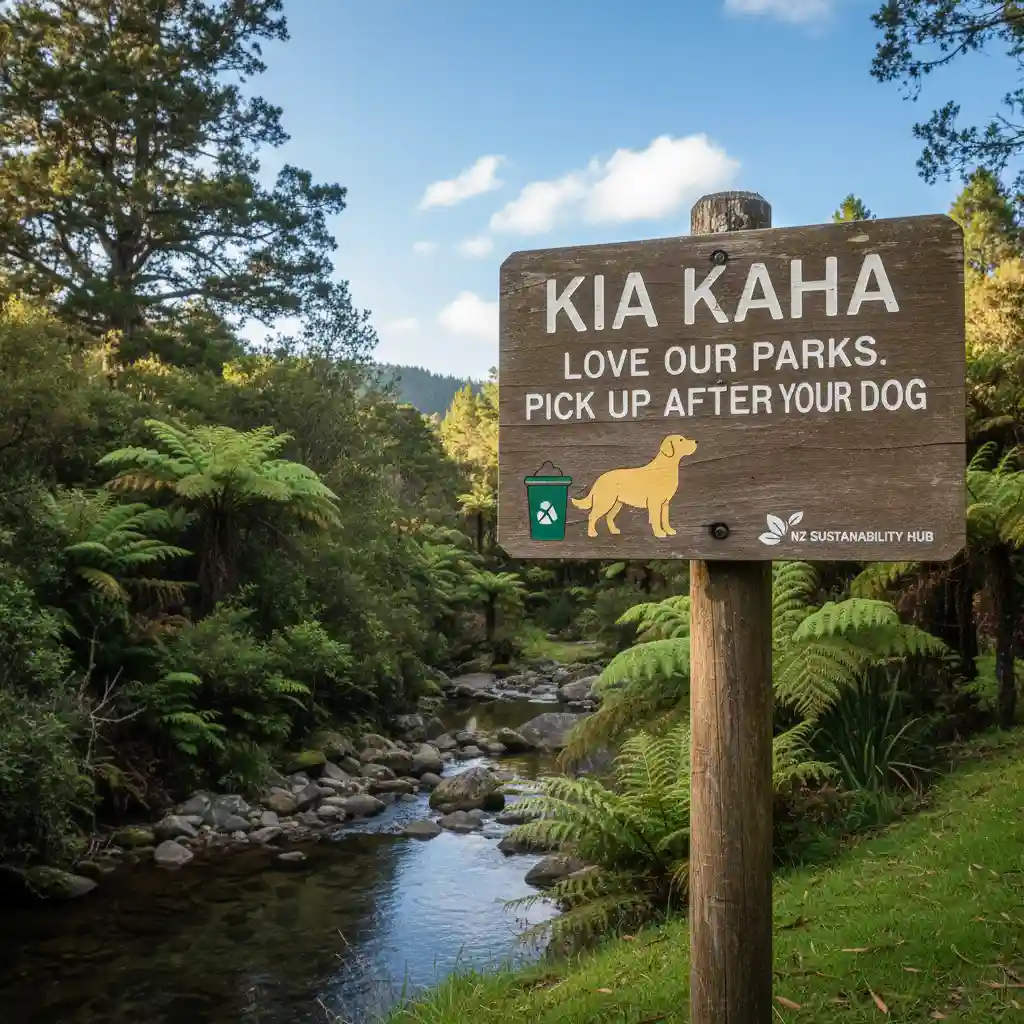
As part of our journey towards a sustainable Aotearoa, staying informed about local initiatives and advocating for better infrastructure for eco-friendly pet waste management is crucial. Every action, no matter how small, contributes to a larger positive impact.
Frequently Asked Questions
Is dog poop really bad for the environment?
Yes, dog poop is harmful to the environment. It contains harmful bacteria (like E. coli), parasites, and excess nutrients (nitrogen, phosphorus). When left on the ground, rain washes these contaminants into waterways, leading to water pollution, algal blooms, and potential health risks for humans and wildlife. It’s not a natural fertiliser and doesn’t break down quickly or harmlessly.
What are truly eco-friendly ways to dispose of pet waste?
Truly eco-friendly methods include using certified compostable bags that can be industrially composted (where facilities exist), dedicated home pet waste composting systems for non-edible gardens, or, in very specific rural circumstances, deep burial away from water sources. Flushing dog waste (without a bag) is also an option in some areas, but always check with your local wastewater authority first.
Can I compost my pet’s waste at home?
Yes, you can compost pet waste at home, but it requires a dedicated pet waste composter separate from your regular garden compost pile. This is crucial to prevent the spread of pathogens. The compost generated from pet waste should only be used on ornamental plants, trees, or shrubs, and never on edible gardens due to potential health risks.
Are compostable poop bags genuinely eco-friendly?
Certified compostable poop bags are a significantly better option than traditional plastic bags, but their eco-friendliness depends on their disposal. For true breakdown, they often require industrial composting facilities, which may not be available in all areas. If they end up in a landfill, their decomposition rate slows significantly. Always look for certifications (e.g., EN 13432 or ASTM D6400) and check local waste management guidelines.
What should I do with cat litter?
Cat litter, especially clumping or clay-based varieties, should almost always go into general waste. Even biodegradable litters can contain parasites (like Toxoplasma gondii) that can survive composting and wastewater treatment, posing risks to humans and wildlife. Never flush cat litter down the toilet, as it can clog pipes and is not safely processed by most wastewater systems. Scoop frequently and bag securely before placing in your general waste bin.
References & Sources
- Environmental Protection Agency (EPA). “Pet Waste and Water Quality.” www.epa.gov/nps/pet-waste-and-water-quality
- New Zealand Ministry for the Environment. “Waste and Recycling in NZ.” environment.govt.nz/facts-and-science/waste/
- Institute for Sustainable Infrastructure (ISI). “The Impact of Pet Waste on Green Infrastructure.” sustainableinfrastructure.org/knowledge-hub/the-impact-of-pet-waste-on-green-infrastructure/
- ASTM International. “Standard Specification for Compostable Plastics.” www.astm.org/standards/d6400.htm
- Various local New Zealand council websites (e.g., Auckland Council, Wellington City Council) for specific pet waste bylaws and guidelines.