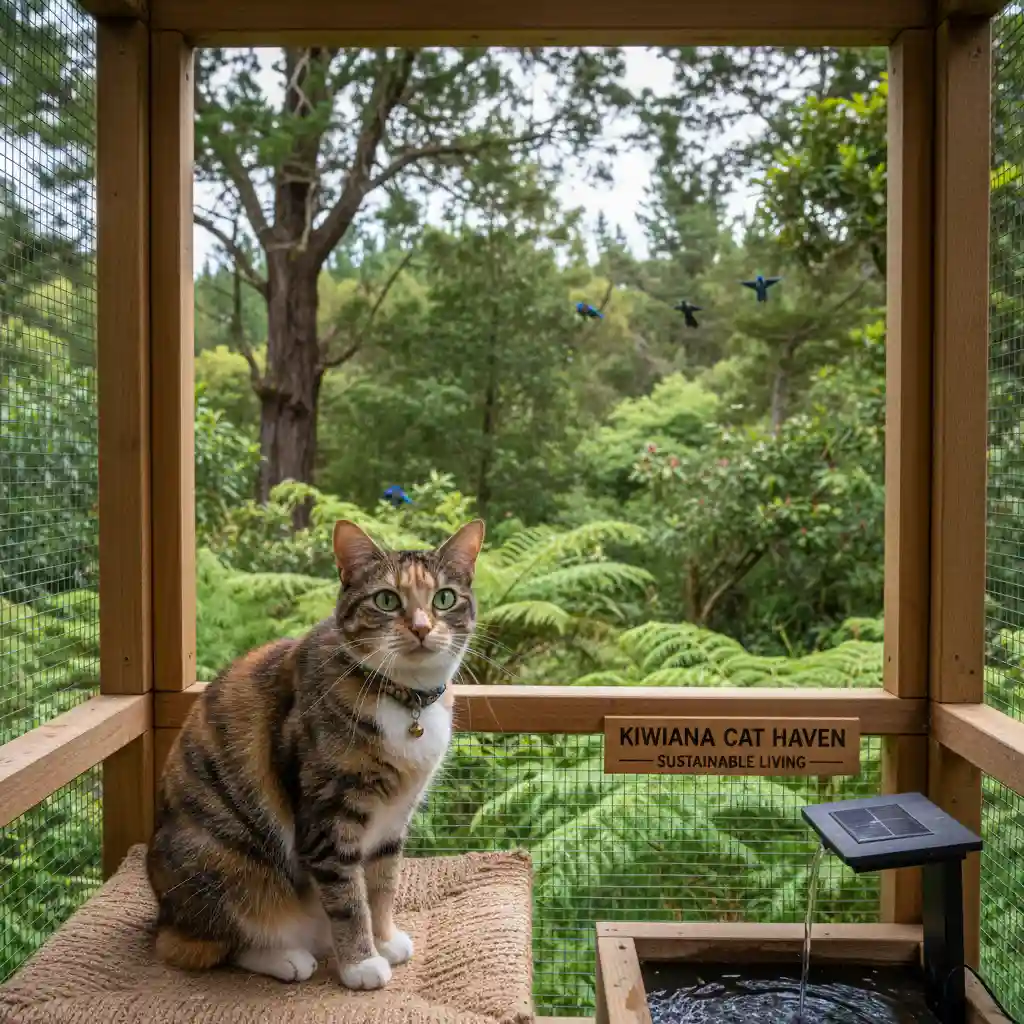
Eco-Friendly Pet Care: Tips for Green Pet Ownership
As pet parents, we cherish our furry, scaled, and feathered companions, but have you ever considered the environmental ‘pawprint’ they leave behind? In our journey towards a sustainable lifestyle, our pets play a surprisingly significant role. From their food to their toys, the choices we make for them can have a profound impact on the planet.
This guide delves into the world of eco-friendly pet care, offering practical and approachable tips to help you foster green pet ownership without compromising on love or quality. Let’s explore how mindful decisions can benefit both your beloved animal and the beautiful New Zealand environment.

Table of Contents
1. Sustainable Pet Food Choices
The food bowl is often the first place to consider when transitioning to eco-friendly pet care. The production, packaging, and transportation of pet food contribute significantly to its environmental impact.
1.1 Opt for Eco-Friendly Ingredients
Look for pet foods that prioritise sustainable ingredients. This means choosing options with:
- Humanely and Sustainably Sourced Proteins: Consider novel proteins like insects, or ethically farmed meats with lower carbon footprints.
- Organic and Non-GMO Components: Reduces pesticide use and supports healthier ecosystems.
- Plant-Based or Hybrid Diets: For some pets, a veterinarian-approved plant-based diet can significantly reduce environmental impact.
1.2 Reduce Packaging Waste
Pet food packaging often consists of non-recyclable multi-material bags. Seek out brands that offer:
- Bulk Buying Options: Reduces individual packaging.
- Recyclable or Compostable Packaging: Check for specific recycling instructions or certifications.
- Refill Programs: Some local pet stores in New Zealand are starting to offer refill stations for dry food.
Stat Callout: Pet food production is estimated to contribute a significant portion to global meat production, with studies suggesting that if companion animals formed their own country, they would rank 5th in global meat consumption. Making conscious choices here makes a real difference!
1.3 Consider DIY or Local Sources
With careful veterinary consultation, preparing homemade pet food can ensure fresh, healthy ingredients and reduce packaging. Additionally, supporting local New Zealand producers reduces transportation emissions and strengthens local economies.

2. Eco-Conscious Pet Products and Accessories
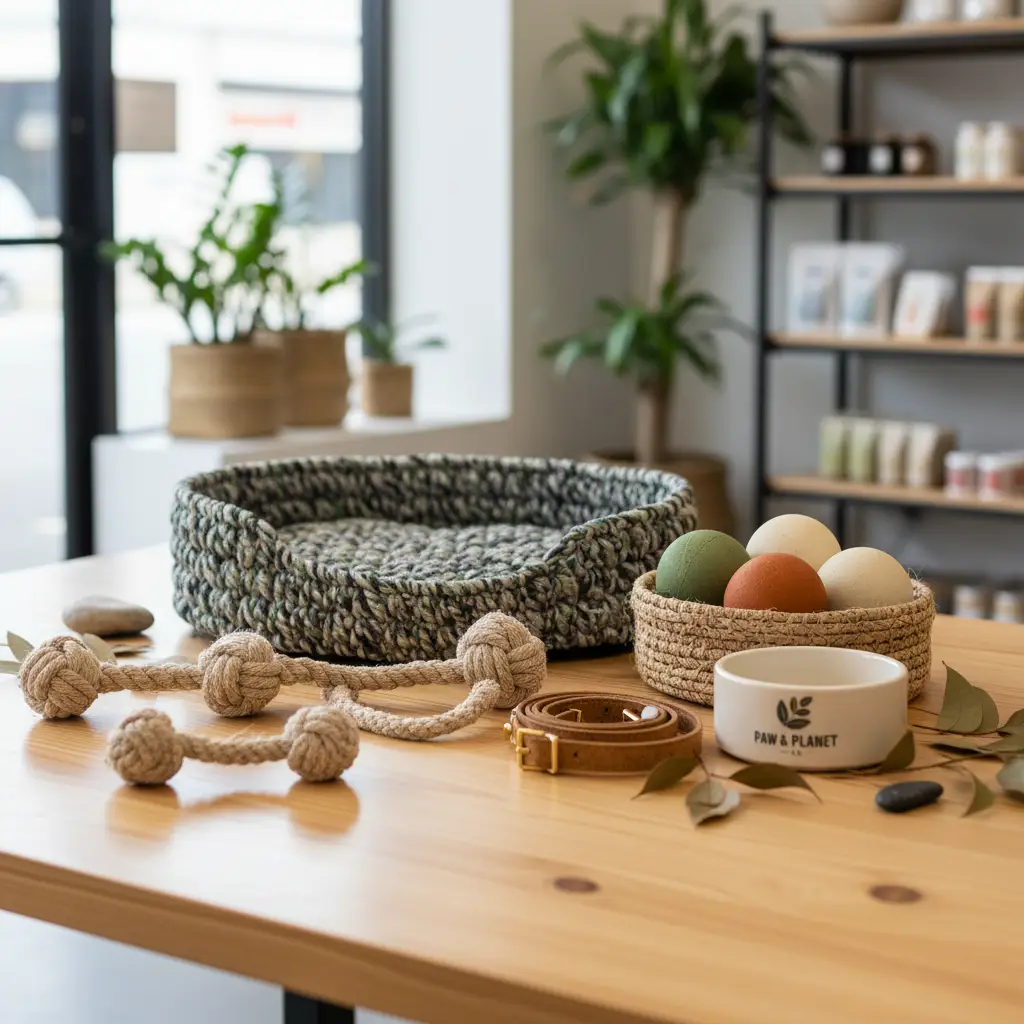
Beyond food, the collars, toys, beds, and bowls we buy for our pets also have an environmental lifecycle. Opting for products made from sustainable materials is a key aspect of green pet ownership.
2.1 Choose Durable and Recycled Toys
- Long-Lasting Materials: Invest in toys made from durable, non-toxic materials like natural rubber, hemp, or sustainably harvested wood, reducing the need for frequent replacements.
- Recycled Content: Look for toys made from recycled plastics or upcycled materials. Many brands are now innovating with ocean plastic or post-consumer waste.
- DIY Toys: Old t-shirts can become braided tug toys, and cardboard tubes can be stimulating puzzles for smaller pets.
2.2 Sustainable Bedding and Accessories
- Organic Fabrics: For beds and blankets, choose organic cotton, hemp, or recycled PET fill.
- Bamboo and Stainless Steel: Opt for bowls made from bamboo, ceramic, or stainless steel over plastic, which can leach chemicals and contribute to microplastic pollution.
- Second-Hand: Don’t shy away from second-hand beds, crates, or carriers from op-shops or online marketplaces. Just ensure they are thoroughly cleaned.
3. Managing Pet Waste Responsibly
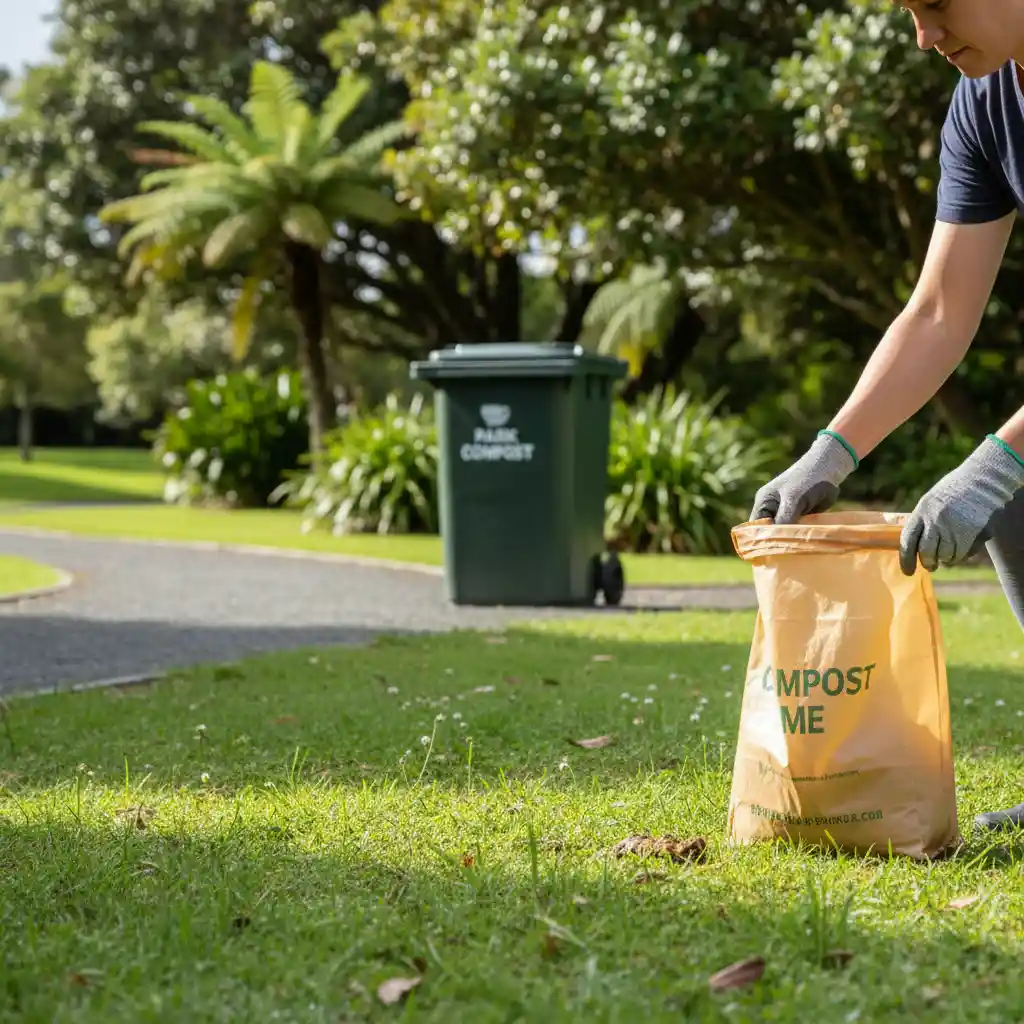
Pet waste is a significant environmental concern, particularly in urban areas and near waterways. Proper disposal and thoughtful product choices are crucial for eco-friendly pet care.
3.1 Biodegradable Waste Bags
Always pick up after your pet! Choose bags that are certified compostable (e.g., to EN 13432 standards) rather than just ‘biodegradable,’ which can sometimes still leave behind microplastics. Even better, consider a reusable scooper for backyard waste.
3.2 Eco-Friendly Litter Solutions
For cat owners, traditional clay litters are strip-mined and non-biodegradable. Explore alternatives such as:
- Recycled Paper: Often made from newspaper or cardboard scraps.
- Wood Pellets: A natural, absorbent, and often compostable option.
- Corn, Wheat, or Walnut Shell Litters: Plant-based and biodegradable.
Remember to never flush cat waste, as it can contain parasites harmful to marine life.
3.3 Composting Pet Waste Safely
While not suitable for regular home compost bins (due to pathogens), dedicated pet waste composting systems can safely break down dog and cat waste into soil conditioner. Ensure these systems are isolated from vegetable gardens and used according to specific guidelines.
4. Green Grooming and Health Practices
Keeping your pet clean and healthy can also align with eco-friendly pet care principles.
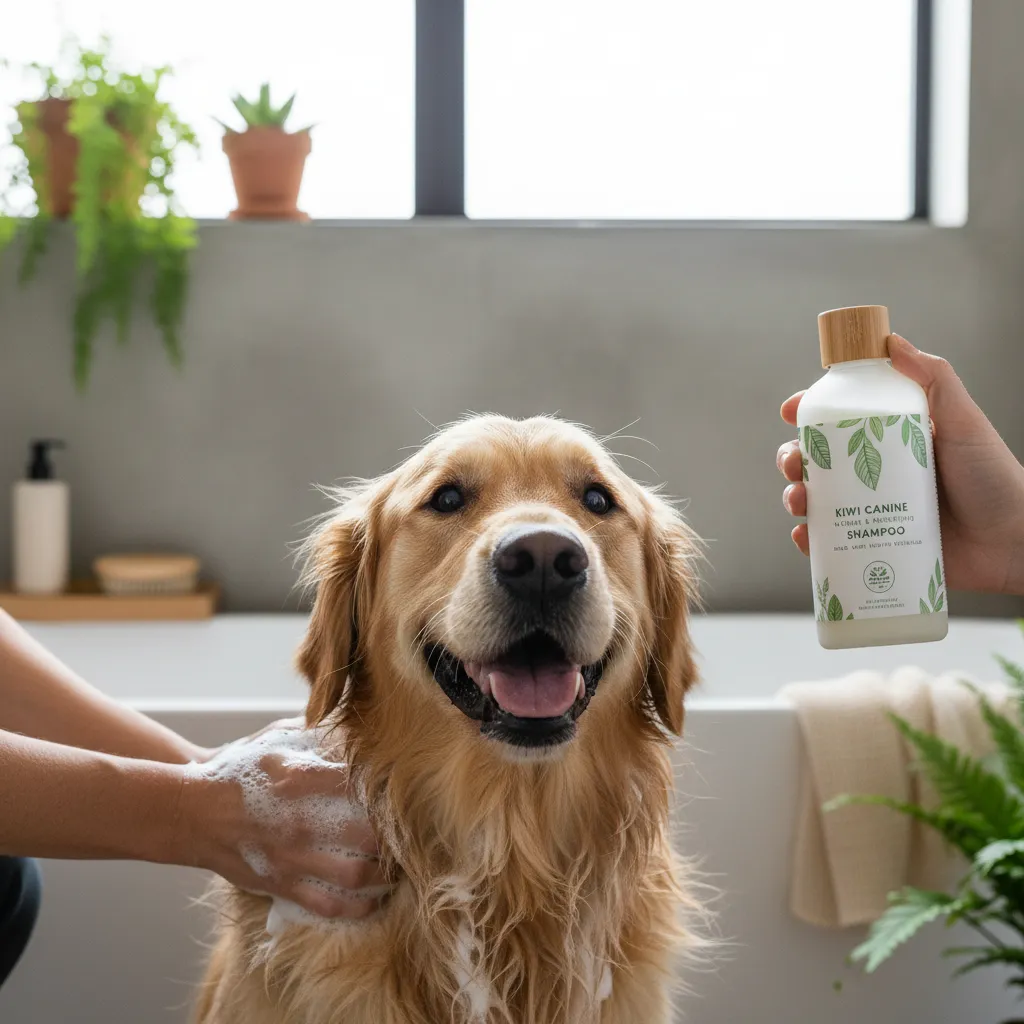
4.1 Natural and Non-Toxic Products
- Shampoos & Conditioners: Choose products made with natural, biodegradable ingredients, free from harsh chemicals, parabens, and artificial fragrances. Look for ‘earth-friendly’ or ‘pH-balanced’ labels.
- Flea & Tick Treatments: Explore natural prevention methods or consult your vet about effective, lower-impact pharmaceutical options.
4.2 Water-Wise Grooming
Be mindful of water usage during baths. Use efficient bathing techniques, opt for quick rinses, and consider using a dry shampoo alternative between full washes.
5. Adopting and Supporting Sustainably
The initial step of bringing a pet into your home can also be an act of green pet ownership.
5.1 Rescue, Don’t Buy
Adopting a pet from a local shelter or rescue organisation not only gives an animal a second chance but also helps reduce the demand for commercial breeding, which can often have a larger environmental footprint.
5.2 Support Local and Ethical Businesses
When purchasing pet supplies, prioritise local New Zealand businesses committed to sustainable practices, fair trade, and responsible sourcing. Their commitment often extends beyond products to their community and environment.
6. Your Eco-Friendly Pet Care Action Checklist
Ready to put these tips into action? Here’s a quick checklist to guide your journey towards greener pet ownership:
- ✓ Research sustainable pet food brands with eco-friendly ingredients and packaging.
- ✓ Look for durable, recycled, or natural material pet toys and accessories.
- ✓ Switch to certified compostable pet waste bags or consider a dedicated pet waste composter.
- ✓ Explore natural and biodegradable cat litter alternatives.
- ✓ Use natural, non-toxic pet shampoos and practice water-wise grooming.
- ✓ Consider adopting from a local rescue or shelter.
- ✓ Support local New Zealand pet businesses committed to sustainability.
- ✓ Conserve energy and water in all aspects of pet care.
Conclusion
Embracing eco-friendly pet care is a rewarding step towards a more sustainable life. By making conscious choices in food, products, waste management, and even how we acquire our pets, we can significantly reduce our environmental footprint and contribute to a healthier planet for everyone. Every small change adds up, creating a positive impact that extends far beyond your own backyard. Your pet, and Mother Earth, will thank you!
7. Frequently Asked Questions (FAQ)
What is eco-friendly pet care?
Eco-friendly pet care involves making conscious choices to reduce the environmental impact of owning a pet. This includes sustainable food, products, responsible waste management, and energy-efficient practices.
Are biodegradable poop bags truly eco-friendly?
While an improvement, it’s essential to look for bags certified as ‘compostable’ to standards like EN 13432. Many ‘biodegradable’ bags may still break down into microplastics or require specific industrial composting conditions not available in all areas.
Can I compost my pet’s waste at home?
Generally, no, not in a regular home compost bin used for gardening, due to potential pathogens. Dedicated pet waste composting systems, separate from your food garden, can be used for dog and sometimes cat waste, following strict guidelines to ensure safety.
How can I find sustainable pet products in New Zealand?
Look for local brands emphasising natural ingredients, recycled content, and ethical sourcing. Check product labels for certifications, research company values, and visit specialty eco-stores or online sustainable marketplaces.
Is a raw diet more eco-friendly for pets?
The eco-friendliness of a raw diet depends heavily on the sourcing of its ingredients. If the meat is sustainably and locally sourced with minimal processing and packaging, it *can* be more eco-friendly than highly processed commercial kibble. However, it’s crucial to consult a vet to ensure nutritional completeness and safety, and always consider the overall supply chain.
8. References and Sources
- Okin, G. S. (2017). Environmental impacts of food consumption by dogs and cats. PLoS ONE, 12(8), e0181301. [Link to Study]
- Ministry for the Environment. (n.d.). Waste and recycling in New Zealand. [Link to MfE]
- Sustainable Vet Practices. (2023). Greening your vet care routine. [Conceptual resource based on general sustainable veterinary guidelines]
- Compostable Products New Zealand. (n.d.). Understanding composting standards. [Conceptual resource based on general composting standards]
- NZ Pet Food Manufacturers Association. (n.d.). Industry guidelines and sustainability. [Conceptual resource based on general industry best practices]