Eco-Friendly Pet Accessories: Sustainable Collars & Leashes
Making a paw-sitive impact with sustainable choices for your beloved companions.
In a world increasingly focused on sustainability, our choices as consumers extend far beyond our own needs. For many of us in New Zealand, our pets are cherished family members, and their well-being intertwines with our commitment to a healthier planet. But have you ever considered the environmental paw-print of your pet’s accessories?
From the materials used in collars and leashes to their eventual disposal, traditional pet gear can contribute significantly to landfill waste and ecological strain. Thankfully, a growing movement toward eco-friendly pet accessories offers stylish, durable, and genuinely sustainable alternatives. This guide will explore how you can make more conscious choices, focusing on sustainable collars and leashes, and contribute to a greener future for Aotearoa.
Why Choose Eco-Friendly Pet Accessories?
The shift towards sustainable living isn’t just about human products; it’s about evaluating the entire ecosystem of our consumption. When it comes to our furry friends, choosing eco-friendly pet accessories offers multiple benefits:
- Reduced Environmental Impact: Traditional pet gear often relies on virgin plastics, synthetic fibres like nylon, and harmful dyes. These materials contribute to pollution, resource depletion, and microplastic contamination. Sustainable options minimise this footprint.
- Pet Health & Safety: Many conventional materials contain chemicals that can be irritating or even harmful to pets over prolonged contact. Natural, non-toxic alternatives are often gentler on their skin and safer if chewed.
- Supporting Ethical Practices: Opting for brands that prioritise sustainability often means supporting companies with ethical manufacturing processes, fair labour practices, and a commitment to reducing waste.
- Longevity & Durability: Surprisingly, many eco-friendly materials like hemp are incredibly strong and durable, meaning you’ll replace items less often, saving money and reducing waste in the long run.
“Every year, millions of pet accessories end up in landfills, contributing to a growing waste crisis. Making conscious choices about what we buy for our pets is a powerful step towards a more sustainable future.”
60 Million+
…tons of plastic waste are generated globally by pet products annually, much of which is not recyclable. Choosing sustainable options helps divert waste from landfills. (Source: Industry reports on pet product waste)

Decoding Sustainable Materials for Collars & Leashes
The heart of sustainable pet gear lies in its materials. Understanding what goes into your pet’s collar and leash can help you make informed decisions.
Hemp & Organic Cotton
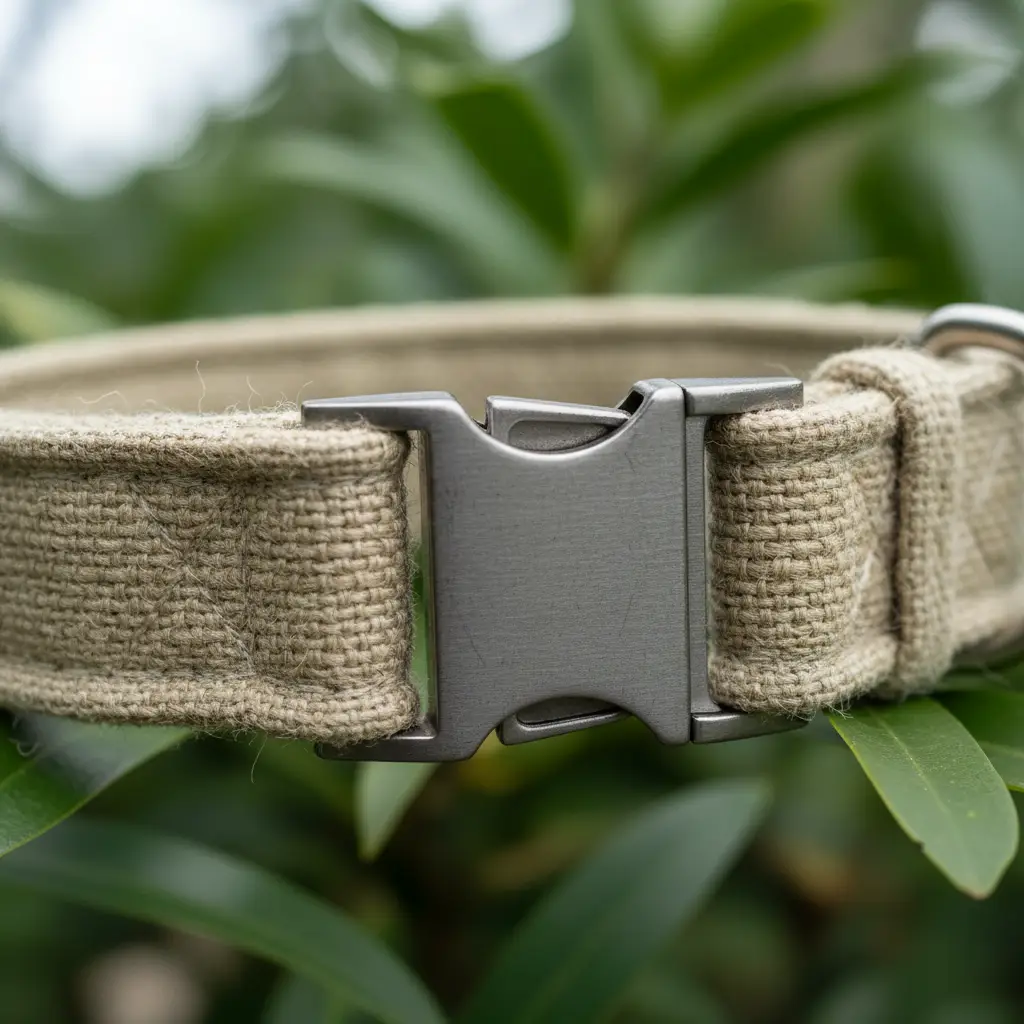
Hemp is a true superstar in sustainable textiles. It requires very little water, no pesticides, and naturally enriches the soil it grows in. Collars and leashes made from hemp are incredibly durable, naturally hypoallergenic, antimicrobial, and get softer with age. Organic cotton, grown without synthetic pesticides or fertilisers, is another excellent natural fibre choice, offering breathability and softness, though it requires more water than hemp.
Recycled & Upcycled Materials
Giving new life to discarded materials is a cornerstone of circular economy principles. Look for eco-friendly pet accessories made from:
- Recycled Plastic (rPET): Often sourced from discarded plastic bottles, rPET can be spun into durable and water-resistant webbing, perfect for leashes and collars. This reduces plastic waste and the need for virgin plastic production.
- Upcycled Fishing Nets: A fantastic solution for marine plastic pollution, abandoned fishing nets (ghost gear) are collected and repurposed into strong, ocean-friendly pet products.
- Used Fire Hoses or Climbing Ropes: Some innovative brands upcycle incredibly strong and robust materials like decommissioned fire hoses or climbing ropes, creating truly unique and durable items.
Innovative Plant-Based Leathers
For those seeking alternatives to traditional leather, several plant-based options are emerging as truly sustainable choices:
- Pineapple Leather (Pinatex): Made from the cellulose fibres of pineapple leaves, this material is durable, water-resistant, and requires no additional land, water, or pesticides beyond pineapple cultivation.
- Mushroom Leather (Mycelium): Grown from fungi, mycelium-based materials are biodegradable and can be cultivated rapidly with minimal environmental impact.
- Cactus Leather: Derived from nopal cactus, this innovative material is soft, flexible, and robust, requiring significantly less water than traditional leather production.
Natural Dyes & Hardware
Sustainability extends to every component. Look for collars and leashes coloured with natural, non-toxic dyes like those derived from plants. For hardware, opt for materials like solid brass, stainless steel, or recycled aluminium, which are durable and often easier to recycle than plated alternatives.
What to Look for When Buying Eco-Friendly Pet Accessories
Navigating the market for sustainable products can be tricky. Here’s what to keep in mind to ensure your sustainable collars and leashes truly align with your values:
Durability & Longevity
The most sustainable product is one that lasts. A high-quality, durable eco-friendly collar or leash reduces the need for frequent replacements, saving resources and money. Check reviews and product descriptions for indicators of strength and resilience.
Certifications & Transparency
Labels like GOTS (Global Organic Textile Standard) for organic cotton, OEKO-TEX for textile safety, or B Corp certification for overall social and environmental performance can offer peace of mind. Beyond certifications, look for brands that are transparent about their sourcing, manufacturing processes, and supply chain.
Local & Ethical Sourcing
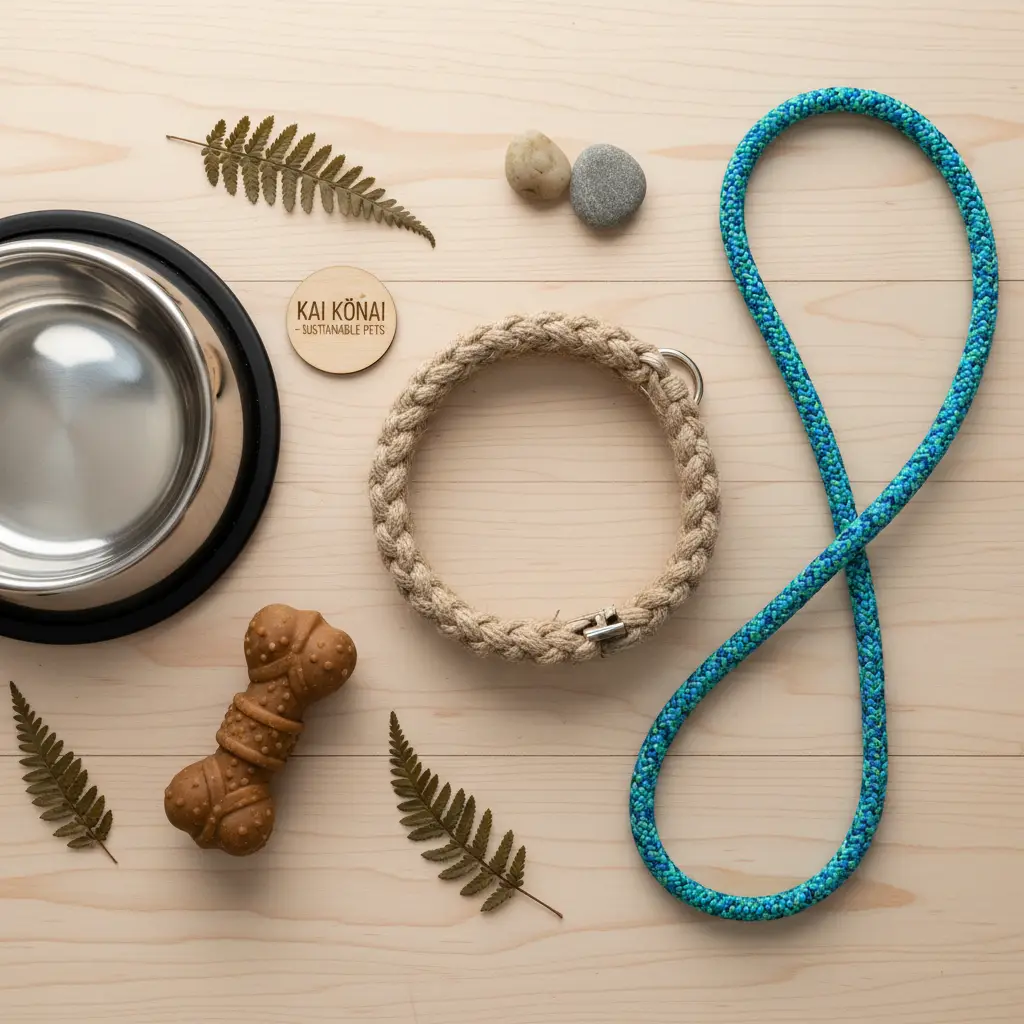
Supporting local New Zealand businesses that craft eco-friendly pet accessories reduces transportation emissions and often ensures higher ethical standards. Inquire about where materials are sourced and if production methods align with fair trade principles.
Beyond Collars & Leashes: A Holistic Approach
While sustainable collars and leashes are a great starting point, consider extending your eco-conscious choices to other aspects of pet ownership. Think about:
- Biodegradable Waste Bags: Ditch plastic bags for compostable alternatives.
- Natural Pet Food: Choose sustainably sourced ingredients with minimal processing and eco-friendly packaging.
- Eco-Friendly Pet Toys: Opt for toys made from natural rubber, recycled materials, or organic cotton instead of synthetic plastics.
- Compostable Litter: For cat owners, wood pellet or corn-based litters are far better for the environment than traditional clay.

Conclusion
Transitioning to an eco-friendly lifestyle for your pet doesn’t have to be overwhelming. Starting with conscious choices for everyday items like eco-friendly pet accessories, specifically sustainable collars and leashes, is a significant step. By prioritising natural, recycled, or innovatively sustainable materials, and supporting transparent brands, you not only provide the best for your furry friend but also contribute positively to the health of our planet. Let’s make every walk a statement of sustainability, one leash and collar at a time.
Frequently Asked Questions
What makes a pet accessory “eco-friendly”?
An eco-friendly pet accessory is typically made from sustainable, recycled, or upcycled materials, manufactured with minimal environmental impact, and is often biodegradable or easily recyclable at the end of its life. It avoids harmful chemicals and prioritises durability to reduce waste.
Are sustainable collars and leashes durable?
Absolutely! Many sustainable materials like hemp, recycled rPET webbing, and even plant-based leathers are incredibly robust and designed for longevity. In fact, their natural properties often make them more resilient to wear and tear than their synthetic counterparts.
Where can I find eco-friendly pet accessories in New Zealand?
Many local artisan markets, specialist pet boutiques, and online retailers in New Zealand are now offering a range of eco-friendly pet accessories. Look for brands that highlight their sustainable materials and ethical sourcing on their websites.
Is it more expensive to buy eco-friendly pet products?
While some eco-friendly products might have a higher upfront cost due to specialised materials and ethical production, their superior durability often means they last longer, reducing replacement frequency and potentially saving money in the long run. Consider it an investment in quality and sustainability.
References & Sources
- Textile Exchange. (Ongoing). Preferred Fiber & Materials Market Report. (General industry reports on sustainable materials usage).
- Pet Sustainability Coalition. (Various Publications). Pet Industry Sustainability Trends. (Reports on environmental impact within the pet industry).
- United Nations Environment Programme. (Various Reports). Addressing Marine Plastic Pollution. (Information on plastic waste and upcycling efforts).
- Global Organic Textile Standard (GOTS). Standards & Certifications. (Details on organic textile requirements).