Eco-Friendly Outdoor Gear: Ethical Sourcing & Fair Trade
New Zealanders cherish our stunning natural environment, making the choices we make about our outdoor gear more critical than ever. As we explore our beautiful landscapes, from the fiords of Milford Sound to the volcanic peaks of Tongariro, it’s vital to consider the footprint we leave behind, not just on the trail, but throughout the entire lifecycle of our equipment.
This comprehensive guide delves into the world of Eco-Friendly Outdoor Gear: Ethical Sourcing & Fair Trade, empowering you to make conscious decisions that protect both our planet and the people who craft the tools for our adventures. Discover how you can align your passion for the outdoors with a commitment to sustainability and social justice.
Table of Contents
Why Sustainable Outdoor Gear Matters More Than Ever
Every piece of outdoor gear, from your hiking boots to your waterproof jacket, has a story – a journey from raw material to finished product. Unfortunately, this journey often comes with a significant environmental and social cost.
Did you know?
The global fashion industry, encompassing outdoor apparel, is responsible for up to 10% of global carbon emissions and is the second-largest consumer of the world’s water supply.
From synthetic fabrics derived from fossil fuels to toxic dyes and harmful chemical treatments like PFCs (per- and polyfluoroalkyl substances) used for waterproofing, traditional manufacturing practices contribute to pollution, waste, and habitat destruction. Furthermore, the supply chains can be fraught with human rights abuses, including unfair wages, unsafe working conditions, and child labour.
Decoding ‘Eco-Friendly’: Materials, Processes, and Impact
The term ‘eco-friendly’ can be broad, but in the context of outdoor gear, it primarily refers to products designed and produced with minimal negative impact on the environment. This encompasses the entire lifecycle, from resource extraction to end-of-life.
Sustainable Materials: The Foundation
- Recycled Materials: Polyester and nylon derived from plastic bottles or fishing nets significantly reduce reliance on virgin petroleum, diverting waste from landfills and oceans. Look for R-PET or recycled nylon.
- Organic & Natural Fibres: Organic cotton, hemp, and merino wool are excellent choices. Organic cotton avoids harmful pesticides and uses less water. Hemp is highly durable and requires minimal resources. Sustainably sourced merino wool offers natural temperature regulation and odour resistance without microplastic shedding.
- Bio-based Synthetics: Innovations in plant-based polymers offer alternatives to traditional synthetics, though their impact can vary.
- Upcycled Components: Giving new life to discarded materials, upcycling reduces waste and resource consumption.
Consider This:
Choosing a jacket made from recycled polyester can reduce energy consumption by up to 59% compared to manufacturing virgin polyester and decreases CO2 emissions by about 32%.
Environmentally Responsible Manufacturing Processes
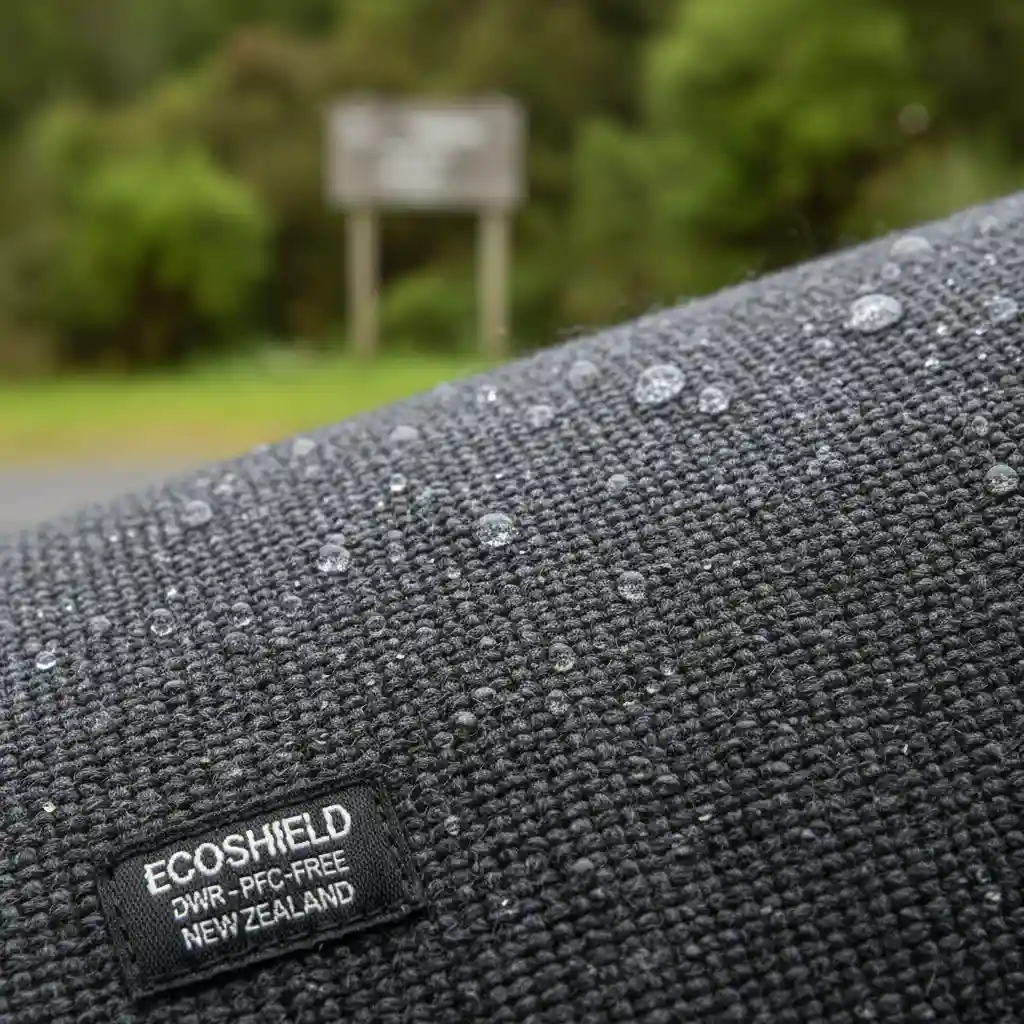
- PFC-Free Waterproofing: Traditional durable water repellent (DWR) coatings often contain PFCs, which are persistent organic pollutants harmful to humans and the environment. Brands are increasingly adopting safer, PFC-free alternatives.
- Bluesign® Certification: This rigorous standard ensures textile products are manufactured using processes that minimise environmental impact, conserve resources, and protect workers.
- Dyeing Processes: Look for brands employing waterless dyeing techniques or those using low-impact, non-toxic dyes.
- Reduced Waste: Companies committed to zero-waste production, efficient pattern cutting, and repurposing textile scraps are making a difference.
The Pillars of Ethical Sourcing & Fair Trade
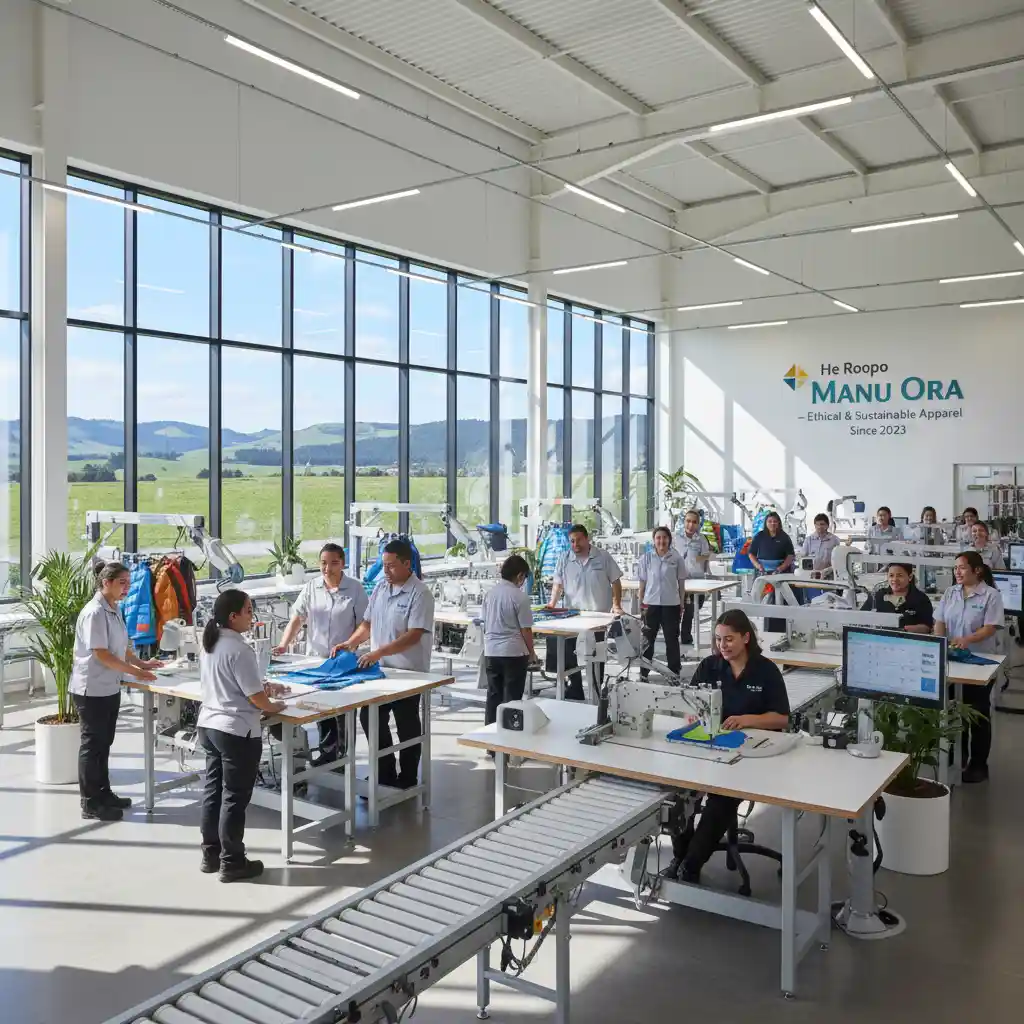
Beyond environmental considerations, ethical sourcing and fair trade ensure that the people involved in creating your outdoor gear are treated with dignity and paid fairly. This is about social justice in the supply chain.
Fair Labour Practices
- Living Wages: Workers should earn enough to meet their basic needs and have discretionary income.
- Safe Working Conditions: Factories must adhere to strict health and safety standards, free from exploitation and hazardous environments.
- No Child or Forced Labour: Strict policies against child labour and forced labour are non-negotiable.
- Freedom of Association: Workers have the right to join unions and bargain collectively.
Ethical Impact:
Fair Trade certified producers often invest significantly in community development projects like education, healthcare, and infrastructure, directly benefiting over 1.6 million farmers and workers globally.
Supply Chain Transparency
A truly ethical brand is transparent about its entire supply chain, from raw material extraction to finished product. They know where their materials come from, who makes their products, and under what conditions. This transparency allows for accountability and continuous improvement.
Community & Social Impact
Ethically sourced brands often go further, investing in the communities where their products are made through education, healthcare, or environmental initiatives. This holistic approach supports sustainable development.
Identifying Truly Sustainable & Ethical Brands
Navigating the market for eco-friendly outdoor gear with ethical sourcing and fair trade can be challenging, but certain indicators can guide your choices:
Certifications & Standards to Look For:
- Fair Trade Certified: Guarantees fair wages and safe conditions for workers.
- Bluesign® Product/Approved: Ensures environmentally responsible production processes and materials.
- GOTS (Global Organic Textile Standard): For organic fibres, certifying ecological and social criteria throughout the supply chain.
- Responsible Down Standard (RDS): Ensures down and feathers come from animals that have not been subjected to unnecessary harm.
- B Corp Certification: Indicates a company meets high standards of verified social and environmental performance, public transparency, and legal accountability.
“True sustainability isn’t just about what a product is made of, but how it’s made, who makes it, and its impact on both planet and people.”
Beyond Certifications: Brand Philosophy & Actions
- Transparency Reports: Leading brands often publish detailed sustainability and impact reports.
- Repair & Warranty Programs: A commitment to product longevity through repairs reduces waste.
- Recycling Initiatives: Some brands offer take-back programs for their old gear.
- Local New Zealand Brands: Support local businesses that prioritise sustainable practices, often with a smaller carbon footprint due to local production or sourcing.
Your Impact: Beyond the Initial Purchase
Choosing eco-friendly outdoor gear with ethical sourcing and fair trade is a powerful first step, but your journey towards a more sustainable outdoor lifestyle doesn’t end there.
Embrace the Circular Economy
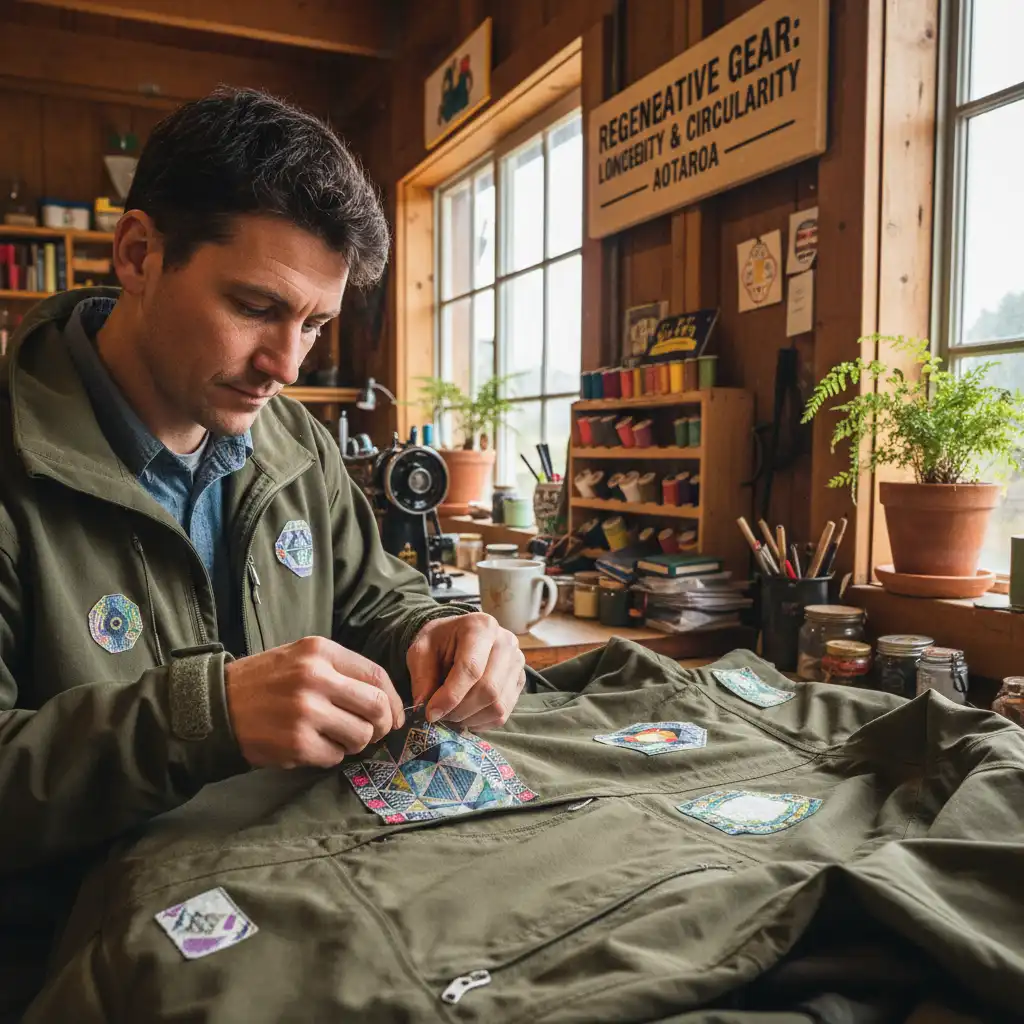
- Care for Your Gear: Proper cleaning and maintenance extend the life of your equipment significantly.
- Repair, Don’t Replace: Learn basic repair skills or utilise professional repair services. Many brands offer repair services or guides.
- Buy Second-Hand: Give pre-loved gear a new adventure. This reduces demand for new production and keeps items out of landfills.
- Rent or Borrow: For specialised or infrequently used items, consider renting from outdoor shops or borrowing from friends.
- Recycle Responsibly: When gear truly reaches its end-of-life, seek out textile recycling programs or brand take-back schemes if available.
Conclusion
The shift towards Eco-Friendly Outdoor Gear: Ethical Sourcing & Fair Trade is more than a trend; it’s a critical movement towards a more responsible and sustainable future for our planet and its people. By making informed choices, supporting transparent brands, and extending the life of your gear, you become an active participant in protecting the very wild places you love to explore.
Let’s adventure consciously, ensuring that our love for the outdoors translates into a commitment to its preservation for generations to come. Your choices truly make a difference.
Frequently Asked Questions (FAQ)
What makes outdoor gear ‘eco-friendly’?
Eco-friendly outdoor gear is made from sustainable materials (like recycled polyester, organic cotton, or sustainably sourced merino wool) and produced using processes that minimise environmental impact, such as PFC-free waterproofing, reduced water usage, and non-toxic dyes. It considers the entire lifecycle of the product.
Why is ‘ethical sourcing’ important for outdoor gear?
Ethical sourcing ensures that the people involved in manufacturing outdoor gear are treated fairly, paid living wages, work in safe conditions, and are free from exploitation. It addresses the social impact of production, promoting human rights and community well-being across the supply chain.
How can I identify genuinely fair trade outdoor gear?
Look for reputable certifications like Fair Trade Certified, which guarantees adherence to strict social and environmental standards. Additionally, research brands that are transparent about their supply chain, publish sustainability reports, and demonstrate a clear commitment to fair labor practices.
Are sustainable outdoor gear options as durable as traditional ones?
Absolutely. Many sustainable materials like recycled polyester, organic hemp, and high-quality merino wool are inherently durable. Brands committed to sustainability often prioritise longevity in their designs, understanding that the most eco-friendly product is one that lasts. Innovations in materials and manufacturing mean you don’t have to compromise on performance for sustainability.
What role do consumers in New Zealand play in promoting eco-friendly gear?
New Zealand consumers have a significant role. By actively seeking out and supporting brands that produce eco-friendly and ethically sourced gear, asking questions about supply chains, caring for and repairing existing gear, and participating in circular economy initiatives (like buying second-hand or recycling), you drive demand and encourage more brands to adopt sustainable practices. Your purchasing power is a powerful force for change.
References & Sources
- Ellen MacArthur Foundation. (2017). A New Textiles Economy: Redesigning fashion’s future. Retrieved from ellenmacarthurfoundation.org
- Textile Exchange. (Ongoing). Material Impact Briefs. Retrieved from textileexchange.org
- Bluesign Technologies AG. The bluesign® System. Retrieved from bluesign.com
- Fair Trade Certified. Fair Trade Impact. Retrieved from fairtradecertified.org
- Global Organic Textile Standard (GOTS). The Standard. Retrieved from global-standard.org
- Patagonia. Our Environmental + Social Initiatives. Retrieved from patagonia.com (Example of a brand with transparency reports)