Eco-Friendly Outdoor Gear: Boosting Conservation Awareness
Adventure responsibly in Aotearoa. Learn how your gear choices can protect New Zealand’s precious environment.
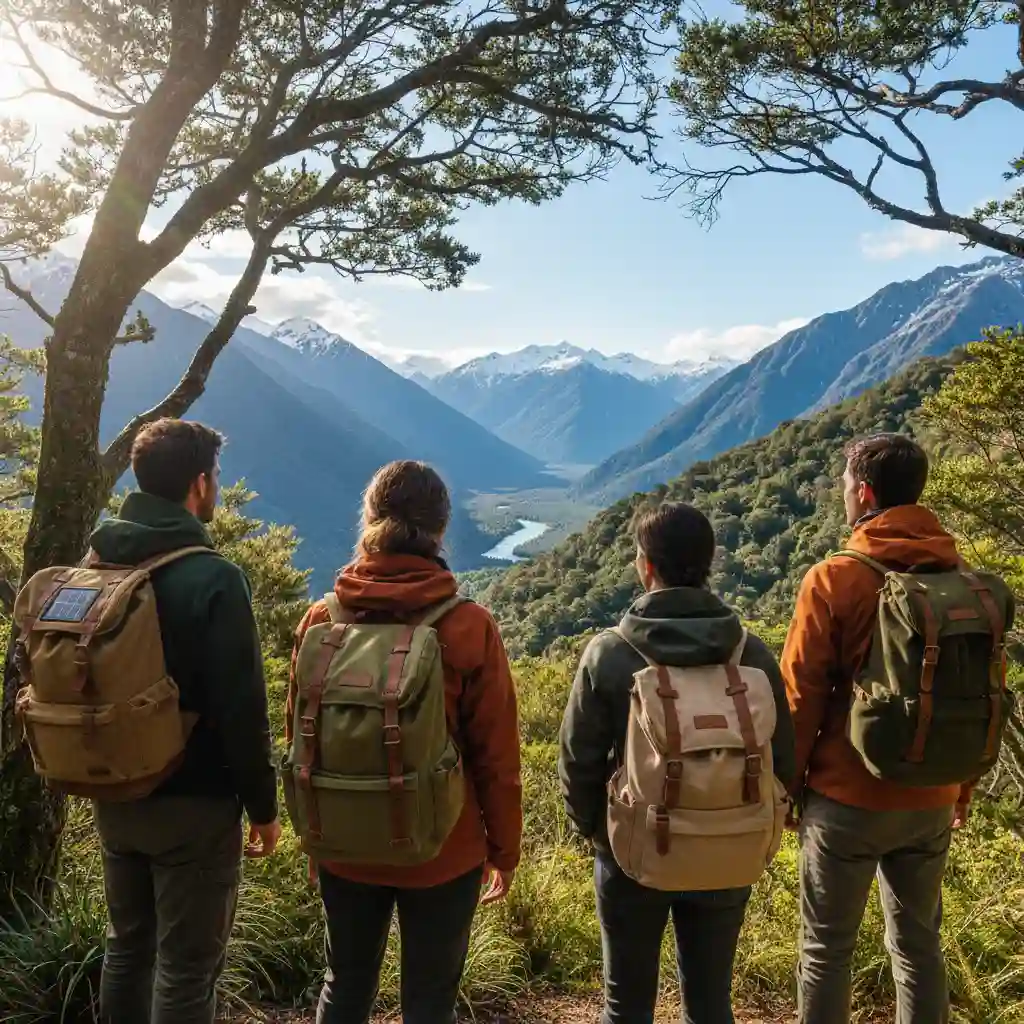
New Zealand, Aotearoa, is a land of unparalleled natural beauty – from its dramatic fiords and pristine beaches to its lush forests and majestic mountains. For many Kiwis and visitors alike, the call of the outdoors is irresistible. We hike, kayak, climb, and explore, immersing ourselves in the breathtaking landscapes that make our home so special. But as we embrace these adventures, have we considered the impact our gear might have on the very environment we cherish?
This article delves into the world of eco-friendly outdoor gear, exploring how conscious choices in what we wear and use can significantly contribute to conservation awareness and tangible environmental protection. It’s time to equip ourselves not just for adventure, but for a sustainable future for our beloved New Zealand.
Embracing sustainable practices in our outdoor pursuits is more than a trend; it’s a responsibility. Every piece of gear, from your jacket to your backpack, has a story – from its raw materials to its manufacturing process and eventual disposal. By choosing wisely, we become active participants in safeguarding New Zealand’s unique biodiversity and natural heritage.
Table of Contents
- The Call of Aotearoa: Why Sustainable Gear Matters Here
- What Makes Outdoor Gear “Eco-Friendly”?
- Bridging Gear Choices and Conservation Action
- Key Eco-Friendly Gear Categories and What to Look For
- Beyond the Purchase: A Holistic Approach to Conservation
- Frequently Asked Questions (FAQ)
- References/Sources
The Call of Aotearoa: Why Sustainable Gear Matters Here
New Zealand boasts an extraordinary array of endemic species and pristine landscapes that are incredibly fragile. Our unique ecosystems, evolved in isolation, are particularly vulnerable to human impact. The very act of venturing into these environments, while enriching, carries a responsibility to minimise our footprint. Traditional outdoor gear often relies on petroleum-based synthetics, resource-intensive manufacturing, and chemicals that can leach into our waterways.
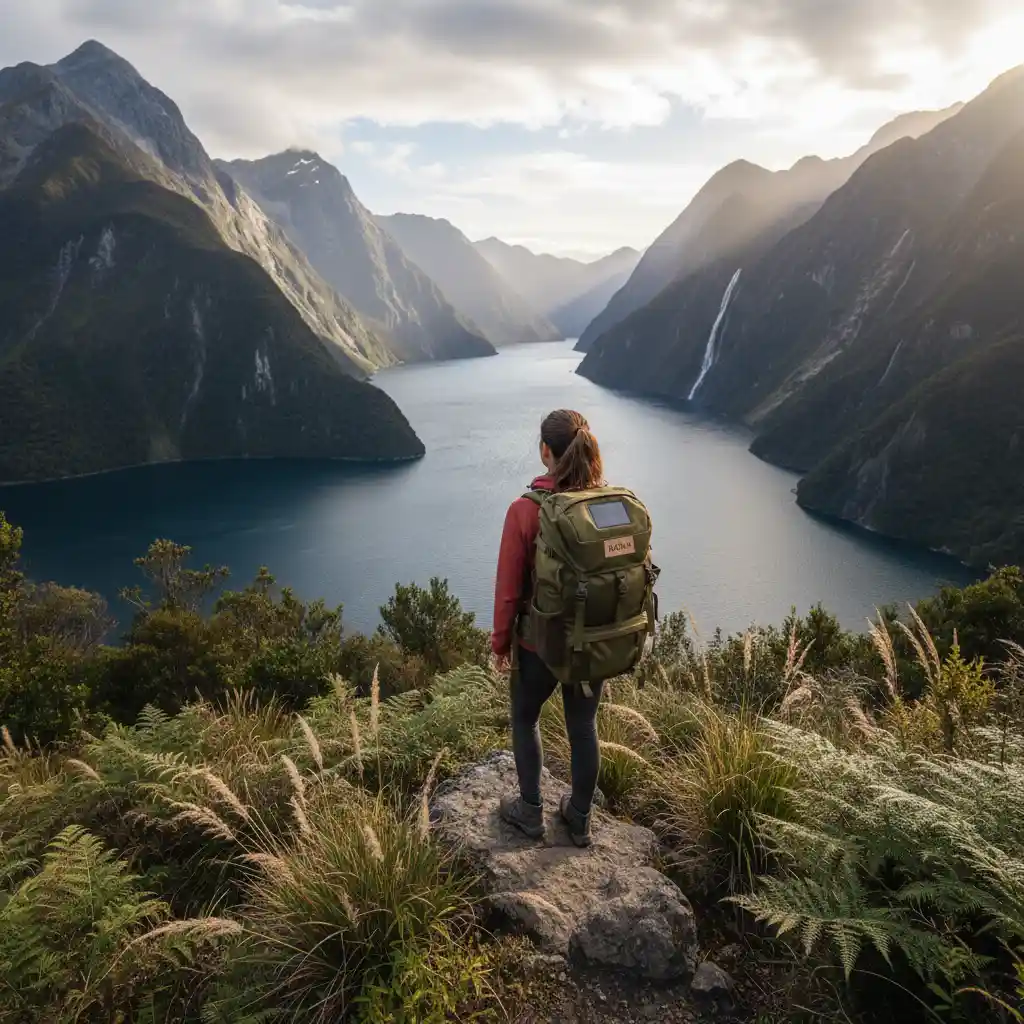
Choosing eco-friendly outdoor gear directly supports the preservation of this natural heritage. It’s a tangible way to align our love for the outdoors with our commitment to protect it. When brands prioritise sustainability, they often invest in cleaner production methods, ethical supply chains, and materials that are either recycled, renewable, or less harmful to the environment.
What Makes Outdoor Gear “Eco-Friendly”?
The term “eco-friendly” can sometimes feel vague, but when it comes to outdoor gear, it generally refers to products designed and produced with minimal negative impact on the environment and society. Here are key aspects to consider:
Materials and Sourcing
- Recycled Content: Gear made from recycled plastics (like RPET from bottles) or salvaged fabrics reduces demand for virgin resources and diverts waste from landfills.
- Natural & Organic Fibres: Organic cotton, hemp, TENCEL™ Lyocell, and sustainably sourced merino wool offer biodegradable alternatives to synthetics.
- Bio-based Materials: Innovations are leading to components derived from plants, reducing reliance on fossil fuels.
Manufacturing Processes
- Reduced Water & Energy Use: Brands committed to sustainability often implement technologies to minimise resource consumption during manufacturing.
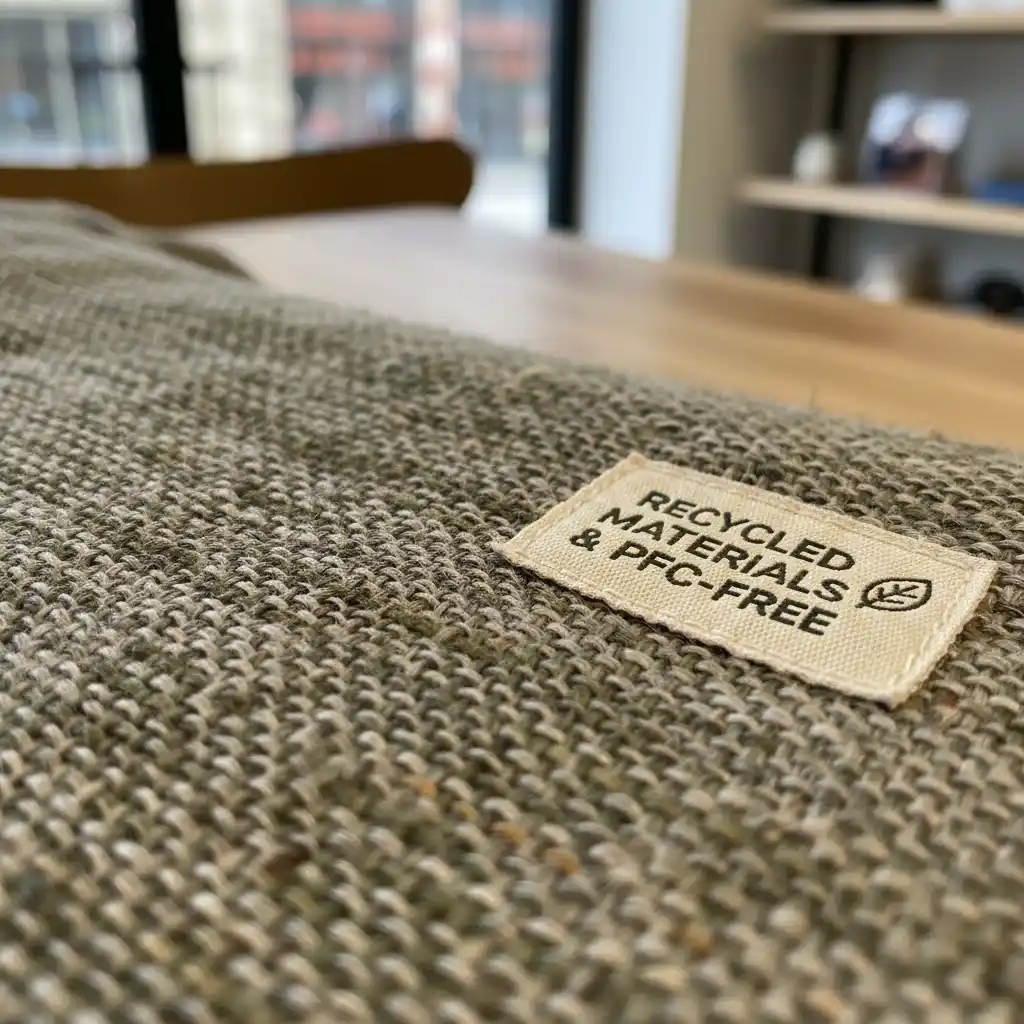
- Chemical Management: Avoiding harmful chemicals like PFCs (per- and polyfluorinated chemicals) in DWR (durable water repellent) finishes is crucial for water and soil health. Look for PFC-free options.
- Ethical Labour: Fair wages, safe working conditions, and no child labour are integral to true sustainability, often certified by organisations like Fair Trade.
Durability, Repairability & End-of-Life
The most sustainable gear is often the gear that lasts the longest. Brands focusing on durability, offering repair services, and considering the product’s recyclability or biodegradability at the end of its life cycle are leading the way.
“Choosing durable, repairable gear drastically reduces overall waste, extending the life cycle of products and diminishing the need for constant replacements.”
Globally, the textile industry alone is responsible for an estimated 92 million tonnes of waste annually, much of which ends up in landfills. Opting for recycled content and durable items makes a direct dent in this alarming figure.
Bridging Gear Choices and Conservation Action
How does purchasing eco-friendly outdoor gear translate into active conservation awareness? It’s a multi-faceted connection:
Direct Support for Conservation Initiatives
Many sustainable brands partner with environmental organisations, donating a portion of their profits to conservation projects. By supporting these brands, consumers indirectly fund habitat restoration, species protection, and environmental education programmes right here in New Zealand and globally.
Promoting Responsible Outdoor Practices
Brands focused on sustainability often champion the Leave No Trace principles, embedding messages of minimal impact into their marketing and product use guidelines. When you buy their gear, you’re not just buying a product; you’re often buying into a philosophy of responsible adventuring.
Becoming an Advocate and Educator
When you choose sustainable gear, you become a walking billboard for conservation. Your gear choice can spark conversations, educate peers, and normalise eco-conscious consumerism within the outdoor community. This ripple effect boosts overall conservation awareness.
Key Eco-Friendly Gear Categories and What to Look For
Let’s break down some common gear types and what to seek out for a greener adventure:
Apparel (Jackets, Pants, Base Layers)
- Look for: Recycled polyester, responsibly sourced merino wool (RWS certified), TENCEL™ Lyocell.
- Avoid: PFC-based DWR finishes; opt for PFC-free or plant-based water repellents.
Backpacks & Tents
- Look for: Recycled nylon/polyester fabrics, solution-dyed fabrics (reduces water usage), PFC-free coatings.
- Consider: Brands that offer repair services or take-back programs.
Footwear
- Look for: Recycled rubber soles, bio-based foams, ethically sourced leather (LWG certified), vegan options.
- Prioritise: Durability and brands known for long-lasting, repairable boots.
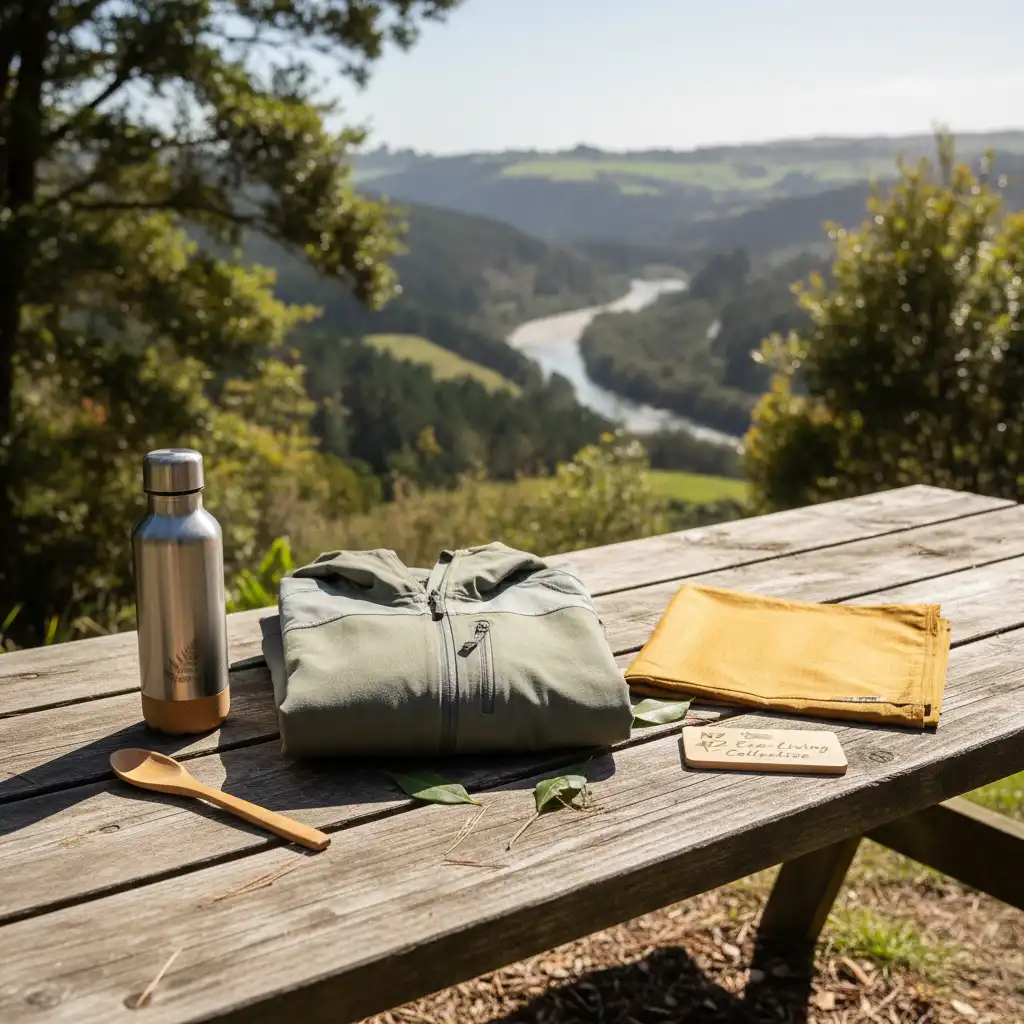
Accessories
- Reusable water bottles, bamboo utensils, solar-powered chargers, biodegradable toiletries.
- Every small choice adds up to a larger impact.
Beyond the Purchase: A Holistic Approach to Conservation
While choosing eco-friendly outdoor gear is a powerful first step, true conservation awareness extends beyond the initial purchase. It’s about a holistic approach to our outdoor lifestyle.
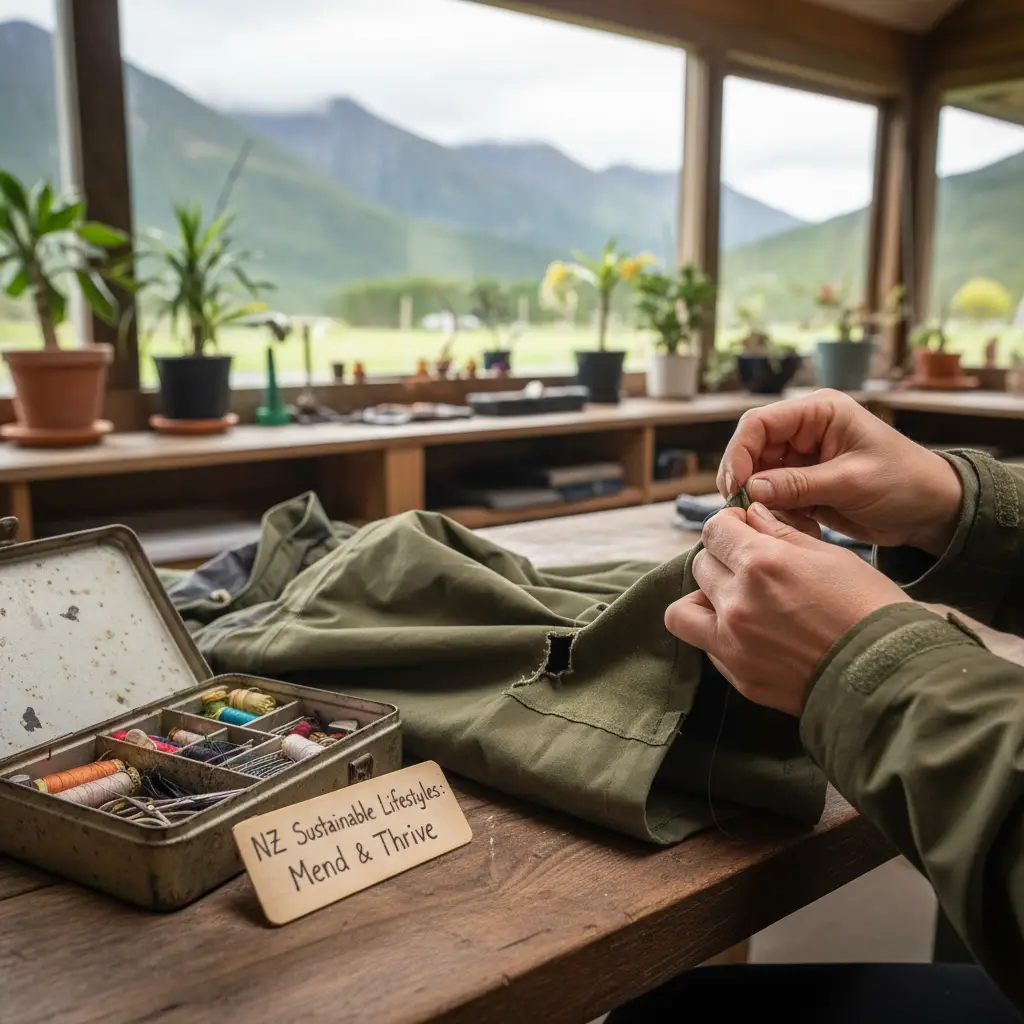
Care, Repair, and Extend
Properly maintaining your gear significantly extends its lifespan, reducing the need for replacements. Learn basic repair skills, or seek out brands and services that offer repair options. A well-cared-for item is the most sustainable item.
Recycle and Donate Responsibly
When your gear truly reaches its end of life, explore options for recycling or donating it. Some brands have take-back programs for textiles or components. Look for local initiatives that can reuse or repurpose old gear.
Active Participation in Conservation
Beyond your gear, actively participate in conservation efforts. Volunteer for local clean-up days, pest control programmes, or native tree planting initiatives. Organisations like the Department of Conservation (DOC) always welcome helping hands.
In New Zealand, thousands of volunteers annually contribute hundreds of thousands of hours to conservation, removing invasive species, monitoring wildlife, and restoring habitats. Your direct action, alongside sustainable choices, amplifies positive change.
The journey towards a more sustainable outdoor lifestyle is ongoing. Every conscious decision, from the gear we choose to the actions we take in nature, contributes to a collective effort to protect Aotearoa for future generations.
Conclusion
Our passion for New Zealand’s wild places comes with a profound responsibility. By prioritising eco-friendly outdoor gear, we not only minimise our environmental footprint but also actively boost conservation awareness. It’s a powerful statement that our adventures are interwoven with the health of the planet, particularly the unique ecosystems of Aotearoa. Let’s make every adventure a step towards a more sustainable and vibrant future.
Frequently Asked Questions (FAQ)
What does “PFC-free” mean for outdoor gear?
PFC-free means that the durable water repellent (DWR) finish on your gear does not contain per- and polyfluorinated chemicals. These chemicals are known to be persistent in the environment and can be harmful. Opting for PFC-free gear helps protect waterways and wildlife from these pollutants.
How can I verify if a brand’s claims of being eco-friendly are true?
Look for third-party certifications like Bluesign (for textiles), Responsible Down Standard (RDS), Responsible Wool Standard (RWS), or Fair Trade. Transparent brands will often publish their sustainability reports and supply chain information on their websites. Do your research and be wary of greenwashing.
Is eco-friendly outdoor gear more expensive?
Sometimes, the initial cost can be higher due to the investment in sustainable materials, ethical labour, and cleaner production methods. However, eco-friendly gear often prioritises durability, meaning it lasts longer, reduces the need for frequent replacements, and offers better long-term value. Consider it an investment in both your adventures and the planet.
What are the “Leave No Trace” principles?
The Leave No Trace principles are a set of seven guidelines for minimising human impact on the outdoors. They include planning ahead and preparing, travelling and camping on durable surfaces, disposing of waste properly, leaving what you find, minimising campfire impacts, respecting wildlife, and being considerate of other visitors. Adhering to these principles is fundamental to conservation awareness.
References/Sources