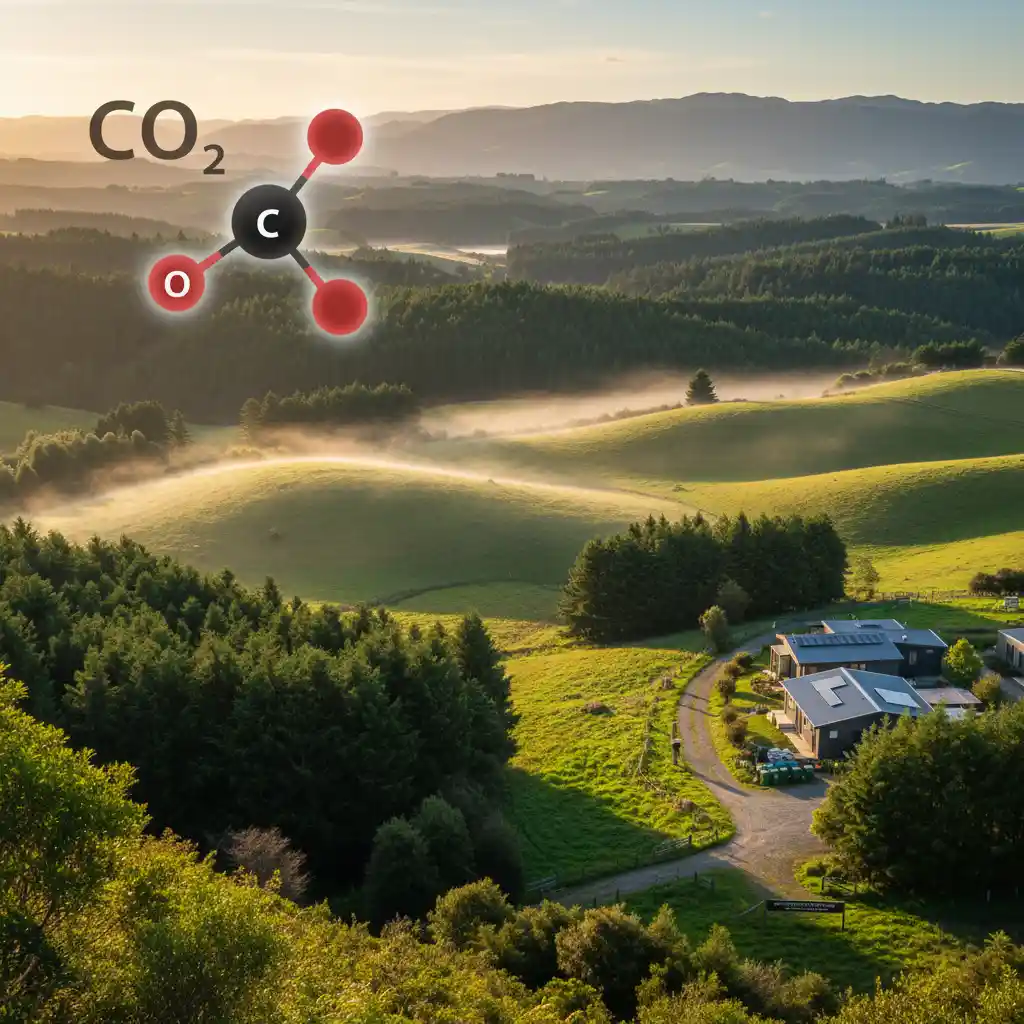
Eco-Friendly Mining: Techniques for Sustainable Practices
Mining, an essential industry for our modern world, often faces scrutiny for its environmental impact. But what if resource extraction could align with ecological preservation? This article delves into the innovative and crucial techniques transforming the mining sector into a more sustainable and responsible industry, offering a pathway to balance our needs with the planet’s health.
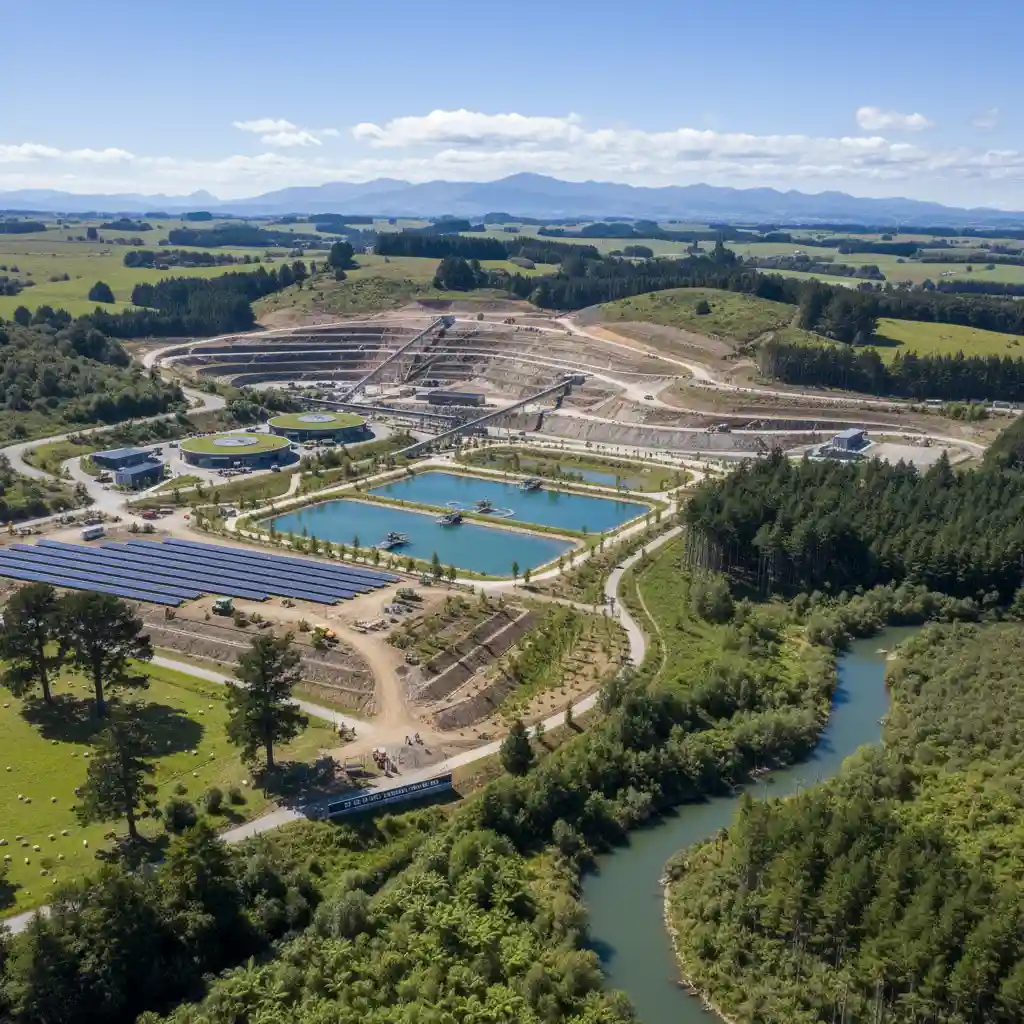
Table of Contents
- The Imperative for Sustainable Mining
- Key Pillars of Eco-Friendly Mining
- The Future of Eco-Friendly Mining in New Zealand
- Conclusion: Digging for a Greener Tomorrow
- Frequently Asked Questions (FAQ)
- References/Sources
The Imperative for Sustainable Mining
From the phones in our pockets to the infrastructure beneath our feet, mined materials are indispensable. However, traditional mining practices have historically led to significant environmental degradation, including habitat destruction, water pollution, and greenhouse gas emissions.
As global demand for minerals continues to rise, the call for eco-friendly mining: techniques for sustainable practices becomes louder. It’s not just about compliance; it’s about pioneering methods that ensure resource availability for future generations without compromising our planet’s health today. This shift represents a fundamental change in how we approach resource extraction, moving towards a circular economy model where waste is minimised and resources are maximised.
Key Pillars of Eco-Friendly Mining
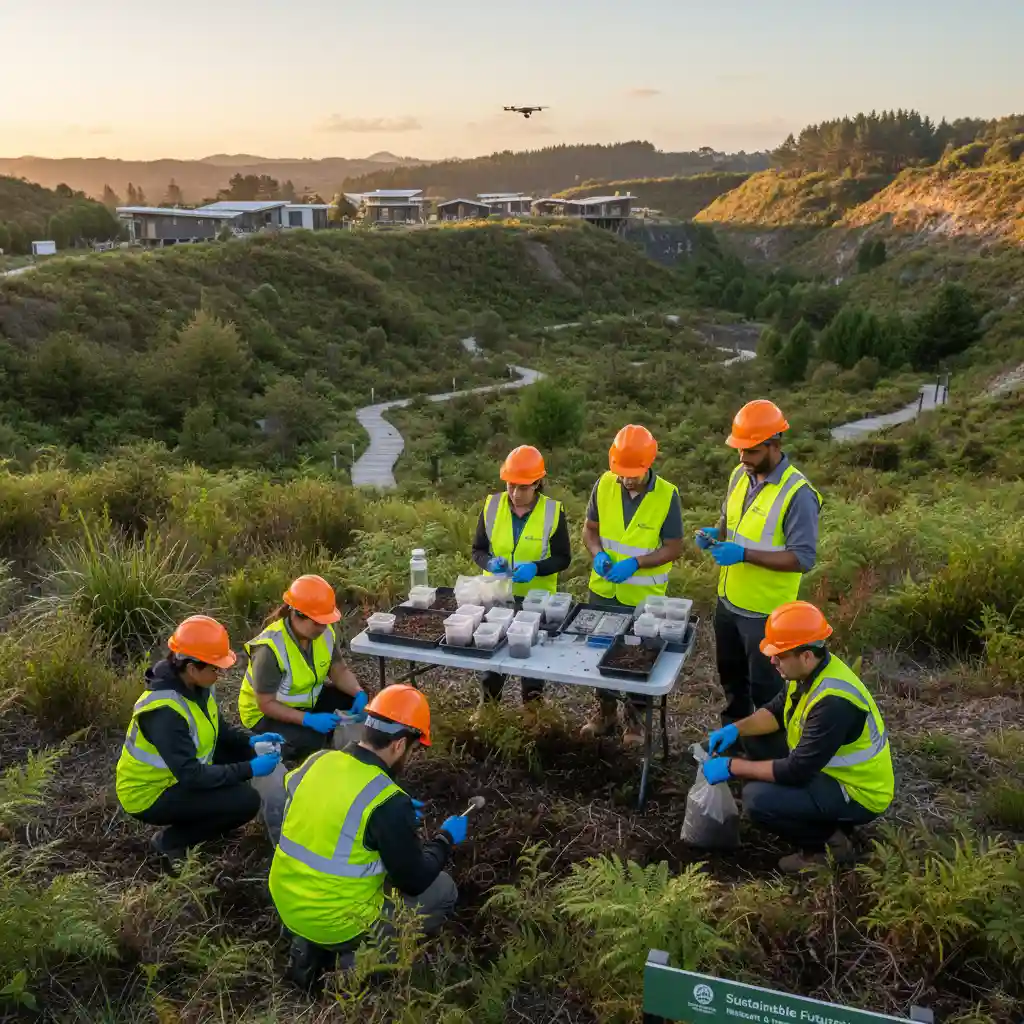
True sustainable mining involves a holistic approach, integrating environmental protection, social responsibility, and economic viability. Here are the core techniques driving this transformation:
1. Minimising Environmental Footprint (Land, Water, Air)
Reducing the physical disturbance to landscapes and ecosystems is paramount. This includes:
- Precision Mining: Utilizing advanced geological mapping and robotics to extract only the targeted ore, reducing the volume of waste rock.
- Water Management: Implementing closed-loop water systems, treating and recycling process water, and preventing acid mine drainage through advanced filtration and neutralization techniques.
- Air Quality Control: Employing dust suppression technologies, using electric or hybrid vehicles, and optimizing ventilation systems to minimise particulate matter and greenhouse gas emissions.
Stat Callout: Responsible water management in mining can reduce fresh water consumption by up to 80% through advanced recycling systems. (Source: International Council on Mining and Metals)
2. Responsible Resource Management
This pillar focuses on getting the most out of extracted resources and exploring alternatives:
- Optimised Ore Processing: Using energy-efficient crushing, grinding, and separation techniques that recover more valuable minerals with less energy input.
- Urban Mining: Recovering valuable materials from discarded products (e-waste, old infrastructure) as a supplementary source, reducing the need for virgin material extraction.
- Circular Economy Principles: Designing products with future recyclability in mind and fostering industries that reuse mining by-products.
3. Advanced Waste and Tailings Management
Mine waste, particularly tailings, poses significant environmental risks. Modern techniques include:
- Paste Backfill: Mixing tailings with a binder to create a paste that can be used to backfill underground voids, increasing stability and reducing surface storage.
- Dry Stack Tailings: Dewatering tailings to a solid, stackable form, which reduces dam risks and land footprint, making rehabilitation easier.
- Waste-to-Value Initiatives: Researching methods to extract useful minerals or construction materials from waste streams, transforming liabilities into assets.
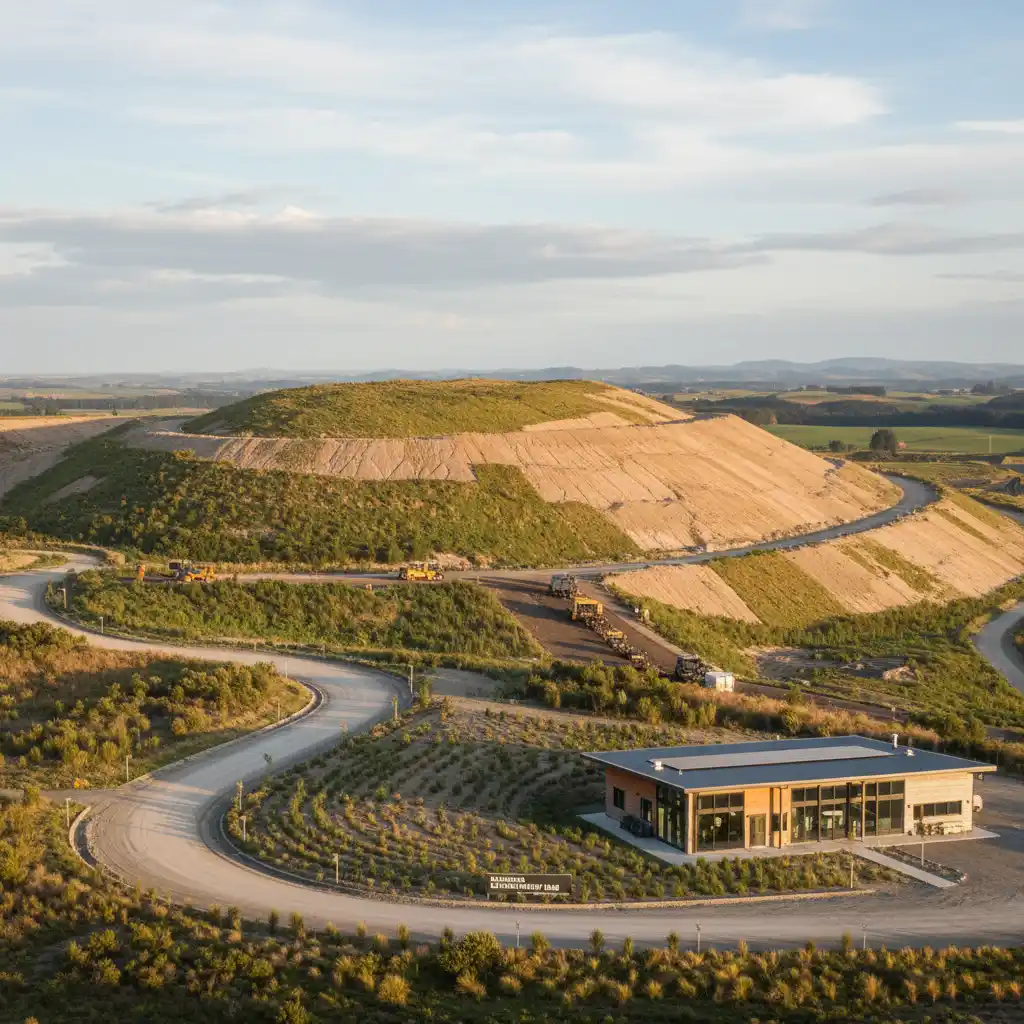
4. Mine Rehabilitation and Closure Planning
Integrating rehabilitation from the very beginning of a mine’s life cycle is crucial:
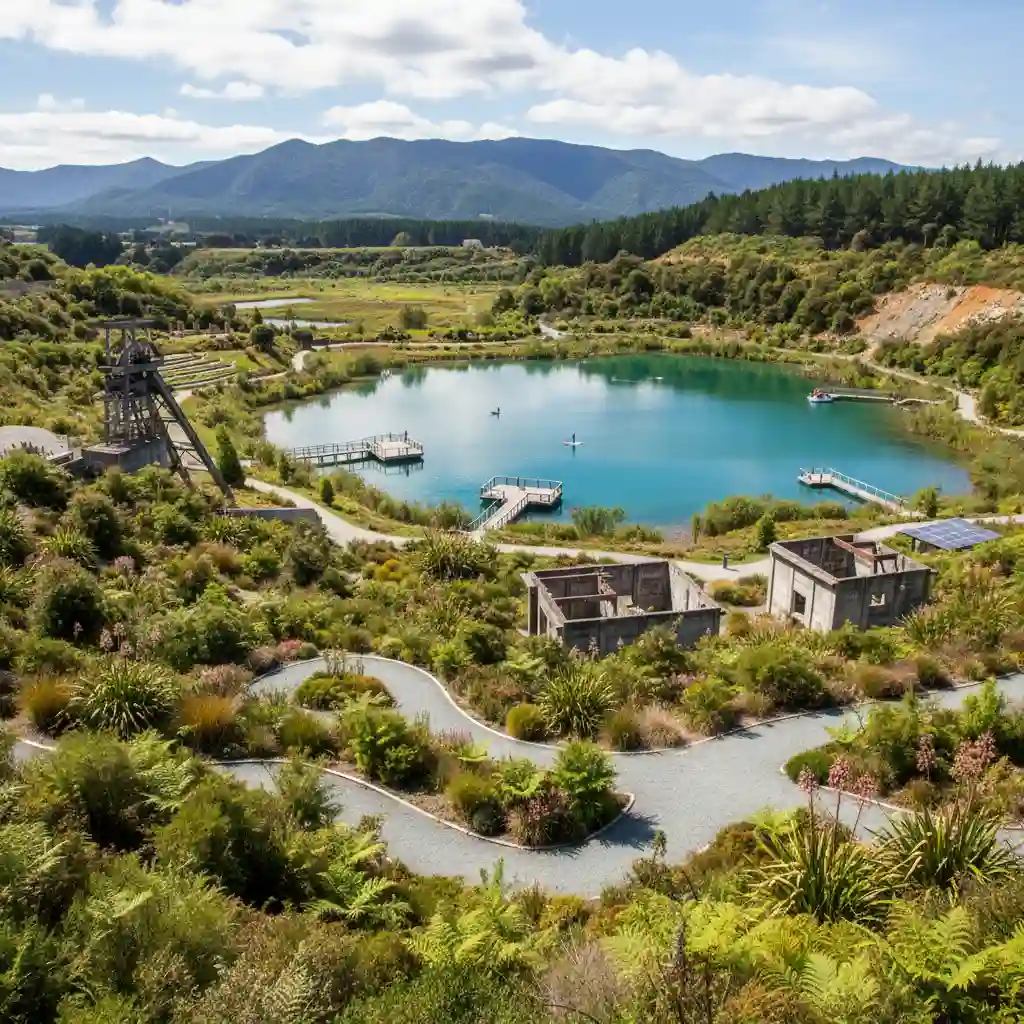
- Progressive Rehabilitation: Restoring disturbed land areas concurrently with mining operations, rather than waiting until closure. This minimises long-term impact and accelerates ecological recovery.
- Biodiversity Offsets: Creating or enhancing conservation areas to compensate for unavoidable biodiversity loss caused by mining activities.
- Post-Mining Land Use: Planning for beneficial after-uses, such as agricultural land, nature reserves, or even renewable energy sites, ensuring a positive legacy for the community.
5. Social Responsibility and Community Engagement
Sustainable mining extends beyond environmental factors to positively impact local communities:
- Local Employment & Training: Prioritising local hiring and providing training programs to equip residents with the skills needed for mining and post-mining opportunities.
- Stakeholder Dialogue: Engaging transparently with indigenous groups, local residents, and environmental organisations throughout the project lifecycle.
- Infrastructure Development: Contributing to local infrastructure (roads, schools, healthcare) in a way that is mutually beneficial and sustainable beyond the mine’s operational life.
Stat Callout: Companies with strong social and environmental performance often experience reduced operational risks and higher community acceptance, leading to more stable long-term projects. (Source: ESG reports of leading mining companies)
6. Innovation and Technology Adoption
The future of eco-friendly mining relies heavily on continuous innovation:
- Renewable Energy Integration: Powering mine sites with solar, wind, and geothermal energy to significantly reduce carbon footprints.
- Digitalisation & AI: Using data analytics, machine learning, and automation for predictive maintenance, process optimisation, and environmental monitoring, leading to greater efficiency and safety.
- Biomining & Phytomining: Exploring biological methods, such as using microbes or plants, to extract metals from low-grade ores or rehabilitate contaminated sites, offering less disruptive alternatives.

The Future of Eco-Friendly Mining in New Zealand
New Zealand, with its unique and precious natural environment, faces particular challenges and opportunities in the mining sector. The focus here is increasingly on ensuring minimal impact and maximum benefit. Stringent environmental regulations, a strong emphasis on indigenous (Māori) engagement, and a commitment to land rehabilitation are driving local operators to adopt and often pioneer advanced eco-friendly mining techniques for sustainable practices.
The move towards offshore mining exploration and the increasing scrutiny of land-based operations further underscore the need for innovation in environmental stewardship. The integration of renewable energy sources, sophisticated water management, and robust rehabilitation plans are becoming standard, reflecting a national commitment to a sustainable future.
Conclusion: Digging for a Greener Tomorrow
The journey towards truly eco-friendly mining is ongoing, requiring continuous innovation, investment, and a collective commitment from industry, governments, and communities. By embracing these sophisticated techniques for sustainable practices, the mining sector can transform its legacy, proving that responsible resource extraction is not an oxymoron but a vital component of a sustainable global future.
As consumers, understanding these efforts helps us appreciate the complex origins of the materials we use daily and encourages us to support industries that prioritise the health of our planet.
Frequently Asked Questions (FAQ)
What does ‘eco-friendly mining’ actually mean?
Eco-friendly mining refers to resource extraction practices that minimise environmental impact, promote social responsibility, and ensure long-term sustainability. It involves techniques like reduced waste generation, water recycling, land rehabilitation, and community engagement to mitigate the negative effects traditionally associated with mining.
Is 100% sustainable mining possible?
While achieving 100% sustainability in mining is a complex and challenging goal, significant strides are being made. The aim is to continuously reduce impact to the lowest possible level, balance extraction with ecological restoration, and move towards a circular economy where materials are reused and recycled, thereby decreasing reliance on virgin resources.
How does New Zealand contribute to sustainable mining practices?
New Zealand is known for its stringent environmental regulations and a strong commitment to land stewardship, including significant input from Māori perspectives on kaitiakitanga (guardianship). This drives local mining operations to adopt advanced techniques for environmental protection, progressive rehabilitation, and meaningful community engagement, often setting high global standards for responsible resource extraction.
What role does technology play in eco-friendly mining?
Technology is a game-changer for eco-friendly mining. Innovations such as precision mining, advanced water treatment, renewable energy integration, automation, AI-driven optimisation, and biomining techniques enable mines to operate more efficiently, reduce waste, lower emissions, and enhance safety, all while minimising their ecological footprint.
References/Sources
- International Council on Mining and Metals (ICMM). Sustainable Development Framework. Available at: icmm.com
- United Nations Environment Programme (UNEP). Mineral Resource Governance in the 21st Century. Available at: unep.org
- New Zealand Ministry for the Environment. Environmental Reporting. Available at: environment.govt.nz
- Academic studies on biomining and mine rehabilitation practices (e.g., peer-reviewed journals in environmental science and engineering).
- Reports from leading sustainable mining companies on ESG (Environmental, Social, and Governance) performance.