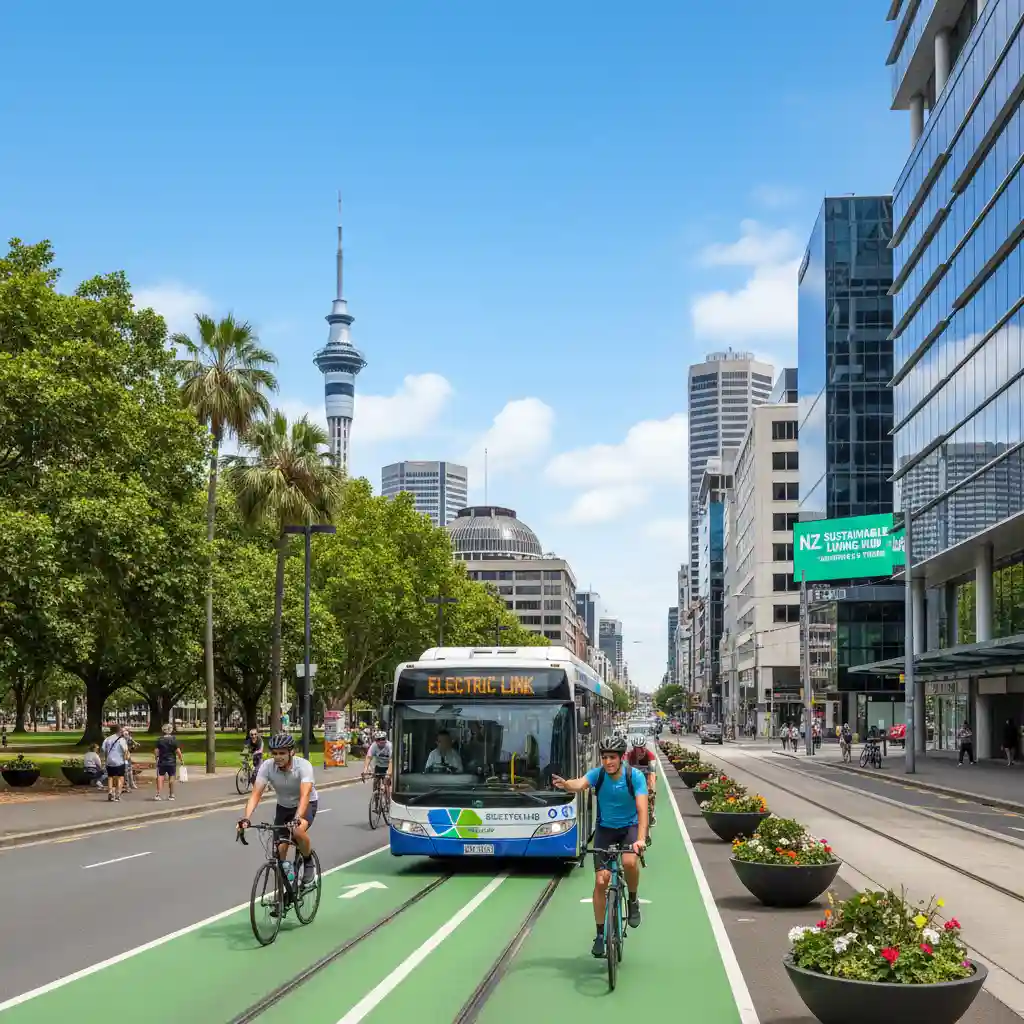
In Aotearoa, New Zealand, the call for sustainable living resonates louder than ever. As we collectively pivot towards a greener future, the design and construction of our accommodations stand at the forefront of this transformation. Moving beyond traditional waste management, the focus is now firmly on proactive, eco-conscious choices from the ground up.
This article explores the critical role of eco-friendly materials in sustainable accommodation design, offering insights for architects, developers, and homeowners looking to build or renovate with the planet in mind. Discover how thoughtful material selection can lead to healthier, more efficient, and truly sustainable living spaces.
Table of Contents
The Rise of Sustainable Accommodation in Aotearoa
New Zealand’s pristine natural environment is a core part of its identity and economy. Protecting it means rethinking how we build and inhabit our spaces. Sustainable accommodation design moves beyond mere energy efficiency, encompassing the entire lifecycle of a building – from material sourcing and construction to operation and eventual deconstruction.
This holistic approach ensures that every choice made contributes positively to the environment, local communities, and the well-being of occupants. It’s about creating structures that breathe with the land, rather than against it.
Why Choose Eco-Friendly?
- Environmental Stewardship: Reduces carbon footprint, conserves natural resources, minimises waste and pollution.
- Economic Benefits: Lower operational costs (energy, water), increased property value, and potential for green building incentives.
- Health & Well-being: Improved indoor air quality, natural light, and comfortable living environments for residents and guests.
- Resilience: Buildings designed with sustainable materials often offer better durability and adaptability to climate change.

Core Principles of Sustainable Accommodation Design
Effective eco-friendly materials for sustainable accommodation design are chosen within a framework of core principles. These guide decisions beyond just the material itself, focusing on its impact throughout its life.
- Lifecycle Assessment (LCA): Evaluating a material’s environmental impact from raw material extraction to disposal.
- Local Sourcing: Minimising transportation emissions and supporting local economies.
- Renewable & Recycled Content: Prioritising materials that can regenerate or have been diverted from landfill.
- Durability & Longevity: Choosing materials that last longer, reducing the need for replacement.
- Non-Toxic & Healthy: Ensuring materials do not off-gas harmful chemicals, contributing to better indoor air quality.
- Waste Reduction: Designing for material efficiency and recyclability at the end of the building’s life.
Top Eco-Friendly Materials for Your Design
The market for sustainable building products is expanding rapidly, offering innovative solutions for every part of an accommodation project. Here are some standout categories for eco-friendly materials for sustainable accommodation design:
Sustainable Timber: The Renewable Backbone
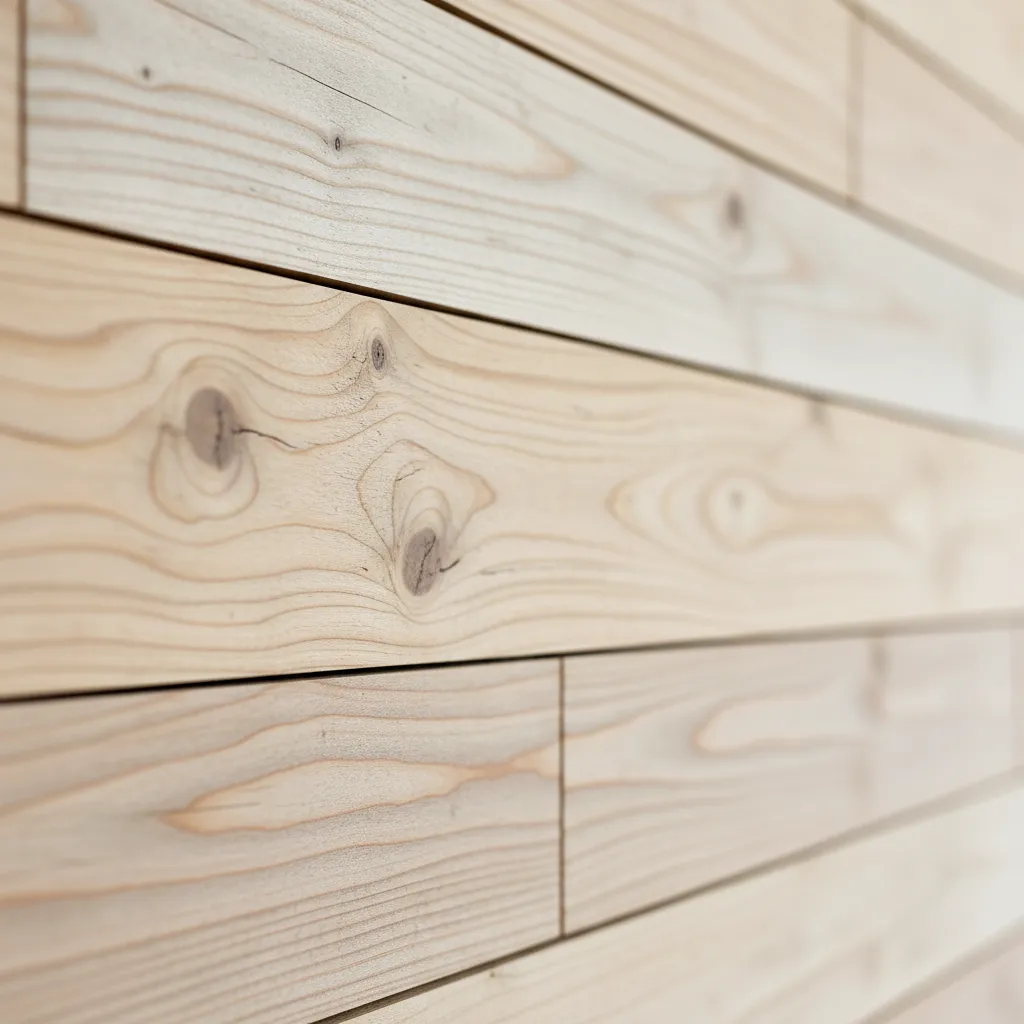
Timber, especially when sourced from sustainably managed forests or reclaimed, is a cornerstone of green building in New Zealand. It’s renewable, naturally insulating, and offers a warm aesthetic.
Stat Callout: Sustainably harvested timber acts as a carbon sink, storing approximately 1 tonne of CO2 per cubic metre, actively removing greenhouse gases from the atmosphere.
- Certified Timber: Look for certifications like Forest Stewardship Council (FSC) or Programme for the Endorsement of Forest Certification (PEFC).
- Engineered Wood Products: Cross-Laminated Timber (CLT) and Glued Laminated Timber (Glulam) offer strength and stability with less waste.
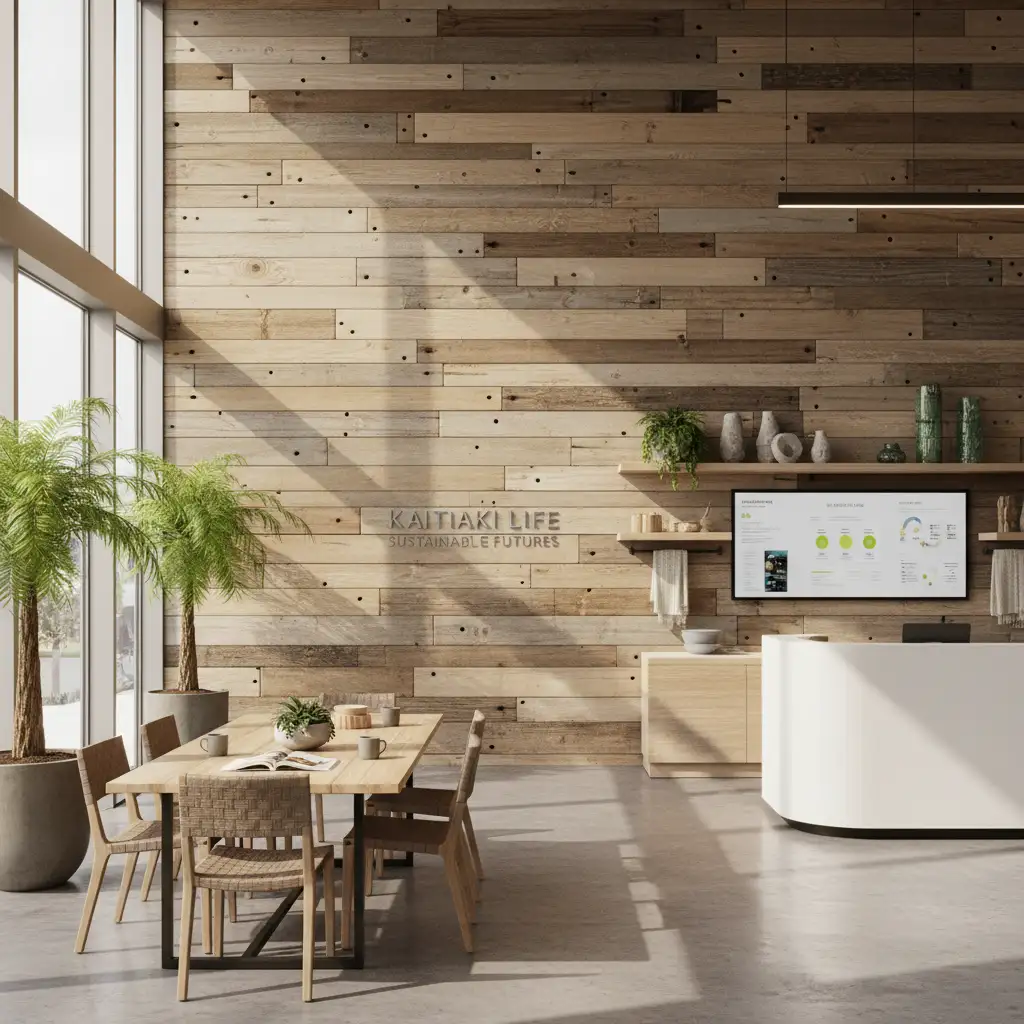
- Reclaimed Timber: Gives new life to old wood from demolished buildings, reducing demand for new forestry.
Recycled and Reclaimed Materials: Giving Waste a Second Life
Utilising materials that have already served a purpose dramatically reduces landfill waste and the energy needed for new production.
- Recycled Steel: Steel is infinitely recyclable, and using recycled content significantly cuts down on embodied energy.
- Recycled Plastic & Glass: Innovative products like insulation made from recycled PET bottles or countertops from recycled glass are emerging.
- Reclaimed Bricks & Stone: Offer character and reduce the need for new quarrying and manufacturing.
Natural Insulation: Keeping NZ Homes Cosy and Green
Efficient insulation is key to reducing heating and cooling demands. Natural alternatives offer excellent thermal performance with lower environmental impact.
Stat Callout: Proper insulation can reduce heat loss in a building by up to 30%, leading to significant energy savings and lower utility bills.
- Sheep’s Wool: A natural, renewable fibre with excellent thermal and acoustic properties, often locally sourced in NZ.
- Hemp Fibre: Another plant-based option, offering good insulation and breathability.
- Cellulose: Made from recycled paper, it’s an effective and eco-friendly insulation choice.
- Cork: Renewable, naturally fire-resistant, and provides both thermal and acoustic insulation.
Low-VOC Paints, Finishes, and Adhesives: For Healthier Interiors
Volatile Organic Compounds (VOCs) found in conventional paints and finishes can significantly degrade indoor air quality. Opting for low-VOC or zero-VOC alternatives is crucial for a healthy living environment.
- Natural Paints: Derived from plant oils, resins, and mineral pigments.
- Water-Based Finishes: Offer durable protection with minimal harmful emissions.
- Non-Toxic Adhesives: Essential for flooring, cabinetry, and other interior applications.
Sustainable Roofing Solutions: Above and Beyond
The roof is a vital component for thermal performance and water management. Sustainable options contribute to the overall resilience of the accommodation.
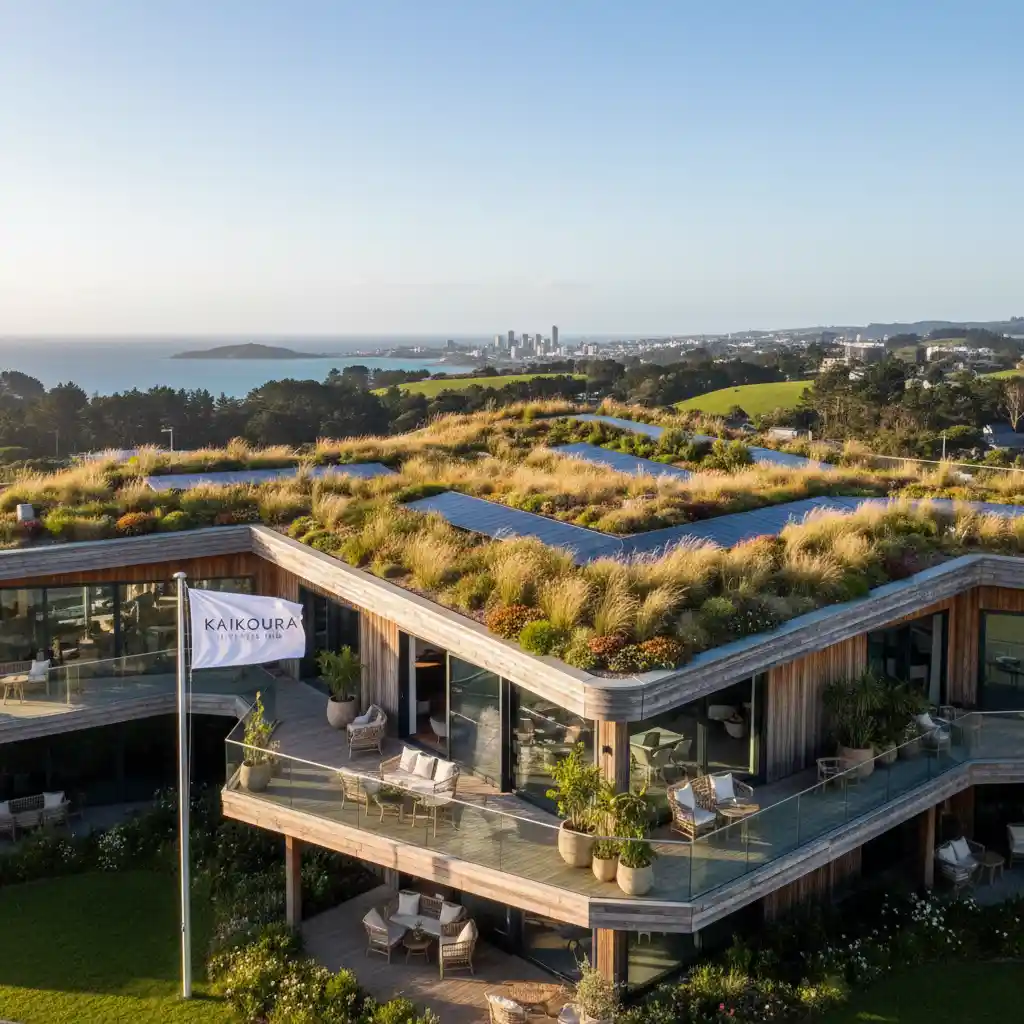
- Green Roofs: Layered with vegetation, they provide insulation, manage stormwater, and create biodiversity.
- Recycled Content Roofing: Tiles made from recycled rubber or plastic.
- Solar-Ready Design: Integrating solar panels (PV or thermal) into the roof structure to generate clean energy.
Integrating Materials into a Holistic Design Philosophy
Selecting eco-friendly materials for sustainable accommodation design is just one part of the equation. True sustainability comes from integrating these materials into a holistic design philosophy that considers:
- Passive Design: Orienting the building to maximise natural light and ventilation, reducing reliance on artificial heating/cooling.
- Water Efficiency: Rainwater harvesting, greywater recycling, and low-flow fixtures.
- Energy Systems: Renewable energy sources like solar PV, efficient appliances, and smart home technology.
- Landscape Integration: Native planting, permeable surfaces, and design that complements the natural surroundings.
“Sustainability isn’t just about what you build with, but how you build and how your building interacts with its environment throughout its entire lifespan.”
The Broader Benefits: Beyond the Build
Investing in eco-friendly materials for sustainable accommodation design offers returns far beyond the initial construction. It positions your accommodation as a leader in responsible development, attracting environmentally conscious guests and residents.
- Enhanced Brand Reputation: Being recognised as sustainable can significantly boost your brand image and appeal.
- Attracting a Niche Market: A growing segment of consumers actively seeks out sustainable travel and living options.
- Long-Term Value: Green buildings often command higher market values and better rental yields due to lower operating costs and health benefits.
- Compliance & Future-Proofing: Staying ahead of evolving environmental regulations and consumer expectations.
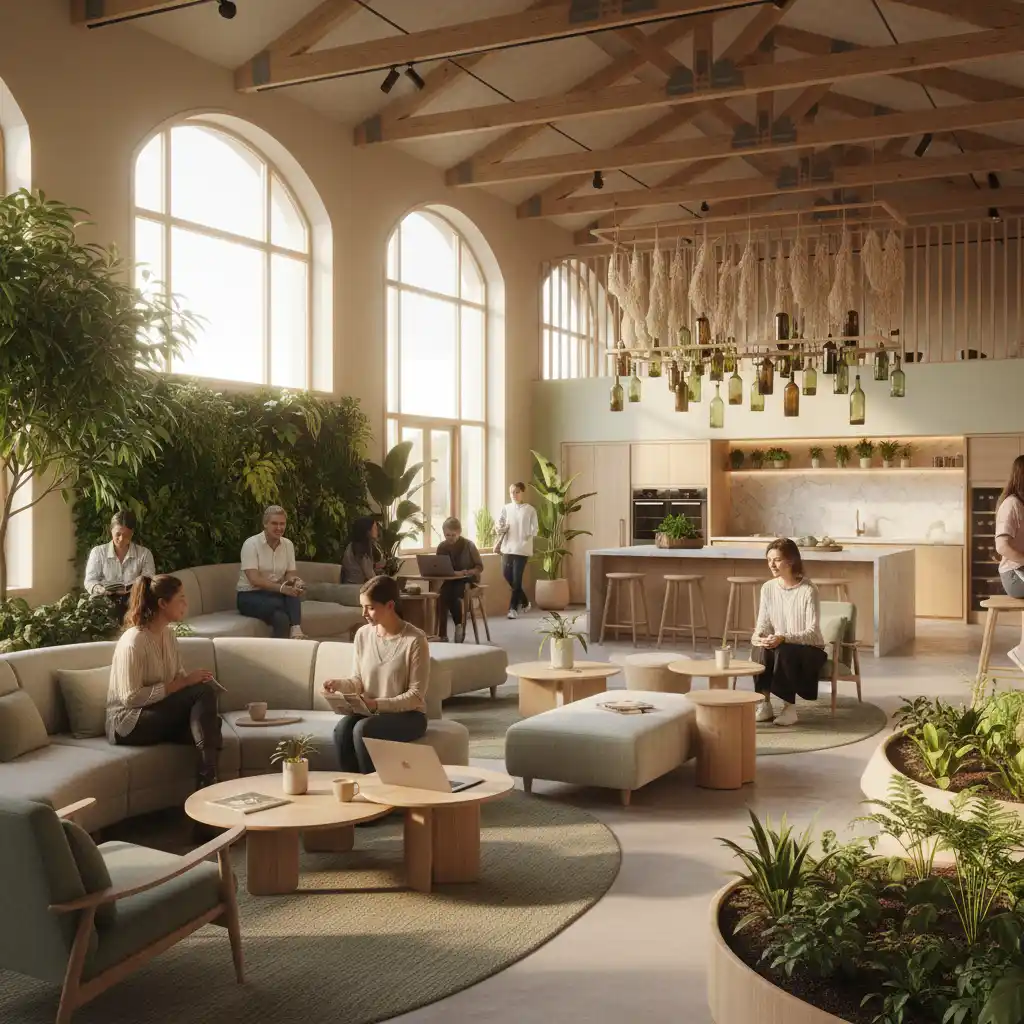
Conclusion
The journey towards a sustainable Aotearoa is multifaceted, and the built environment plays a crucial role. By consciously choosing eco-friendly materials for sustainable accommodation design, we contribute not only to a healthier planet but also to more resilient, cost-effective, and enjoyable living spaces.
It’s an investment in the future, reflecting a deep respect for New Zealand’s unique natural heritage and a commitment to innovation that benefits us all.
Frequently Asked Questions (FAQ)
What defines an eco-friendly material?
An eco-friendly material is one that has a minimal adverse impact on the environment throughout its entire lifecycle, from extraction and manufacturing to use and disposal. Key characteristics include renewability, recycled content, low embodied energy, durability, and non-toxicity.
Are eco-friendly materials more expensive?
Initially, some eco-friendly materials might have a higher upfront cost. However, their long-term benefits, such as reduced energy bills, lower maintenance, increased durability, and potential for higher property value, often lead to significant cost savings over the building’s lifespan. The gap in pricing is also narrowing as demand increases and production scales.
How does local sourcing contribute to sustainability?
Local sourcing reduces the environmental impact associated with transportation, such as fuel consumption and greenhouse gas emissions. It also supports local economies, creates jobs, and often ensures better knowledge of material origins and ethical production practices.
What certifications should I look for when choosing materials?
Look for certifications like Forest Stewardship Council (FSC) for timber, Environmental Product Declarations (EPDs) for overall environmental performance, Declare labels for material transparency and health, and GreenTag or similar certifications specific to New Zealand for product verification.
Can existing accommodations be made more sustainable using eco-friendly materials?
Absolutely. Renovations offer a prime opportunity to integrate eco-friendly materials. This can include adding natural insulation, replacing windows with energy-efficient models, using low-VOC paints, installing sustainable flooring, and even adding green roofing or rainwater harvesting systems.
References & Sources
- New Zealand Green Building Council (NZGBC): www.nzgbc.org.nz
- Ministry for the Environment (New Zealand): environment.govt.nz
- Forest Stewardship Council (FSC) International: fsc.org
- BRANZ (Building Research Association of New Zealand): www.branz.co.nz
- Enviro-Mark Solutions (provider of GreenTag in NZ): www.enviro-mark.com