Eco-Friendly Hobbies: Embrace Sustainability in New Zealand
Are you looking to infuse more purpose and planet-consciousness into your leisure time? In a world increasingly aware of its environmental footprint, choosing hobbies that align with sustainability isn’t just a trend; it’s a powerful way to make a difference. New Zealand, with its breathtaking natural beauty and a growing commitment to green initiatives, offers a unique backdrop for embracing eco-friendly passions.
From reducing waste to supporting local ecosystems, these activities offer not only personal enjoyment but also contribute positively to Aotearoa’s future. Join us as we explore a diverse range of eco-friendly hobbies that allow you to connect with nature, foster creativity, and champion a more sustainable lifestyle right here in New Zealand.
Table of Contents
- Connecting with Nature: Outdoor Eco-Hobbies
- Creative & DIY Eco-Hobbies
- Learning & Community Eco-Hobbies
- Mindful Consumption & Skill-Building
- The Broader Impact of Eco-Friendly Hobbies
- Frequently Asked Questions (FAQs)
- References & Sources
Connecting with Nature: Outdoor Eco-Hobbies
New Zealand’s stunning landscapes are an open invitation to explore and protect. These outdoor hobbies directly foster a deeper appreciation for our environment.
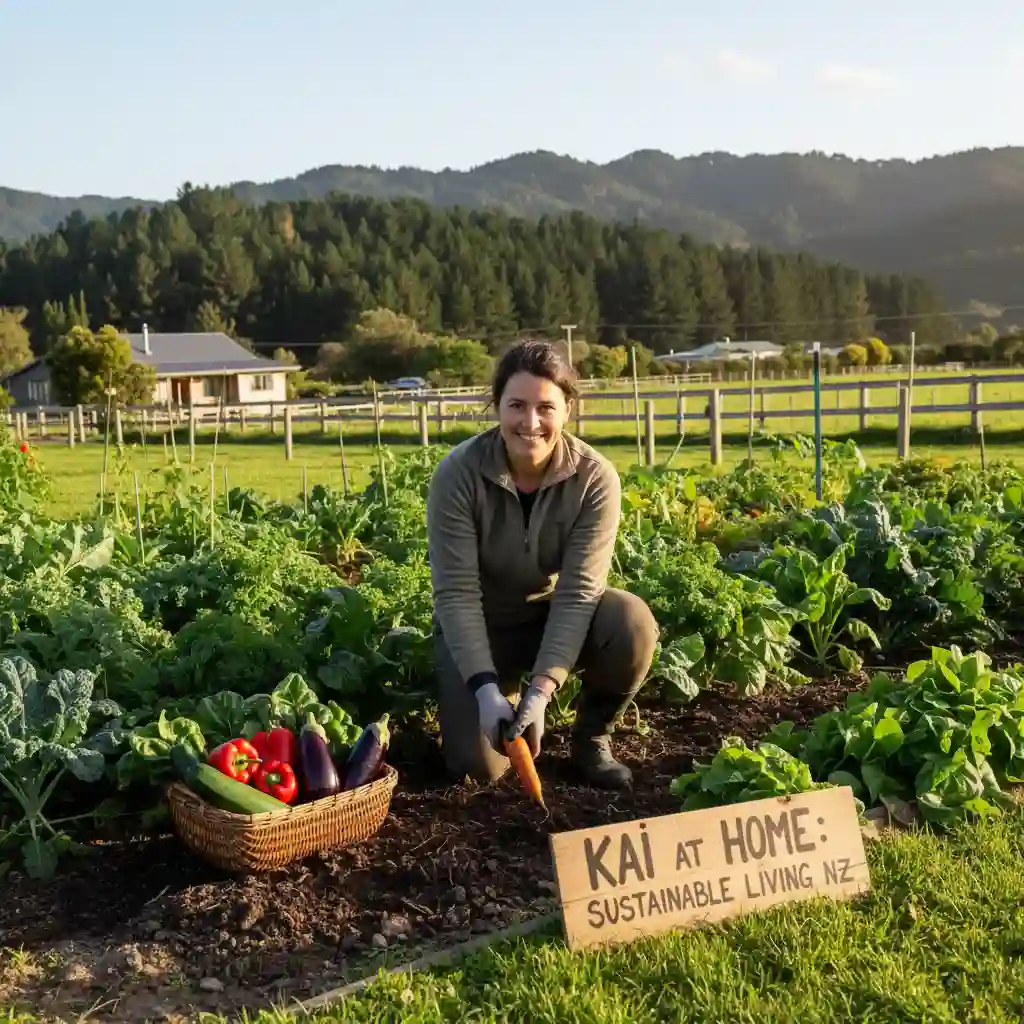
Gardening & Composting
Growing your own food significantly reduces your carbon footprint, cuts down on packaging, and ensures fresh, organic produce. Composting kitchen scraps and garden waste turns ‘rubbish’ into nutrient-rich soil, completing the natural cycle. Start small with a herb garden on your balcony or join a community garden. It’s a truly rewarding way to embrace eco-friendly hobbies in New Zealand.
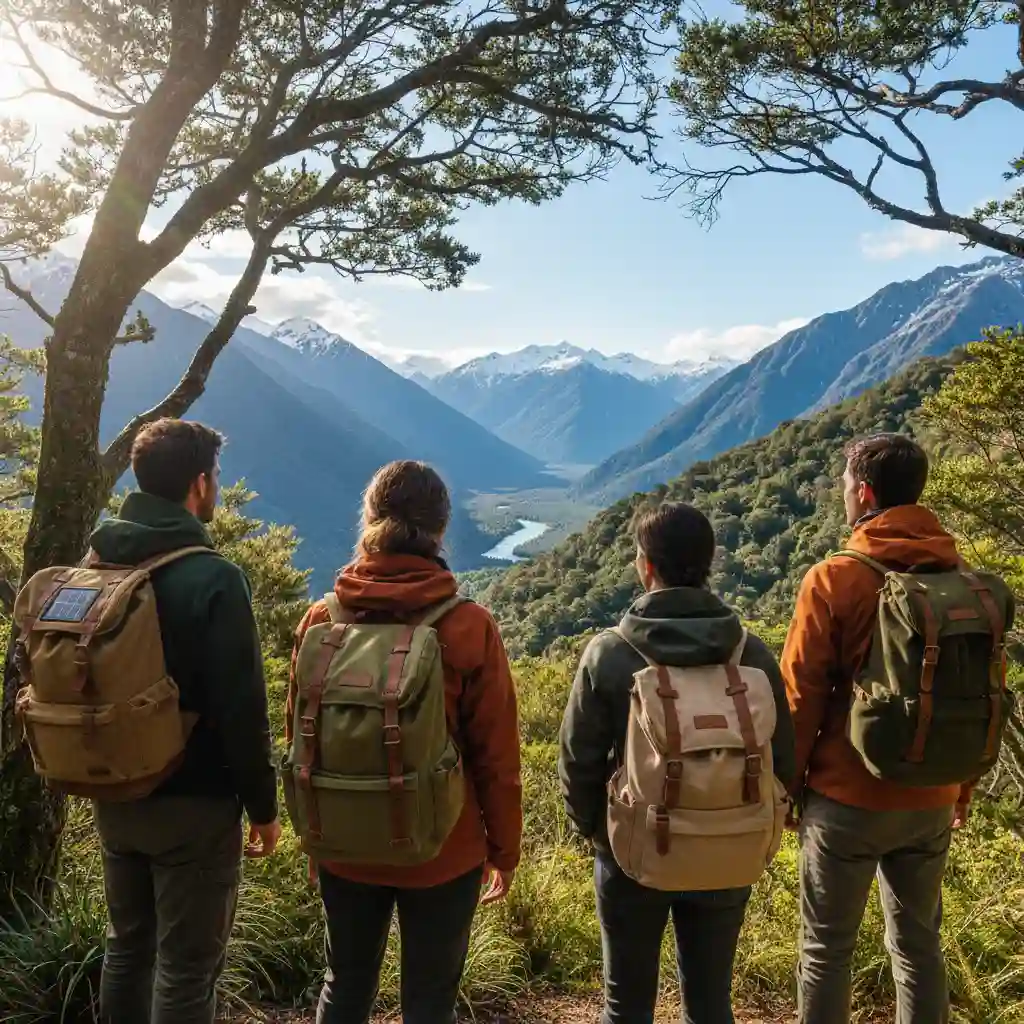
Hiking & Tramping
Explore Aotearoa’s incredible Great Walks or local bush tracks. This low-impact activity connects you with nature, promotes physical well-being, and encourages a ‘Leave No Trace’ philosophy. Remember to clean your boots to prevent the spread of kauri dieback and other plant diseases.
Foraging for Wild Edibles
With guidance from experts, discovering edible plants and fungi in nature can be a thrilling and sustainable hobby. It teaches you about local ecosystems and traditional knowledge, offering a truly local and seasonal food source. Always forage responsibly, ensuring you know what you’re picking and leaving plenty behind for wildlife.
Creative & DIY Eco-Hobbies
Unleash your creativity while reducing consumption and waste. These hands-on activities empower you to make sustainable choices.
Upcycling & Repurposing
Transform old furniture, clothing, or household items into something new and functional. This hobby breathes new life into discarded goods, diverting them from landfills and reducing the demand for new production. Think thrift store finds given a modern makeover!
Making Your Own Products
From homemade soaps and candles to natural cleaning supplies or even brewing kombucha, DIY projects reduce packaging waste and allow you to control ingredients. This is a fantastic way to cut down on single-use plastics and harmful chemicals in your home.
Sustainable Crafting
Explore crafts that use natural, recycled, or sustainably sourced materials. Think knitting with wool from local farms, weaving with harakeke (flax), or dyeing fabrics with natural plant pigments. It’s a wonderful way to create beauty with minimal environmental impact.
Stat Callout: New Zealanders send approximately 750,000 tonnes of organic waste to landfills each year, much of which could be composted. Embracing gardening and composting significantly reduces this figure, turning waste into a valuable resource.
— Ministry for the Environment, New Zealand
Learning & Community Eco-Hobbies
Expand your knowledge and connect with your community through hobbies that foster collective sustainability.
Sustainable Cooking & Preserving
Learn to cook seasonally, support local farmers’ markets, and reduce food waste. Hobbies like canning, pickling, or fermenting extend the life of fresh produce, making the most of gluts and minimizing supermarket reliance. It’s a delicious way to live more sustainably.
Local Volunteering & Conservation
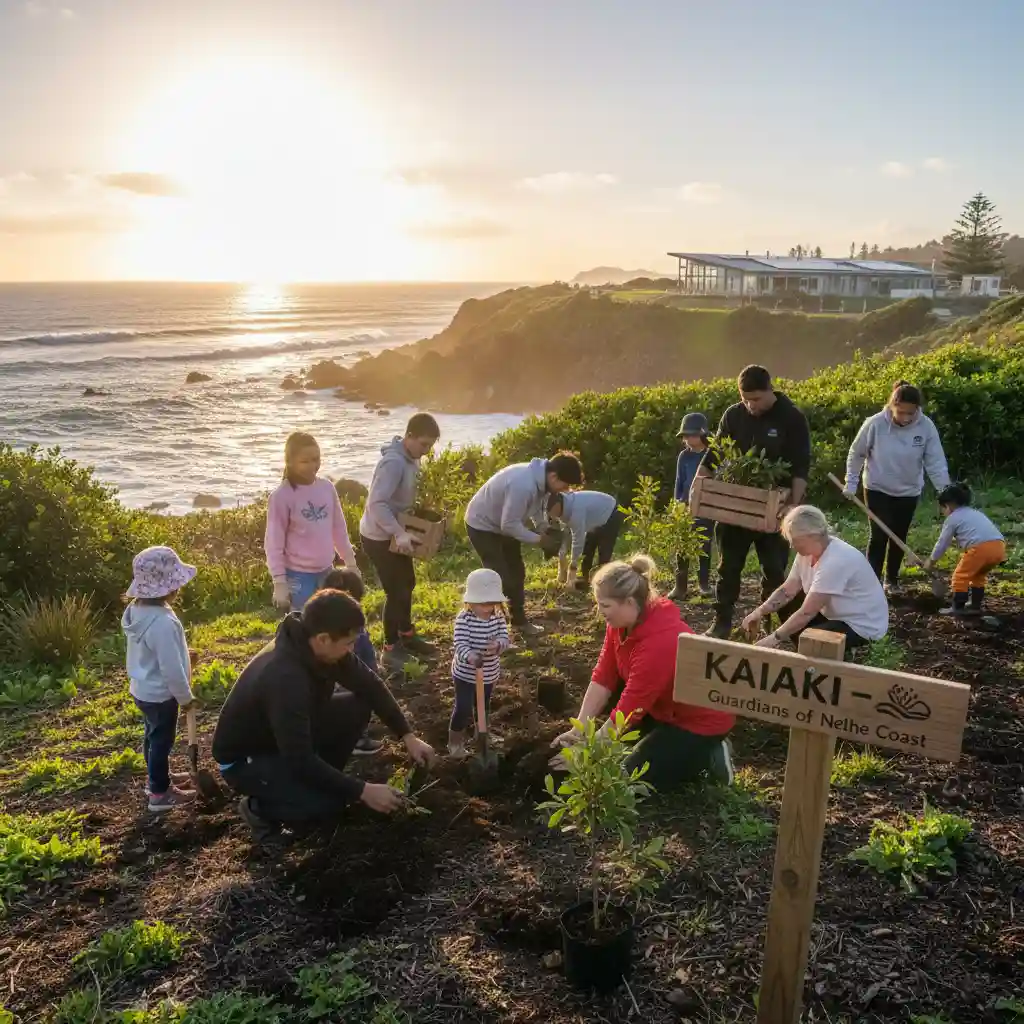
Join a local beach clean-up, participate in native tree planting events, or volunteer with a conservation group. Direct action provides tangible benefits to local ecosystems and builds a strong sense of community and shared responsibility for our environment.
Learning Traditional Māori Practices
Explore the rich heritage of Māori sustainable practices, such as rongoā (traditional Māori medicine and healing using native plants) or mahi raranga (flax weaving). These practices offer deep connections to the land, traditional knowledge, and respectful resource management, embodying true sustainability.
Mindful Consumption & Skill-Building
These hobbies focus on changing consumption habits and empowering you with practical skills for a greener life.
Thrifting & Second-Hand Shopping
Embrace the hunt for pre-loved treasures! Thrifting for clothes, books, and household items reduces demand for new products, saving resources and diverting items from landfills. Plus, it’s a great way to find unique items and support local charities.
Repair & Mend Culture
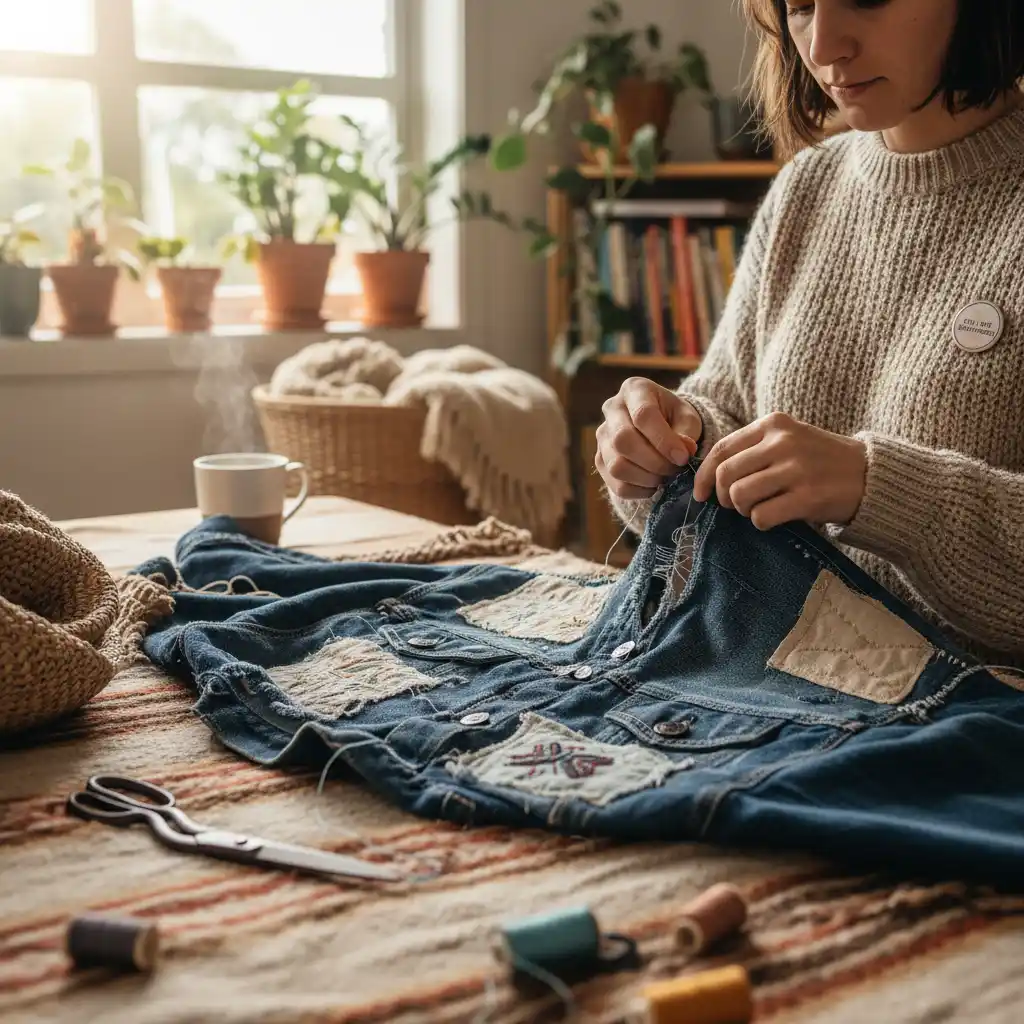
Instead of replacing, learn to repair! Whether it’s sewing a torn garment, fixing a broken appliance, or mending a piece of furniture, developing repair skills extends the life of your possessions and drastically reduces waste. Join a local ‘Repair Cafe’ to learn from experts.
DIY Home Energy Saving
Turn your home into a sustainable haven. Hobbies like draught-proofing windows, installing low-flow showerheads, or learning to build a passive solar clothes dryer reduce energy consumption and save money. Small changes can lead to significant reductions in your carbon footprint.
Stat Callout: The average New Zealander sends around 700 kg of waste to landfill each year. Choosing repair-focused hobbies and mindful consumption can dramatically reduce individual contributions to this statistic.
— WasteMINZ, New Zealand
The Broader Impact of Eco-Friendly Hobbies
Beyond individual enjoyment, embracing eco-friendly hobbies creates ripple effects that benefit everyone.
Personal Well-being
Many sustainable hobbies, especially those outdoors or involving creativity, are excellent for mental health, reducing stress and fostering a sense of accomplishment and connection.
Community Resilience
When individuals engage in sustainable practices, they strengthen local food systems, reduce reliance on global supply chains, and build more resilient, interconnected communities.
Economic Benefits
Choosing to repair, reuse, and grow your own often saves money in the long run, supports local businesses (like seed suppliers or repair shops), and contributes to a circular economy.
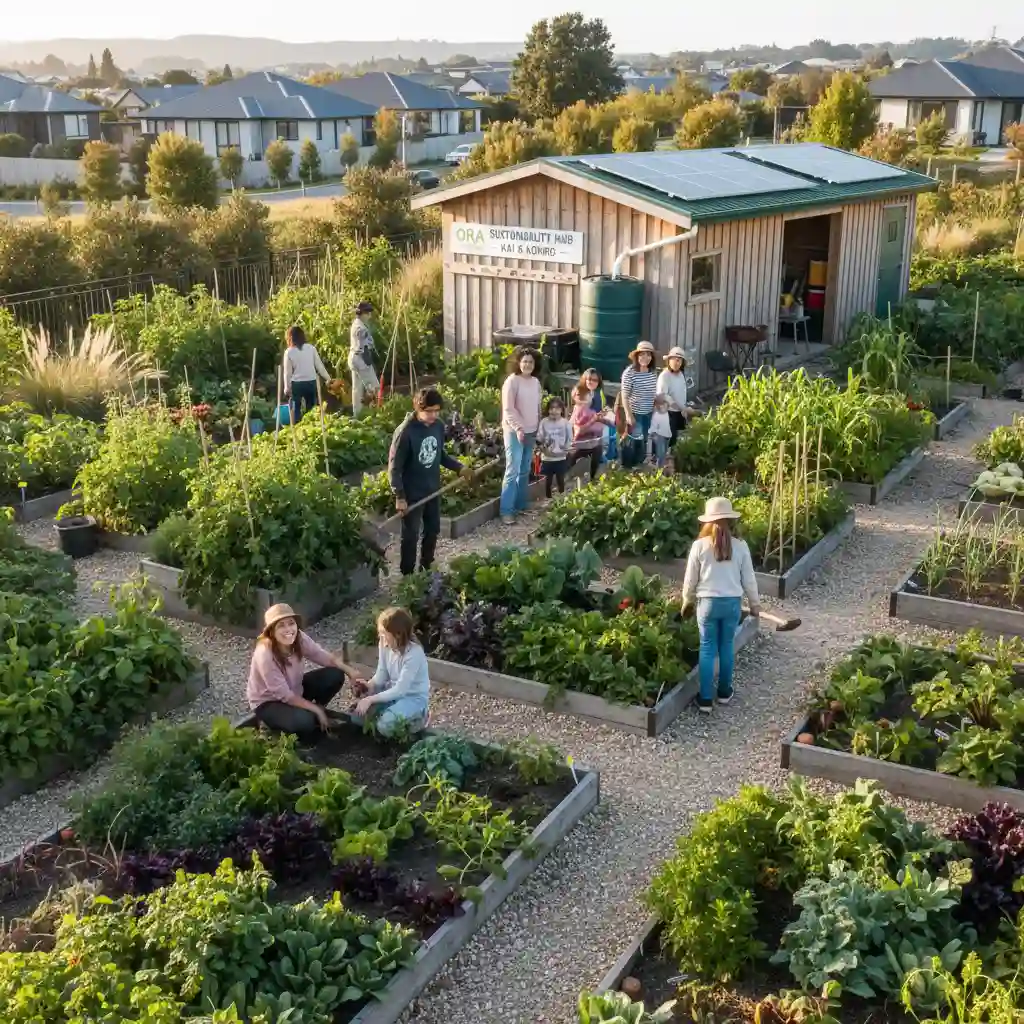
Embracing eco-friendly hobbies in New Zealand is more than just a pastime; it’s a commitment to a healthier planet and a richer, more mindful life. Whether you’re exploring the native bush, crafting with natural materials, or connecting with your community through shared sustainable goals, every action contributes to a greener Aotearoa. Start your sustainable journey today, one enjoyable hobby at a time!
Frequently Asked Questions (FAQs)
What are some easy eco-friendly hobbies to start in New Zealand?
Starting with gardening (even a small pot of herbs), composting kitchen scraps, thrifting for clothes, or simply walking and exploring local natural parks are all great, low-barrier ways to begin. Many New Zealand communities also have ‘Repair Cafes’ or community gardens you can join.
How do eco-friendly hobbies contribute to sustainability?
They contribute by reducing waste (e.g., composting, upcycling, repairing), lowering carbon footprints (e.g., growing food, walking instead of driving), conserving resources (e.g., making your own products, thrifting), and fostering a deeper connection to and appreciation for nature, encouraging active protection.
Are there any specific New Zealand resources for sustainable hobbies?
Absolutely! Look for local community gardens, conservation volunteer groups (like DOC volunteers), Zero Waste New Zealand initiatives, sustainable living workshops in your area, and local farmers’ markets. Websites like the Ministry for the Environment also offer guides and resources on sustainable practices.
Can I save money by adopting eco-friendly hobbies?
Yes, many eco-friendly hobbies can save you money over time. Growing your own food, making your own products, repairing items instead of replacing them, and thrifting are all cost-effective alternatives to purchasing new, often mass-produced goods. They encourage self-sufficiency and reduce reliance on consumerism.
References & Sources
- Ministry for the Environment. (2023). Waste and recycling in New Zealand: Data and statistics. Retrieved from mfe.govt.nz
- WasteMINZ. (2022). The State of Waste in New Zealand. Retrieved from wasteminz.org.nz
- Department of Conservation (DOC). (2023). Kauri dieback disease information. Retrieved from doc.govt.nz
- Zero Waste New Zealand. (n.d.). Community Initiatives. Retrieved from zerowaste.co.nz