Imagine stepping outside to a roof that isn’t just a shelter, but a vibrant ecosystem thriving above your head. In New Zealand, with our deep connection to nature and growing commitment to sustainability, eco-friendly green roofing solutions are becoming more than just a trend – they’re a smart, beautiful, and responsible choice for homeowners.
From bustling cityscapes to tranquil rural settings, green roofs offer a unique blend of environmental benefits, aesthetic appeal, and long-term economic value. As we transition towards a more sustainable lifestyle across Aotearoa, understanding these innovative roofing options is key to building a greener future, one home at a time.
Table of Contents
What is an Eco-Friendly Green Roof?
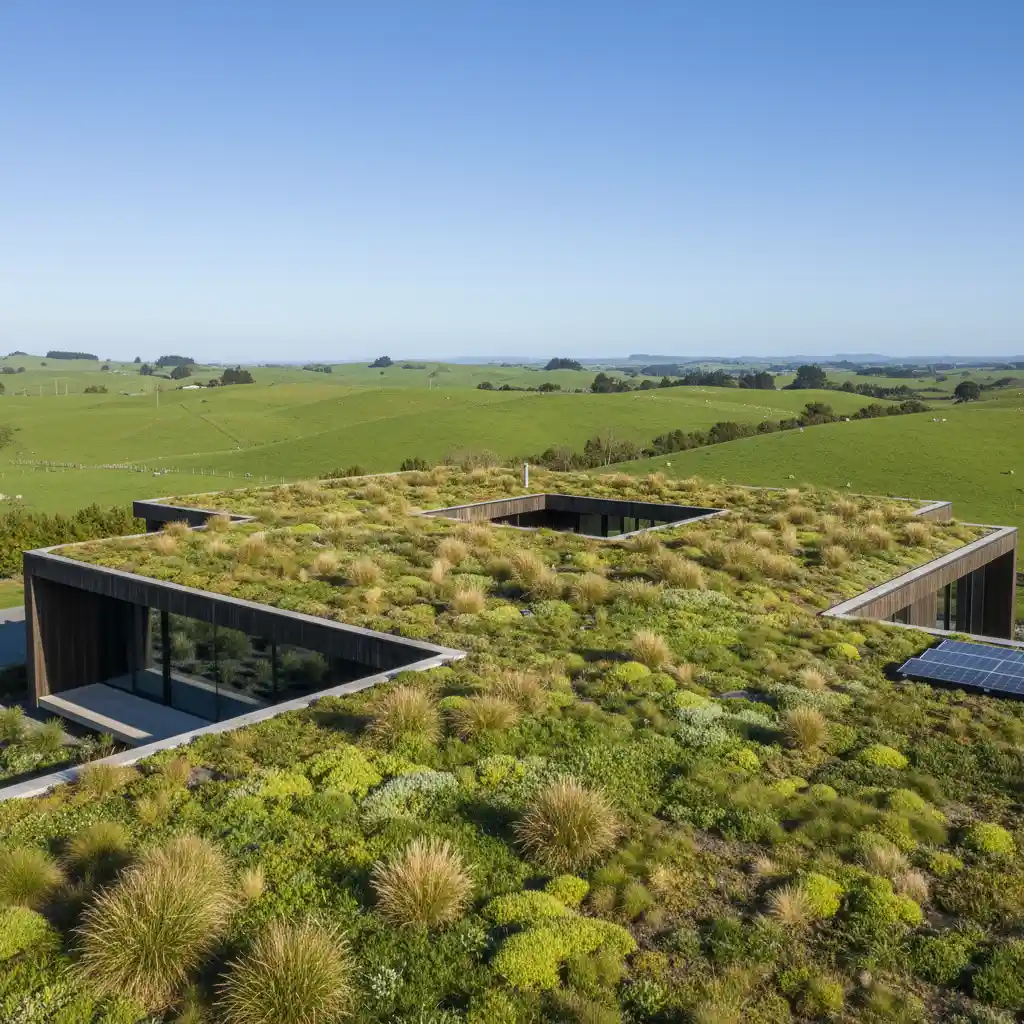
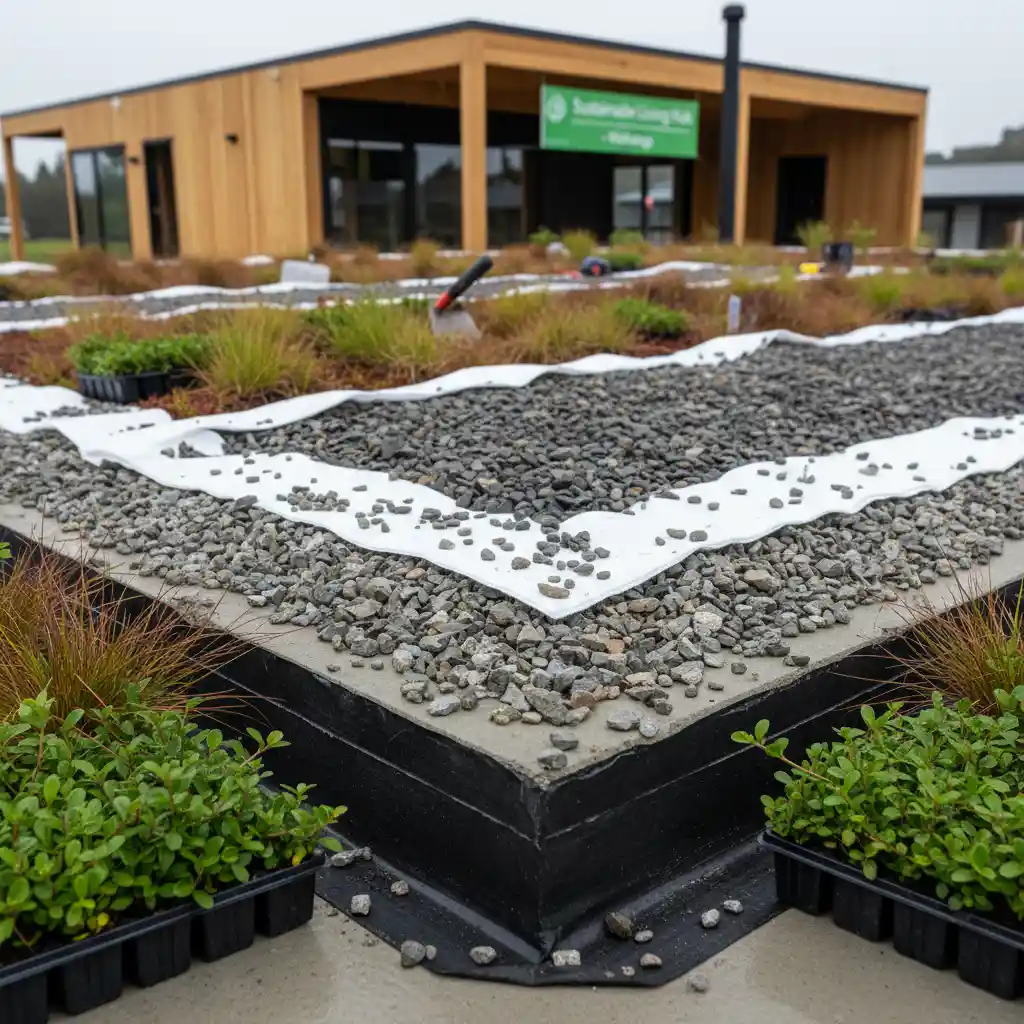
At its core, an eco-friendly green roof, also known as a living roof, is a roof partially or completely covered with vegetation and a growing medium, planted over a waterproofing membrane. It includes additional layers such as a root barrier and drainage system, all designed to support plant life while protecting the building structure.
These innovative systems transform sterile rooftops into biodiverse habitats, contributing positively to urban environments and individual homes. There are primarily two types:
Extensive Green Roofs
These are lightweight and require minimal maintenance, often featuring sedum plants, grasses, mosses, and wildflowers that are drought-tolerant and can thrive in shallow substrate layers (typically 6-20 cm deep). They are ideal for existing structures with limited load-bearing capacity and are a popular choice for homeowners seeking a low-impact, eco-friendly green roofing solution for New Zealand homes.
Intensive Green Roofs
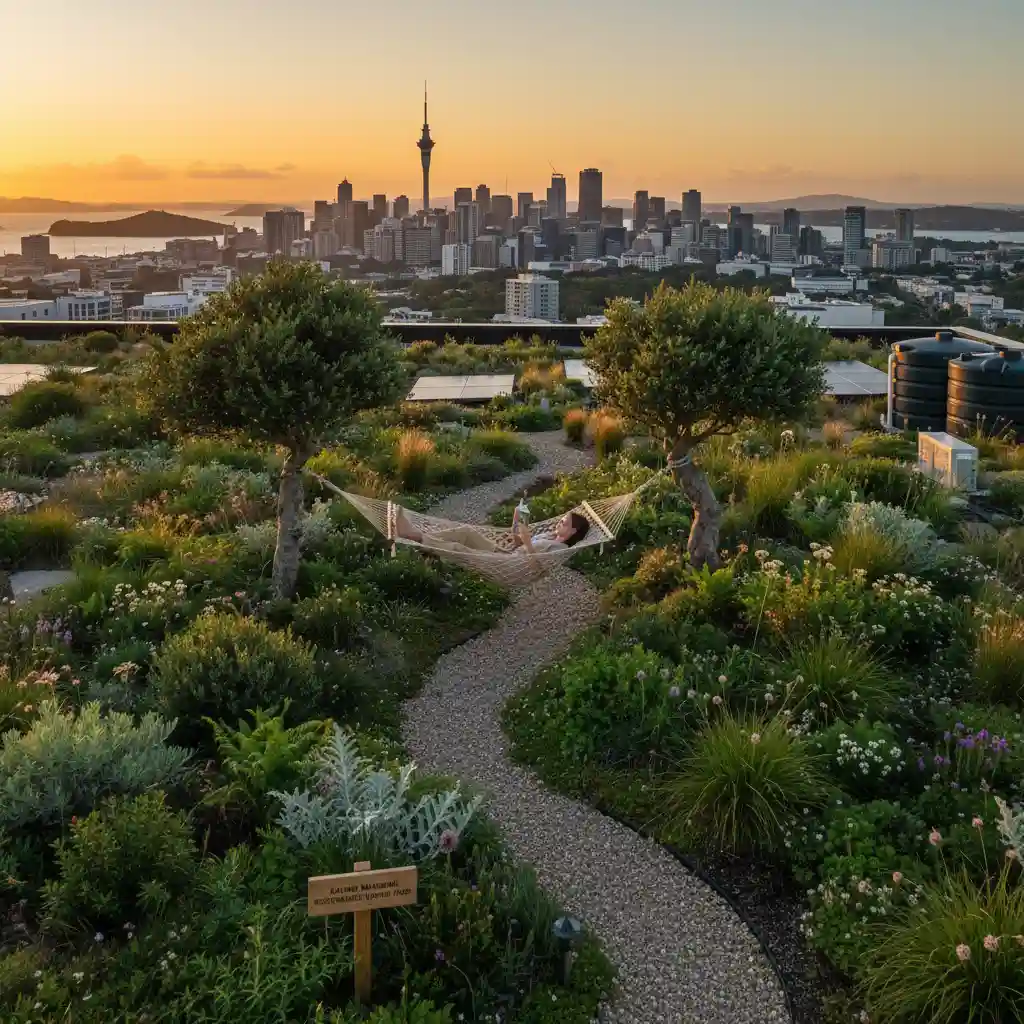
More akin to a traditional park, intensive green roofs feature deeper soil layers (20-60 cm+) capable of supporting a wider variety of plants, including shrubs, trees, and even small vegetable gardens. They require greater structural support and more intensive maintenance, often incorporating irrigation systems. While more complex, they offer significant amenity value and biodiversity potential.
Why Choose Eco-Friendly Green Roofing in NZ?
The benefits of installing an eco-friendly green roof extend far beyond just aesthetics. For New Zealand homeowners, these systems offer a multitude of environmental, economic, and lifestyle advantages that align perfectly with a sustainable ethos.
Environmental Benefits
- Stormwater Management: Green roofs absorb and retain significant amounts of rainwater, reducing runoff and the strain on urban drainage systems, a crucial benefit in NZ’s often-wet climate.
- Improved Air Quality: Plants filter pollutants and CO2 from the air, contributing to cleaner, healthier environments.
- Biodiversity Enhancement: They provide vital habitats for birds, bees, and other insects, helping to counteract habitat loss and support local ecosystems.
- Reduced Urban Heat Island Effect: By absorbing sunlight instead of reflecting it, green roofs cool surrounding areas, benefiting entire neighbourhoods.
Green roofs can retain 50-90% of rainfall, significantly reducing stormwater runoff volumes and peak flows. This is especially beneficial in urban centres during heavy rainfall events.
Economic Benefits
- Energy Efficiency: The insulation provided by green roofs can reduce heating and cooling costs by up to 20-30%, leading to significant savings over time.
- Extended Roof Lifespan: Protecting the waterproofing membrane from UV radiation and extreme temperature fluctuations can double or even triple a roof’s lifespan.
- Increased Property Value: Homes with green roofs often command higher market values due to their unique features, sustainability credentials, and lower energy costs.
Studies show green roofs can extend the lifespan of roofing membranes by up to 200%, protecting your investment for decades.
Aesthetic and Lifestyle Benefits
- Beautiful Spaces: They transform unused roof space into beautiful gardens, offering serene views and potential recreational areas.
- Improved Well-being: Access to green spaces is proven to reduce stress and improve mental well-being, enhancing your home environment.
Pros & Cons of Green Roofs for New Zealand Homes
While the advantages are compelling, a balanced view is essential. Here’s a look at the key benefits and potential drawbacks of adopting eco-friendly green roofing solutions for New Zealand homes.
The Pros
- Excellent thermal insulation, reducing energy bills.
- Effective stormwater management.
- Enhanced biodiversity and habitat creation.
- Increased roof membrane lifespan.
- Aesthetic appeal and improved property value.
- Noise reduction for occupants.
- Contribution to urban cooling.
The Cons
- Higher initial installation cost compared to conventional roofs.
- Requires structural assessment to ensure load-bearing capacity.
- Ongoing maintenance (though extensive roofs require less).
- Potential for waterproofing issues if not installed correctly.
- Requires specific technical expertise for design and installation.
- Weight can limit plant choice on existing structures.
“Investing in a green roof is an investment in your home’s future, offering both ecological resilience and financial return, provided it’s planned and executed with care.”
Key Considerations for NZ Homeowners
Before embarking on your green roof journey, several critical factors specific to the New Zealand context need to be addressed.
Structural Capacity
This is paramount. A green roof, especially an intensive one, adds considerable weight. A qualified structural engineer must assess your existing roof’s capacity or design new structures to safely bear the load of saturated soil and plants. Don’t skip this step!
Climate Suitability & Plant Selection
New Zealand’s diverse climate zones, from subtropical Northland to alpine South Island, demand careful plant selection. Opt for native, drought-tolerant species like various types of sedum, flax (harakeke), or native grasses (e.g., tussock) that are well-adapted to local conditions and require less watering. This is key to a truly eco-friendly green roofing solution.
Water Management & Drainage
An efficient drainage layer is crucial to prevent waterlogging and protect your roof’s integrity. Consider integrating rainwater harvesting systems to supply your green roof, further enhancing its sustainability.
Planning Your Eco-Friendly Green Roof in NZ
A successful green roof project begins with meticulous planning. Follow these steps to ensure your eco-friendly green roofing solution for New Zealand homes is a triumph.
1. Assess Your Site and Structure
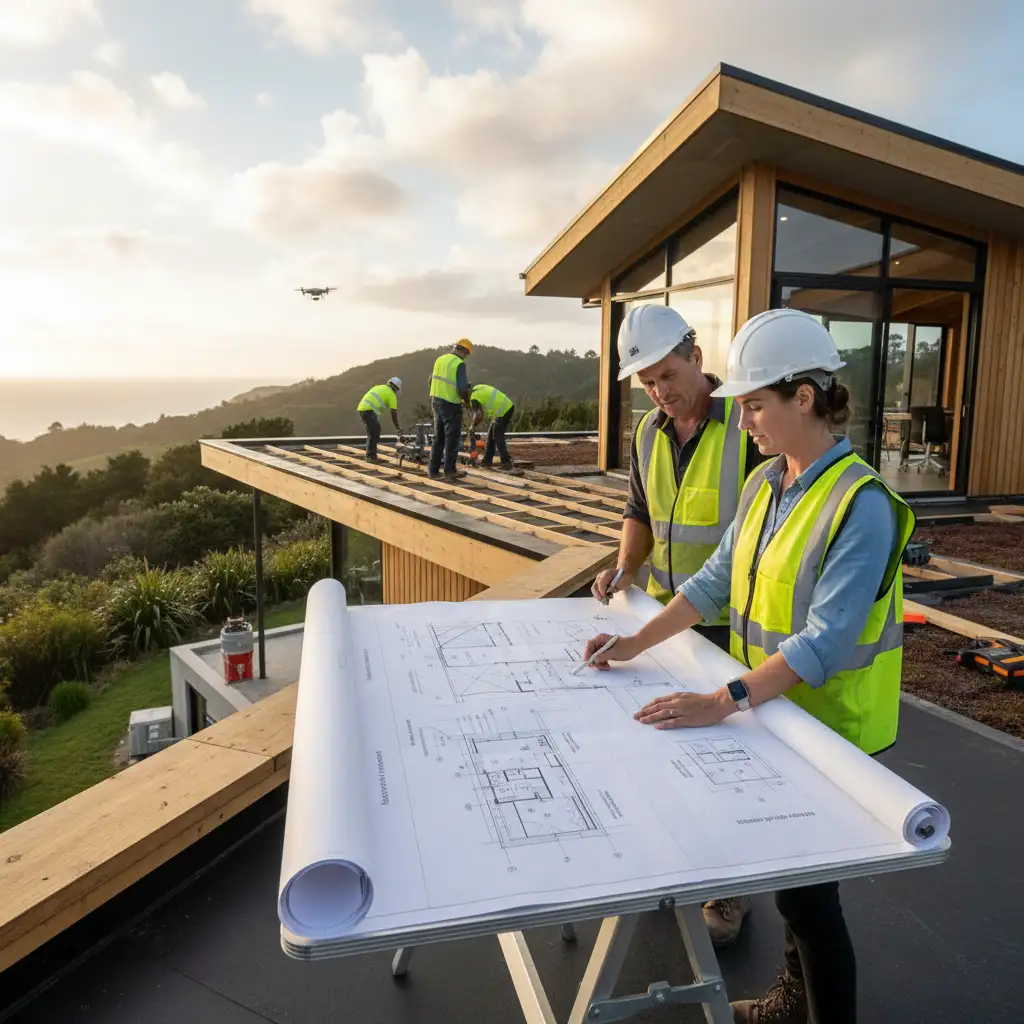
Engage a structural engineer to confirm your roof can handle the additional load. Consider sun exposure, wind patterns, and existing drainage. This initial assessment is non-negotiable.
2. Research Local Regulations and Consent Requirements
Check with your local council in New Zealand regarding building consents, especially for significant structural alterations or new constructions. Some councils may even offer incentives for green infrastructure.
3. Design Your Green Roof System
Decide between extensive or intensive, considering your budget, maintenance commitment, and desired ecological impact. Work with an architect or landscape designer experienced in green roofs to optimise the design for NZ conditions, including selecting appropriate native or adapted plant species.
4. Choose Qualified Installers
Green roof installation requires specialist knowledge, particularly regarding waterproofing and drainage layers. Engage reputable professionals with proven experience in New Zealand’s unique climate and building standards.
Maintenance and Longevity
While extensive green roofs are often touted as ‘low-maintenance’, no living system is ‘no-maintenance’. Regular, albeit minimal, care ensures your green roof thrives and delivers its intended benefits for decades.
Routine Care for Eco-Friendly Green Roofing Solutions
- Weeding: Periodically remove unwanted plants that compete with your chosen vegetation.
- Irrigation: Especially during prolonged dry spells typical in parts of NZ, supplementary watering might be necessary, particularly in the establishment phase.
- Fertilisation: Minimal feeding with slow-release, organic fertilisers might be required to maintain plant vigour, especially for intensive roofs.
- Drainage Check: Ensure drainage outlets are clear of debris to prevent waterlogging.
- Plant Health: Monitor for pests or diseases and address them promptly, ideally using organic methods.
With proper care, an eco-friendly green roofing solution can not only enhance your home but also contribute significantly to New Zealand’s biodiversity and sustainable future, making your home a living example of ecological responsibility.
Frequently Asked Questions (FAQ)
How much do eco-friendly green roofing solutions cost in NZ?
Costs vary significantly based on the type (extensive vs. intensive), size, complexity, and specific plant choices. Extensive roofs are generally less expensive, ranging from NZD $80-$200 per square meter, while intensive roofs can be considerably more. Initial costs are higher than conventional roofs, but long-term savings on energy and roof replacement often offset this.
Can I install a green roof on an existing home in New Zealand?
Yes, but it requires a thorough structural assessment by a qualified engineer to ensure your existing roof can support the added weight of the green roof system, especially when saturated. Extensive green roofs are generally more suitable for retrofits due to their lighter weight.
What types of plants are best for a green roof in NZ?
For extensive green roofs, drought-tolerant sedums, native grasses (e.g., Poa, Festuca), and some native groundcovers are excellent choices. For intensive roofs, a wider range of native shrubs (e.g., Hebes, Coprosmas) and small trees can be used, depending on structural capacity and local climate. Prioritising native species supports local biodiversity.
How often do green roofs need maintenance?
Extensive green roofs require minimal maintenance, typically 1-2 times a year for weeding, checking drainage, and potentially some supplemental watering during dry periods. Intensive roofs require more frequent care, similar to a regular garden, including watering, pruning, and fertilising.
References / Sources
- Green Roofs for Healthy Cities. (n.d.). The Benefits of Green Roofs. Retrieved from [Hypothetical Link to Green Roofs for Healthy Cities Study]
- NZ Green Building Council. (n.d.). Sustainable Housing Resources. Retrieved from [Hypothetical Link to NZGBC Resources on Sustainable Building]
- Auckland Council. (n.d.). Guidance for Green Infrastructure Planning. Retrieved from [Hypothetical Link to Auckland Council Green Infrastructure Policy]
- Department of Conservation (DOC). (n.d.). Native Plants of New Zealand. Retrieved from [Hypothetical Link to DOC Native Plant Information]