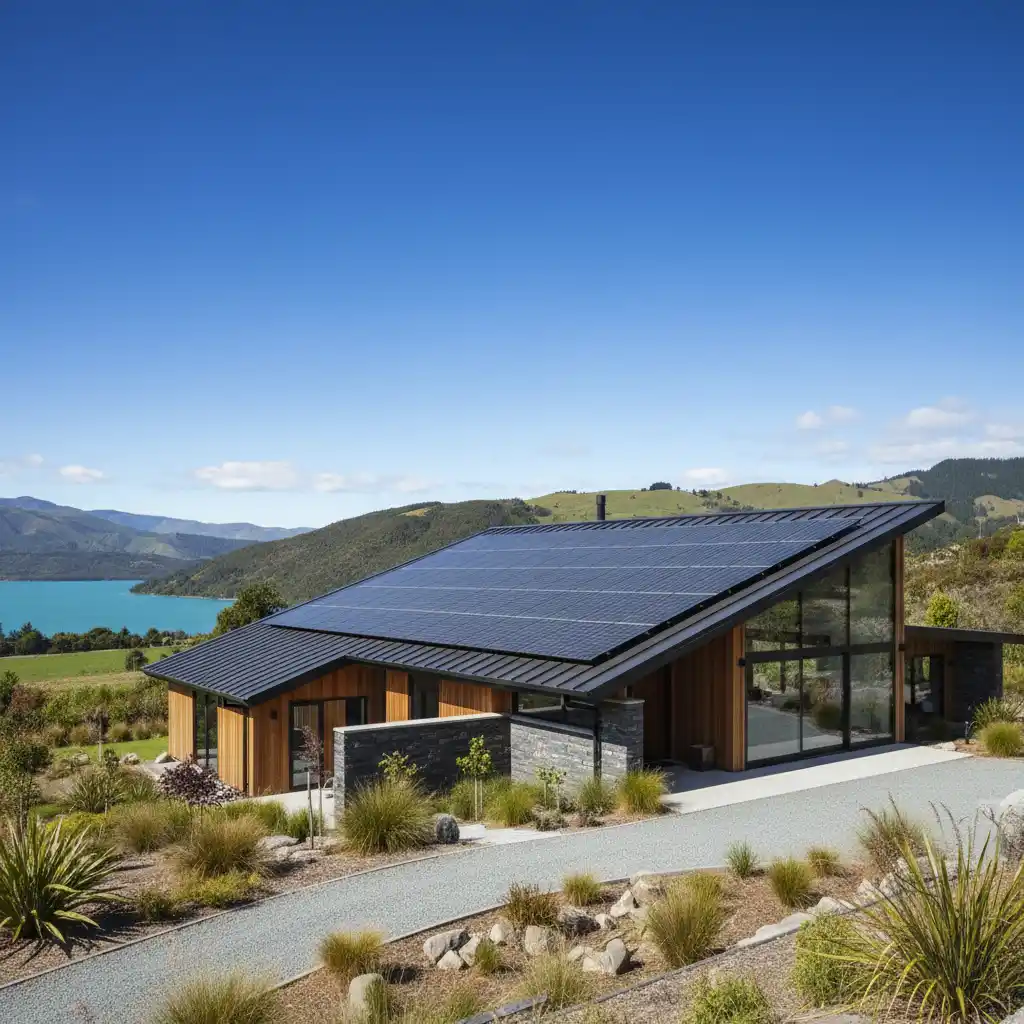
Eco-Friendly Furniture: Sustainable Materials Explained
In Aotearoa, the shift towards a more sustainable lifestyle is more than just a trend; it’s a commitment to our future and the health of our planet. As we thoughtfully manage our waste and energy, our choices for the home also play a crucial role. One area often overlooked but with significant environmental impact is furniture. Choosing eco-friendly furniture crafted from sustainable materials is a powerful way to reduce your ecological footprint and create a healthier living space.
But what exactly makes furniture “eco-friendly,” and what are the best sustainable materials to look for? This comprehensive guide will demystify the world of green furnishings, helping you make informed decisions that align with your values and enhance your home.
Table of Contents
Why Sustainable Furniture Matters
The furniture industry has a significant global footprint, from resource extraction to manufacturing processes and eventual disposal. Opting for eco-friendly furniture made from sustainable materials is a direct way to mitigate these impacts.
Beyond the Landfill: The Environmental Impact
Traditional furniture production often involves deforestation, high energy consumption, and the use of harmful chemicals. When furniture reaches the end of its life, it contributes massively to landfills, where non-biodegradable materials can persist for centuries.
“Globally, an estimated 10 million tonnes of furniture are sent to landfill each year. Choosing sustainable materials actively combats this waste cycle.”
🌱 Stat Callout: Over 10 million tonnes of furniture are discarded annually worldwide, with a vast majority ending up in landfills. Opting for durable, sustainably sourced pieces significantly reduces this colossal waste stream.
By selecting furniture made from renewable, recycled, or upcycled materials, we reduce demand for virgin resources, conserve energy, and minimise pollution.
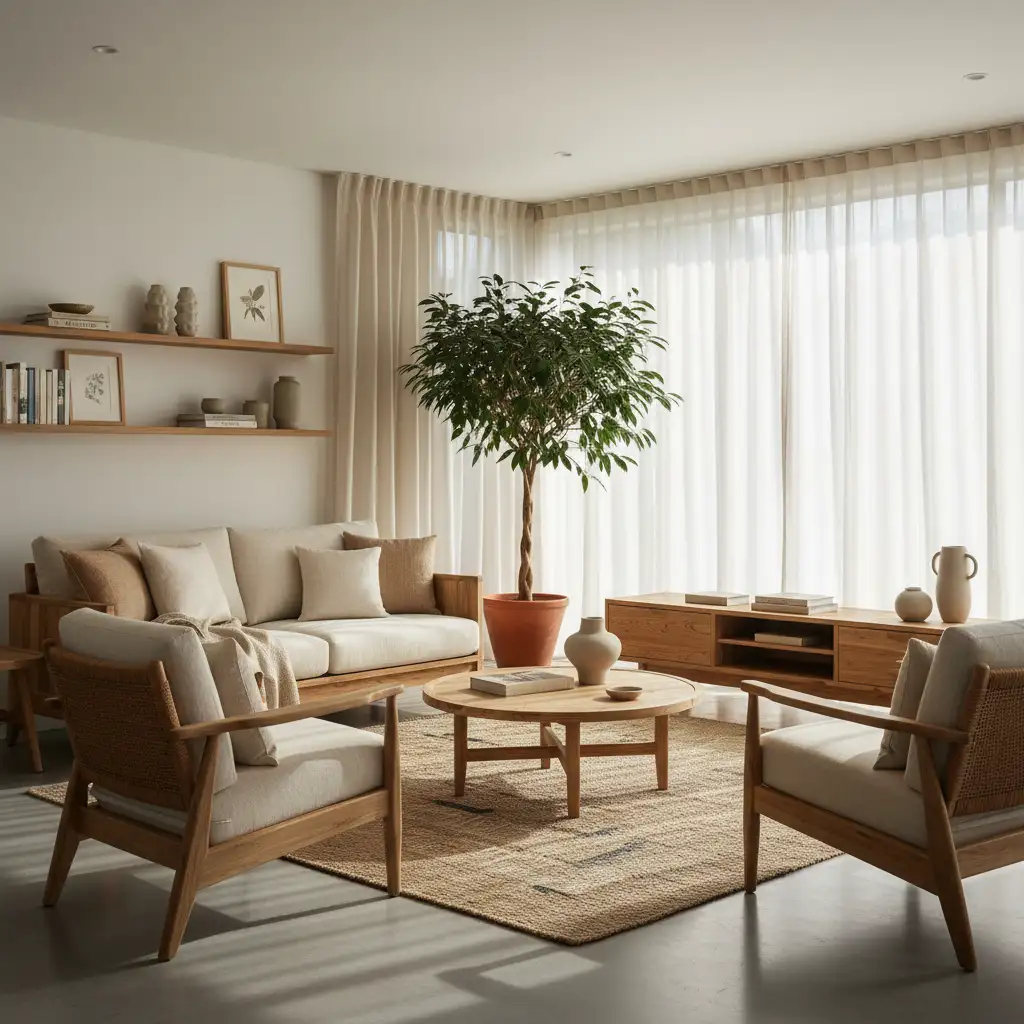
Creating a Healthier Home: The Benefits
Beyond environmental concerns, many conventional furniture items contain volatile organic compounds (VOCs) from adhesives, finishes, and fire retardants. These chemicals off-gas into your home, potentially affecting indoor air quality and long-term health.
Sustainable furniture often prioritises natural, non-toxic finishes and glues, creating a healthier, safer environment for you and your family. This is especially important in New Zealand homes where air circulation can sometimes be limited.
Key Sustainable Furniture Materials Explained
Understanding the core materials is essential to identifying truly eco-friendly furniture. Here’s a breakdown of the most common and innovative sustainable materials:
Reclaimed & Recycled Wood: Giving Timber a Second Life
What it is: Reclaimed wood comes from old buildings, barns, factories, or even sunken logs, salvaged and repurposed. Recycled wood is often processed from waste wood products. Both prevent new trees from being felled and keep material out of landfills.
- Benefits: Unique character, reduced deforestation, lower carbon footprint compared to new timber, exceptional durability.
- Considerations: Ensure it’s treated for pests and free of hazardous chemicals from its previous life.
💡 Did you know? Using reclaimed wood can reduce carbon emissions by up to 90% compared to using new timber, thanks to avoiding logging, milling, and processing of virgin wood.
Bamboo: The Fast-Growing Powerhouse
What it is: A rapidly renewable grass, bamboo can grow several feet a day and reaches maturity in 3-5 years without pesticides or excessive water. It’s incredibly strong and versatile, often processed into planks for furniture.
- Benefits: Extremely renewable, durable, lightweight, naturally pest-resistant.
- Considerations: Look for sustainably harvested bamboo and ensure glues used in processing are low-VOC.
Recycled Metals: Durable & Infinitely Recyclable
What it is: Aluminium, steel, and iron can be recycled repeatedly without significant loss of quality. Furniture made from recycled metal reduces the need for new mining and drastically cuts energy consumption.
- Benefits: High durability, infinite recyclability, significantly lower energy footprint (e.g., recycled aluminium uses 95% less energy than virgin).
- Considerations: Verify the percentage of recycled content.
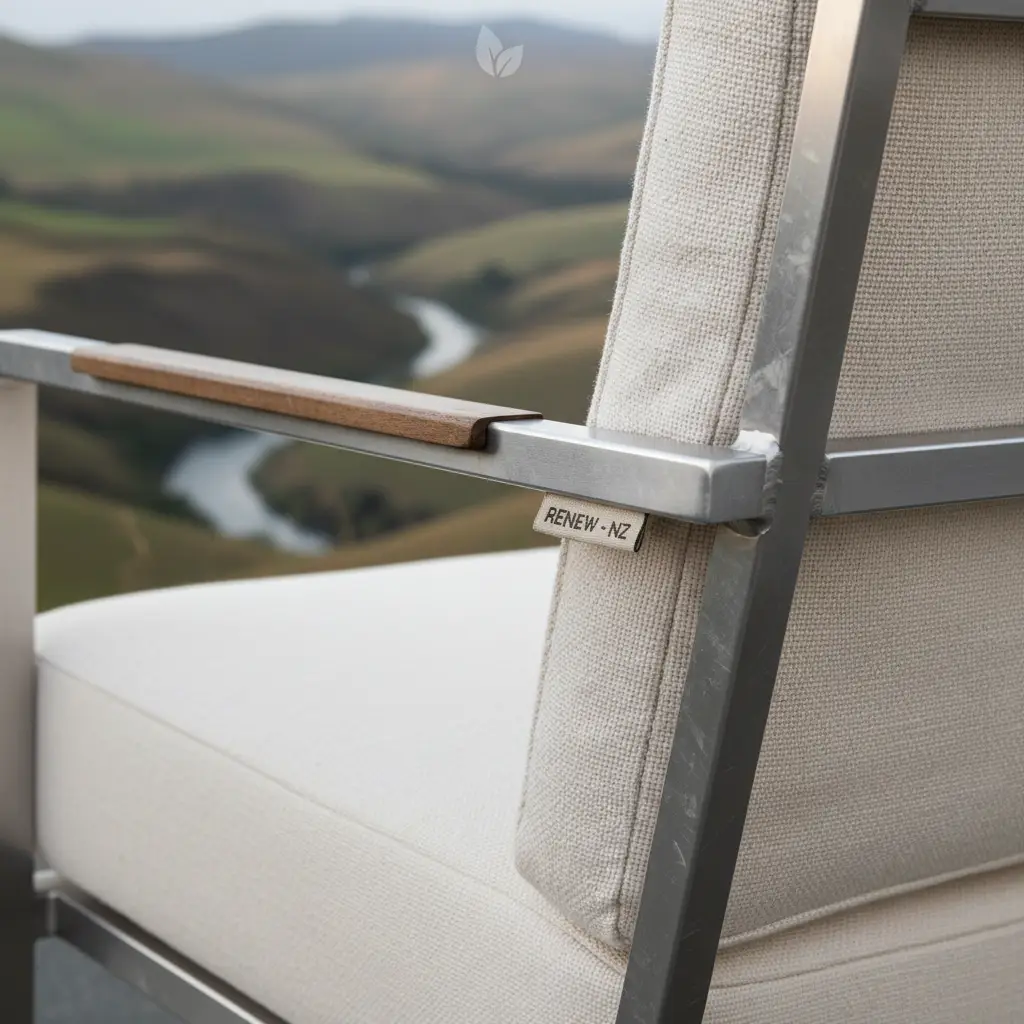
Natural Fibres: Hemp, Organic Cotton, Linen
What it is: For upholstery and soft furnishings, natural fibres are excellent sustainable choices. Hemp is incredibly fast-growing and requires minimal water and no pesticides. Organic cotton avoids harmful chemical use. Linen, derived from flax, is durable and biodegradeable.
- Benefits: Biodegradable, breathable, often grown with less environmental impact than synthetic alternatives.
- Considerations: Verify organic certifications for cotton and ensure no harmful dyes are used.
Bioplastics & Upcycled Materials: Innovation in Sustainability
What it is: Bioplastics derived from renewable biomass sources (like corn starch) offer an alternative to petroleum-based plastics. Upcycled materials, like old denim or discarded fishing nets transformed into new fabrics or components, represent creative reuse at its best.
- Benefits: Reduces reliance on fossil fuels, gives new life to waste, can be biodegradable (for certain bioplastics).
- Considerations: “Bioplastic” can be a broad term; check for compostability or recyclability specific to the product.
What to Look for When Buying Eco-Friendly Furniture
Beyond the primary materials, several other factors contribute to the overall sustainability of furniture.
Certifications & Labels: Your Green Guiding Stars
Look for reputable third-party certifications that verify sustainable practices. In New Zealand, familiarise yourself with global standards that local retailers may adhere to:
- FSC (Forest Stewardship Council): Ensures wood products come from responsibly managed forests.
- Global Organic Textile Standard (GOTS): Certifies organic textiles from harvesting through to manufacturing.
- Greenguard: Certifies products for low chemical emissions, improving indoor air quality.
Durability & Longevity: The Ultimate Sustainable Choice
The most sustainable piece of furniture is one that lasts. High-quality construction and timeless design mean less frequent replacement, reducing waste and resource consumption in the long run. Invest in pieces built to endure.
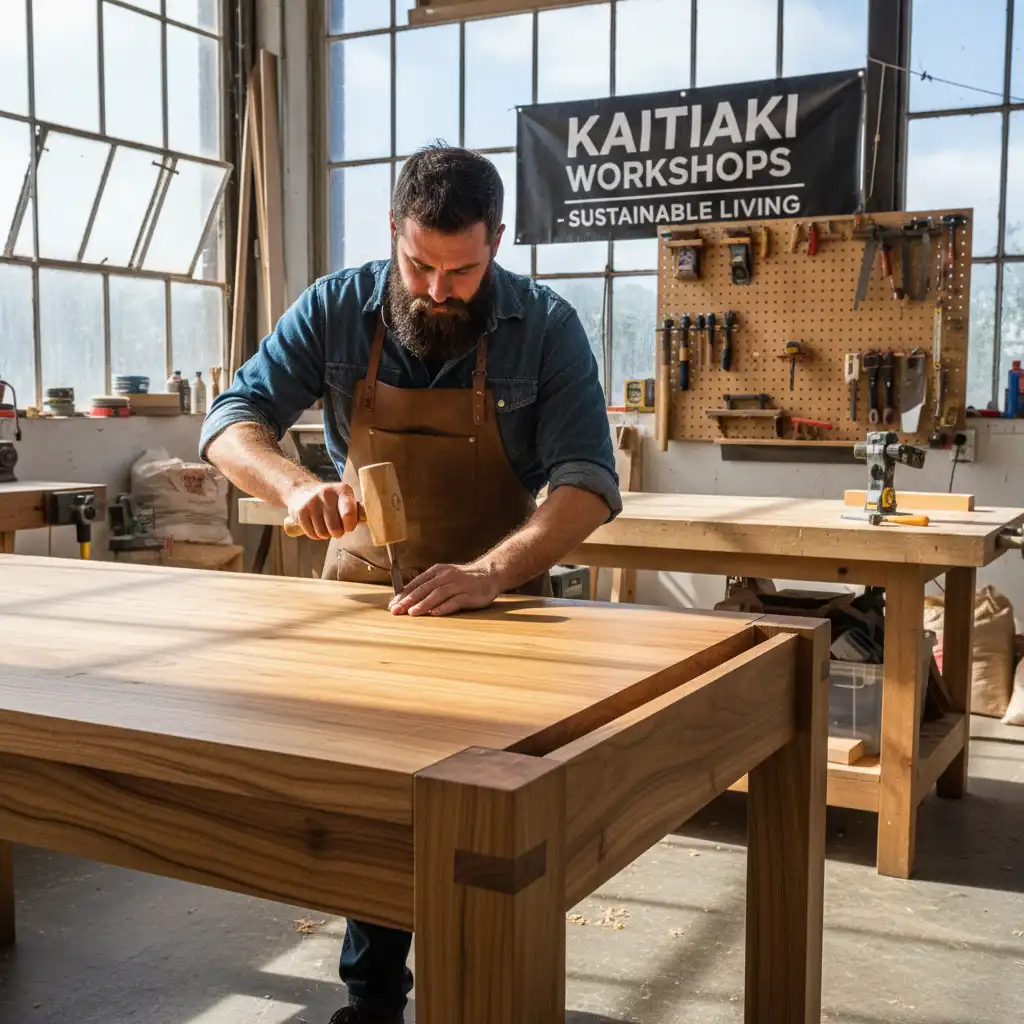
Local Sourcing & Craftsmanship: Supporting Aotearoa
Choosing furniture made locally in New Zealand supports our economy and reduces transportation emissions. Many local artisans use native or sustainably sourced timbers and take pride in crafting durable, beautiful pieces.
The New Zealand Context: Sustainable Choices for Aotearoa
As a nation deeply connected to its natural environment, New Zealanders are increasingly seeking ways to minimise their ecological impact. This extends to our furniture choices. Look for local designers and manufacturers who are committed to using materials like:
- Locally harvested, sustainably managed timber: Kauri, Rimu, Beech – ensure it’s from certified sources.
- Upcycled materials: Creative brands are transforming waste streams into unique furniture pieces.
- Minimalist design: Investing in fewer, higher-quality pieces reduces overall consumption.
🇳🇿 New Zealand Focus: Support local businesses that transparently share their sourcing and manufacturing practices. Look for furniture that tells a story of ethical production and craftsmanship within Aotearoa.
Conclusion
Embracing eco-friendly furniture is a significant step towards a more sustainable home and a healthier planet. By understanding the origins and characteristics of sustainable materials explained in this guide, you are empowered to make choices that are good for you, your family, and Aotearoa.
Let your furniture be a testament to your commitment to a sustainable lifestyle. Explore, question, and choose wisely, creating a home that reflects both beauty and responsibility.
Frequently Asked Questions About Eco-Friendly Furniture
What does “eco-friendly furniture” truly mean?
Eco-friendly furniture refers to pieces made with materials and processes that have minimal negative impact on the environment. This includes sourcing renewable or recycled materials, using non-toxic finishes, employing ethical labour practices, and designing for durability and recyclability.
Is sustainable furniture more expensive?
While initial costs can sometimes be higher due to ethical sourcing, craftsmanship, and specialised materials, sustainable furniture is often designed for longevity. This means it needs to be replaced less frequently, offering better long-term value and reducing overall consumption and waste.
How can I verify if furniture materials are truly sustainable?
Look for reputable third-party certifications like FSC for wood, GOTS for textiles, and Greenguard for low chemical emissions. Transparency from the manufacturer about their supply chain and production processes is also a good sign. Don’t hesitate to ask questions!
What are VOCs, and why should I avoid them in furniture?
VOCs (Volatile Organic Compounds) are gases emitted from certain solids or liquids, including many glues, paints, and finishes used in conventional furniture. They can negatively impact indoor air quality and may contribute to health issues like headaches, nausea, and respiratory problems. Choosing furniture with natural or low-VOC finishes helps create a healthier home environment.
Can I find sustainable furniture made in New Zealand?
Absolutely! New Zealand has a growing number of designers and manufacturers dedicated to sustainable practices, often utilising local timbers, reclaimed materials, and ethical craftsmanship. Supporting these local businesses reduces transport emissions and strengthens our local economy.
References & Sources
- Forest Stewardship Council (FSC) Official Website. (General information on sustainable forestry).
- Global Organic Textile Standard (GOTS). (Details on organic textile certification).
- UL Greenguard Certification. (Information on low-emission product standards).
- U.S. Environmental Protection Agency (EPA) – VOCs Impact on Indoor Air Quality. (Health impacts of VOCs).
- European Aluminium – Benefits of Recycled Aluminium. (Energy savings data for recycled metals).
- Carbon Footprint Ltd. – The Carbon Footprint of Furniture. (General statistics on furniture waste and carbon impact).