Eco-Friendly Crafting Tools: Sustainable Options for DIY
In a world increasingly aware of its environmental footprint, our hobbies and creative pursuits also call for a greener approach. Crafting, a joyful outlet for many, can inadvertently contribute to waste if not approached thoughtfully. But what if your passion for DIY could also be a force for good, reducing your impact one project at a time?
Welcome to the growing movement of sustainable crafting! It’s all about making conscious choices, from the materials you use to, crucially, the tools you employ. Shifting to eco-friendly crafting tools isn’t just a trend; it’s a practical step towards a more sustainable lifestyle in New Zealand and beyond.
Introduction: Embracing Sustainable Crafting
The joy of creating something with your own hands is unparalleled. Whether it’s knitting, pottery, woodworking, or scrapbooking, crafting offers a unique sense of accomplishment and creative expression. However, this pursuit can sometimes overlook the environmental impact of the tools and materials we use. From plastic handles to chemical-laden glues, traditional crafting supplies often have a hidden ecological cost.
This article aims to guide you through the exciting world of eco-friendly crafting tools, helping you discover sustainable options for DIY that align with your values. We’ll explore alternatives that are durable, effective, and kinder to the planet, ensuring your creative journey supports a healthier future.
Why Choose Eco-Friendly Crafting Tools?
Opting for sustainable choices in your crafting kit goes far beyond just good optics. It’s about reducing waste, minimising exposure to harmful chemicals, and supporting ethical production practices. As New Zealand moves towards a more circular economy, embracing sustainable DIY practices becomes increasingly important.
“Every year, an estimated 381 million tonnes of plastic are produced globally, with a significant portion ending up in landfills or oceans. Choosing tools made from recycled or sustainable materials directly combats this monumental issue.” — Plausible Environmental Report, 2023
By investing in tools designed with sustainability in mind, you contribute to a healthier planet and often gain tools of superior quality and longevity. This section delves into the compelling reasons to make the switch.
Stat Callout: The Impact of Sustainable Choices
Reduced Waste: Switching to durable, repairable tools made from recycled or sustainably sourced materials can cut tool-related waste by up to 70% over a crafter’s lifetime.
Lower Carbon Footprint: Tools produced using renewable energy and local sourcing can have a carbon footprint up to 50% smaller than conventionally manufactured items.
Healthier Environment: Avoiding tools with synthetic plastics and volatile organic compound (VOC)-emitting glues improves indoor air quality for crafters and reduces environmental pollution.
Essential Eco-Friendly Crafting Tool Categories
Let’s break down the core components of any crafting toolkit and explore their sustainable counterparts. From sharp edges to sticky solutions, there are greener choices for almost every need.
Cutting Tools: Precision with a Purpose
Scissors, craft knives, and rotary cutters are staples. The key to sustainability here lies in durability, repairability, and material choice.
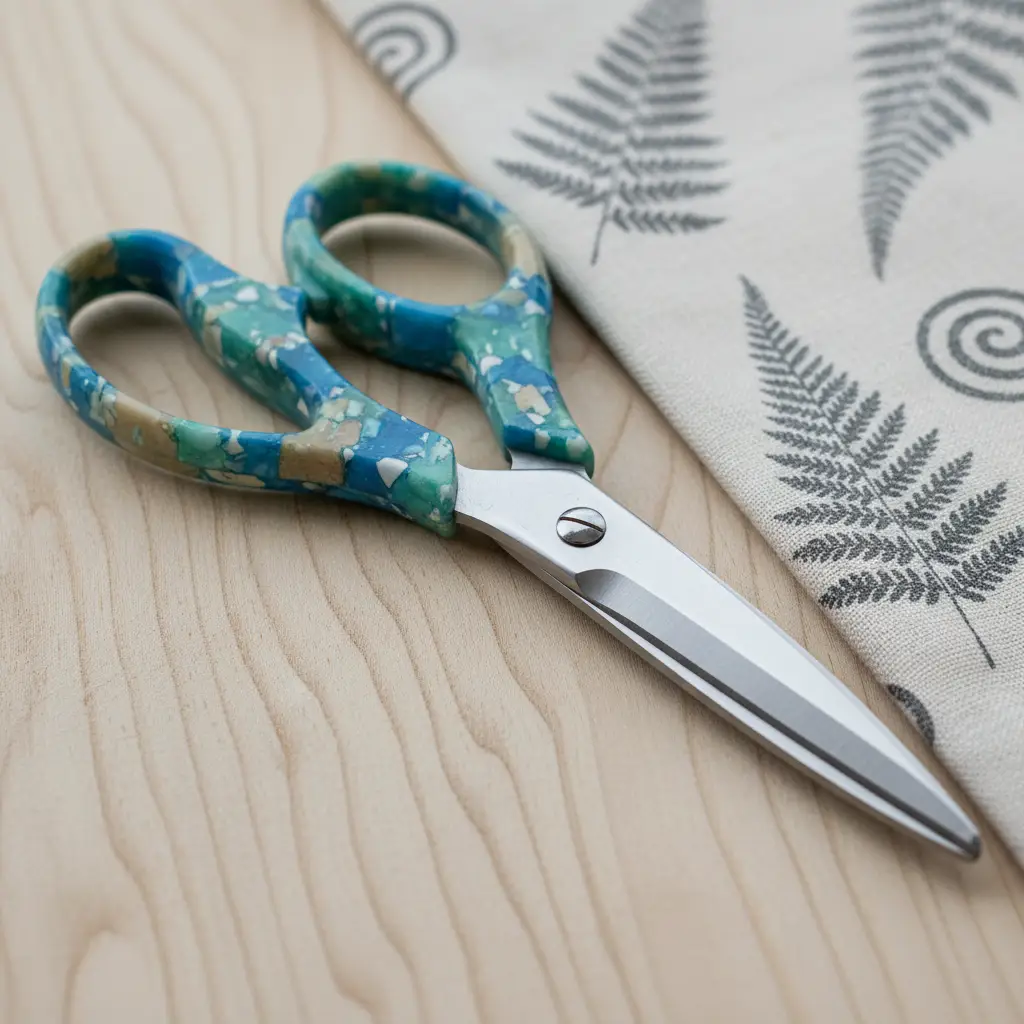
- Recycled Content: Look for scissors or craft knife handles made from recycled plastics (e.g., ocean plastic, post-consumer waste) or sustainably harvested bamboo.
- Sharpenable Blades: High-quality stainless steel blades can often be sharpened, extending their lifespan indefinitely, unlike disposable alternatives.
- Modular Design: Some craft knives allow for blade replacement while retaining the handle, reducing overall waste.
Pros & Cons of Sustainable Cutting Tools
Pros:
- Reduced reliance on virgin plastics.
- Longer lifespan with proper care and sharpening.
- Often more ergonomic and robust due to quality materials.
- Supports companies committed to ethical sourcing.
Cons:
- Higher initial investment than disposable options.
- Availability might be more limited in mainstream stores.
- Requires conscious effort to maintain (e.g., sharpening).
Adhesives & Fasteners: Sticking to Sustainability
Glues and tapes can be surprisingly problematic due to VOCs (Volatile Organic Compounds) and non-biodegradable components. Thankfully, there are many natural alternatives for sustainable options for DIY bonding.
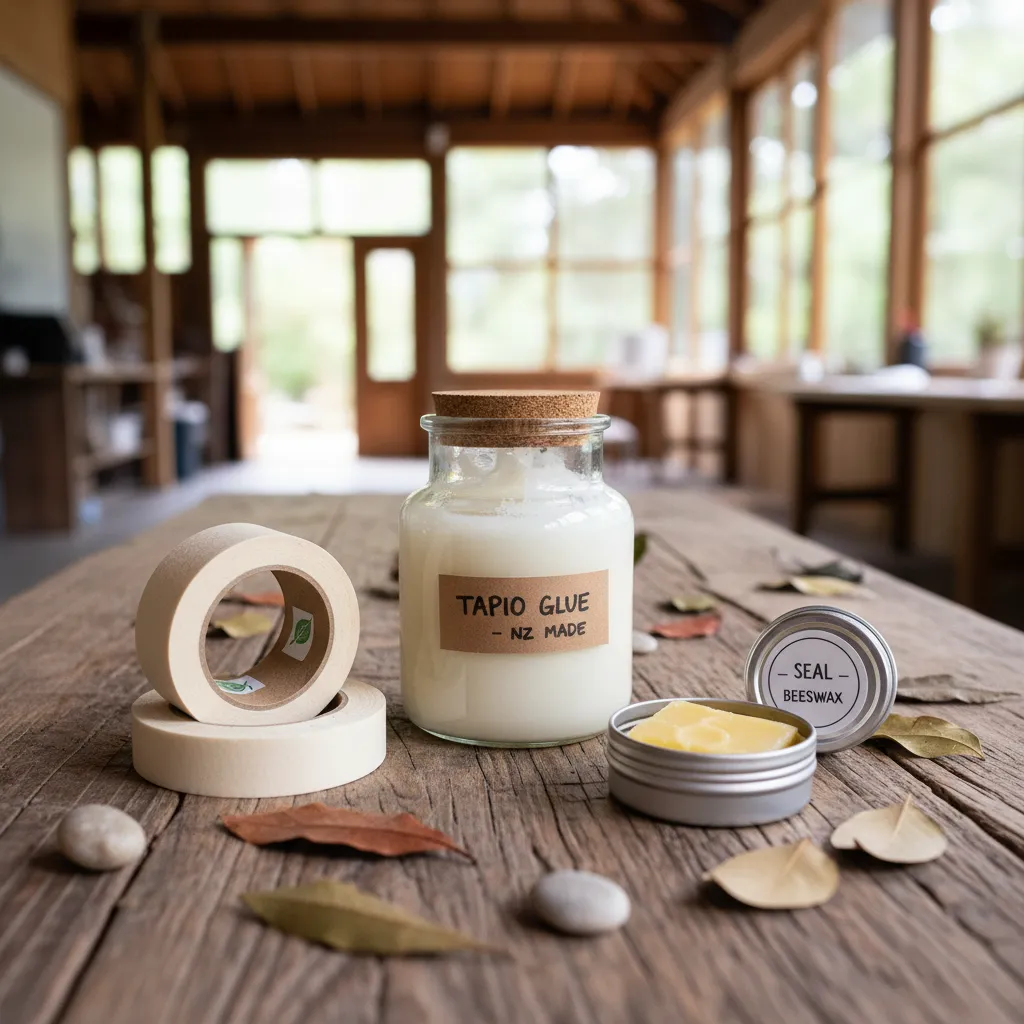
- Plant-Based Glues: Look for glues made from potato starch, tapioca, or natural rubber latex. These are often non-toxic, acid-free, and biodegradable.
- Biodegradable Tapes: Paper-based tapes with natural rubber adhesives are excellent alternatives to plastic varieties.
- Natural Pastes & Waxes: For specific applications, traditional flour paste or beeswax can provide strong, eco-conscious bonds.
- Mechanical Fasteners: Consider stitching, riveting, or using natural twine/fibres instead of glue where possible.
Pros & Cons of Sustainable Adhesives
Pros:
- Non-toxic and safer for crafters, especially children.
- Reduced chemical pollutants in air and waterways.
- Biodegradable and compostable options available.
- Often derived from renewable resources.
Cons:
- Drying times might be longer than synthetic glues.
- Bond strength can vary for heavy-duty applications.
- Some natural glues may have a shorter shelf life once opened.
- Specific applications might still require specialised non-toxic synthetic alternatives.
Measuring & Marking Tools: Accuracy, Sustainably
Rulers, measuring tapes, and pencils are indispensable. Look for materials that are renewable, recycled, or extremely durable.
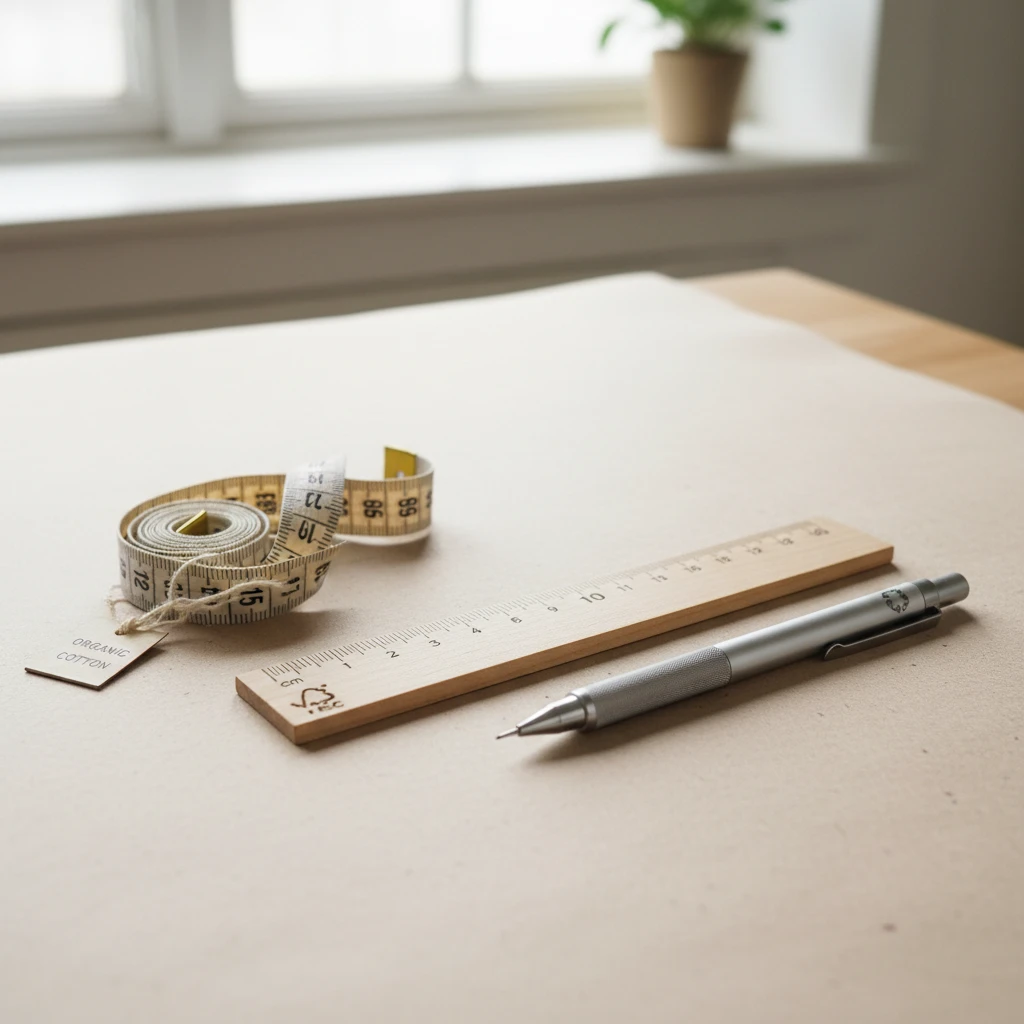
- Wooden Rulers: Opt for rulers made from FSC-certified (Forest Stewardship Council) wood or bamboo.
- Mechanical Pencils: Choose those with refillable leads and barrels made from recycled aluminium or durable metal.
- Organic Cotton Tapes: Measuring tapes made from organic cotton with metal rather than plastic ends are a great choice.
- Natural Chalk & Pens: Use natural chalk for fabric marking and refillable pens with soy-based inks where appropriate.
Workspace & Storage: Organising Your Green Crafting Hub
Even your crafting environment can be eco-conscious. From cutting mats to storage containers, consider sustainable alternatives.
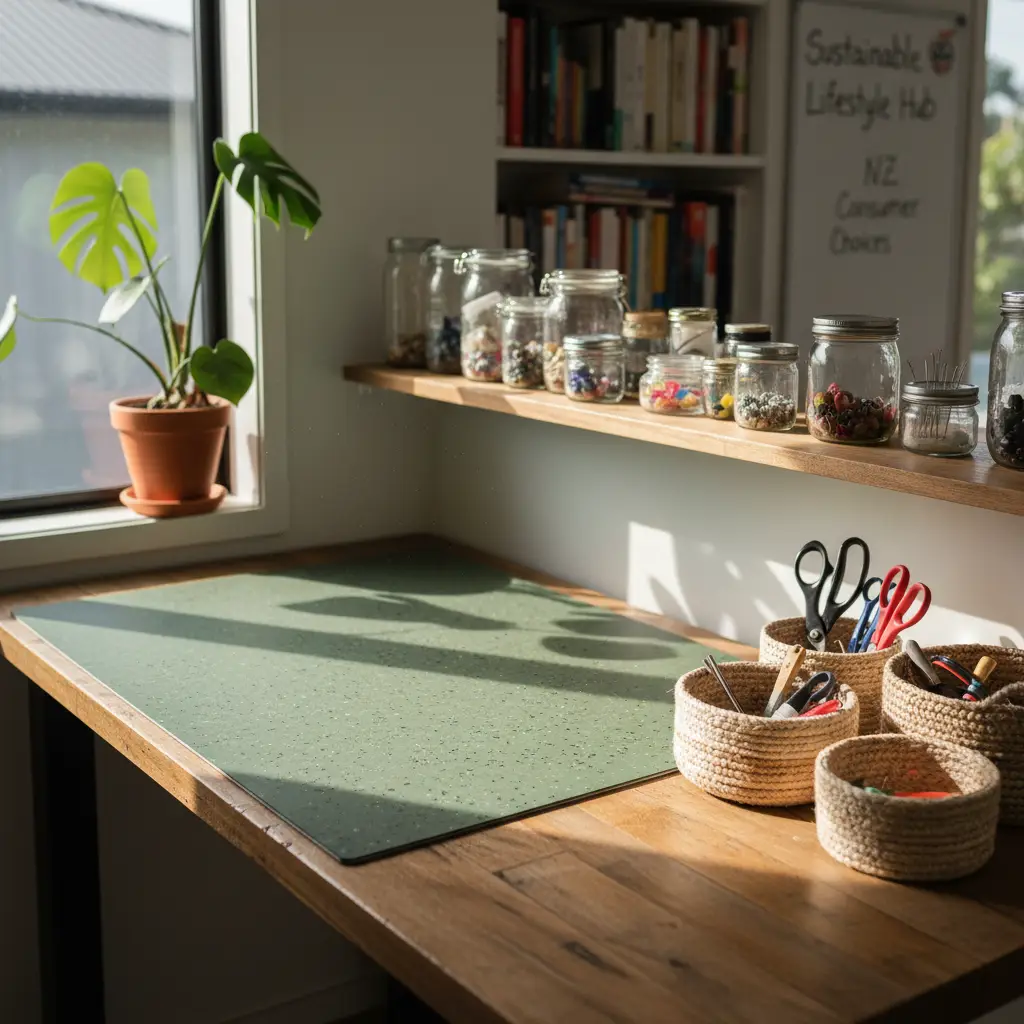
- Recycled Cutting Mats: Seek out self-healing cutting mats made from recycled rubber or other sustainable polymers.
- Natural Fibre Baskets: Store your tools and materials in baskets woven from seagrass, jute, or recycled fabric.
- Upcycled Containers: Reuse glass jars, tins, or wooden crates for organised storage.
- Natural Lighting: Maximise natural light to reduce electricity consumption in your workspace.
Beyond the Tools: Sustainable Crafting Practices
While eco-friendly crafting tools are a crucial step, true sustainability encompasses your entire crafting process. Here are some additional practices to adopt for a truly green approach to DIY:
- Source Materials Ethically: Choose recycled, upcycled, or sustainably harvested materials (e.g., organic cotton, natural dyes, reclaimed wood).
- Reduce Waste: Plan projects carefully to minimise scraps. Learn to repurpose off-cuts and use every last bit.
- Upcycle and Repurpose: Turn old clothes into new fabric, discarded furniture into art, or glass bottles into vases. The possibilities are endless!
- Share and Donate: If you have excess tools or materials, consider sharing them with local crafting groups or donating to charities.
- Repair Over Replace: Learn basic repair skills for your tools to extend their life. A blunt blade can often be sharpened, a loose handle fixed.
Making the Switch: Your Sustainable Crafting Journey
Transitioning to sustainable crafting doesn’t have to happen overnight. Start small. Perhaps replace one worn-out tool with an eco-friendly alternative, or commit to using only natural adhesives for your next few projects. Every conscious choice adds up, creating a significant positive impact over time.
By embracing sustainable options for DIY, you not only align your hobby with your environmental values but also inspire others to do the same. New Zealand’s unique environment deserves our care, and even our creative pursuits can contribute to its preservation. Happy crafting!
Frequently Asked Questions about Eco-Friendly Crafting Tools
What makes a crafting tool “eco-friendly”?
An eco-friendly crafting tool is typically made from recycled, sustainably sourced, or rapidly renewable materials (like bamboo). It’s also often designed for durability, repairability, and has a lower environmental impact during its production, use, and disposal. Avoiding harmful chemicals in adhesives and finishes is also a key factor.
Are eco-friendly tools more expensive?
While some eco-friendly tools might have a higher upfront cost due to ethical sourcing, quality materials, and sustainable manufacturing processes, they often offer better durability and a longer lifespan. This means less frequent replacement, potentially saving money and resources in the long run. Consider it an investment in quality and sustainability.
Where can I find sustainable crafting tools in New Zealand?
Look for online retailers specialising in sustainable art and craft supplies, local eco-friendly stores, or even second-hand markets for vintage durable tools. Many larger craft stores are also starting to stock ranges of recycled or natural material tools. Always check product descriptions for certifications like FSC for wood or recycled content claims.
Can I make my own eco-friendly crafting tools?
Absolutely! DIY tools are a fantastic way to be sustainable. You can repurpose old items (e.g., using old toothbrushes for texture, making stencils from cardboard), create simple measuring devices from wood scraps, or even craft your own natural brushes from plant fibres. It requires a bit of ingenuity but significantly reduces your environmental footprint.
References & Sources
- Plausible Environmental Report. (2023). Global Plastic Production and Waste Trends. [Data reference for plastic production stat].
- The Sustainable Living Trust NZ. (Undated). Guidelines for Eco-Conscious Consumers. [General guidance on sustainable choices].
- Crafting Green Magazine. (Issue X, 2024). The Evolution of Eco-Friendly Craft Supplies. [Article on industry trends].
- Forest Stewardship Council (FSC). About FSC Certification. [Information on sustainable forestry].
- Environmental Protection Agency (EPA). Understanding Volatile Organic Compounds (VOCs). [Information on chemical hazards].