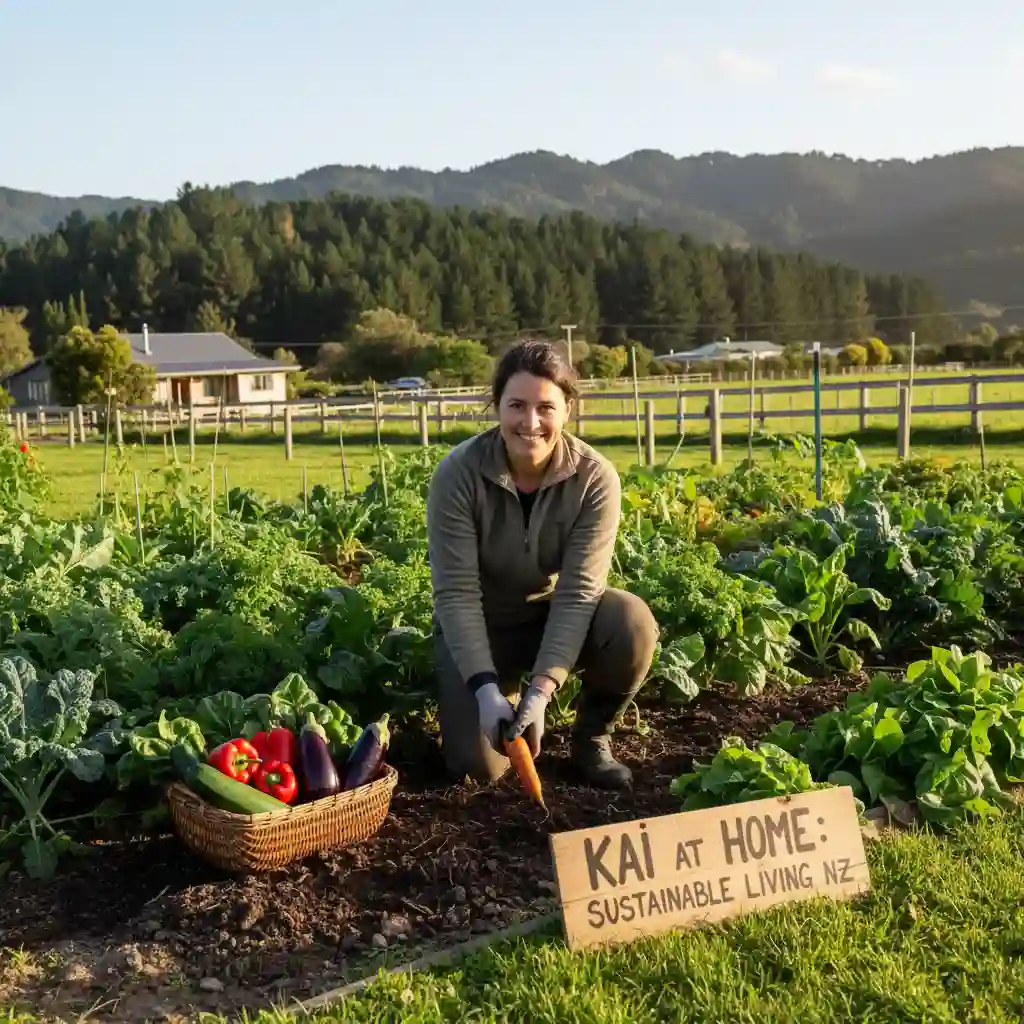
Eco-Friendly Crafting: Sourcing Natural Materials Made Easy
Transform your passion for creation into a force for good. Discover how to effortlessly find and utilise sustainable materials for your next crafting project in New Zealand.
Are you passionate about crafting, but increasingly aware of the environmental footprint of your materials? You’re not alone. As we collectively shift towards more sustainable lifestyles, the choices we make in our creative pursuits become just as important as those in our homes or daily commutes. This guide, Eco-Friendly Crafting: Sourcing Natural Materials Made Easy, is designed to empower you with the knowledge and resources to make truly sustainable choices, transforming your craft into a practice that nurtures both your creativity and our planet.
Moving beyond the complexities of technical waste management, we’re focusing on practical, consumer-level actions that make a tangible difference. It’s about celebrating natural beauty and crafting with intention, one sustainable material at a time.
1. The Heart of Eco-Friendly Crafting
Eco-friendly crafting is more than just a hobby; it’s a commitment to creating beautiful things while minimising your environmental impact. It encompasses every stage, from conceptualisation to the end-of-life of your creations, prioritising sustainability, ethical sourcing, and waste reduction.
This approach seeks to move away from materials that pollute, deplete natural resources, or exploit labour, towards options that are regenerative, biodegradable, and sourced with respect for people and planet.
1.1. Beyond the Basics: Why Natural is Better
Choosing natural materials offers a multitude of benefits, both for your craft and the environment. Unlike synthetic alternatives, natural materials often boast unique textures, breatheability, and a connection to the earth that plastic cannot replicate. They typically degrade harmlessly at the end of their life, returning to the earth rather than accumulating in landfills or polluting our oceans.
“Every year, an estimated 300 million tonnes of plastic waste is produced globally – nearly equivalent to the weight of the entire human population. Choosing natural materials in crafting directly contributes to reducing this burden.” — UNEP, 2021
By opting for natural materials, you’re not just making a craft; you’re making a statement – a beautiful, tangible commitment to a healthier future.
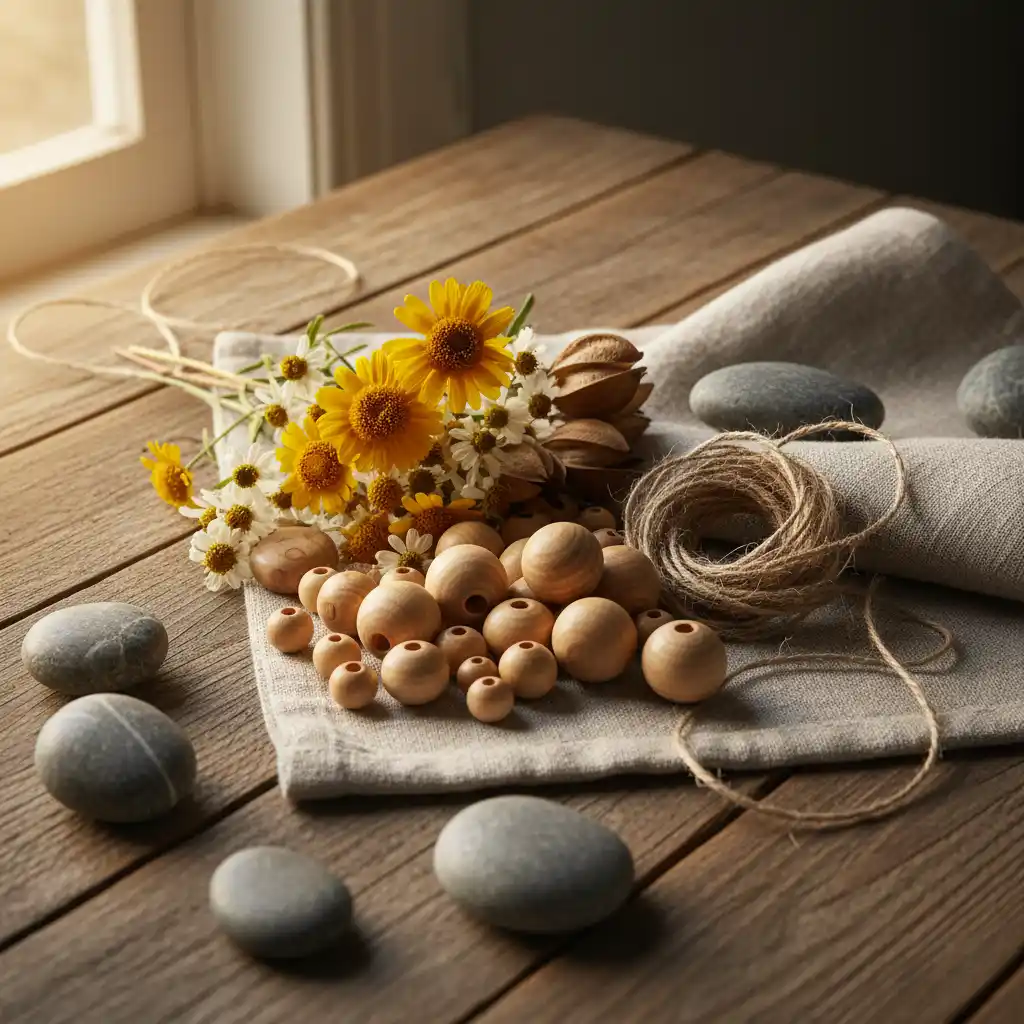
2. Your Guide to Natural Materials
The world is full of incredible, sustainable resources waiting to be transformed. Here’s a breakdown of accessible natural materials for your eco-friendly crafting adventures, making sourcing natural materials made easy.
2.1. Fibres & Textiles: From Plant to Thread
- Hemp & Linen: Exceptionally strong, durable, and require minimal water and no pesticides to grow. Look for local growers or suppliers in New Zealand.
- Organic Cotton: A better choice than conventional cotton, grown without harmful chemicals. Ensure certifications like GOTS (Global Organic Textile Standard).
- Wool: A renewable and biodegradable fibre, especially from local New Zealand farms adhering to ethical animal welfare practices.
- Jute & Ramie: Fast-growing natural fibres, often used for stronger threads and fabrics.
2.2. Earth & Stone: Elements for Art
- Clay: Locally sourced clay (check for non-toxic varieties) is perfect for pottery, sculpting, and even natural paints.
- Sand & Pebbles: Collected responsibly from beaches (check local regulations) or riverbeds, they add texture and weight to creations.
- Driftwood: Found washed ashore, these pieces tell stories and offer unique shapes for sculptures, decorations, and more.
2.3. Foraged Finds: Nature’s Free Store
- Leaves & Flowers: Dried, pressed, or used fresh for dyes, decorations, or botanical art.
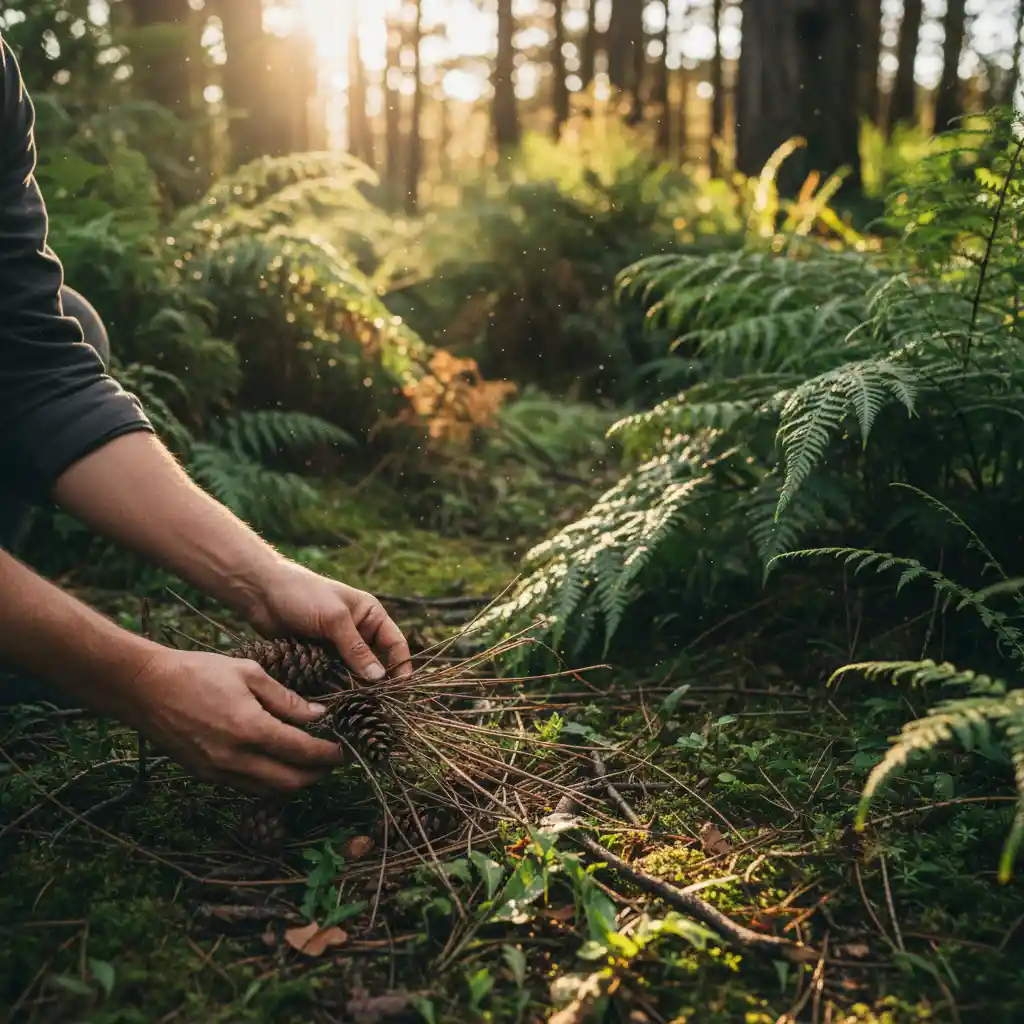
- Seed Pods & Pinecones: Naturally fallen treasures providing unique shapes and textures.
- Feathers: Ethically sourced (only collect naturally shed feathers, never from live birds) for adornment.
- Twigs & Bark: Gather fallen branches for weaving, sculpture, or basketry.
2.4. Upcycled & Repurposed: Giving New Life
- Old Fabrics: Turn worn-out clothing, bedsheets, or curtains into new textiles for patchwork, rag rugs, or stuffing.
- Glass Jars & Bottles: Excellent for storage, lanterns, or decorative pieces.
- Wood Scraps: From building sites or furniture repairs, perfect for smaller woodworking projects.
- Natural Packaging: Cardboard, paper, or natural twine can find new life in collages or structural elements.
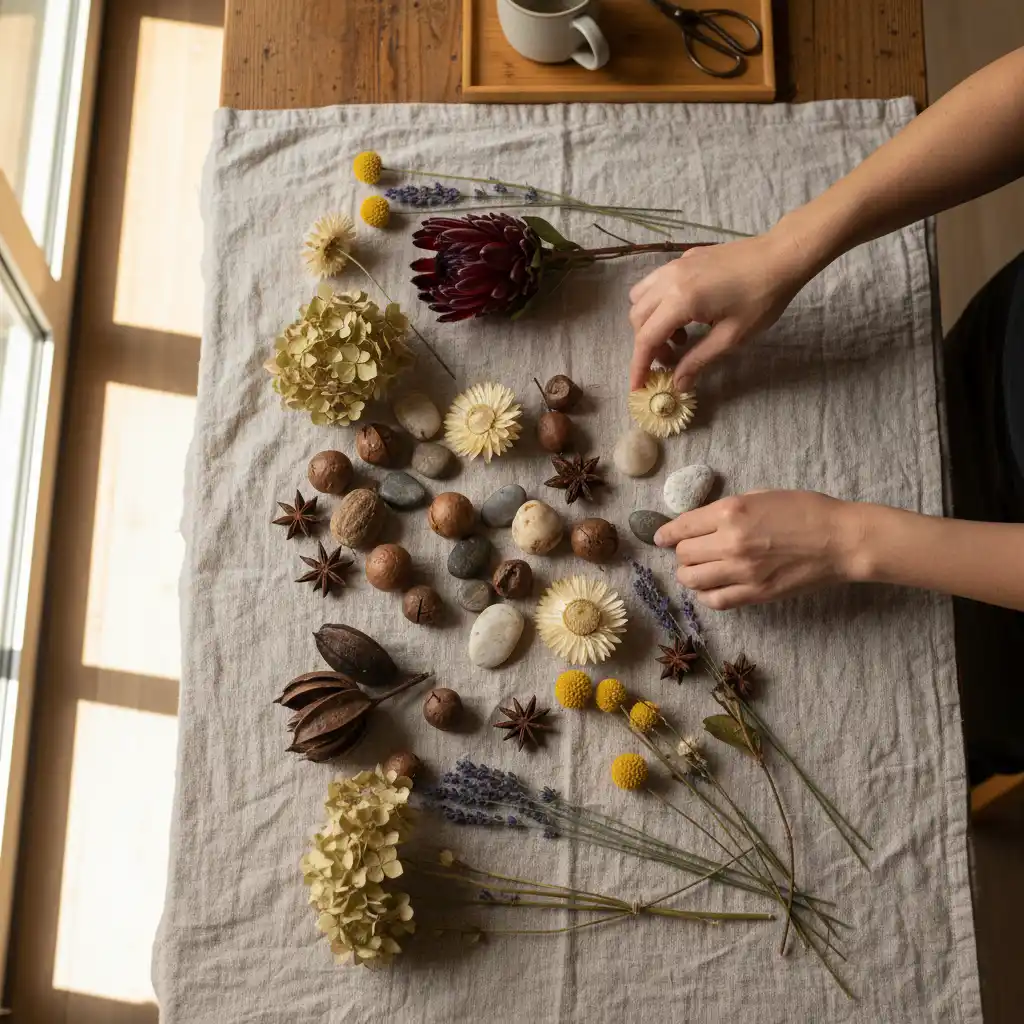
3. Smart Sourcing Strategies for New Zealand Crafters
Navigating the world of sustainable materials can feel daunting, but with a few smart strategies, sourcing natural materials made easy for your projects. Here’s how to get started in Aotearoa:
3.1. Step-by-Step: Ethical Foraging in Aotearoa
Foraging for natural materials can be incredibly rewarding, but it’s crucial to do it responsibly to protect our environment.
- Research Local Regulations: Before you head out, understand what you can and cannot collect in specific areas (e.g., national parks, private land, protected zones). Check with local councils or DOC (Department of Conservation).
- Identify Sustainable Harvest Areas: Look for abundant, non-endangered species. Avoid over-harvesting from one spot. The ‘20% rule’ is a good guideline: never take more than 20% of what’s available in an area.
- Harvest Responsibly: Use sharp tools to minimise damage to plants. Collect only what you need. Avoid disturbing wildlife or their habitats. Leave no trace behind.
- Process and Store Properly: Clean and dry your foraged finds to prevent mould and pests. Learn appropriate preservation methods for each material to ensure longevity.
3.2. Supporting Local & Sustainable Suppliers
New Zealand is home to a growing number of artisans and businesses committed to sustainability. Look for:
- Farmers’ Markets: Often a source for raw fibres like wool, flax (harakeke), or even plant dyes.
- Ethical Craft Stores & Boutiques: Many now specialise in natural, organic, or locally made materials.
- Direct from Growers/Producers: Connect with small-scale farmers who cultivate natural dyes or fibres.
- Online Sustainable Marketplaces: Websites dedicated to eco-friendly products often list New Zealand suppliers.
3.3. Embracing the Upcycle Revolution
One person’s trash is another’s crafting treasure! Dive into the world of upcycling:
- Op-shops & Second-hand Stores: Goldmines for textiles, buttons, jars, and unique trinkets.
- Community Groups & Freecycle: People often give away unwanted materials that are perfect for crafting.
- Waste Exchange Platforms: Some local councils or community initiatives facilitate the exchange of usable waste materials.
- Your Own Home: Before you buy, look around. What can you repurpose? Old clothes, packaging, even food scraps for natural dyes.
4. Cultivating Sustainable Crafting Habits
Beyond simply sourcing, a truly eco-friendly crafter integrates sustainable practices into every aspect of their creative process. This holistic approach ensures your hobby contributes positively to the planet.
4.1. Minimising Waste in Your Studio
- Use Everything: Repurpose scraps, offcuts, and even dust for smaller projects, stuffing, or compost.
- Natural Adhesives & Finishes: Opt for natural glues (e.g., flour paste), beeswax, or plant-based oils instead of synthetic chemicals.
- Tool Longevity: Invest in durable, high-quality tools that will last, and maintain them well.
4.2. Conscious Consumption & Longevity
Think about the entire lifecycle of your craft:
- Create to Last: Aim for quality and durability so your creations can be enjoyed for years, reducing the need for constant replacement.
- Biodegradability: Consider how your finished item will eventually break down. Can it be composted or naturally returned to the earth?
- Share & Educate: Inspire others by showcasing your eco-friendly crafts and sharing your sourcing methods.
Your Eco-Crafting Action Checklist
- ✓Audit your current materials: Identify synthetic items to replace.
- ✓Plan before you purchase: Do you *really* need new? Can you forage or upcycle instead?
- ✓Support local & ethical businesses: Prioritise suppliers with transparent practices.
- ✓Learn preservation techniques: Make your natural finds last longer.
- ✓Minimise waste: Utilise every scrap and compost organic materials.
5. Frequently Asked Questions About Eco-Friendly Crafting
What are the best natural materials for beginners in eco-friendly crafting?
For beginners, easily accessible materials like upcycled fabrics (old t-shirts, sheets), fallen leaves, pinecones, untreated wood scraps, and natural twine (jute, hemp) are excellent starting points. They are inexpensive, readily available, and forgiving to work with.
How can I ensure the natural materials I forage are safe and sustainable?
Always research local regulations before foraging. Avoid protected areas, private land without permission, or areas sprayed with pesticides. Collect only what you need, never over-harvest, and leave no trace. If unsure about identification, especially for plant dyes or edibles, consult an expert. Clean and dry all materials thoroughly before use.
Are natural dyes truly eco-friendly?
Yes, natural dyes derived from plants, insects, or minerals are generally far more eco-friendly than synthetic chemical dyes. They are biodegradable, non-toxic, and often require less water and energy in their application. However, proper disposal of dye baths and responsible sourcing of dye materials are still important considerations.
Where can I find ethical wool in New Zealand for crafting?
Look for wool from local farms that practice ethical animal husbandry and sustainable land management. Farmers’ markets, specialist craft wool suppliers, and direct-to-consumer online stores often provide information about their sourcing. Certifications (if available) can also indicate good practices.
What are some common synthetic crafting materials to avoid?
Common synthetic materials to minimise or avoid include acrylic yarns (plastic fibre), polyester fabrics (plastic fibre), synthetic glues and resins, glitter (microplastic), plastic beads, and foam boards. Opt for their natural or recycled counterparts instead.
6. References & Resources
- Department of Conservation (DOC) New Zealand. Official Website. (For foraging regulations and protected areas).
- United Nations Environment Programme (UNEP). (2021). From Pollution to Solution: A Global Assessment of Marine Litter and Plastic Pollution.
- Global Organic Textile Standard (GOTS). Official Website. (For certified organic textiles).
- The Sustainable Living Guide NZ. Tips for Eco-Friendly Hobbies.
- Eco-Crafting Collective Aotearoa. (Hypothetical local crafting community resource).