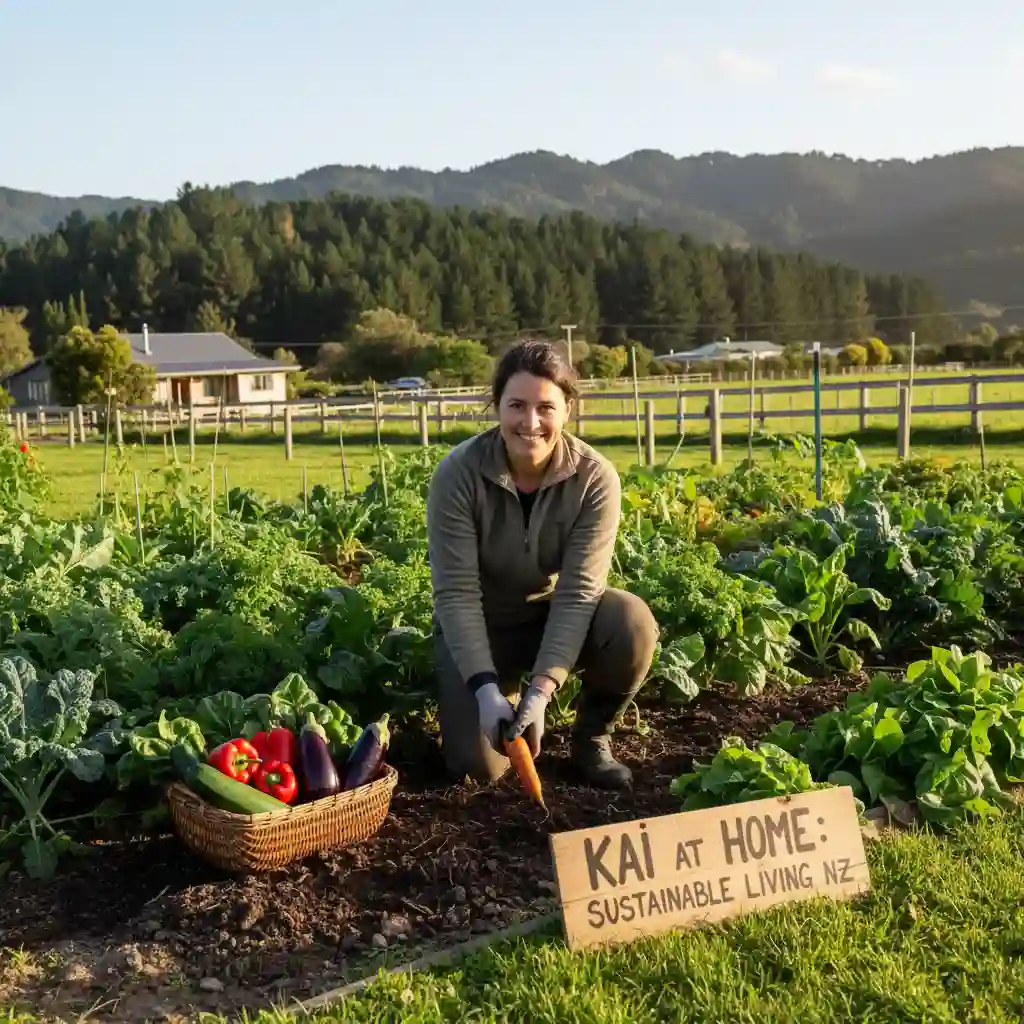
Eco-Friendly Camping Gear: Tents, Bags & Cooking Essentials
The call of the wild is undeniable, especially in Aotearoa’s breathtaking landscapes. But as we answer that call, are we leaving behind more than just footprints? Embracing eco-friendly camping gear is a powerful step towards protecting the natural beauty we cherish. This guide will navigate you through selecting sustainable tents, sleeping bags, and cooking essentials, empowering you to explore responsibly.
From understanding the environmental impact of conventional materials to discovering innovative green alternatives, we’ll equip you with the knowledge to make conscious choices. Join us in making your next outdoor adventure a truly sustainable one, ensuring our pristine environments remain unspoiled for generations to come.
Why Choose Eco-Friendly Camping Gear?
The manufacturing of outdoor gear often involves resource-intensive processes, petroleum-based plastics, and chemicals that can harm the environment. Opting for eco-friendly camping gear significantly reduces your ecological footprint, aligns with responsible tourism, and often supports ethical labour practices.

“Every year, millions of tons of textile waste, including discarded outdoor gear, end up in landfills. Choosing durable, repairable, and sustainably sourced items is crucial for a circular economy.”
85%
of all textiles in the US are not recycled annually, contributing to significant landfill waste. Sustainable gear aims to reduce this impact.
Beyond the environmental benefits, sustainable gear often boasts higher quality, greater durability, and innovative designs that stand the test of time and adventure. It’s an investment not just in your experiences, but in the planet’s future.
Eco-Friendly Tents: Your Sustainable Shelter
Your tent is your home away from home. Making it an eco-conscious choice begins with its materials and manufacturing process. Look for brands committed to transparency and innovation in sustainability when selecting your eco-friendly camping gear.

Sustainable Tent Materials
- Recycled Polyester & Nylon: Many leading brands now use fabrics made from recycled plastic bottles or ocean plastics, significantly reducing virgin resource consumption.
- Organic Cotton & Hemp: For a more natural feel, these renewable fibres offer breathability and biodegradability. However, they can be heavier and require more care for waterproofing.
- Solution-Dyed Fabrics: This dyeing process uses significantly less water and energy compared to traditional methods, and often results in more UV-resistant colours.
- PFC-Free DWR Coatings: Per- and polyfluoroalkyl substances (PFCs) are harmful chemicals often used for water repellency. Opt for tents with PFC-free Durable Water Repellent (DWR) treatments.
Pros & Cons of Eco-Friendly Tent Materials
Pros:
- Reduced reliance on virgin petrochemicals.
- Lower carbon footprint in production.
- Often made by brands with ethical supply chains.
- PFC-free options are safer for the environment and users.
Cons:
- Can sometimes be pricier due to innovative production.
- Natural fibres might be heavier or less weather-resistant (without proper treatment).
- Availability can be limited for cutting-edge materials.
Sustainable Sleeping Bags & Pads: Rest Easy, Responsibly
A good night’s sleep under the stars is essential. Make sure your sleeping gear, an integral part of your eco-friendly camping gear setup, is as kind to the planet as it is to you.

Eco-Conscious Fillings
- Recycled Synthetic Insulation: Made from post-consumer plastics, these provide excellent warmth-to-weight ratios and perform well even when damp.
- Responsible Down Standard (RDS) Certified Down: If you prefer down, ensure it’s RDS certified, guaranteeing that geese and ducks were not subjected to unnecessary harm.
- Wool: A natural, renewable, and biodegradable option that offers excellent temperature regulation and warmth, even when wet.
Pros & Cons of Sustainable Sleeping Bag Fills
Pros:
- Reduces waste and reliance on new materials.
- Ethical sourcing for animal products (RDS).
- Often durable and high-performing.
Cons:
- Recycled synthetics can still shed microplastics over time.
- Natural fills like wool can be heavier or bulkier.
- RDS down can be more expensive.
For sleeping pads, look for options made from recycled foams, bio-based polymers, or those designed for maximum durability and repairability, reducing the need for frequent replacement.
Green Cooking Essentials for the Campsite
Cooking outdoors is one of camping’s greatest joys. Make it cleaner and greener with mindful gear choices for your eco-friendly camping gear collection.
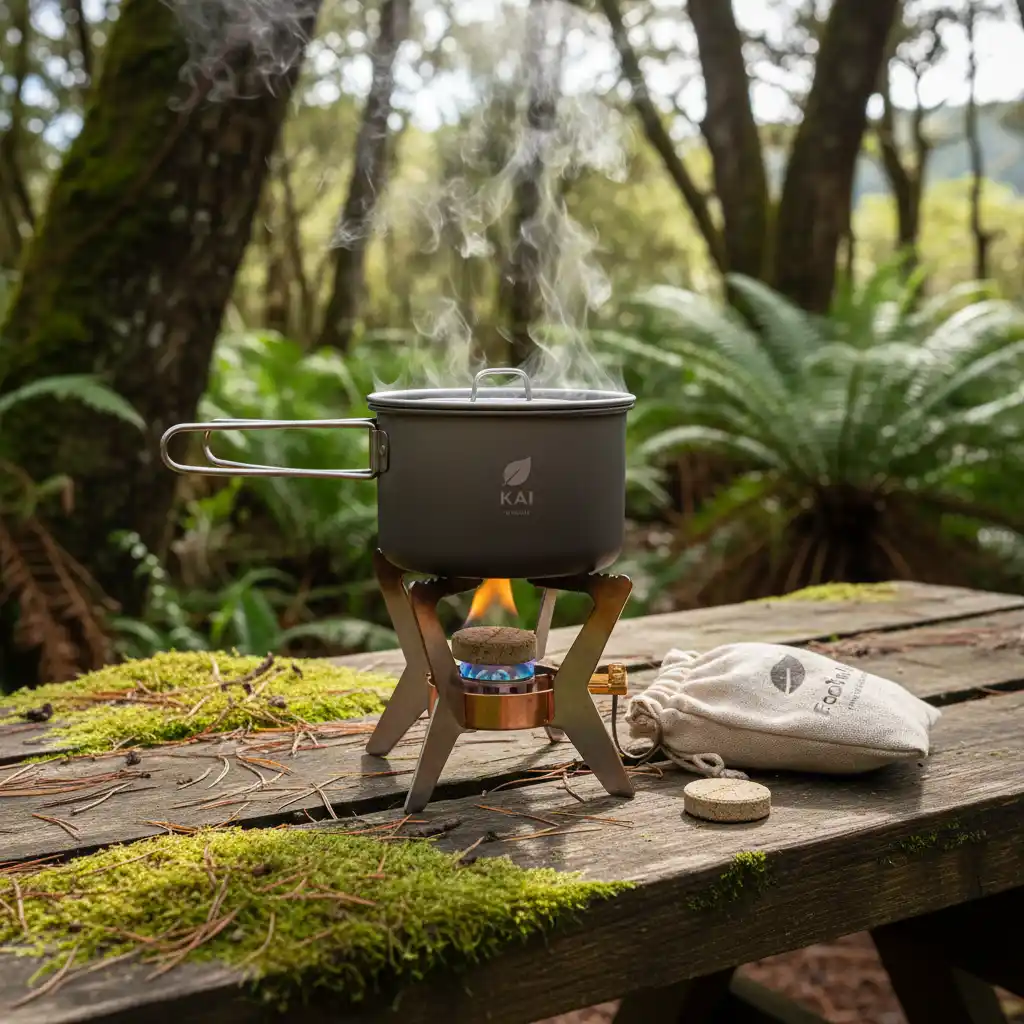
- Reusable Cookware & Utensils: Ditch single-use plastics. Invest in durable, lightweight stainless steel or bamboo cutlery sets, and reusable plates/bowls.
- Efficient Stoves & Fuel: Choose fuel-efficient stoves (e.g., those using iso-butane/propane mixes, which burn cleaner, or even wood-gas stoves) and carry only the fuel you need to minimise waste. Consider solid fuel tablets for emergencies.
- Waste Minimisation: Pre-plan meals to reduce packaging. Bring reusable containers for food storage and a dedicated bag for ‘pack-it-out’ rubbish and recycling.
- Biodegradable Soap: Use only biodegradable soap for washing dishes, and ensure you’re doing so at least 50-60 meters away from water sources.
Beyond the Gear: Sustainable Camping Practices
While eco-friendly camping gear is crucial, your actions on the ground are equally important. Embrace the Leave No Trace principles to ensure minimal impact on the environment.
Your Sustainable Camping Checklist:
- Plan Ahead & Prepare: Know regulations, pack appropriate gear, and minimise waste before you leave.
- Travel & Camp on Durable Surfaces: Stick to existing trails and campsites to protect vegetation.
- Dispose of Waste Properly: Pack it in, pack it out. This includes food scraps, toilet paper, and all rubbish.
- Leave What You Find: Do not disturb wildlife, plants, or natural features.
- Minimise Campfire Impacts: Use established fire rings, keep fires small, and ensure they are completely out. Better yet, use a stove.
- Respect Wildlife: Observe from a distance, never feed animals, and store food securely.
- Be Considerate of Other Visitors: Preserve the tranquility of nature for everyone.
Conclusion: Your Journey Towards Greener Adventures
Choosing eco-friendly camping gear, from your tent to your cooking essentials, is a powerful statement of your commitment to sustainability. It’s about enjoying New Zealand’s incredible outdoors while actively participating in its preservation. By combining conscious gear choices with responsible camping practices, you become a steward of these precious landscapes.
Embrace the challenge of seeking out innovative, ethical, and sustainable products. Your adventures will not only be more rewarding but will also inspire others to join the movement towards a greener, more sustainable way to explore our beautiful world.
Frequently Asked Questions (FAQ)
What makes camping gear ‘eco-friendly’?
Eco-friendly camping gear is manufactured using sustainable materials (like recycled plastics, organic cotton, or RDS-certified down), with processes that minimise water, energy, and chemical use. It’s also designed for durability, repairability, and end-of-life recycling to reduce waste.
Is eco-friendly gear more expensive?
Often, initially, yes. The innovation, ethical sourcing, and higher quality materials can lead to a slightly higher upfront cost. However, its enhanced durability and repairability often mean it lasts longer, proving more cost-effective in the long run and reducing the need for frequent replacements.
How can I identify genuinely sustainable brands?
Look for certifications like Responsible Down Standard (RDS), bluesign® (for textile production), Global Organic Textile Standard (GOTS), or B Corp certification. Transparency in their supply chain, commitment to repair services, and clear statements about their environmental goals are also good indicators.
What are PFC-free DWR coatings?
PFC-free DWR (Durable Water Repellent) coatings are water-repellent treatments that do not contain per- and polyfluoroalkyl substances. PFCs are persistent organic pollutants harmful to both the environment and human health. Choosing PFC-free gear minimises the release of these chemicals into nature.
Can I make my existing gear more eco-friendly?
Absolutely! Extend the life of your current gear by repairing it, cleaning it properly, and re-waterproofing with PFC-free treatments. When it’s beyond repair, explore options for donating or recycling parts of it, if available in your area.
References & Sources
- Environmental Protection Agency (EPA) – Textile Waste Facts and Figures (Plausible source for textile waste stat)
- Leave No Trace Center for Outdoor Ethics – Seven Principles (Core reference for sustainable practices)
- Responsible Down Standard (RDS) – About RDS Certification (For down sourcing information)
- Bluesign Technologies AG – Sustainable Textile Production (For textile manufacturing standards)
- Various Outdoor Industry Sustainability Reports – (General reference for trends in eco-friendly gear development)