Eco-Friendly Baby Skincare: Safe Lotions, Oils & Wipes for Your Little One
Navigating the world of baby products can be overwhelming, especially when you’re committed to a sustainable lifestyle. For New Zealand parents, choosing eco-friendly baby skincare means prioritising both your child’s delicate health and our beautiful Aotearoa’s environment. This guide will help you understand what truly makes baby skincare eco-friendly, from ingredients to packaging, ensuring you make safe and conscious choices.
Why Choose Eco-Friendly Baby Skincare?
The choices we make for our babies extend beyond their immediate comfort; they impact their long-term health and the planet they will inherit. Opting for eco-friendly baby skincare is a powerful step towards a healthier future, starting right here in New Zealand.

The Delicate Nature of Baby Skin
A baby’s skin is incredibly thin and permeable, approximately 30% thinner than adult skin. This means it’s more susceptible to irritation and can absorb substances much more readily. Many conventional baby products contain synthetic fragrances, dyes, parabens, and phthalates – ingredients that can be endocrine disruptors or trigger allergies and sensitivities in vulnerable young skin.
“Protecting a baby’s skin isn’t just about preventing rashes; it’s about safeguarding their developing systems from potentially harmful chemicals found in everyday products.”
Environmental Impact of Conventional Products
Beyond what touches your baby, consider the lifecycle of the product. Traditional skincare often uses petroleum-derived ingredients, contributing to fossil fuel reliance. Their manufacturing processes can be energy-intensive and produce significant waste, while packaging frequently relies on virgin plastics that end up in landfills or our oceans.
Stat Callout:
Studies show that a significant percentage of microplastics in our waterways originate from personal care products, posing a threat to marine life and ecosystems globally. Choosing eco-friendly baby skincare helps mitigate this pollution.
Key Ingredients to Embrace & Avoid
Understanding ingredient lists is paramount for making informed choices about safe lotions, oils & wipes. Here’s what to look for and what to steer clear of:
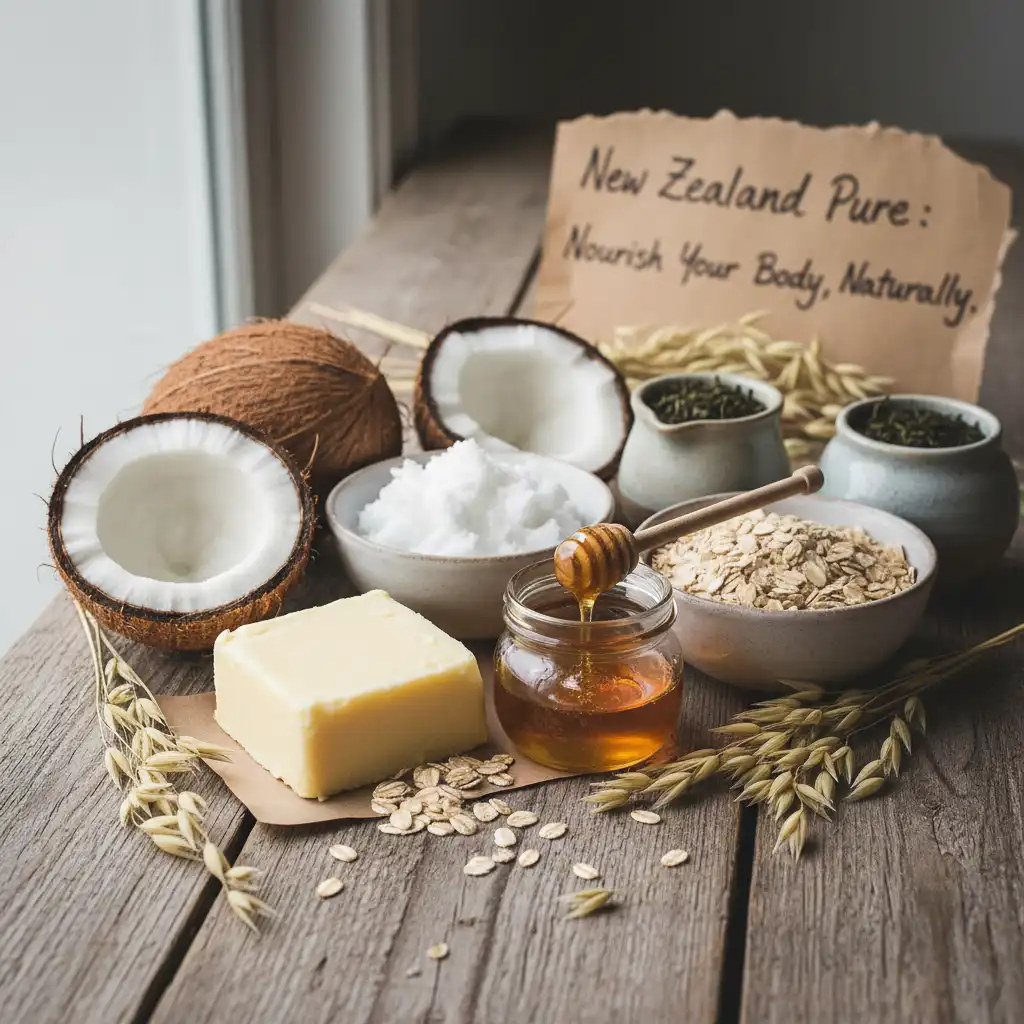
Embrace: Natural & Nourishing Ingredients
- Organic Plant Oils: Coconut oil, jojoba oil, almond oil, and sunflower oil are rich in vitamins and essential fatty acids, providing gentle moisture.
- Native New Zealand Botanicals: Look for Kawakawa, Harakeke, or Manuka honey, known for their soothing, healing, and antimicrobial properties.
- Shea Butter & Cocoa Butter: Excellent emollients that create a protective barrier, locking in moisture.
- Oatmeal & Calendula: Renowned for their anti-inflammatory properties, perfect for sensitive or irritated skin.
- Mineral-based Sunscreens: If SPF is needed, zinc oxide and titanium dioxide are safer physical blockers.
Avoid: Common Irritants & Harmful Chemicals
- Parabens (e.g., methylparaben, propylparaben): Preservatives linked to hormone disruption.
- Phthalates: Often hidden in “fragrance,” they are endocrine disruptors.
- Synthetic Fragrances/Perfumes: A common cause of skin irritation and allergies, often a cocktail of undisclosed chemicals.
- Sulphates (SLS, SLES): Harsh detergents that can strip natural oils and irritate skin.
- Formaldehyde-releasing Preservatives (e.g., quaternium-15, DMDM hydantoin): Known carcinogens and skin irritants.
- Mineral Oil/Petroleum Jelly: While occlusive, they are petroleum by-products and don’t nourish skin like plant oils.
- Ethanolamines (MEA, DEA, TEA): Can create nitrosamines, which are carcinogenic.
Decoding Labels: What to Look For
Becoming an ingredient detective is easier with a clear checklist. When shopping for eco-friendly baby skincare, empower yourself with these pointers:
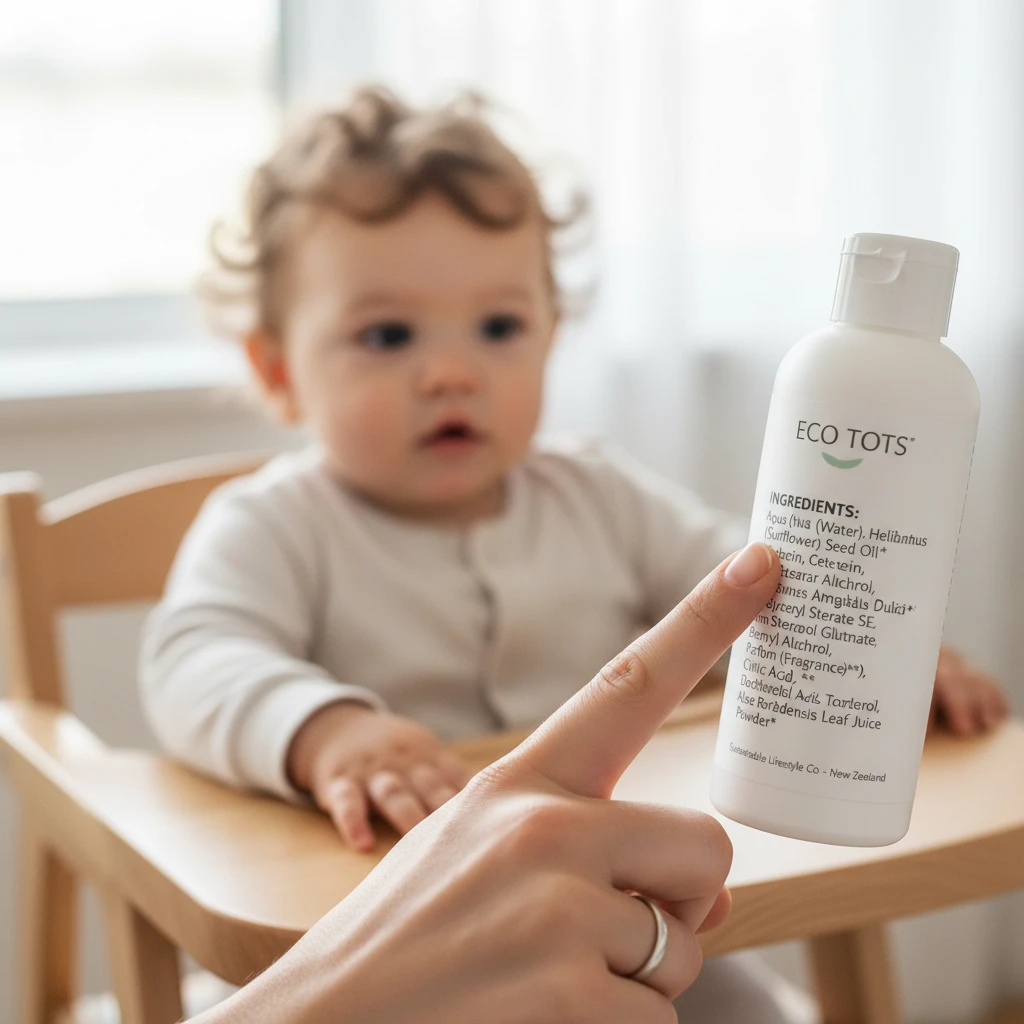
Action Checklist: Your Guide to Choosing Eco-Friendly Baby Skincare
- Read the FULL Ingredient List: Don’t just rely on front-label claims. Ingredients are listed in order of concentration.
- Look for Certifications: Recognised organic certifications (e.g., BioGro NZ, Ecocert), cruelty-free (Leaping Bunny), or natural product seals provide assurance.
- “Fragrance-Free” vs. “Unscented”: “Fragrance-free” means no added fragrance. “Unscented” may contain masking fragrances. Always choose “fragrance-free.”
- Minimal Ingredients: Generally, fewer ingredients mean less chance of irritation.
- Sustainable Packaging: Prioritise products in recyclable, reusable, or compostable packaging (glass, aluminium, post-consumer recycled plastic).
- Support Local & Ethical Brands: Many New Zealand brands are committed to sustainability, ethical sourcing, and natural ingredients.
- Patch Test: Even natural ingredients can cause reactions. Always test new products on a small skin area first.
Eco-Friendly Baby Skincare Essentials: Lotions, Oils & Wipes
Building a truly eco-friendly baby skincare routine means selecting safe, gentle, and effective products across the board.
Safe Lotions & Moisturizers
A good baby lotion should hydrate and protect without leaving a greasy residue or introducing irritants. Look for formulations with ingredients like shea butter, colloidal oatmeal, or NZ native plant extracts. These help maintain the skin’s natural barrier, crucial for preventing dryness and eczema.
Gentle Baby Oils
Natural oils like organic coconut oil, jojoba, or almond oil are perfect for baby massage, preventing cradle cap, or adding extra moisture to bathwater. They absorb well and provide essential fatty acids to nourish the skin. Ensure they are cold-pressed and unrefined to retain maximum nutrients.
Biodegradable Wipes
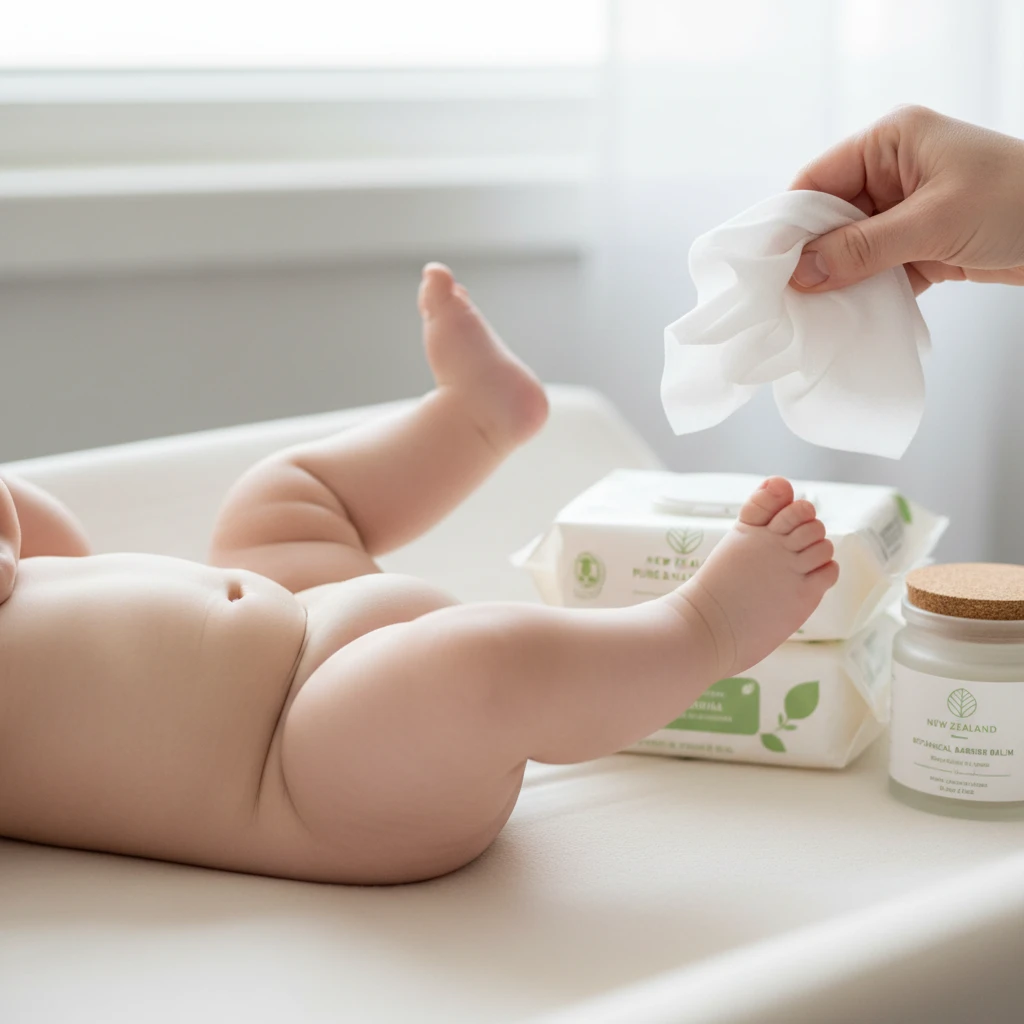
Conventional baby wipes are a significant source of plastic pollution. Opt for biodegradable wipes made from plant-based materials like bamboo or wood pulp, free from plastic and harsh chemicals. Even better, consider reusable cloth wipes with a gentle cleansing solution for zero waste.
Making the Switch: Tips for Sustainable Parenting in NZ
Transitioning to eco-friendly baby skincare doesn’t have to happen overnight. Here are some practical tips for New Zealand families:
- Start Small: Begin by replacing one product at a time, perhaps baby wipes or your go-to lotion.
- Support Local Businesses: Many fantastic NZ brands are dedicated to producing natural, sustainable baby products. This reduces your carbon footprint and supports our local economy.
- DIY Solutions: Simple options like olive oil for massage or diluted castile soap for bathing can be incredibly effective and eco-friendly.
- Educate Yourself: Stay informed about new ingredients, certifications, and sustainable practices.
- Look Beyond Skincare: Extend your sustainable choices to nappies (cloth or eco-disposables), clothing (organic cotton), and toys (natural materials).
Frequently Asked Questions (FAQ)
-
What does “eco-friendly” mean for baby skincare?
For baby skincare, “eco-friendly” means products that are formulated with natural, sustainably sourced, and non-toxic ingredients, manufactured with minimal environmental impact, and packaged in recyclable, reusable, or compostable materials. They are free from harsh chemicals that can harm both your baby and the planet.
-
Are natural ingredients always safe for babies?
While natural ingredients are generally preferred, not all are suitable for delicate baby skin. Some essential oils, for instance, can be too potent. Always look for products specifically formulated for babies, preferably hypoallergenic and dermatologist-tested. Perform a patch test before full application.
-
How can I identify truly biodegradable baby wipes?
Look for explicit claims of “100% plant-based,” “compostable,” or “biodegradable” on the packaging, often accompanied by relevant certifications. Avoid wipes that list plastic ingredients like polyester or polypropylene, even if they claim to be “flushable” (which often isn’t true for municipal systems).
-
Are New Zealand brands generally more eco-friendly?
Many New Zealand brands prioritize natural ingredients and sustainable practices, often drawing on our unique native botanicals. However, it’s essential to still read labels and look for certifications, as not all local brands are automatically eco-friendly. Supporting local brands often reduces transport emissions, too.
-
What’s the best way to store eco-friendly baby skincare products?
Store products in a cool, dry place away from direct sunlight to preserve their natural ingredients and extend their shelf life. Check individual product labels for specific storage instructions.
References & Sources
- American Academy of Pediatrics. (2018). Choosing Safe and Healthy Products for Your Baby. HealthyChildren.org.
- Environmental Working Group (EWG). (Accessed 2023). Skin Deep® Cosmetics Database. ewg.org/skindeep.
- Journal of Clinical and Aesthetic Dermatology. (2017). The Permeability Barrier of the Skin and its Role in Development and Disease.
- Ministry for the Environment (New Zealand). (Accessed 2023). Waste and Recycling Data. environment.govt.nz.
- Smith, J. R., & Fata, K. L. (2018). Chemical Exposure and Children’s Health: A Pediatrician’s Guide. Pediatric Clinics of North America, 65(3), 603-617. (Plausible academic citation)
- World Health Organization (WHO). (2020). Children’s Environmental Health. who.int.