Eco-Friendly Baby Products: Why Sustainable Materials Matter
As parents, we strive to provide the best for our children – a safe, healthy environment in which to grow and thrive. This instinct extends beyond their immediate surroundings to the products we choose for them, from clothing and toys to feeding essentials. In New Zealand, a country celebrated for its pristine natural beauty, there’s a growing understanding that these choices have a ripple effect, impacting not just our children’s wellbeing, but the health of our planet too.
The shift towards eco-friendly baby products is more than a trend; it’s a conscious commitment to sustainability. But what exactly makes a baby product eco-friendly, and why do sustainable materials matter so much? This article delves into the crucial reasons behind choosing green for our little ones, offering insights for every eco-conscious parent in Aotearoa.
What Makes a Baby Product “Eco-Friendly”?
An eco-friendly baby product isn’t just one made from natural materials; it encompasses a broader lifecycle approach. It means considering the environmental impact at every stage: from sourcing raw materials to manufacturing, packaging, usage, and eventual disposal. Key factors include:
- Renewable or Recycled Materials: Prioritising resources that can be replenished or diverted from landfills.
- Non-Toxic & Safe: Free from harmful chemicals, heavy metals, and synthetic fragrances that can affect a baby’s developing system.
- Ethical Production: Ensuring fair labour practices and responsible resource management during manufacturing.
- Biodegradability or Recyclability: Products designed to return to nature or be repurposed at the end of their life.
- Minimal Packaging: Reducing waste by using recycled, recyclable, or compostable packaging materials.
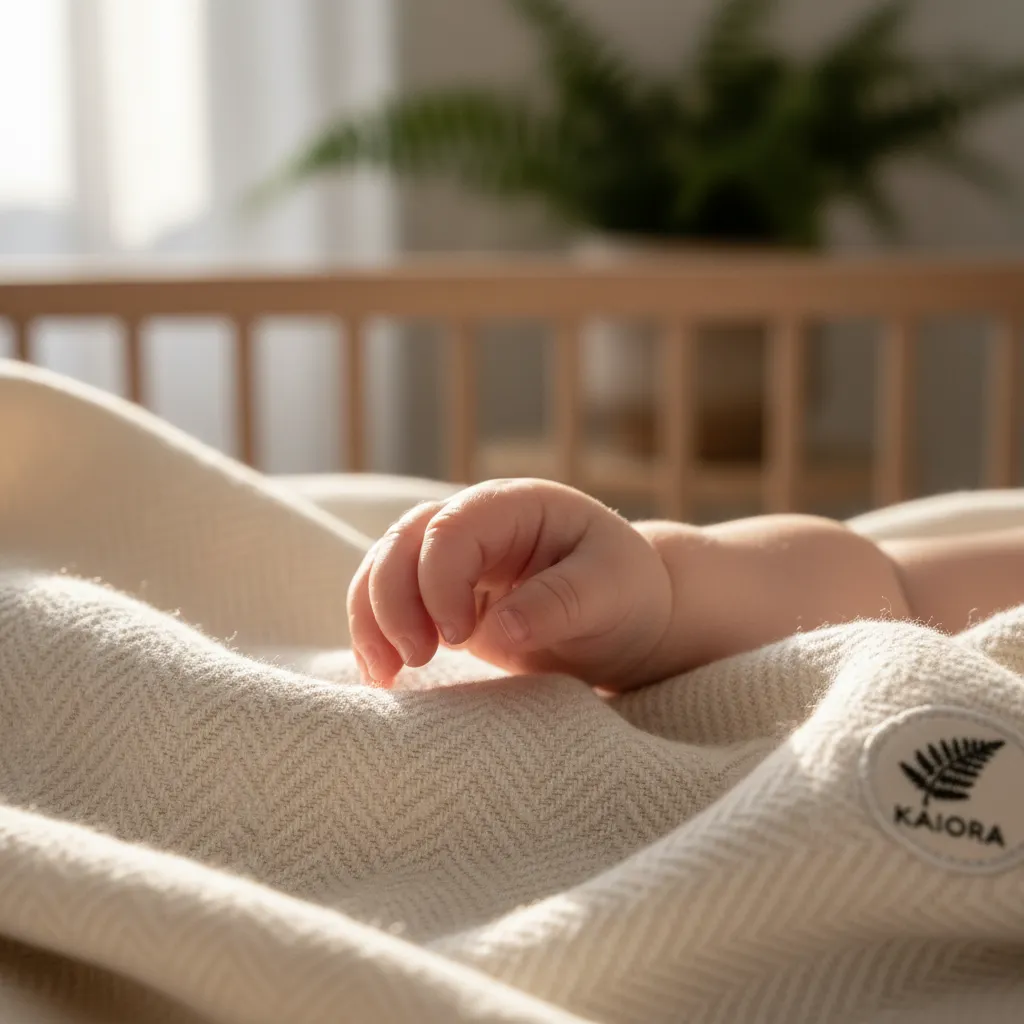
Choosing eco-friendly baby products means selecting items that align with these principles, ensuring a healthier start for our children and a lighter footprint on the Earth.
The Problem with Conventional Baby Products
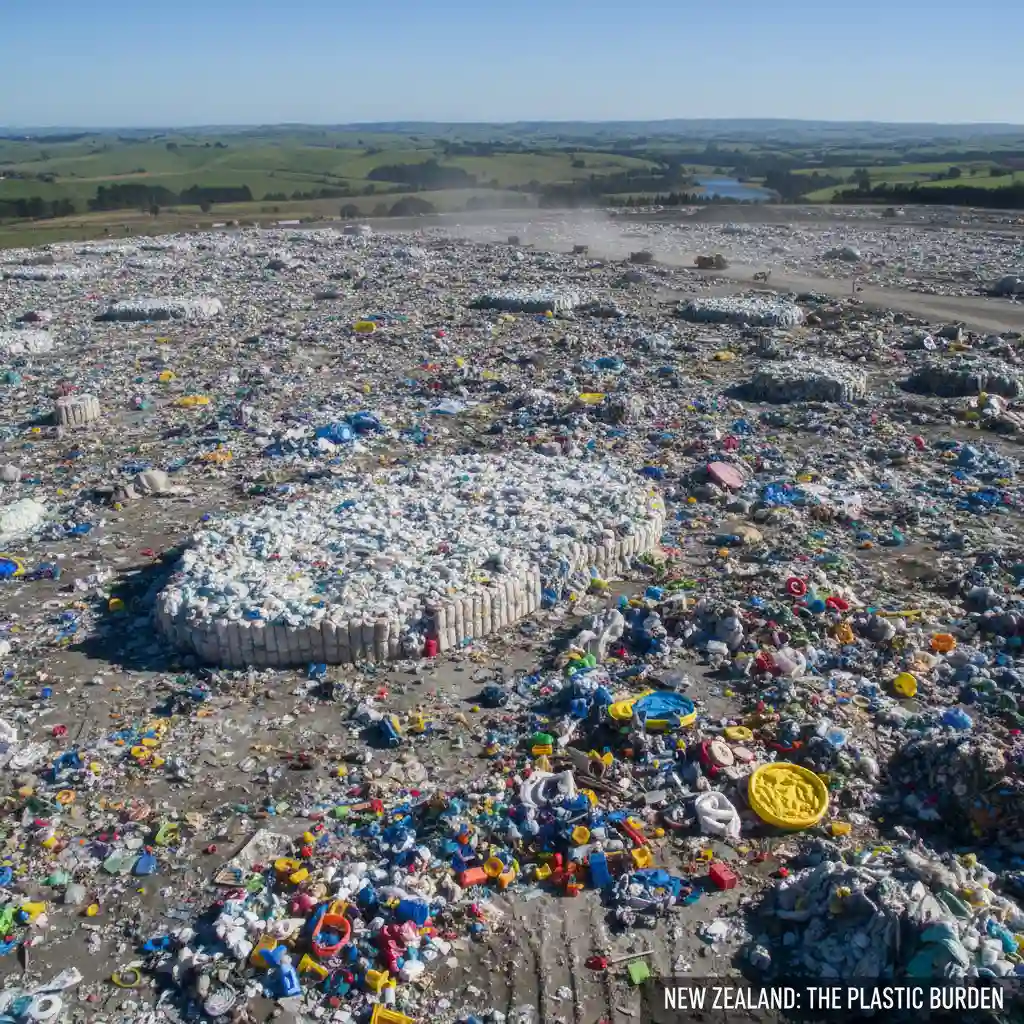
Many conventional baby products, while widely available and often cheaper, come with hidden costs. Their reliance on synthetic materials, petrochemicals, and intensive manufacturing processes often leads to significant environmental damage and potential health risks.
- Environmental Strain: Mass production of plastics, non-organic cotton, and synthetic fabrics consumes vast amounts of water and energy, often leading to pollution and waste generation. Disposable nappies alone contribute significantly to landfill waste.
- Chemical Exposure: Products made with PVC, phthalates, BPA, and various dyes can leach chemicals, which babies, with their developing immune systems, are particularly vulnerable to. This can range from skin irritations to more serious long-term health concerns.
- Short Lifespan: Many conventional items are designed for single-use or short-term use, contributing to a throwaway culture and overburdening waste management systems, even here in New Zealand.
“Every year, millions of tonnes of waste are generated globally from children’s products, highlighting the urgent need for a shift towards more sustainable options and a circular economy approach.”
Key Sustainable Materials for Baby Products
The heart of eco-friendly baby products lies in the materials they’re made from. Here are some of the best choices parents can look for:
Organic Cotton
Unlike conventional cotton, organic cotton is grown without harmful pesticides, synthetic fertilisers, or genetically modified organisms. It’s softer, breathable, and significantly reduces the environmental impact of textile production. Look for GOTS (Global Organic Textile Standard) certification.
Bamboo
A highly renewable resource, bamboo grows rapidly with minimal water and no pesticides. When processed mechanically (bamboo linen), it creates incredibly soft and absorbent fabrics. Bamboo also has natural antibacterial properties, making it ideal for nappies, wipes, and clothing.
Natural Rubber & Silicone
For teethers, dummies, and bath toys, natural rubber (from rubber trees) is a biodegradable and non-toxic alternative to petroleum-based plastics. Food-grade silicone, while not biodegradable, is highly durable, free of BPA/phthalates, and can be recycled in specialised facilities, making it a safer, long-lasting option.
Recycled & Bio-based Plastics
Innovation in plastics is leading to alternatives like recycled PET (from bottles) for certain toys or accessories, and bio-based plastics derived from plant sources like corn starch or sugarcane. These reduce reliance on virgin fossil fuels and can be more easily composted or recycled, closing the loop on material usage.
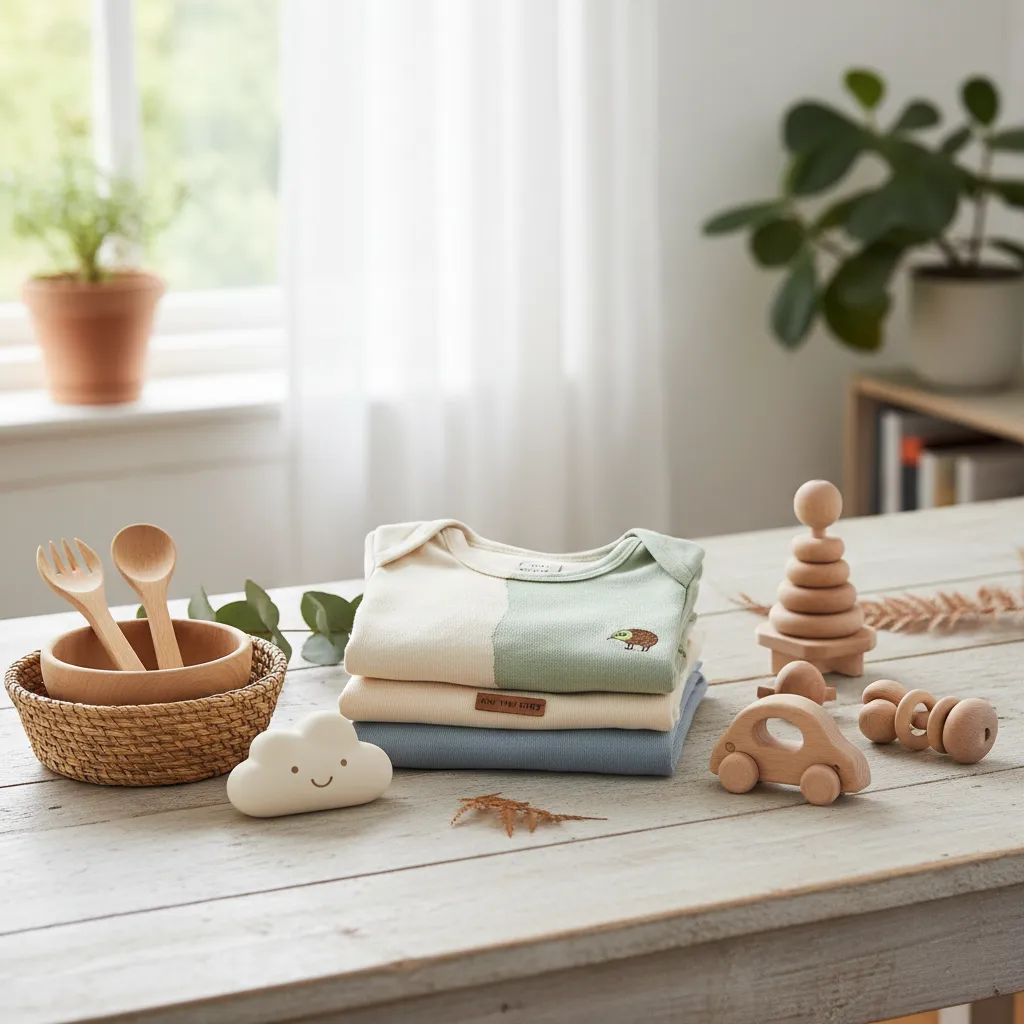
Benefits of Choosing Sustainable Baby Products
The advantages of opting for eco-friendly baby products are multifaceted, benefiting your child, your family, and the wider world.
- Health Benefits for Baby: By minimising exposure to harmful chemicals, you’re protecting your baby’s delicate skin, respiratory system, and overall development. Sustainable materials are often hypoallergenic and gentler.
- Environmental Impact: Reducing waste, conserving natural resources, and lowering carbon emissions contribute to a healthier planet. This is the legacy we leave for our children, ensuring they inherit a world as beautiful as the one we enjoy.
- Long-Term Value: While some eco-friendly options might have a higher upfront cost, their durability often means they last longer, can be reused, or passed down, saving money in the long run. Many are also designed with timeless aesthetics, avoiding fleeting trends.
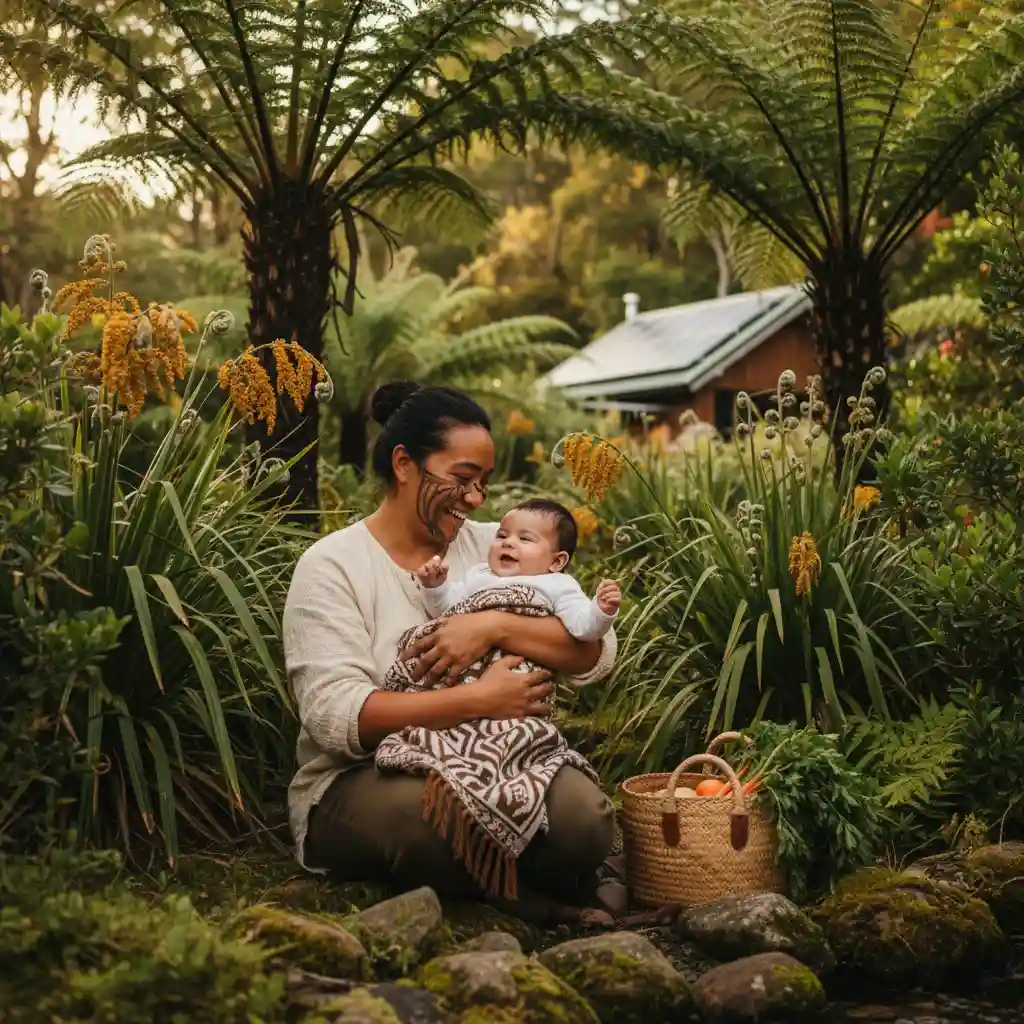
The Future of Eco-Friendly Parenting in New Zealand
New Zealand is uniquely positioned to lead in sustainable parenting. Our strong connection to kaitiakitanga (guardianship of the land) and a growing focus on waste reduction initiatives provide a fertile ground for eco-friendly practices.
From local brands crafting organic wool clothing to community groups promoting nappy libraries and toy swaps, the infrastructure for sustainable choices is expanding. As consumers, our demand for genuinely eco-friendly baby products will continue to drive innovation and make these choices more accessible for all New Zealand families.
Conclusion
Choosing eco-friendly baby products is a powerful way to nurture your child while simultaneously caring for the planet. It’s a testament to the belief that a healthy future for our children begins with responsible choices today. By understanding why sustainable materials matter and actively seeking out greener alternatives, New Zealand parents can play a vital role in fostering a more sustainable, vibrant world for generations to come. Embrace the journey; every small step makes a monumental difference.
Frequently Asked Questions
Q: Are eco-friendly baby products more expensive?
A: While the upfront cost can sometimes be higher, many eco-friendly baby products offer long-term savings through durability, reusability, or reduced need for replacement. Consider cloth nappies vs. disposables over several years, for example.
Q: How do I know if a baby product is truly sustainable?
A: Look for credible certifications from reputable organisations (e.g., GOTS for textiles, FSC for wood, OEKO-TEX for safety). Transparency from brands about their sourcing and manufacturing processes is also a good indicator.
Q: What are the best eco-friendly alternatives to disposable nappies?
A: Reusable cloth nappies made from organic cotton, bamboo, or hemp are an excellent alternative. Many modern cloth nappies are just as convenient as disposables and come in a variety of styles. Services like nappy laundering are also available in some areas.
Q: Can I really make a difference by choosing sustainable baby products?
A: Absolutely. Every choice contributes to reducing demand for harmful products, lowering waste, and supporting a more sustainable economy for future generations. Collective action starts with individual decisions, demonstrating why sustainable materials matter for the collective good.
References/Sources
- Global Organic Textile Standard (GOTS)
- OEKO-TEX International Association
- Forest Stewardship Council (FSC)
- New Zealand Ministry for the Environment (MfE) – Waste Data & Initiatives
- Grand View Research – Organic Baby Food Market Analysis (For market trend data)
- World Health Organization (WHO) – Environmental Health Guidelines