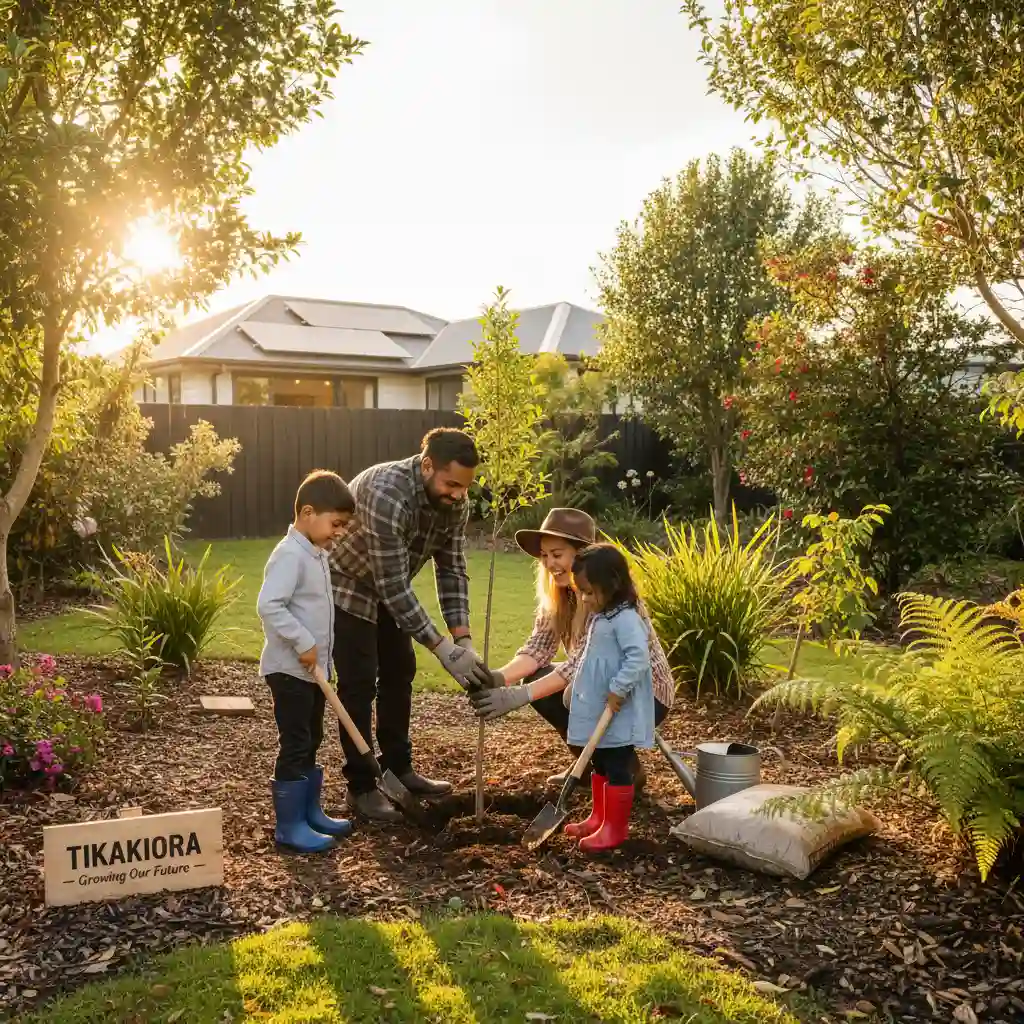
Eco-Friendly Baby Feeding: Bottles, Utensils & Organic Food
As new parents in Aotearoa, the journey of raising a child is filled with joy, wonder, and countless decisions. Among these, choosing how to nourish your little one is paramount. Beyond nutrition, many modern families are seeking ways to align their parenting choices with sustainable values. This guide explores the world of eco-friendly baby feeding, focusing on bottles, utensils, and organic food options that are better for your baby, your whānau, and our beautiful planet.
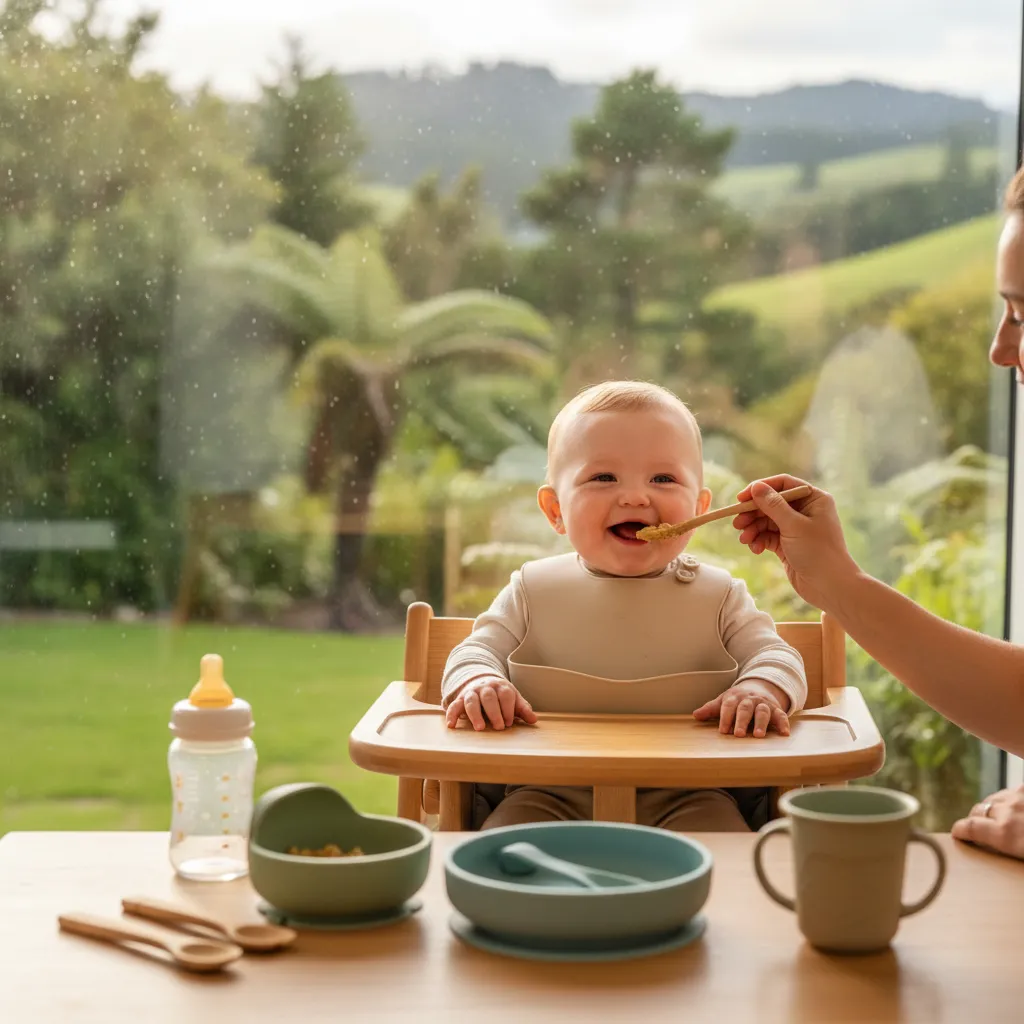
Table of Contents
Why Choose Eco-Friendly Baby Feeding?
The decision to opt for eco-friendly baby feeding extends beyond a mere trend; it’s a conscious commitment to your child’s well-being and the planet they will inherit. It’s about making informed choices that minimise harm and maximise benefits.
Environmental Impact
Traditional baby feeding products, particularly plastic bottles and disposable pouches, contribute significantly to landfill waste. By choosing reusable and biodegradable options, you’re actively reducing your family’s carbon footprint. Consider this: over 8 million tonnes of plastic enter our oceans each year, a large portion of which are single-use items. Every eco-conscious choice helps.
Health Benefits for Your Baby
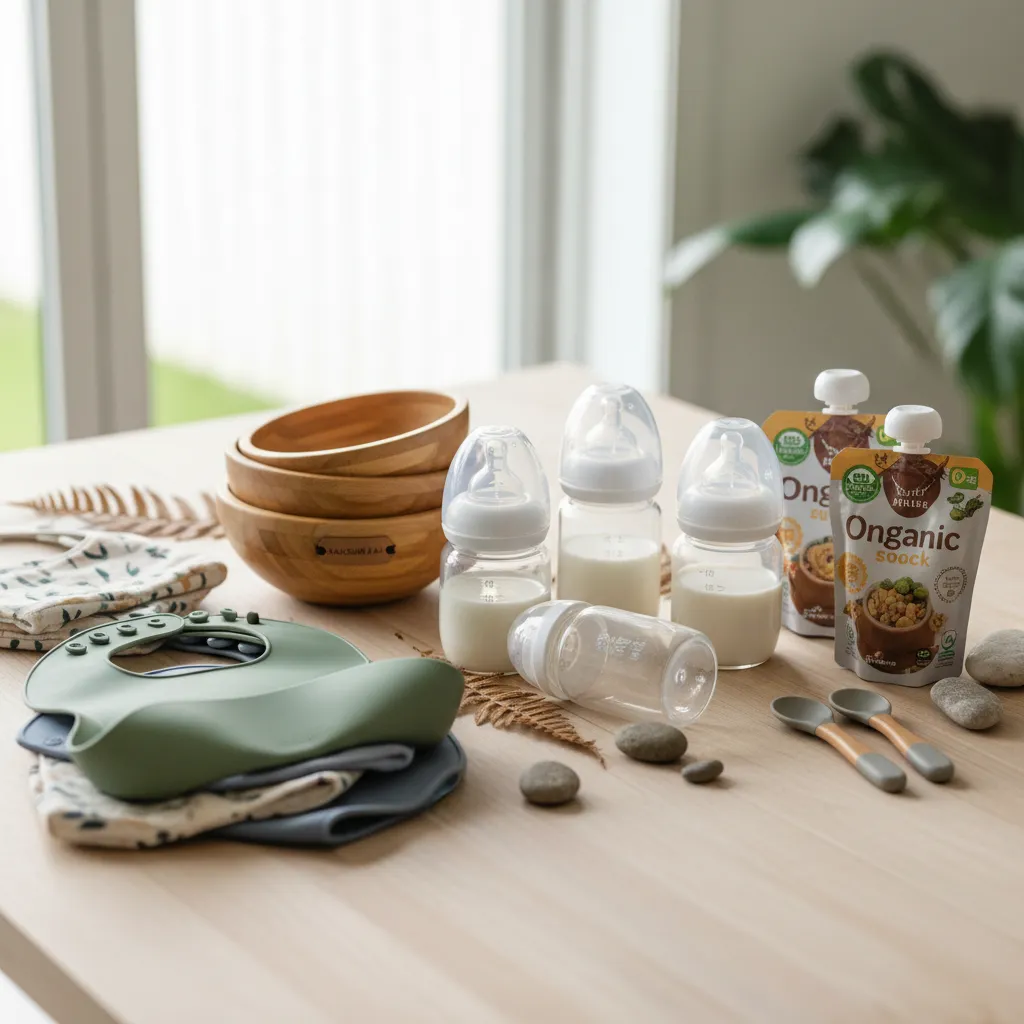
Many conventional plastics contain chemicals like BPA, phthalates, and PVC, which have been linked to potential health concerns. Choosing materials like glass, medical-grade silicone, and stainless steel ensures your baby’s food and milk aren’t exposed to these substances. Organic foods further reduce exposure to pesticides and synthetic additives, promoting purer nutrition.
Long-Term Savings and Durability
While the initial investment in high-quality eco-friendly products might seem higher, their durability often translates to significant savings over time. Glass bottles, for example, can last through multiple children and are easily sterilised. Reusable feeding implements reduce the need for constant replacements, making them a more economical and sustainable choice.
Eco-Friendly Baby Bottles: A Closer Look
Baby bottles are a cornerstone of infant feeding, and selecting the right material is crucial for both sustainability and safety.
Material Matters: Glass, Silicone, Stainless Steel
When exploring eco-friendly baby feeding bottles, you’ll primarily encounter three superior materials:
| Feature | Glass Bottles | Silicone Bottles | Stainless Steel Bottles |
|---|---|---|---|
| Safety | Naturally BPA/phthalate-free, non-leaching. | Medical-grade, non-toxic, soft & squeezable. | Naturally BPA/phthalate-free, highly durable. |
| Durability | Highly durable if not dropped; can chip/break. | Very durable, unbreakable, flexible. | Extremely durable, lightweight, dent-resistant. |
| Cleaning | Easy to clean, sterilise, doesn’t retain odours/tastes. | Easy to clean, can retain some oils over time. | Easy to clean, doesn’t retain odours/tastes. |
| Sustainability | Infinitely recyclable, long lifespan. | Long lifespan, can be recycled in some facilities. | Infinitely recyclable, exceptionally long lifespan. |
| Transparency | Clear, easy to see contents. | Often opaque or translucent. | Opaque. |
“Choosing the right material for baby bottles is a key step towards minimising plastic exposure and supporting a more circular economy.”
Nipple Choices and Care
Beyond the bottle itself, consider the nipples. Most eco-friendly brands offer nipples made from natural rubber (latex) or medical-grade silicone. Silicone is generally preferred for its durability and hypoallergenic properties. Ensure regular cleaning and sterilisation, and replace nipples as recommended by the manufacturer or at the first sign of wear.
Sustainable Utensils and Dinnerware
As your baby transitions to solids, the choice of feeding utensils and dinnerware becomes important. Again, moving away from plastic is a key step in eco-friendly baby feeding.
Bamboo, Silicone, and Stainless Steel Options
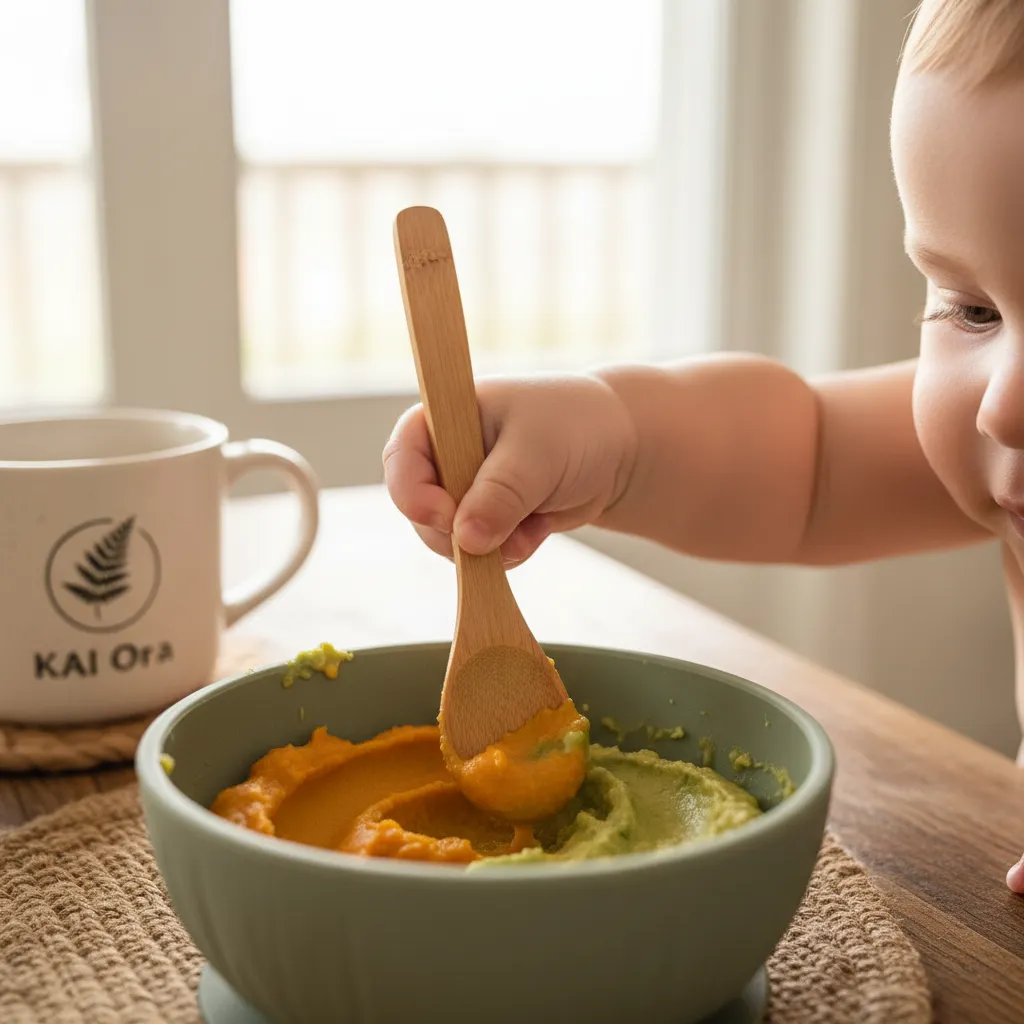
- Bamboo: Naturally antibacterial, biodegradable, and lightweight. Bamboo plates, bowls, and cutlery are excellent for toddlers learning to self-feed. Look for sustainably sourced bamboo products that are free from melamine binders.
- Silicone: Food-grade silicone is incredibly durable, flexible, and virtually indestructible. It’s perfect for bibs, suction bowls, and soft-tip spoons that are gentle on gums.
- Stainless Steel: Like bottles, stainless steel plates and bowls are robust, easy to clean, and don’t leach chemicals. They are ideal for older toddlers and children.
Avoiding Plastics: A Healthier Choice
While some plastics are labelled ‘BPA-free,’ concerns remain about other chemicals used as plasticisers. By opting for natural and inert materials, you safeguard your baby from potential chemical exposure, especially when food is heated or stored.
Embracing Organic and Wholesome Baby Food
Beyond the feeding tools, the food itself offers immense opportunities for sustainable choices. Organic food is a vital component of a truly eco-friendly baby feeding strategy.
The Benefits of Organic
- Reduced Pesticide Exposure: Organic farming strictly limits synthetic pesticides, herbicides, and fertilisers, leading to fewer residues in your baby’s food.
- Environmental Health: Organic practices support biodiversity, soil health, and reduce water pollution.
- Nutrient Density: Some studies suggest organic produce may contain higher levels of certain vitamins and minerals, though more research is ongoing.
Making Your Own Baby Food
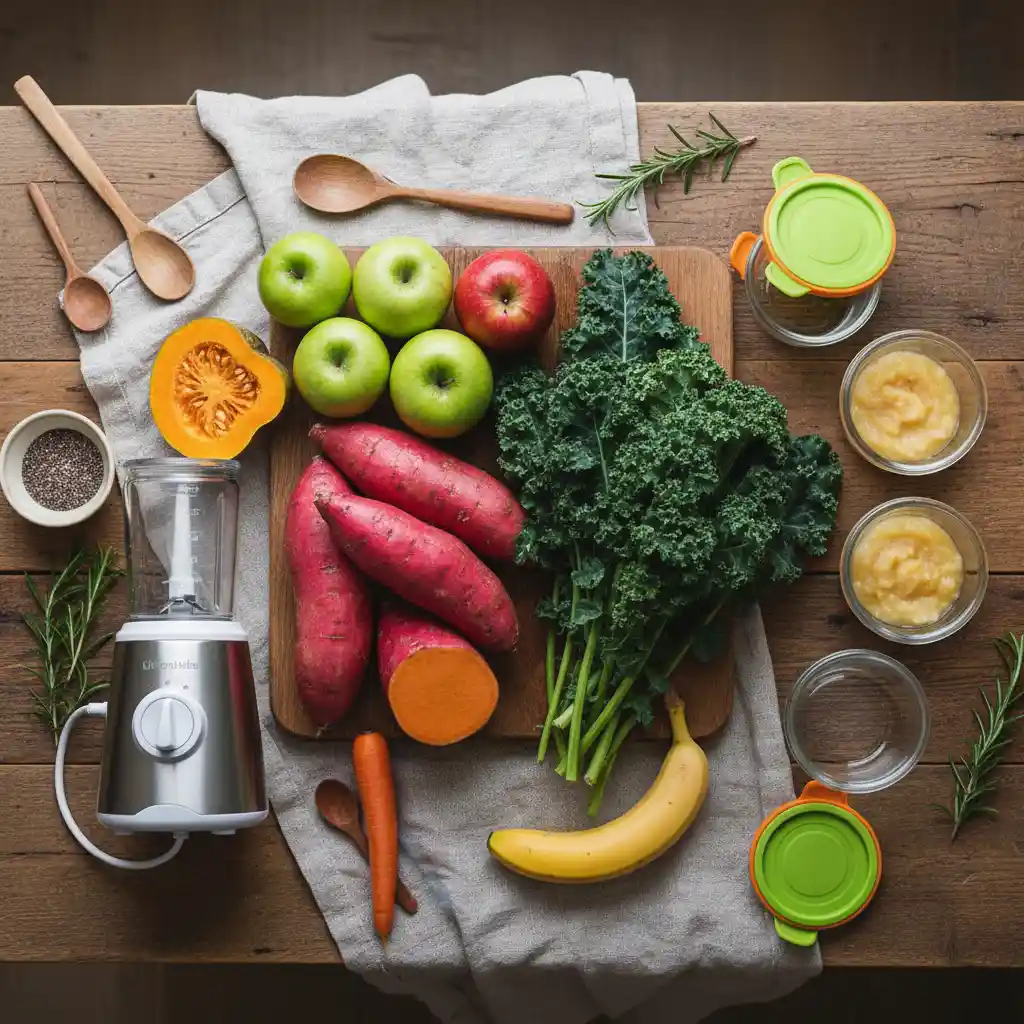
One of the most sustainable and cost-effective ways to feed your baby is to make your own food. This allows you to control ingredients, reduce packaging waste, and adapt meals to your baby’s preferences. It’s simpler than you think – a blender or food processor and fresh, seasonal produce are all you need.
Sustainable Sourcing in New Zealand
New Zealand offers incredible opportunities for sustainable food sourcing. Look for:
- Local Produce: Support local farmers’ markets and growers to reduce food miles and carbon emissions.
- Seasonal Fruits & Vegetables: Fresh, in-season produce often tastes better and requires less energy to produce and transport.
- Organic Certifications: When buying pre-packaged foods, look for reputable organic certifications.
Practical Tips for a Greener Feeding Routine
Integrating eco-friendly practices into your daily baby feeding routine doesn’t have to be overwhelming. Small changes can make a big difference.
Cleaning and Sterilisation
Eco-friendly bottles and utensils are typically easy to clean. Use natural, unscented dish soap and hot water. For sterilisation, boiling or steam sterilisation are effective methods that avoid harsh chemicals. Ensure proper drying to prevent mould growth.
Reducing Waste (Reusables, Composting)
Embrace reusables wherever possible. Instead of disposable food pouches, use refillable silicone ones. Compost food scraps and soiled paper products. If you use disposable items for convenience, choose those made from compostable or recyclable materials.
Choosing Brands with Purpose
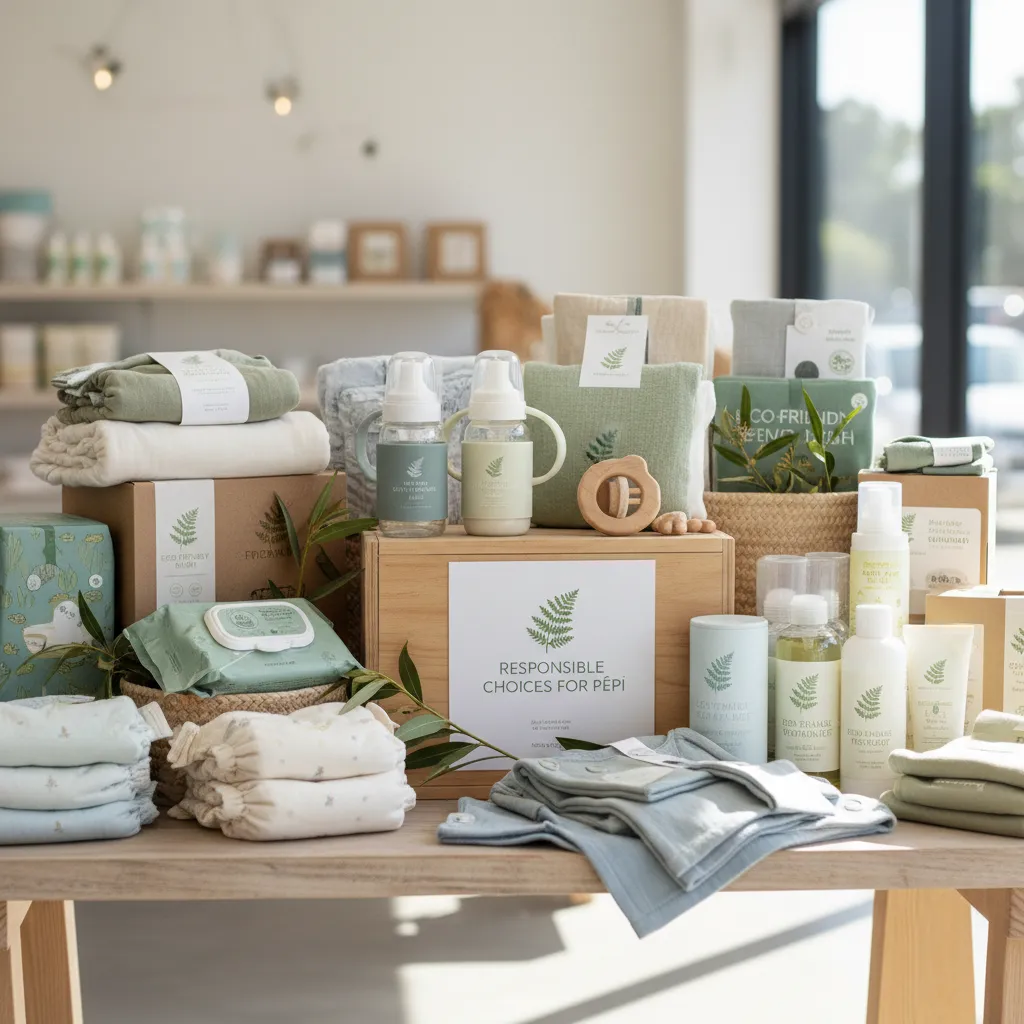
Support companies committed to sustainability. Many New Zealand and international brands are transparent about their manufacturing processes, material sourcing, and environmental initiatives. Look for certifications and read reviews to ensure alignment with your values.
Frequently Asked Questions
Q: Are glass baby bottles safe if they can break?
A: Glass bottles are very safe, made from tempered glass designed to be durable. While they can break if dropped, many come with silicone sleeves for added protection and grip. They are free from harmful chemicals and easy to sterilise.
Q: How do I properly sterilise eco-friendly utensils?
A: Most eco-friendly utensils (silicone, stainless steel) can be sterilised by boiling in hot water for a few minutes or using a steam steriliser. For bamboo, hand washing with warm soapy water and thorough drying is usually sufficient, as prolonged soaking or high heat can damage the natural material.
Q: Is organic baby food really worth the extra cost?
A: Many parents feel the benefits of reduced pesticide exposure and supporting sustainable farming practices justify the cost. If budget is a concern, prioritising ‘the dirty dozen’ (fruits and vegetables with higher pesticide residues) as organic, and making your own baby food from local, seasonal produce can be a great compromise.
Q: What’s the best way to store homemade baby food?
A: Store homemade baby food in small, airtight glass containers or silicone freezer trays. Once frozen, transfer cubes to a larger freezer-safe bag or container. This minimises waste and ensures freshness. It can typically be stored in the fridge for 2-3 days and in the freezer for up to 3 months.
References/Sources
- New Zealand Ministry for the Environment – Waste & Recycling Data. mfe.govt.nz/waste/waste-data-and-modelling
- Environmental Working Group (EWG) – Dirty Dozen & Clean Fifteen Shopper’s Guide. ewg.org/foodnews/dirty-dozen.php
- Plastics and Health: The Global Burden of Disease. ncbi.nlm.nih.gov/pmc/articles/PMC8174488/ (Example of a scientific review on plastics)
- Organic Aotearoa New Zealand (OANZ) – Benefits of Organic. oanz.org.nz/what-is-organic/benefits-of-organic/
- UN Environment Programme – Marine plastic pollution. unep.org/interactive/beat-plastic-pollution/ (Statistic on ocean plastic)