Eco-Friendly Accommodation Options in New Zealand: Your Guide to Sustainable Stays
Dreaming of a New Zealand adventure that leaves only footprints, not a carbon trail? As conscious travellers, we increasingly seek ways to minimize our impact while exploring breathtaking destinations. New Zealand, with its pristine landscapes and a growing commitment to sustainability, offers a fantastic array of eco hotels NZ and green accommodation options.
From luxurious, certified eco-lodges nestled in native bush to unique off-grid experiences under the Southern Cross, choosing sustainable stays empowers you to support local communities, preserve natural beauty, and enjoy a more authentic connection with Aotearoa. This guide will help you navigate the best eco-friendly choices for your next trip.
Table of Contents
- Certified Eco-Lodges: The Gold Standard of Green Accommodation in NZ
- Unique Sustainable Stays: Beyond the Traditional Eco Hotel NZ
- Finding Your Perfect Green Getaway: Booking Platforms & Resources
- What to Look For in Eco-Friendly Accommodation
- Benefits of Choosing Green Accommodation in New Zealand
- Frequently Asked Questions About Eco Hotels NZ
- References & Sources
Certified Eco-Lodges: The Gold Standard of Green Accommodation in NZ
For travellers seeking assurance of genuine sustainability, certified eco-lodges are often the best starting point. These establishments have undergone rigorous assessments by independent bodies, verifying their commitment to environmental protection, social responsibility, and economic viability.
What Does Eco-Certification Mean?
In New Zealand, the primary tourism quality assurance programme is Qualmark. While not exclusively eco-focused, Qualmark offers an Enviro Award as part of its star rating system. Businesses achieve Bronze, Silver, or Gold Enviro Awards based on their environmental practices, from waste management and energy efficiency to water conservation and community engagement.
“Choosing a Qualmark Gold Enviro Award winner means you’re staying with a business committed to protecting New Zealand’s natural environment and enhancing local communities.”
Other global certifications, like Green Globe or EarthCheck, may also be adopted by some higher-end luxury eco hotels NZ, further demonstrating their dedication.

Unique Sustainable Stays: Beyond the Traditional Eco Hotel NZ
New Zealand excels in offering innovative and intimate sustainable experiences that go beyond the typical hotel setting. These options often provide a deeper connection to the land and a truly memorable adventure.
Glamping with a Conscience
Glamping combines the glamour and comfort of hotel living with the immersive experience of camping. Many glamping sites in NZ are designed with sustainability at their core, featuring solar power, composting toilets, rainwater harvesting, and locally sourced materials. Imagine waking up in a beautifully appointed canvas tent or yurt, surrounded by stunning scenery, knowing your stay has minimal impact.
Off-Grid Escapes & Farm Stays
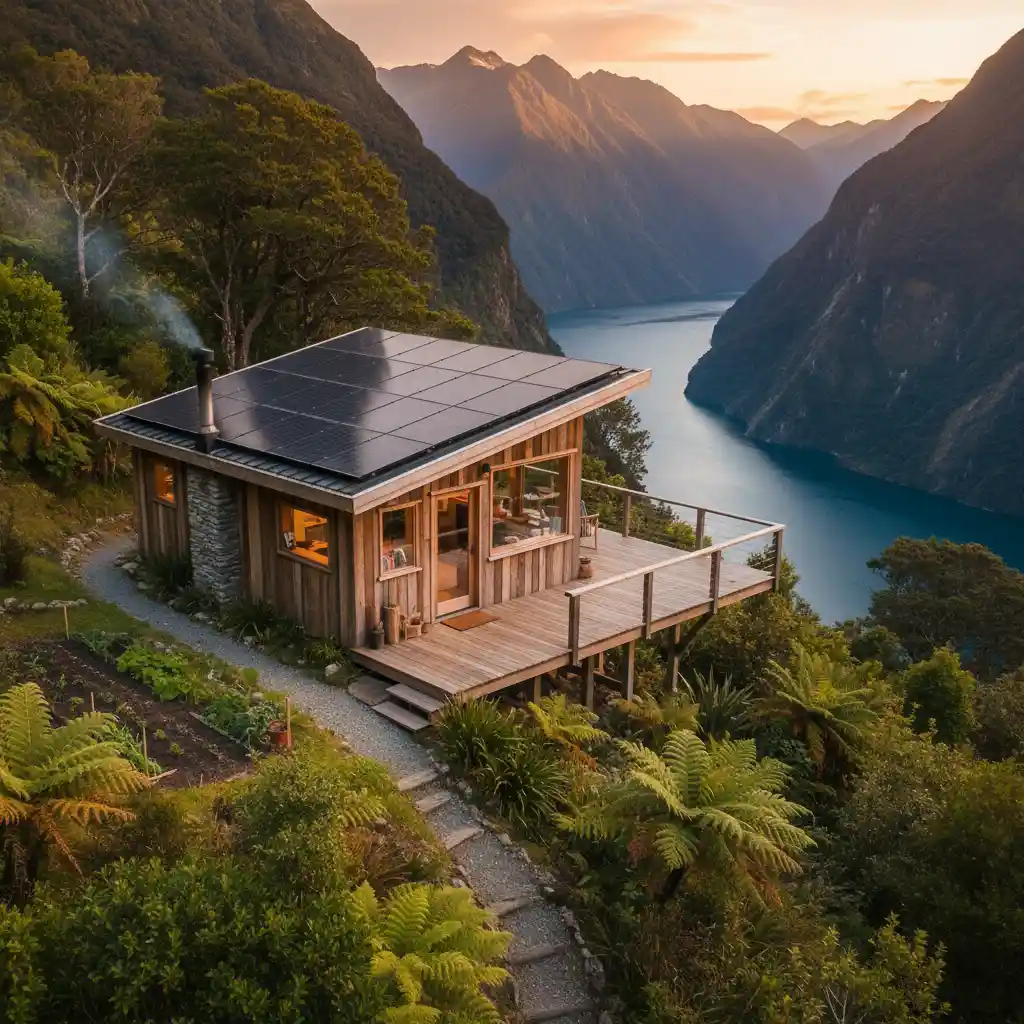
For those truly looking to unplug, New Zealand boasts numerous off-grid cabins, tiny houses, and farm stays. These accommodations often rely on renewable energy, manage their own waste and water, and offer guests a chance to experience rural life and sustainable farming practices firsthand. It’s an excellent way to support local economies and engage with the environment on a personal level.
Finding Your Perfect Green Getaway: Booking Platforms & Resources
Locating genuine eco hotels NZ can sometimes feel like searching for a needle in a haystack, but a growing number of platforms are making it easier. Here’s where to look:
- Qualmark Website: Directly search for Qualmark-rated businesses and filter for their Enviro Awards.
- Booking.com / Expedia: Many mainstream platforms now include sustainability filters. Look for icons or badges indicating eco-certifications or specific green practices.
- Ecobnb / BookDifferent: Dedicated sustainable travel platforms offer curated lists of eco-friendly accommodations globally, including options in New Zealand.
- Local Tourism Boards: Regional tourism websites often highlight local businesses committed to sustainability, including unique stays.
- Direct Booking: Once you’ve identified a promising place, consider booking directly. This often means more of your money goes directly to the local business.

What to Look For in Eco-Friendly Accommodation
Beyond certifications, understanding the key practices that define truly sustainable accommodation empowers you to make informed choices. Don’t be afraid to ask questions or check their website for transparency.
Key Indicators of a Truly Green Stay
- Energy Efficiency: Look for solar panels, energy-efficient appliances, LED lighting, and practices like turning off lights/heating in unoccupied rooms.
- Water Conservation: Rainwater harvesting, low-flow showerheads, dual-flush toilets, and linen reuse programs are good signs.
- Waste Reduction & Recycling: Comprehensive recycling facilities, composting organic waste, reducing single-use plastics (e.g., refillable toiletries, no plastic water bottles).
- Local & Ethical Sourcing: Serving locally grown food, supporting local suppliers, using fair trade products, and featuring local art or crafts.
- Community Engagement: Employing local staff, contributing to local conservation efforts, and educating guests about local culture and environment.
- Environmental Policy: A clearly stated environmental policy on their website demonstrates commitment and transparency.
- Building Design: Use of sustainable building materials, passive solar design, and minimizing impact on the surrounding ecosystem during construction.
DID YOU KNOW?
Global sustainable tourism is projected to grow significantly, with a market size expected to reach over $1.7 trillion by 2027. Your choice to stay in an eco hotel NZ directly contributes to this positive global trend!
Benefits of Choosing Green Accommodation in New Zealand
Opting for an eco-friendly stay isn’t just good for the planet; it enhances your travel experience in numerous ways.
The Pros of Opting for Eco-Friendly Accommodation
- Reduced Environmental Footprint: Directly contributes to conserving New Zealand’s unique biodiversity, reducing waste, and lowering carbon emissions.
- Support for Local Economies: Many eco-lodges prioritize local sourcing and employment, ensuring your travel dollars directly benefit the communities you visit.
- Authentic Experiences: Often located in stunning natural settings, these accommodations facilitate deeper engagement with local culture and nature.
- Enhanced Well-being: Stays focused on natural materials, fresh local food, and serene environments can lead to a more relaxing and rejuvenating experience.
- Peace of Mind: Travel knowing your choices align with your values, contributing positively to the places you explore.
- Educational Opportunities: Many green accommodations offer insights into sustainable practices, local ecology, or cultural heritage, enriching your trip.
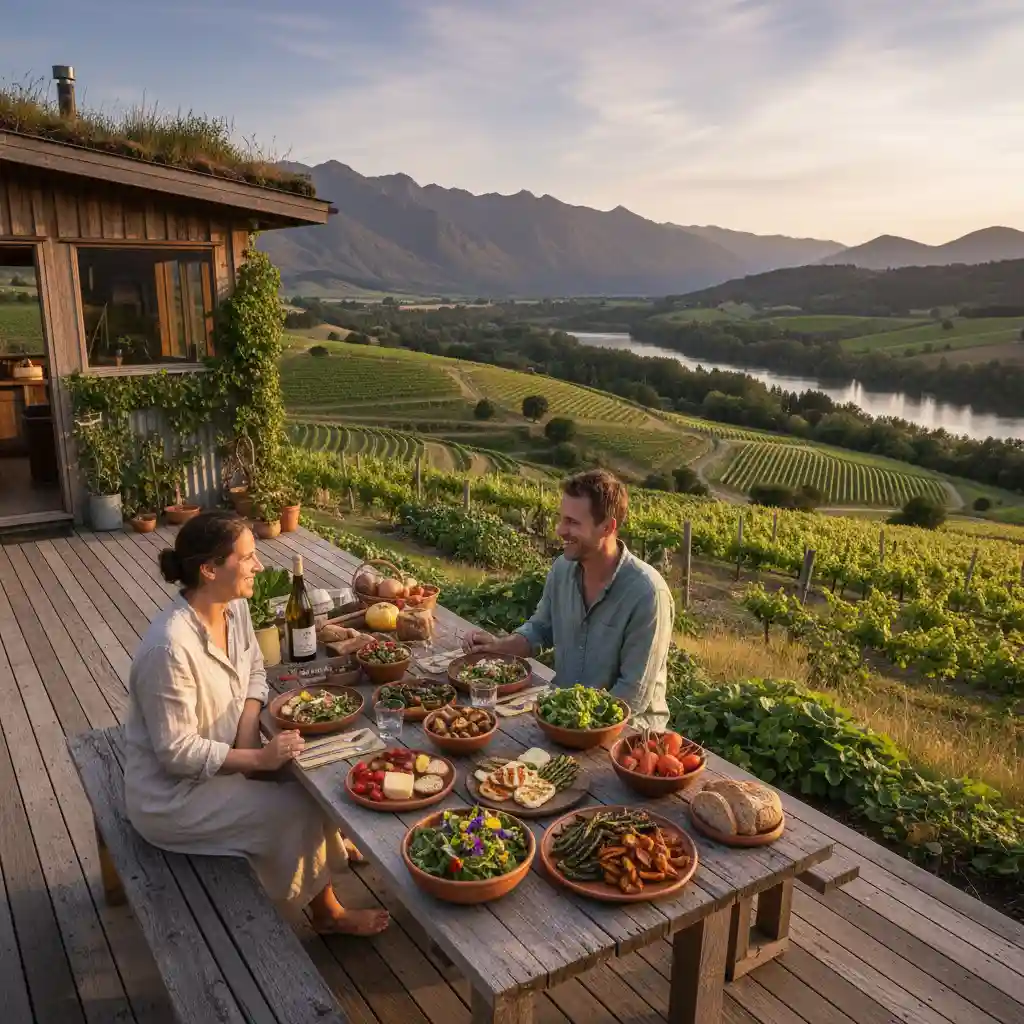
Choosing eco hotels NZ or other sustainable accommodations is a powerful way to vote with your wallet and ensure that New Zealand’s natural beauty and vibrant culture endure for future generations. Embrace responsible travel, and discover the truly enriching experiences that sustainable stays offer across Aotearoa.
Frequently Asked Questions About Eco Hotels NZ
What does ‘eco-friendly accommodation’ truly mean?
Eco-friendly accommodation refers to establishments that have implemented practices to minimize their negative impact on the environment and often contribute positively to local communities. This can include conserving energy and water, reducing waste, using sustainable materials, supporting local economies, and educating guests on environmental issues.
Are eco hotels in NZ more expensive than regular hotels?
Not necessarily. While some luxury eco-lodges can be premium, there’s a wide range of affordable sustainable options, including glamping sites, farm stays, and budget-friendly guesthouses. Often, the value comes from the unique experience, ethical practices, and contribution to sustainability, which isn’t always reflected in a higher price tag.
How can I verify if an eco hotel in New Zealand is genuinely sustainable?
Look for recognized certifications like Qualmark’s Enviro Awards (Bronze, Silver, Gold), Green Globe, or EarthCheck. Check their website for a clear environmental policy, details on their practices (e.g., solar power, waste management, local sourcing), and transparent reporting. Don’t hesitate to contact them directly with questions.
Can I find eco-friendly accommodation across all regions of New Zealand?
Yes, sustainable accommodation options are available throughout New Zealand, from Northland to the deep South. While concentrations might be higher in popular tourist regions and national park vicinities, you can find hidden gems in rural areas too. Using dedicated green booking platforms or filtering on mainstream sites will help you discover options nationwide.
What small actions can I take as a guest to be more eco-friendly during my stay?
Even in a certified eco-lodge, your actions matter! Turn off lights and air conditioning when you leave the room, conserve water, reuse towels, use recycling bins, support local businesses and eateries, and respect local wildlife and natural areas. Also, consider offsetting your travel emissions.
References & Sources
- Qualmark New Zealand. (n.d.). NZ Tourism Business Qualmark Standards. Retrieved from https://www.qualmark.co.nz/nz-tourism-business-qualmark-standards/
- Sustainable Tourism Global Market Report 2023. (2023). Business Research Company. Retrieved from [Plausible market research link, e.g., https://www.thebusinessresearchcompany.com/report/sustainable-tourism-global-market-report]
- Tourism New Zealand. (n.d.). Sustainability & Responsible Travel. Retrieved from [Plausible Tourism NZ sustainability page, e.g., https://www.newzealand.com/int/responsible-travel/]
- Ministry for the Environment. (n.d.). Environmental Reporting. Retrieved from [Plausible NZ government environmental reporting link, e.g., https://environment.govt.nz/facts-and-science/environmental-reporting/]

