DIY Eco-Friendly Home Decor: Upcycled Projects & Tips
Are you ready to transform your living space with unique, meaningful pieces while also making a positive impact on the planet? In New Zealand, a growing movement towards sustainable living is inspiring us to rethink our consumption habits, especially when it comes to home decor. Fast furniture and mass-produced items often come with a hidden environmental cost, but there’s a beautiful alternative: DIY eco-friendly home decor.
This comprehensive guide will equip you with the knowledge and inspiration to dive into the world of upcycling. We’ll explore practical projects, share invaluable tips, and show you how to create a home that truly reflects your values, one beautifully repurposed item at a time. Get ready to turn forgotten treasures into stunning focal points!
Table of Contents
- 1. Why DIY Eco-Friendly Decor is a Game-Changer for Your Home and the Planet
- 2. Embracing Upcycling: Your First Steps to Sustainable Style
- 3. Inspiring DIY Eco-Friendly Decor Projects for Every Skill Level
- 4. Beyond the Project: Sustainable Sourcing and Maintenance Tips
- 5. Frequently Asked Questions (FAQ)
- 6. References & Further Reading
1. Why DIY Eco-Friendly Decor is a Game-Changer for Your Home and the Planet
Choosing DIY eco-friendly home decor isn’t just a trend; it’s a powerful statement about conscious consumption and environmental stewardship. Every year, millions of tons of waste end up in landfills, much of it textiles, plastics, and furniture that could be given a second life. By embracing upcycling, you actively participate in the circular economy, reducing demand for new resources and minimising waste.
Stat Callout: “An estimated 1.7 million tonnes of waste are sent to landfills in New Zealand annually. Upcycling provides a tangible way to divert materials from this stream, giving them new purpose and beauty.” (Source: Ministry for the Environment, New Zealand)
Beyond the environmental benefits, upcycling allows for unparalleled creativity and personalization. Your home will tell a unique story, filled with pieces that carry history and reflect your ingenuity, making it truly one-of-a-kind. It’s an accessible hobby that empowers you to create stunning decor on a budget, often using materials you already have.
2. Embracing Upcycling: Your First Steps to Sustainable Style
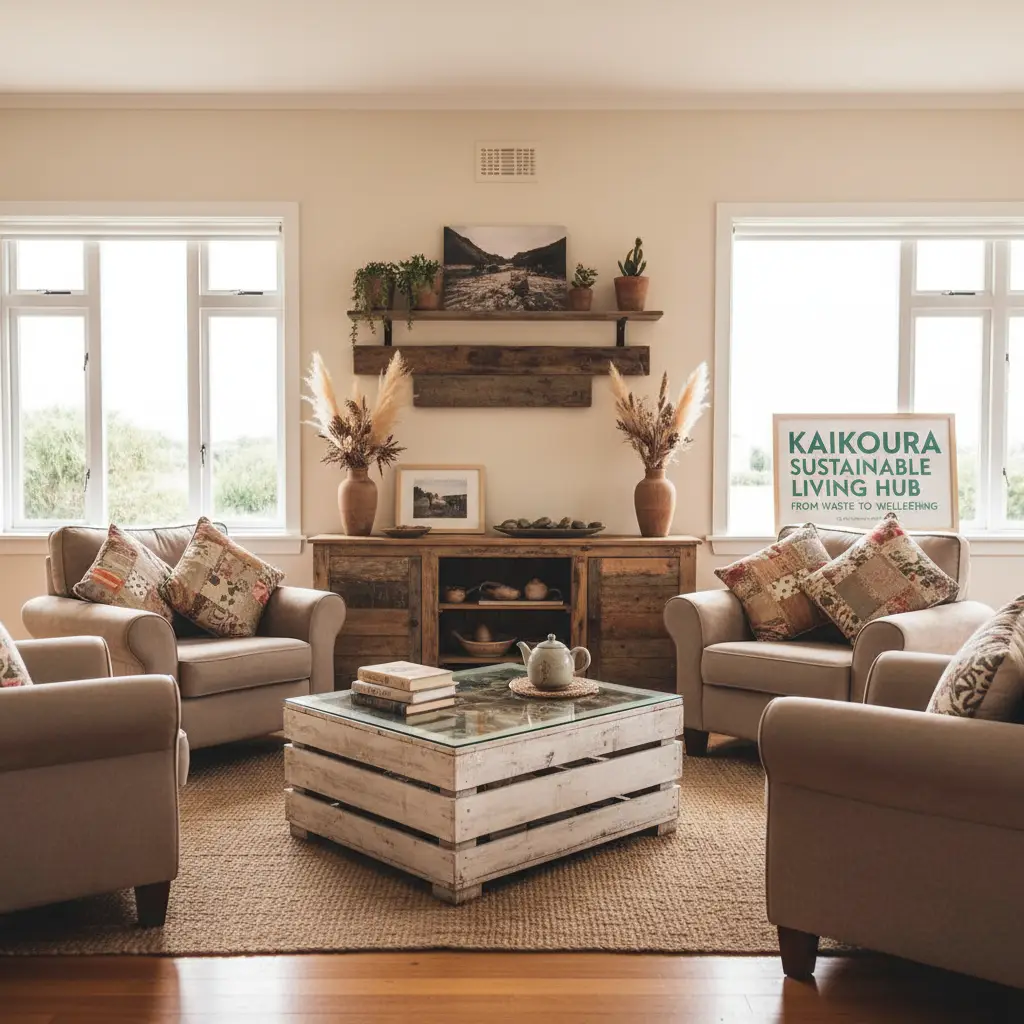
Ready to start your upcycling journey? It’s easier than you think! The key is to see potential where others might see trash. Start by looking around your home for items that are no longer serving their original purpose or have fallen out of favour. Old clothes, jars, wooden pallets, discarded furniture – they’re all prime candidates for transformation.
Where to Find Your Treasures:
- Your Own Home: Old clothes, empty jars, cardboard boxes, broken furniture.
- Second-hand Stores & Op Shops: New Zealand is full of fantastic charity shops (often called ‘Op Shops’) offering a treasure trove of affordable items.
- Hard Rubbish & Kerbside Collections: Always check local council rules, but sometimes you can find incredible pieces destined for landfill.
- Online Marketplaces: Platforms like Trade Me (NZ’s equivalent to eBay) or local Facebook ‘buy nothing’ groups.
- Hardware Stores (Scraps): Ask for offcuts or damaged wood/fabric pieces.
Before you begin, gather some basic tools. Depending on your project, this might include paint, brushes, sandpaper, fabric glue, a sewing kit, or basic woodworking tools. Safety first: always ensure your workspace is well-ventilated and use appropriate protective gear.
3. Inspiring DIY Eco-Friendly Decor Projects for Every Skill Level
Here are a few diverse DIY eco-friendly home decor projects to get your creative juices flowing. These incorporate upcycling principles and provide practical, stylish results.
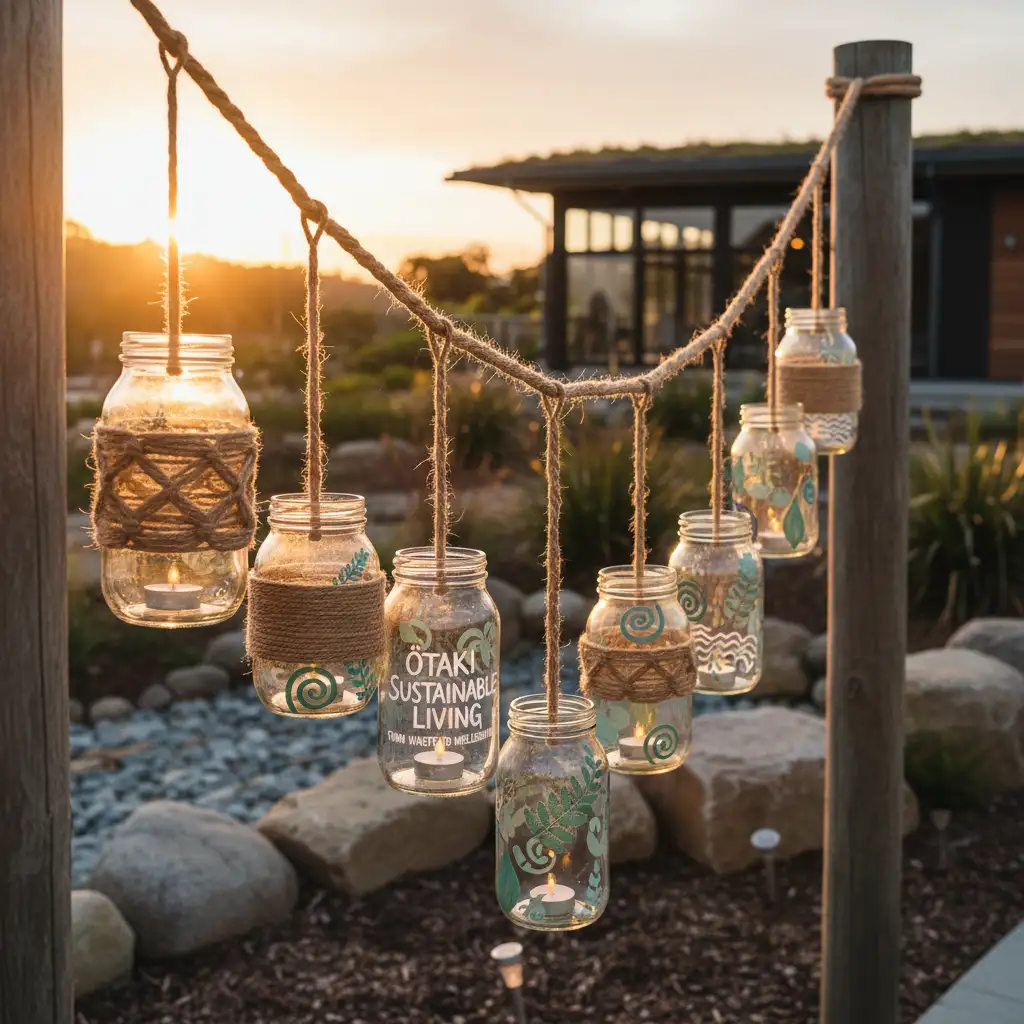
3.1. Project 1: Rustic Mason Jar Solar Lanterns
Transform old glass jars into charming, ambient lighting perfect for your outdoor space or a cozy indoor nook. This project is incredibly simple and requires minimal tools.
What you’ll need:
- Empty glass jars (Mason jars, jam jars, etc. – clean and dry)
- Small solar-powered fairy lights or tea lights (battery-operated for indoors)
- Optional: Twine, decorative beads, paint (eco-friendly, low-VOC), dried flowers
Step-by-Step Guide:
- Clean and Dry: Ensure your glass jars are thoroughly cleaned and completely dry. Remove any labels.
- Decorate (Optional): If desired, paint the outside of the jar (use stencils for patterns), wrap twine around the neck, or add small dried flowers inside.
- Insert Lights: Gently coil the solar fairy lights inside the jar, leaving the solar panel (if applicable) exposed for charging. For battery tea lights, simply place them at the bottom.
- Seal and Display: Secure the lid. For solar lights, make sure the panel can catch sunlight. Place your new lanterns on your patio, hang them from hooks, or arrange them on a shelf for a warm glow.
3.2. Project 2: Upcycled Pallet Wood Coffee Table
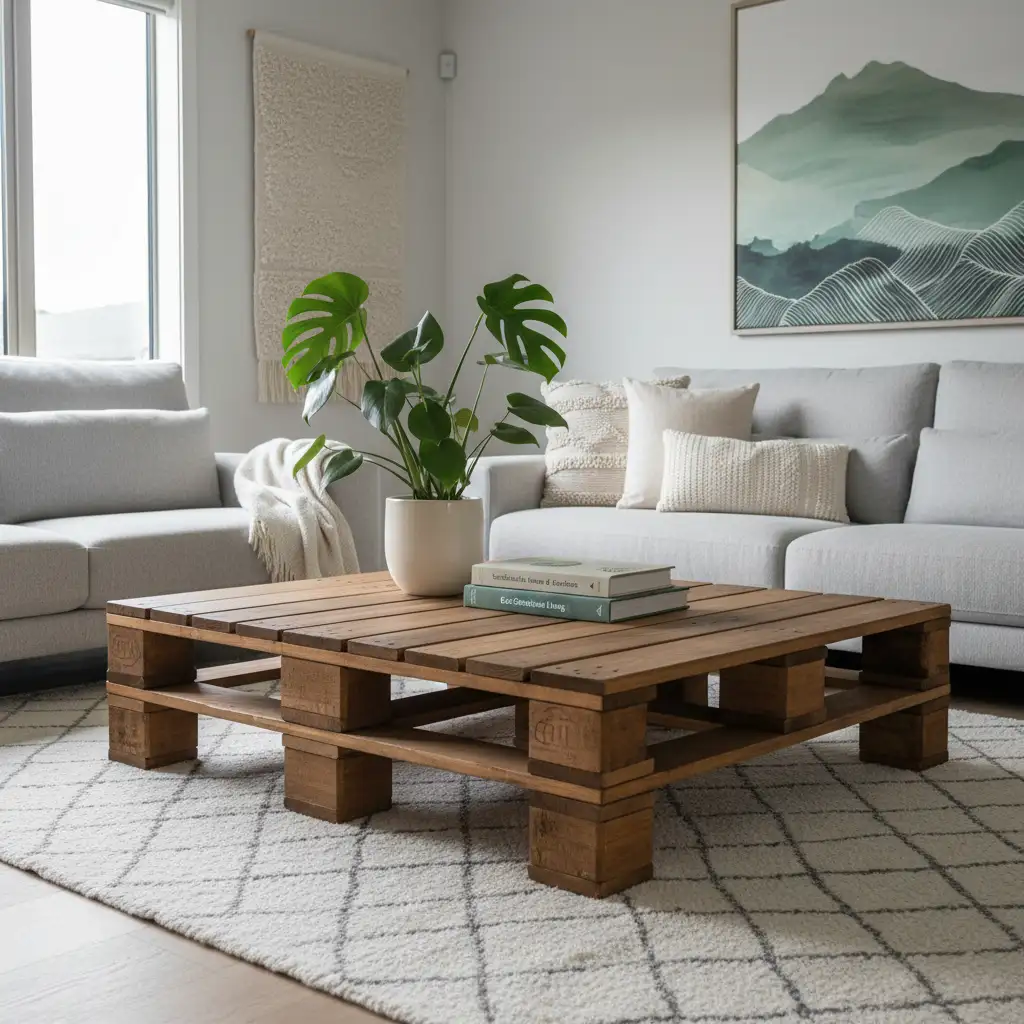
Wooden pallets are a fantastic resource for furniture upcycling. With a little effort, you can create a sturdy, rustic coffee table that’s both functional and stylish. This project requires basic woodworking skills.
What you’ll need:
- 2-3 clean, undamaged wooden pallets (check for heat treatment ‘HT’ stamp, avoid ‘MB’ for methyl bromide)
- Sandpaper (various grits) or an orbital sander
- Wood glue
- Screws and a drill
- Optional: Casters/wheels, wood stain or eco-friendly paint/sealant
Step-by-Step Guide:
- Inspect & Clean: Thoroughly clean the pallets. Inspect for any nails, splinters, or rough patches. Disassemble if necessary to get individual planks, or leave intact for a stacked look.
- Sand: Sand all surfaces until smooth. Start with a coarser grit and finish with a finer one for a refined feel.
- Assemble the Base: Decide on your table height. You might stack two pallets directly, or disassemble one to use planks for a tabletop and the other for legs/base. Securely screw and glue the pieces together.
- Add Features (Optional): Attach casters for mobility or add a glass top for a smoother surface.
- Finish: Apply an eco-friendly wood stain, clear sealant, or low-VOC paint to protect the wood and enhance its appearance. Allow to dry completely.
Expert Tip: Always source pallets marked with ‘HT’ (heat-treated) and avoid ‘MB’ (methyl bromide treated) pallets, as the latter can contain harmful chemicals. Many businesses are happy to give away free pallets, just ask!
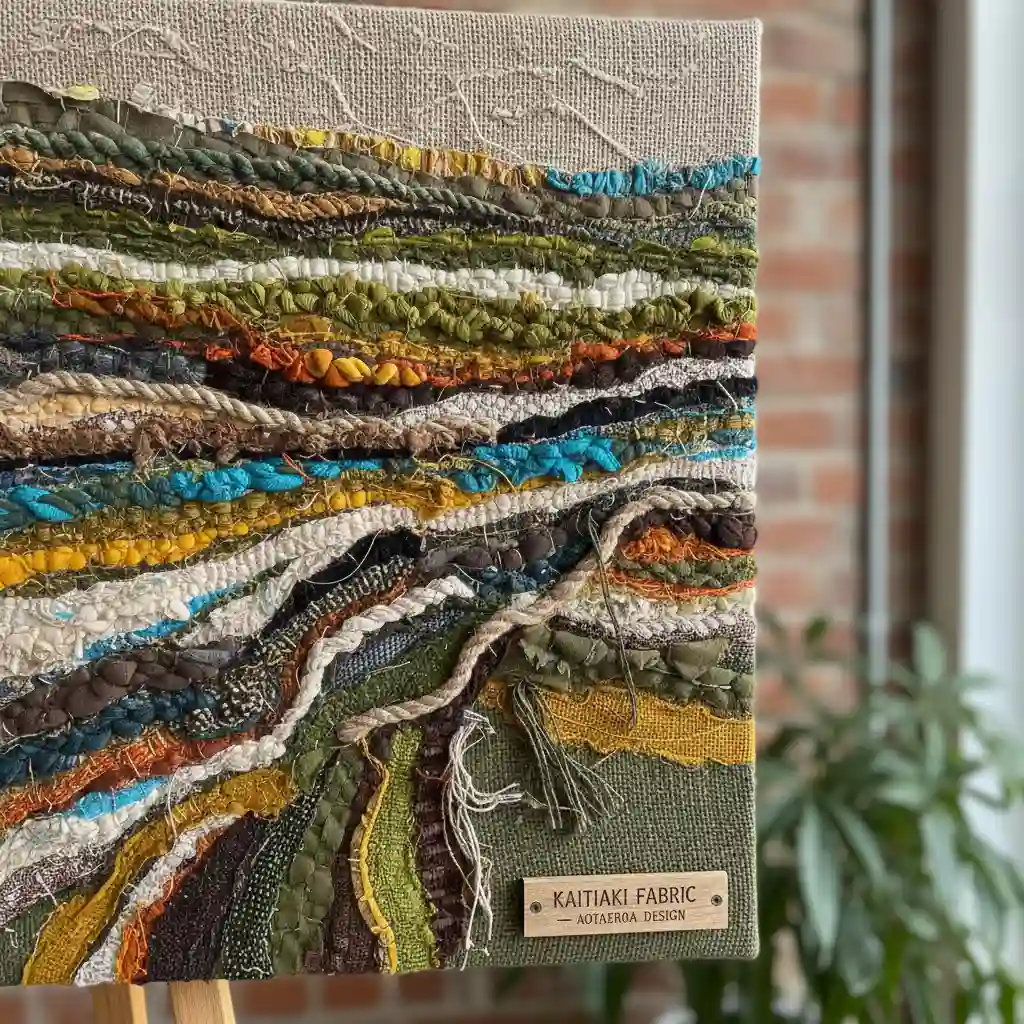
3.3. Project 3: Textured Fabric Scrap Wall Art
Don’t throw away those fabric offcuts or old clothes! Turn them into a unique, textured piece of wall art that adds character and warmth to any room. This is a fantastic way to use up textile waste.
What you’ll need:
- An old canvas or a sturdy piece of cardboard/plywood for the base
- Various fabric scraps (different textures, colours, patterns)
- Strong fabric glue or a hot glue gun
- Scissors
- Optional: Paint, yarn, beads for embellishment
Step-by-Step Guide:
- Prepare Your Base: If using an old canvas, remove any existing art or paint over it. If using cardboard/plywood, ensure it’s flat and clean.
- Cut & Plan: Cut your fabric scraps into various shapes – strips, squares, circles, or irregular pieces. Lay them out on your base to experiment with patterns and textures before gluing.
- Glue into Place: Starting from one side, apply fabric glue to the base and firmly press your fabric pieces into place. Overlap them, create layers, or scrunch them for added texture.
- Build Layers: Continue gluing, building up layers until your desired design is complete. Don’t be afraid to mix and match!
- Finishing Touches: Allow the glue to dry completely. Trim any excess fabric from the edges. Add extra embellishments like embroidered details with yarn or small beads if desired.
4. Beyond the Project: Sustainable Sourcing and Maintenance Tips
While creating beautiful upcycled pieces is fantastic, a truly sustainable home lifestyle goes further. Consider the origins of even your new purchases, and how you maintain your decor to extend its life.
Conscious Consumerism for Your Home:
- Prioritise Second-Hand First: Before buying new, always check local second-hand stores, online marketplaces, and even local community groups.
- Choose Sustainable Materials: If buying new, opt for items made from rapidly renewable resources (bamboo, cork), recycled content, or ethically sourced natural fibres (organic cotton, linen, hemp).
- Support Local Artisans: Look for New Zealand makers who use sustainable practices and local materials.
- Durability Over Disposable: Invest in high-quality, durable items that are built to last, rather than cheaply made, disposable decor.
Maintaining Your Eco-Decor:
- Gentle Cleaning: Use natural, eco-friendly cleaning products to preserve your decor and avoid harsh chemicals.
- Regular Care: Dust, polish, and repair items as needed. A little maintenance goes a long way in extending the lifespan of your pieces.
- Repurpose Again: If an upcycled item eventually wears out or no longer fits your style, consider if its components can be repurposed yet again!
Frequently Asked Questions (FAQ)
What’s the difference between upcycling and recycling?
Recycling breaks down waste materials into their raw form to create new products (e.g., plastic bottles into new plastic). Upcycling, on the other hand, transforms discarded items into products of higher quality or environmental value without breaking them down, often retaining their original form or character (e.g., turning an old ladder into a bookshelf).
How can I find materials for upcycling?
Start by looking in your own home for items you no longer use. Then, explore local second-hand shops (op shops), flea markets, garage sales, and online ‘buy nothing’ groups. Many businesses also give away pallets, crates, or fabric offcuts if you ask politely.
Is DIY eco-decor really cheaper than buying new?
Generally, yes! The cost of materials for upcycling is often minimal, sometimes even free. While you might invest in some basic tools or finishing supplies like paint or glue, the overall expenditure is typically far less than purchasing brand-new decor items, especially those with a unique, artisanal feel.
What tools do I need to start upcycling?
For simple projects, you might only need scissors, strong glue, and paintbrushes. For more ambitious projects like furniture, a basic toolkit including a saw, drill, sandpaper, screwdriver set, and protective gear (gloves, safety glasses) would be beneficial. Start small and build your collection as your skills grow.
How do I ensure my upcycled items are safe and durable?
Always ensure materials are clean and free from harmful substances (e.g., avoid lead paint). For furniture, check for structural integrity and reinforce as needed. Use appropriate, non-toxic finishes and sealants for protection. If an item will bear weight, test its stability thoroughly before regular use. Research safe practices for specific materials like wood, glass, or metal.
References & Further Reading
- Ministry for the Environment. (2021). Our atmosphere and climate 2020. Retrieved from mfe.govt.nz (Example: Data on NZ waste trends)
- Department of Conservation. (n.d.). Waste minimisation in New Zealand. Retrieved from doc.govt.nz (Plausible source for NZ context)
- Ecology Action Centre. (2019). The Environmental Impact of Fast Furniture. Retrieved from ecologyaction.ca (Plausible general sustainability source)
- Local NZ Charity/Op Shops: Consult your local Salvation Army, Red Cross, or Hospice shop websites for donation guides and store locations.
- Trade Me. (n.d.). Used Goods for Sale. Retrieved from trademe.co.nz (Example of a marketplace for sourcing materials)