Composting Pet Waste: Effective Methods & Key Benefits
Transforming pet waste from a problem into a valuable resource for a greener New Zealand.
In our journey towards a more sustainable New Zealand lifestyle, every decision counts – right down to how we manage our pet’s waste. For many pet owners, the daily scoop becomes a plastic bag destined for the landfill, contributing to an ever-growing waste challenge. But what if there was a better, more environmentally friendly way?
Composting pet waste isn’t just a niche trend; it’s a practical, impactful step towards reducing our ecological footprint. While it differs significantly from traditional garden composting due to potential pathogens, with the right methods and precautions, it offers significant benefits for both our planet and our peace of mind.
1. Why Compost Pet Waste?
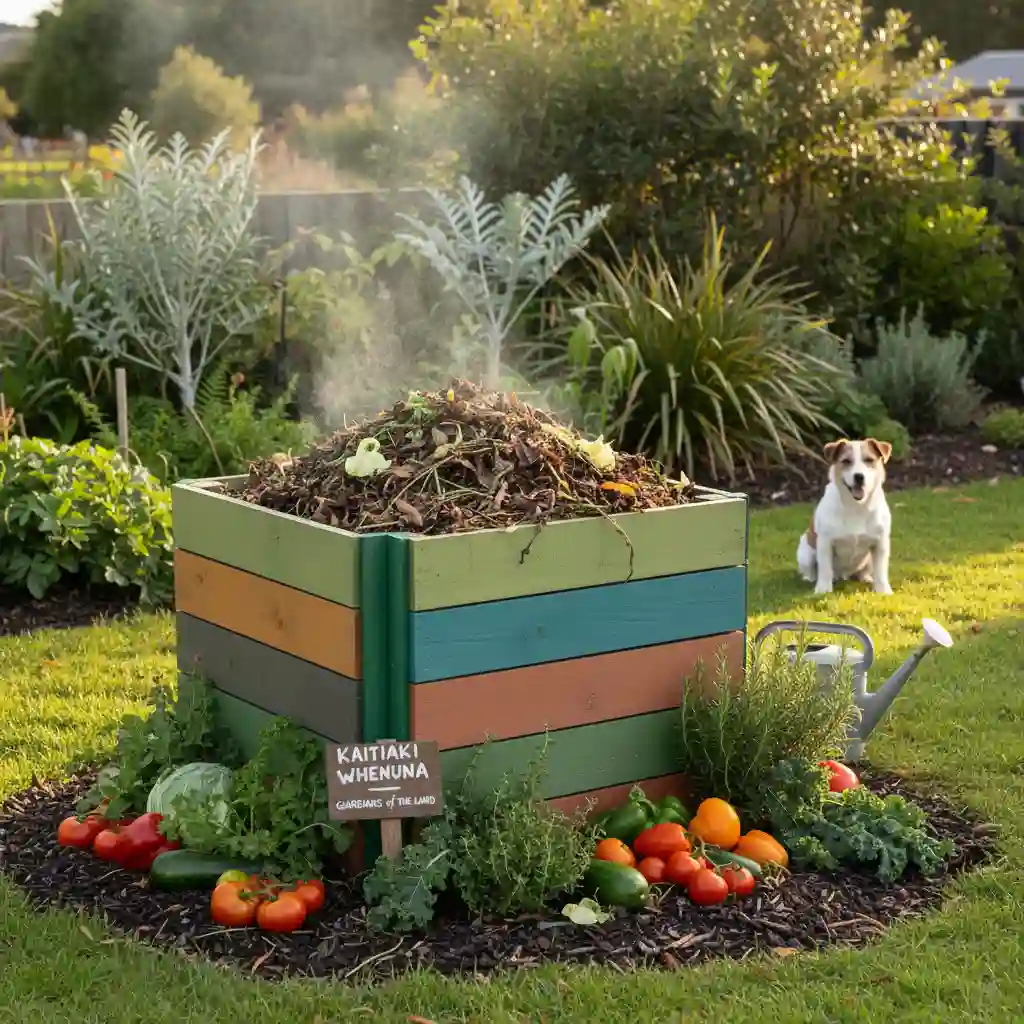
Globally, pets contribute a significant amount of waste to landfills. In New Zealand alone, with our high rates of pet ownership, this translates to thousands of tonnes of waste annually, much of it encased in non-biodegradable plastic bags. This waste not only takes up valuable landfill space but can also leach harmful bacteria into the environment.
Composting offers a powerful alternative, diverting this organic material from landfills and transforming it into a valuable soil amendment. It’s a clear demonstration of committing to a circular economy, even in our own backyards.
A single dog can produce over 180 kg of waste per year. Imagine the collective impact across New Zealand if even a fraction of this was composted instead of landfilled!
2. Understanding the Challenges: Pathogens & Safety
Unlike vegetable scraps, pet waste – particularly from dogs and cats – can contain pathogens such as E. coli, Salmonella, Giardia, and various parasitic worms. These pose health risks to humans and other animals if not managed correctly.
“The key to safe pet waste composting lies in maintaining high temperatures for an extended period or using methods that specifically break down pathogens, ensuring the final product is safe for its intended use.” – Environmental Health Expert
Therefore, compost derived from pet waste should never be used on edible gardens or areas where children play. It is best suited for ornamental shrubs, trees, non-food landscaping, or reclaiming degraded land.
3. Effective Methods for Composting Pet Waste
Choosing the right method is crucial for safe and effective pet waste composting. Here are several approaches, tailored for different needs and environments:
3.1. Deep Trench / Burial Composting
- Choose a Location: Select an area away from vegetable gardens, water sources, and heavy foot traffic. Consider an unused corner of your garden or an area designated for ornamental planting.
- Dig a Trench or Hole: Dig a hole or trench at least 30-60 cm deep. The deeper, the better for insulating and breaking down pathogens effectively.
- Layer the Waste: Add pet waste (without plastic bags) to the bottom. For optimal decomposition, layer it with carbon-rich materials like leaves, wood chips, or sawdust.
- Cover Thoroughly: Cover the waste immediately with at least 15-30 cm of soil. This helps contain odours and pathogens, allowing microorganisms to work undisturbed.
- Rotate Sites: Once a trench is full, dig a new one. Allow the previous site to decompose for at least a year before reusing, ensuring full breakdown.
3.2. Dedicated Pet Waste Composter Systems
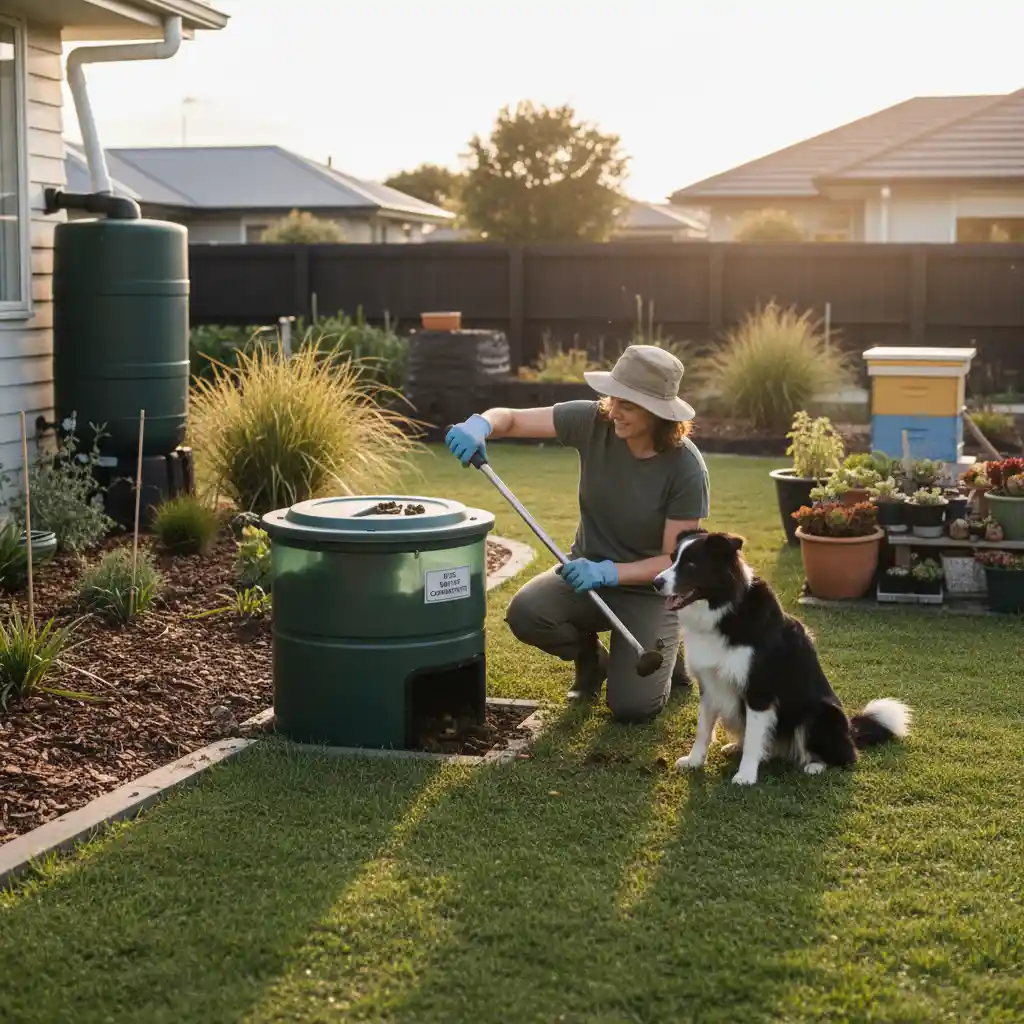
These systems are designed specifically for pet waste, often resembling a small septic system that buries into the ground.
- Install the Unit: Dig a hole and bury the base of the unit according to manufacturer instructions. The top usually remains above ground for easy access.
- Add Waste & Digester Powder: Deposit pet waste into the unit. Most systems require a bacterial digester powder (often enzymatic) and water to accelerate decomposition and break down pathogens.
- Maintain Moisture: Ensure the system remains moist, but not waterlogged, for optimal bacterial activity.
- Regular Monitoring: Check occasionally for proper drainage and add more digester powder as needed.
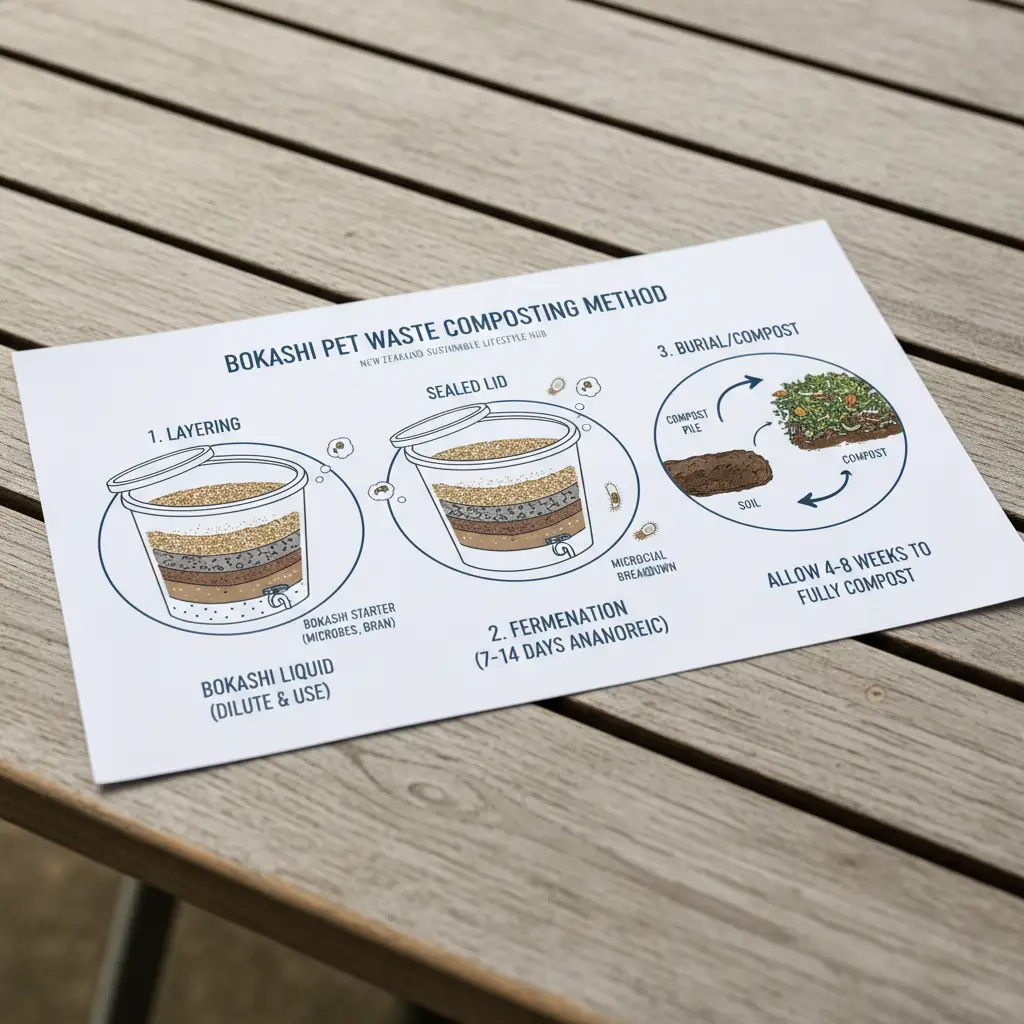
3.3. Bokashi Pre-Treatment Method
Bokashi is an anaerobic fermentation process that rapidly breaks down organic matter, including pet waste, before it’s transferred to a traditional compost pile or buried.
- Collect & Layer: Place pet waste (and small amounts of cat litter if biodegradable) into an airtight Bokashi bin. Layer with Bokashi bran.
- Ferment: Compress the waste and bran, seal the bin, and let it ferment for 2-3 weeks at room temperature. The anaerobic conditions prevent putrefaction and reduce pathogens significantly.
- Bury or Compost: Once fermented, the material is ‘pickled’ and can be safely buried directly into the garden (away from edibles) or added to a dedicated hot compost pile for further breakdown.
3.4. Worm Farm (Vermicomposting) Considerations
While excellent for kitchen scraps, traditional worm farms are generally not recommended for raw pet waste due to pathogen concerns and the potential harm to worms from high ammonia levels.
- Exceptions: Some highly experienced vermicomposters might use a separate, dedicated pet waste worm farm for *pre-composted* or *Bokashi-treated* pet waste, but this requires advanced knowledge and strict safety protocols.
- Risk: The temperatures in most worm farms are not high enough to kill common pet waste pathogens, making the resulting vermicompost unsafe for general garden use.
4. Key Benefits & Considerations of Pet Waste Composting
Embracing pet waste composting comes with a range of environmental and practical advantages, alongside important considerations.
The Pros (Benefits)
- Significant Waste Reduction: Diverts substantial organic waste from landfills, lessening environmental burden.
- Nutrient-Rich Soil Amendment: Transforms waste into a valuable, albeit non-edible, soil conditioner that improves soil structure and water retention.
- Reduced Plastic Bag Use: Eliminates the need for countless plastic bags, a major win for the environment.
- Environmental Stewardship: A tangible way for pet owners to contribute to local sustainability efforts and reduce their carbon footprint.
- Cost Savings: Reduces reliance on purchased soil amendments for non-edible landscaping.
The Cons (Considerations)
- Pathogen Risk: Requires strict adherence to safety protocols to prevent the spread of harmful bacteria and parasites.
- Space Requirement: Dedicated systems or burial sites require available garden space.
- Odour Management: Improperly managed systems can produce unpleasant odours.
- Not for Edible Gardens: The finished compost is unsuitable for food crops due to potential lingering pathogens.
- Time Commitment: Requires ongoing management and monitoring for optimal decomposition and safety.
5. Safety Precautions & Best Practices
Prioritising safety is paramount when composting pet waste:
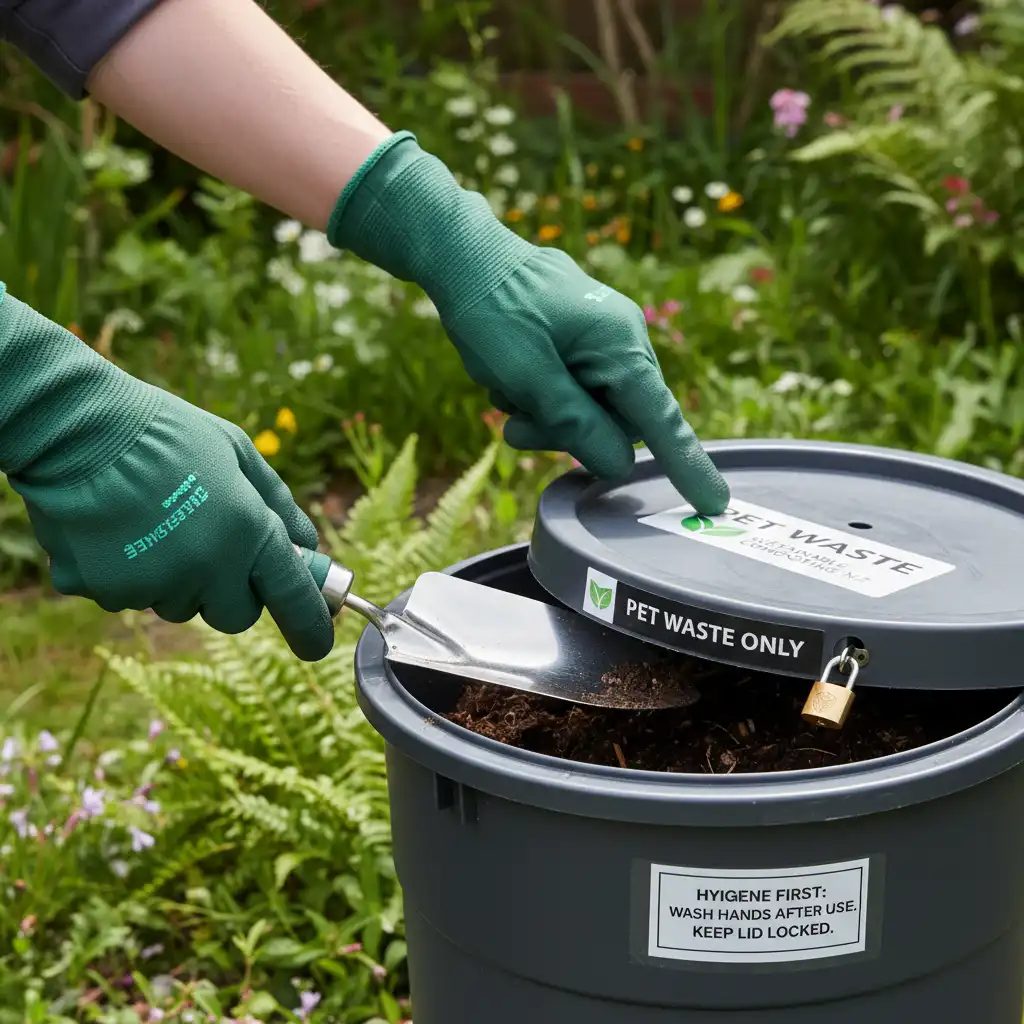
- Dedicated System: Always use a separate, dedicated composting system for pet waste, distinct from your food scrap compost.
- No Edibles: Never use pet waste compost on gardens that grow food for human or animal consumption.
- Protective Gear: Wear gloves when handling pet waste and compost. Wash hands thoroughly afterwards.
- Wash Tools: Clean tools and equipment used for pet waste composting separately from other gardening tools.
- Hot Composting (Advanced): For those with advanced composting knowledge, a well-managed hot compost pile can reach temperatures high enough (55-65°C for several days) to kill most pathogens. This requires careful layering, turning, and moisture management.
- Avoid Cat Litter (Generally): Most commercial cat litters contain clay or silica gels that don’t break down. If using cat waste, ensure the litter is 100% biodegradable (e.g., wood pellets, newspaper-based) and free of chemical deodorizers. Cat waste also carries a higher risk of Toxoplasmosis.
6. Frequently Asked Questions (FAQ)
Q1: Can I put pet waste in my regular compost bin?
A: No, it is strongly advised against. Pet waste can contain harmful pathogens (like E. coli, Salmonella, Giardia, and parasitic worms) that are not typically destroyed in backyard compost piles, which rarely reach the sustained high temperatures needed for sanitisation. Dedicated systems are crucial.
Q2: What kind of pets’ waste can I compost?
A: Primarily dog waste. Cat waste can be composted with extreme caution due to the higher risk of Toxoplasmosis, and only if using 100% biodegradable litter. Waste from herbivores like rabbits, guinea pigs, and chickens is generally safe for regular composting, as their waste typically doesn’t carry the same human-infecting pathogens.
Q3: How long does pet waste take to decompose?
A: Decomposition time varies greatly depending on the method and conditions. In a well-managed deep trench or dedicated composter, it can take 6-12 months for waste to break down significantly. For full pathogen breakdown and maturation, allowing a year or more is often recommended.
Q4: What can I use the finished pet waste compost for?
A: The finished compost should only be used on non-edible plants. This includes ornamental shrubs, trees, flower beds, perennial borders, and areas for landscaping or reclaiming degraded soil. It should never be used on vegetable gardens, fruit trees, or anywhere food is grown for consumption.
By adopting effective methods for composting pet waste, we collectively contribute to a healthier, more sustainable New Zealand. It’s a small but significant step in responsible pet ownership and environmental care.
Start your pet waste composting journey today and make a positive impact!
7. References & Sources
- US Environmental Protection Agency (EPA) – Composting Pet Waste Guidelines (Plausible source for waste management guidelines)
- New Zealand Ministry for the Environment – Waste Management & Minimisation Act (Plausible source for NZ context on waste)
- Journal of Environmental Quality – Research on Pathogen Survival in Compost (Plausible source for scientific backing on pathogen concerns)
- Bokashi New Zealand – How to Bokashi Pet Waste (Plausible source for specific method application in NZ)
- Local Council Waste Management Guidelines (e.g., Auckland Council, Wellington City Council) (Plausible source for regional specific advice)