Imagine a holiday where your every dollar directly strengthens local economies, where cultural exchange is genuine, and where the environment thrives because of your visit. This isn’t just a dream; it’s the core promise of Community-Based Tourism (CBT).
In an era where conscious travel is gaining momentum, Community-Based Tourism offers a powerful alternative to mass tourism. It’s a model that places the control and benefits of tourism directly into the hands of local communities. For New Zealand, a nation renowned for its natural beauty and rich Māori culture, embracing and enhancing community-based tourism is vital for sustainable growth and authentic engagement.
This article will explore what Community-Based Tourism entails, its profound benefits for local engagement and growth, and how you can be a part of this transformative movement in Aotearoa.
What is Community-Based Tourism?
At its heart, Community-Based Tourism is a form of sustainable tourism where local residents are actively involved in the development and management of tourism initiatives, and a significant portion of the benefits remain within the community. Unlike conventional tourism, which often sees profits siphoned away by external corporations, CBT prioritises local ownership, decision-making, and welfare.
It’s about empowering people, fostering local entrepreneurship, and showcasing unique cultures and environments in a respectful and mutually beneficial way. Visitors get to experience destinations authentically, often interacting directly with hosts, learning about their traditions, and contributing directly to their livelihoods.
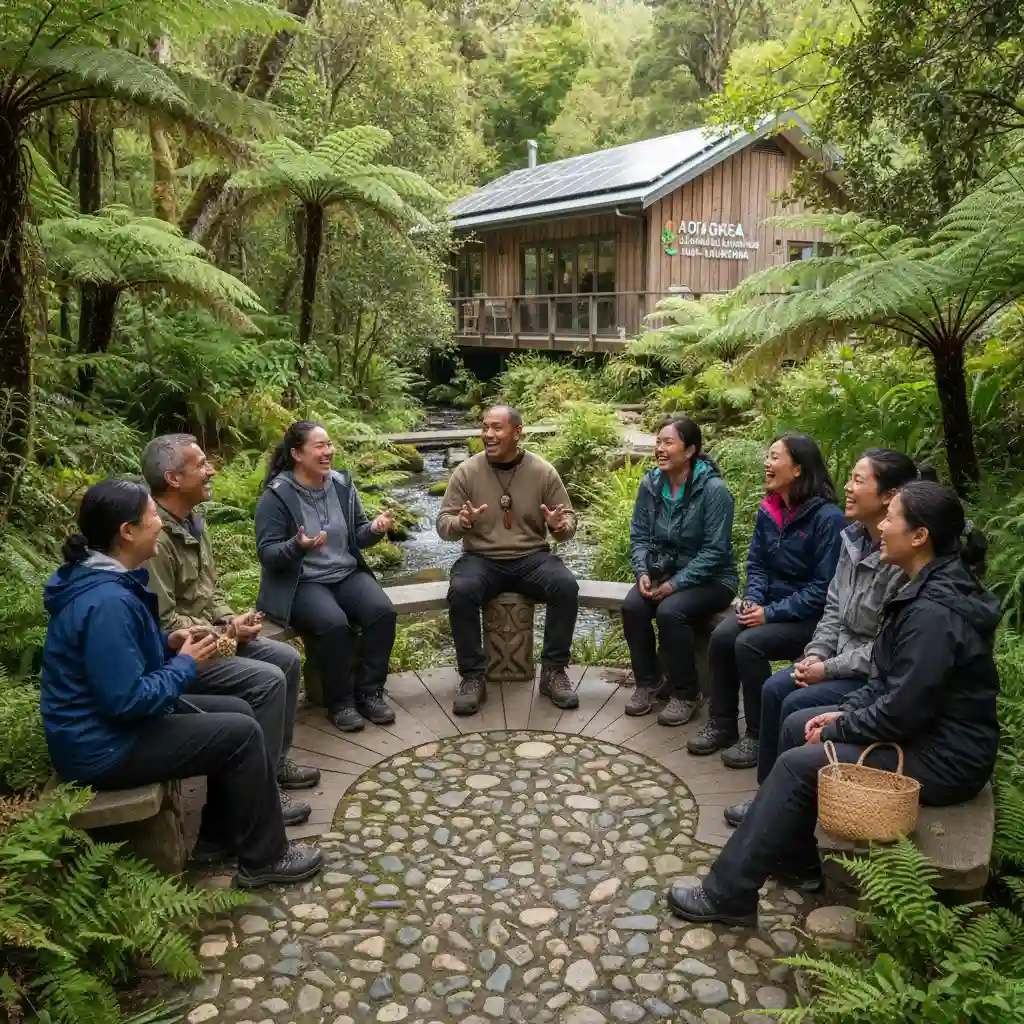
“Community-Based Tourism is more than just a holiday; it’s an investment in local futures and a passport to authentic cultural exchange.”
The Pillars of Sustainable Growth: Benefits of CBT
The impact of successful Community-Based Tourism ripples through multiple facets of a community, creating a virtuous cycle of development and preservation. It stands as a robust model for sustainable growth.
Economic Empowerment & Local Job Creation
CBT directly funnels tourism revenue into local hands. This means more local jobs – from guides and artisans to accommodation providers and food suppliers – and diversified income streams that reduce reliance on single industries. It fosters small businesses and entrepreneurial spirit.
STAT CALLOUT:
A 2019 study by the World Travel & Tourism Council (WTTC) highlighted that every $100 spent on local businesses in a CBT model can generate up to three times more local economic activity than if spent on international chains.
Cultural Preservation & Authentic Experiences
By valuing indigenous knowledge, traditions, and arts, CBT provides incentives for communities to maintain and celebrate their cultural heritage. Visitors gain unparalleled access to authentic experiences, moving beyond typical tourist traps to connect deeply with local ways of life. This direct interaction helps bridge cultural gaps and fosters mutual respect.

Environmental Stewardship & Conservation
When communities directly benefit from their natural surroundings, they become powerful advocates for its protection. CBT often supports conservation efforts, promoting eco-friendly practices, waste reduction, and sustainable resource management. It integrates tourism with the long-term health of local ecosystems.
STAT CALLOUT:
Projects in CBT often see a 20-30% reduction in local waste generation related to tourism due to community-led initiatives and increased awareness among both residents and visitors.
Challenges & Considerations in Community-Based Tourism
While the promise of Community-Based Tourism is immense, it’s not without its hurdles. Sustainable development requires careful planning and continuous effort. Key challenges include:
- Capacity Building: Communities may lack the initial skills or resources for tourism management, marketing, or hospitality. Training and support are crucial.
- Infrastructure: Remote communities might have limited access to necessary infrastructure like roads, reliable internet, or proper sanitation, which can impact visitor experience.
- Market Access: Connecting small, community-led initiatives with broader tourist markets requires effective marketing strategies and distribution channels.
- Cultural Dilution: There’s a delicate balance between sharing culture and commodifying it. Ensuring authenticity and respect for traditions is paramount.
- Funding and Investment: Securing initial capital for development and ongoing operational funds can be a significant barrier for local groups.

Community-Based Tourism in New Zealand: Aotearoa’s Potential
New Zealand, with its commitment to sustainability and its unique Māori heritage, is fertile ground for Community-Based Tourism. Initiatives often revolve around authentic cultural experiences, environmental conservation, and outdoor adventures led by local experts.
From Māori-led eco-tours sharing ancestral knowledge of native flora and fauna, to small-town homestays offering insights into rural Kiwi life, CBT in Aotearoa provides unforgettable experiences while ensuring direct benefits flow to the guardians of these lands and cultures.
“E ngā iwi, tēnā koutou. Kia tū tika, kia tū kaha, kia tū rangatira.” (To the people, greetings. Stand tall, stand strong, stand with integrity.) This Māori proverb resonates with the spirit of community empowerment at the heart of CBT.
How You Can Support Community-Based Tourism
As a responsible traveller or local advocate, your choices have power. Here’s how you can contribute to the growth and success of Community-Based Tourism:
- Choose Local: Prioritise tours, accommodation, and activities offered by local operators. Look for certifications or direct affirmations of community ownership.
- Engage Respectfully: Learn about and respect local customs, traditions, and environmental guidelines. Engage with an open mind and heart.
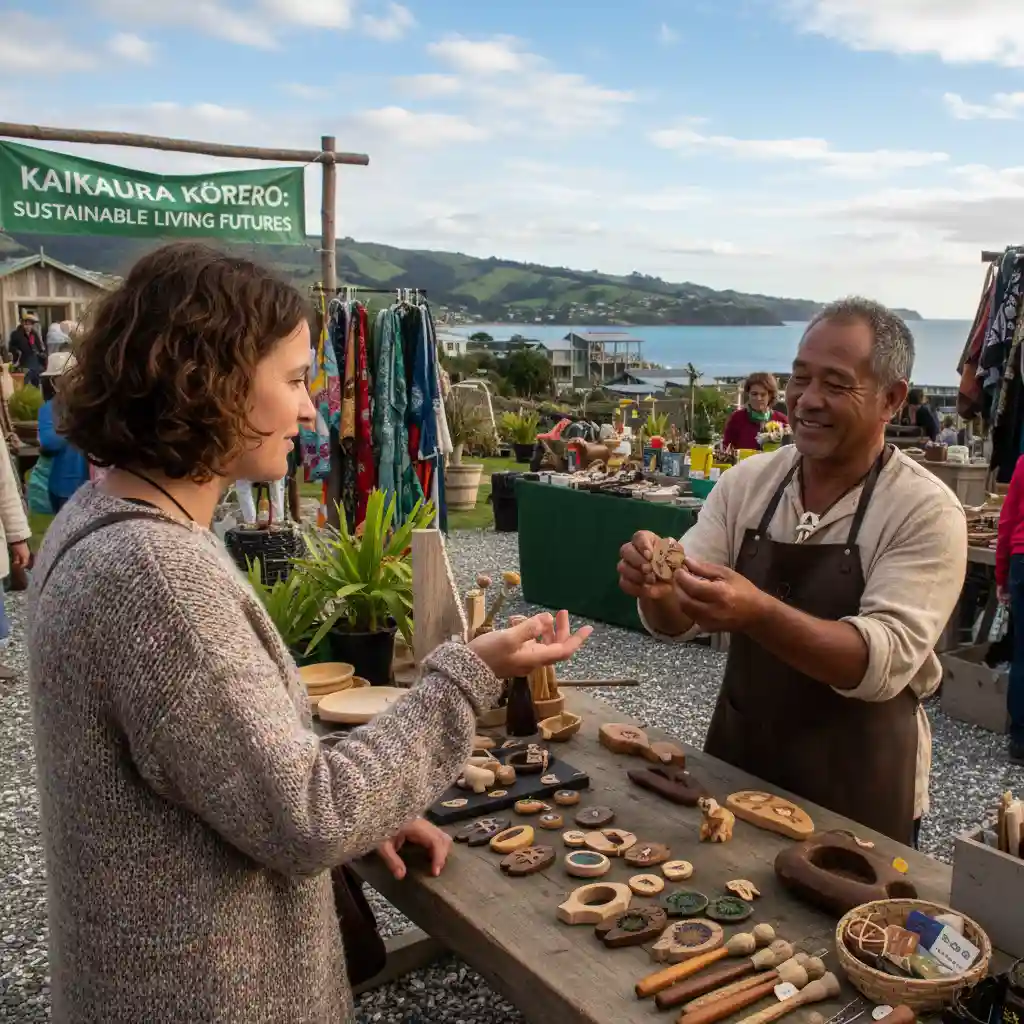
- Spend Wisely: Support local artisans, markets, and eateries. Your purchases directly benefit families and small businesses.
- Research & Review: Seek out community-based initiatives before you travel. Share your positive experiences to help others discover these gems.
- Reduce Your Footprint: Be mindful of your environmental impact – minimise waste, conserve resources, and leave no trace.
Conclusion: Journeying Towards a Better Future
Community-Based Tourism is more than a niche; it’s a blueprint for a more equitable, respectful, and sustainable future for travel. By shifting the focus from profit maximisation to community well-being, it ensures that the magic of a destination benefits those who call it home.
For New Zealand, embracing and championing this model allows us to share our unique identity responsibly, fostering deep connections between visitors and hosts, and strengthening our communities for generations to come. Make your next journey one that truly makes a difference.
Frequently Asked Questions (FAQ) About Community-Based Tourism
What makes tourism “community-based”?
Community-Based Tourism is defined by the significant involvement of local residents in the planning, development, and management of tourism activities. It ensures that the economic, social, and environmental benefits of tourism primarily remain within and empower the local community, rather than being controlled by external entities.
How does CBT benefit local engagement?
CBT boosts local engagement by giving communities direct ownership and a voice in tourism. This leads to increased participation in decision-making, fosters local entrepreneurship, creates employment opportunities, and incentivises the preservation of local culture and environment, all of which strengthen community pride and cohesion.
Is Community-Based Tourism only for remote areas?
While many successful Community-Based Tourism initiatives are found in rural or remote areas, the concept is not exclusive to them. CBT can be implemented in urban settings too, focusing on specific neighbourhoods, cultural districts, or local artisan groups to offer authentic experiences and empower urban communities.
How can I identify a genuine Community-Based Tourism experience?
Look for operators who clearly state their commitment to local employment and profit sharing, highlight direct cultural exchange, and are transparent about their community involvement. Reviews often mention direct interaction with locals. Certifications for responsible tourism can also be a good indicator, though not all genuine CBT operators may have them due to scale.
References & Sources
- World Travel & Tourism Council (WTTC). (2019). Economic Impact Report.
- United Nations World Tourism Organization (UNWTO). (Undated). Sustainable Tourism Development Guidelines.
- Indigenous Tourism Association of New Zealand (ITANZ). (Various publications). Promoting Māori Cultural Tourism.
- Journals of Sustainable Tourism. (Ongoing publications). Research on Community Engagement in Tourism.
- Sustainable Travel International. (Ongoing resources). Guides to Responsible Travel Practices.