Community & Advocacy for Sustainability in Aotearoa
In the face of global environmental challenges, the power of collective action shines brightest. For those in Aotearoa New Zealand passionate about fostering a greener, more sustainable future, connecting with like-minded individuals and organisations is not just beneficial, it’s essential. This article will guide you through the vibrant landscape of sustainability groups NZ offers, empowering you to find your community and make a tangible difference.
Whether you’re looking to reduce your carbon footprint, protect local biodiversity, or advocate for policy change, New Zealand’s diverse network of environmental and sustainability initiatives welcomes your participation. Join us as we explore how to engage, learn, and contribute to a more resilient Aotearoa.
Finding Local Sustainability Groups in NZ
New Zealand boasts a rich tapestry of organisations dedicated to environmental protection and sustainable practices. From grassroots movements tackling local issues to national bodies influencing policy, there’s a group for every interest and commitment level. Engaging with these sustainability groups NZ wide is your first step towards active participation.

Stat Callout: A 2021 study by Philanthropy New Zealand indicated that over 10% of New Zealand’s total workforce is involved in the not-for-profit sector, with a significant portion dedicated to environmental and community causes, highlighting the extensive reach of these groups.
Action Checklist: How to Discover Your Local Green Community
- Online Directories: Explore platforms like Environment Hubs Aotearoa, local council websites, or community noticeboards for listings of local environmental groups.
- Social Media & Forums: Join local Facebook groups or online forums dedicated to sustainability in your region.
- Community Events: Attend farmers’ markets, eco-fairs, or local workshops. These are often hubs for networking with local activists and organisations.
- University & School Initiatives: Check if local educational institutions have sustainability clubs or projects open to community involvement.
- Reach Out Directly: Don’t hesitate to contact organisations you find online. Many welcome inquiries about their work and how to get involved.
“Alone, we can do so little; together, we can do so much.” – Helen Keller. This sentiment perfectly encapsulates the spirit of New Zealand’s sustainability movement.
How to Advocate for Environmental Change
Advocacy is about using your voice to influence decisions and create positive change. Whether it’s for local policy, national legislation, or corporate responsibility, your contribution to sustainability groups NZ supports broader movements.

1. Stay Informed and Educated
Knowledge is power. Understand the environmental issues affecting your community and country. Follow reputable news sources, academic research, and reports from established environmental organisations.
2. Engage with Local and National Government
Write letters, send emails, or call your local councillors and Members of Parliament. Express your concerns, suggest solutions, and urge them to support sustainable policies. Attend public meetings and make submissions on proposed legislation.
3. Participate in Public Consultations
When councils or government bodies propose new plans or policies (e.g., district plans, resource consents), they often invite public feedback. This is a crucial opportunity to voice your opinion and influence outcomes.
4. Join or Support Advocacy Organisations
Many sustainability groups NZ focuses specifically on advocacy. By joining them, you amplify their collective voice and contribute to their campaigns, whether through membership fees, donations, or active participation in their initiatives.
Stat Callout: Advocacy groups have been instrumental in significant environmental victories in New Zealand, such as the creation of marine reserves and the ban on plastic bags, demonstrating the direct impact of sustained public pressure.
Volunteering Opportunities for Conservation
Volunteering is a direct and rewarding way to contribute to conservation efforts. New Zealand’s unique biodiversity faces numerous threats, and every pair of hands makes a difference. Many sustainability groups NZ wide rely heavily on volunteer support.
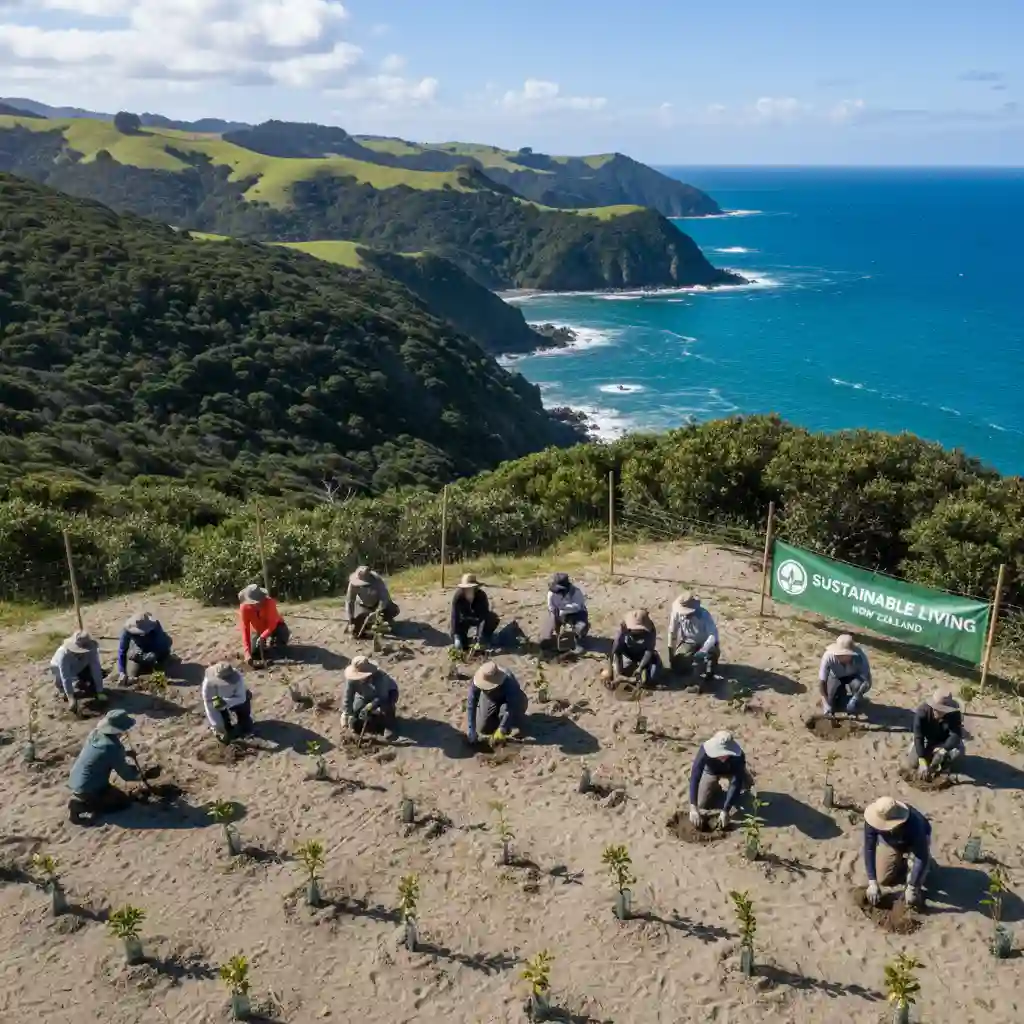
Action Checklist: Find Your Volunteer Role
- Native Tree Planting: Join local conservation groups or regional councils for planting days to restore native bush and enhance biodiversity.
- Pest Control: Participate in predator trapping programmes to protect native birds and wildlife from introduced pests.
- Beach Clean-ups: Help keep New Zealand’s stunning coastlines free from rubbish and plastic pollution.
- Weed Eradication: Assist in removing invasive weed species that threaten native flora.
- Track Maintenance & Building: Support the Department of Conservation (DOC) or local trusts in maintaining walking tracks and enhancing access to natural areas.
- Wildlife Monitoring: Contribute to citizen science projects by monitoring bird populations, marine life, or other indicators of environmental health.
Organisations like DOC, Conservation Volunteers New Zealand, and numerous local trusts constantly seek volunteers. It’s a fantastic way to learn new skills, meet like-minded people, and get your hands dirty for a good cause.
Community Gardens & Local Food Initiatives
Local food systems are a cornerstone of sustainable living, reducing food miles, promoting healthier eating, and fostering community resilience. Community gardens are thriving examples of how sustainability groups NZ connect people with the land and with each other.
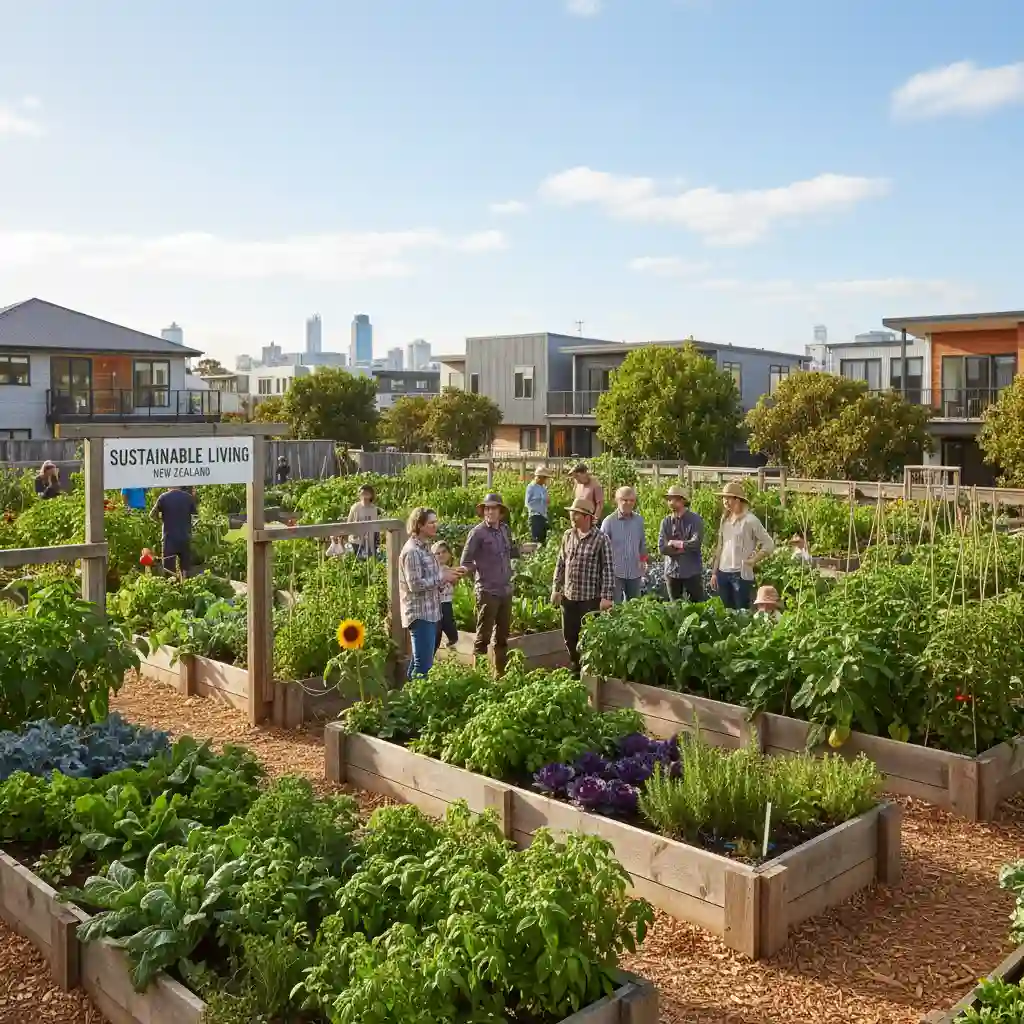
These shared spaces not only produce fresh, organic food but also serve as educational hubs, teaching sustainable gardening practices, composting, and water conservation. They strengthen social bonds and provide accessible green spaces in urban environments.
Beyond Community Gardens: Broader Initiatives
- Farmers’ Markets: Support local growers by purchasing directly from farmers, reducing transportation costs and emissions.
- Food Co-ops: Join or establish cooperatives that collectively buy food, often organic and locally sourced, at wholesale prices.
- Food Rescue Organisations: Volunteer with groups that collect surplus food from supermarkets and cafes to redistribute to those in need, reducing food waste.
- Seed Saving Libraries: Participate in initiatives that promote biodiversity and resilience in food systems by sharing open-pollinated seeds.
Investing in local food systems enhances food security, supports local economies, and significantly reduces our environmental footprint.
Participating in Environmental Campaigns
Environmental campaigns, whether local or national, aim to raise awareness, shift public opinion, and pressure decision-makers. They are a powerful tool for driving systemic change. Joining these initiatives, often organised by prominent sustainability groups NZ-wide, can have a far-reaching impact.
1. Identify Campaigns Aligned with Your Values
Research ongoing campaigns by organisations like Forest & Bird, Greenpeace Aotearoa, or local environmental trusts. Choose causes that resonate with you, whether it’s protecting specific species, advocating for clean water, or promoting renewable energy.
2. Sign Petitions and Write to Decision-Makers
A quick and effective way to show support is by signing online petitions. For more impact, write personalised letters or emails to politicians and corporate leaders outlining your concerns and demands.
3. Engage on Social Media
Share campaign messages, articles, and calls to action with your network. Social media can be a powerful tool for amplifying voices and raising public awareness about critical environmental issues.
4. Attend Rallies, Marches, or Public Events
Show your solidarity and passion by physically attending organised public demonstrations. The visual presence of many individuals reinforces the message and shows the breadth of public concern.
5. Support Campaign Fundraising
Financial contributions, however small, help sustain campaign efforts, fund research, and support legal challenges where necessary. Many environmental organisations are non-profits relying on public donations.
Join the Movement: Your Role in a Sustainable Aotearoa
The journey towards a sustainable Aotearoa is a collective one. By connecting with sustainability groups NZ-wide, whether through active participation, advocacy, or supporting local initiatives, you become an integral part of this vital movement. Every action, big or small, contributes to building a resilient, thriving future for New Zealand’s unique environment and its people. Find your niche, lend your voice, and join the community dedicated to positive change.
Frequently Asked Questions (FAQs)
What are the best ways to find sustainability groups in my local area?
The best ways include checking local council websites, Environment Hubs Aotearoa, community noticeboards, social media groups, and attending local farmers’ markets or eco-events. Many groups also list their activities on national volunteer platforms.
Do I need special skills to volunteer for conservation projects in NZ?
No, most conservation volunteering opportunities welcome all skill levels. Training is often provided on-site for tasks like tree planting, pest trapping, or beach clean-ups. Enthusiasm and a willingness to learn are usually the most important requirements.
How can I effectively advocate for environmental change at a local level?
To advocate effectively, stay informed about local issues, engage with your local councillors, participate in public consultations, make submissions on proposed plans, and join local advocacy sustainability groups NZ offers. Your collective voice has greater impact.
What is the benefit of joining a community garden?
Community gardens offer numerous benefits, including access to fresh, organic produce, learning sustainable gardening techniques, fostering a sense of community, providing green spaces, reducing food miles, and improving mental and physical well-being through outdoor activity.
Are there national sustainability organisations I can support in New Zealand?
Yes, New Zealand has several prominent national sustainability organisations such as Forest & Bird, Greenpeace Aotearoa, Sustainable Coastlines, Conservation Volunteers New Zealand, and Generation Zero, among others. Supporting them helps drive national-level environmental policy and conservation efforts.
References & Sources
- Philanthropy New Zealand. (2021). The State of Philanthropy in Aotearoa New Zealand Report. Retrieved from philanthropynz.org.nz
- Department of Conservation (DOC). Conservation Volunteers. Retrieved from doc.govt.nz
- Environment Hubs Aotearoa. Find Your Local Hub. Retrieved from environmenthubs.nz
- Forest & Bird. Our Campaigns. Retrieved from forestandbird.org.nz
- New Zealand Government. Public Consultations. Retrieved from govt.nz