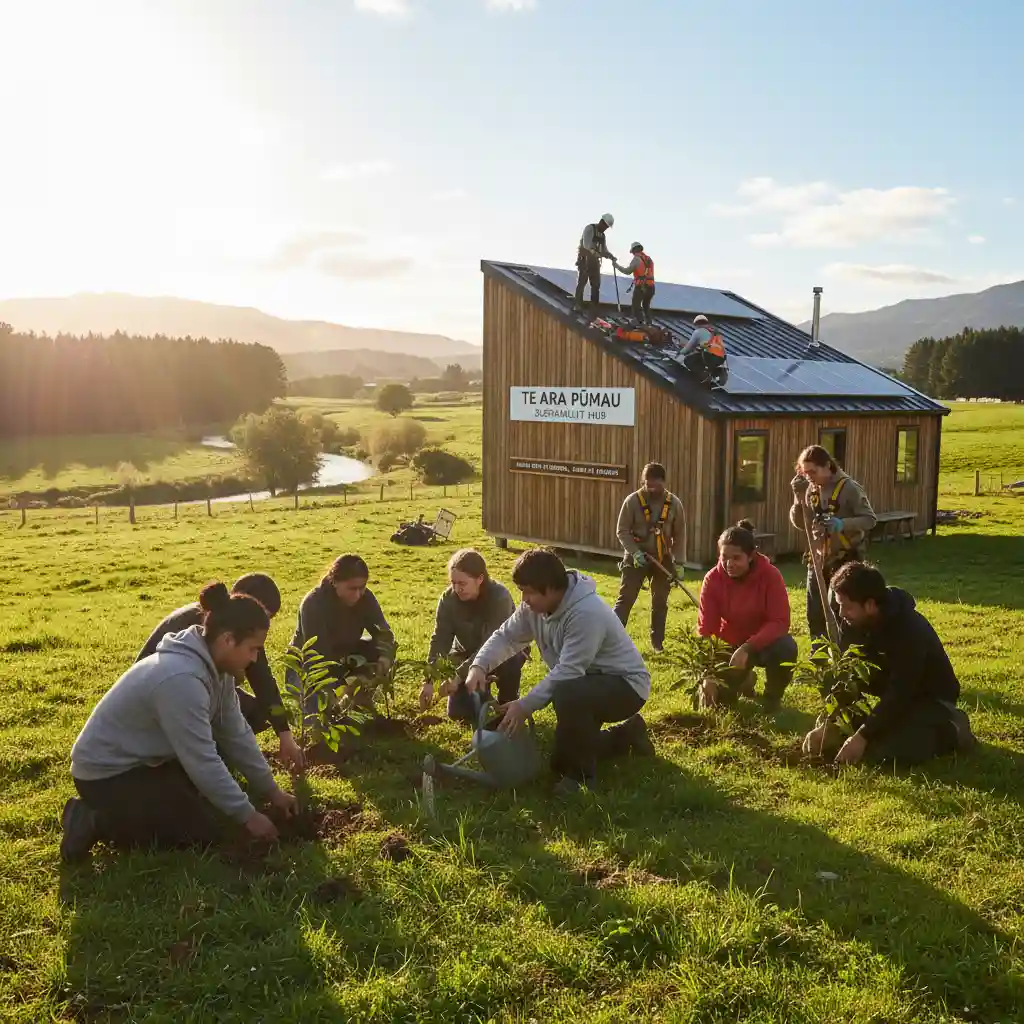
Careers in Environmental Law: Advocates Shaping Conservation
Are you passionate about protecting our planet, ensuring sustainable practices, and advocating for a greener future? Environmental law offers a unique and powerful avenue to make a tangible difference. In New Zealand, a nation deeply connected to its natural heritage, the role of environmental legal professionals is more critical than ever.
This comprehensive guide explores the dynamic world of environmental law, from its core principles to the diverse career paths available. Discover how you can contribute to shaping policies, enforcing regulations, and championing conservation efforts across Aotearoa and beyond.

What Exactly is Environmental Law?
Environmental law is a complex and fascinating field dedicated to the protection of the natural environment. It encompasses the treaties, statutes, regulations, and common laws that regulate human interaction with the natural environment. From climate change mitigation and biodiversity conservation to waste management and pollution control, environmental law provides the legal framework for sustainable development.
In New Zealand, this often involves interpreting and applying key legislation such as the Resource Management Act (RMA), the Climate Change Response Act, and various conservation acts. These laws aim to ensure that our environmental resources are managed in a way that provides for the well-being of present and future generations, while also protecting the life-supporting capacity of air, water, soil, and ecosystems.
“Environmental law isn’t just about regulations; it’s about advocating for the planet itself, giving a voice to ecosystems and future generations.”
Why Pursue a Career in Environmental Law?
Choosing careers in environmental law: advocates shaping conservation means dedicating your professional life to a cause with immense global and local impact. It’s a field for problem-solvers, strategists, and passionate advocates who want to drive real change.
30%
Projected growth in environmental jobs by 2030 globally, highlighting demand for legal expertise.
NZ$1 Billion+
Estimated annual cost of environmental degradation in NZ, underscoring the need for preventative law.
From safeguarding endangered species to mitigating climate change impacts, environmental lawyers play a crucial role in ensuring accountability and promoting sustainable practices. It’s a field that constantly evolves, presenting new challenges and opportunities to innovate legal solutions for pressing ecological issues.
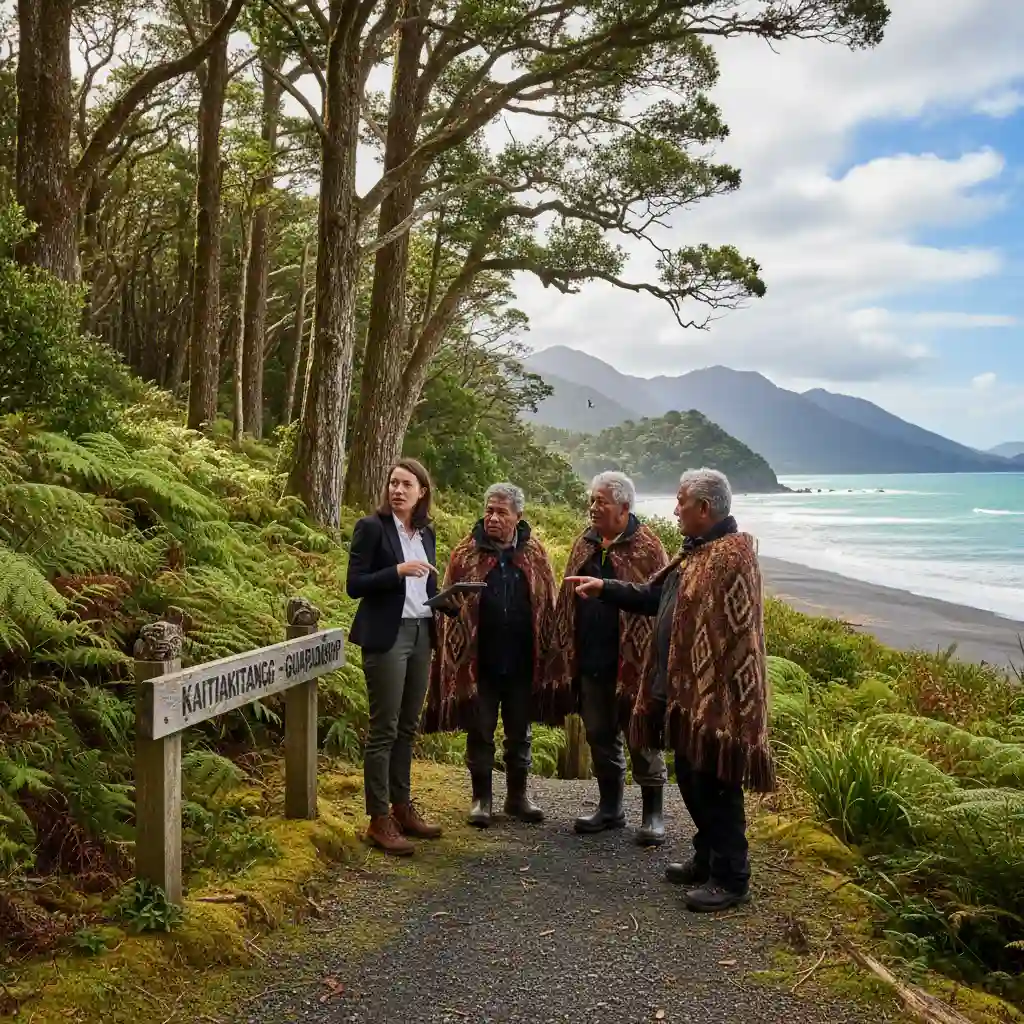
Key Roles and Specializations in Environmental Law
The umbrella of environmental law covers a diverse range of specializations, allowing professionals to focus on areas that align with their interests and expertise. Here are some prominent paths:
Litigation and Advocacy
Representing clients in court cases related to environmental violations, land use disputes, pollution claims, or conservation efforts. This often involves working for NGOs, government agencies, or private law firms.
Policy and Regulation Development
Advising governments, industries, and non-profits on the creation, interpretation, and implementation of environmental laws and regulations. This can involve drafting legislation, conducting impact assessments, and ensuring compliance.
Resource Management and Planning
Focusing on the legal aspects of managing natural resources like water, land, forests, and minerals. This includes advising on permitting, zoning, sustainable development projects, and indigenous land rights.
International Environmental Law
Working on global environmental issues, such as climate change treaties, transboundary pollution, and international conservation agreements. This often involves collaborating with international organisations, diplomatic missions, or global NGOs.

Pathways to Becoming an Environmental Lawyer
Embarking on a career in environmental law requires dedication and a strategic approach. Here are the key steps:
Education: Laying the Foundation
Obtain a Bachelor of Laws (LLB) degree or a Juris Doctor (JD) in New Zealand. Many aspiring environmental lawyers also pursue postgraduate qualifications, such as a Master of Laws (LLM) with a specialisation in environmental law, or a Master of Environmental Policy, to deepen their expertise. Consider courses in resource management, public law, and international law.
Practical Experience: Internships and Volunteering
Gain invaluable hands-on experience through internships with environmental law firms, government agencies (e.g., Department of Conservation, Ministry for the Environment), or environmental advocacy groups (e.g., Environmental Defence Society). Volunteer work can also provide critical exposure to real-world environmental issues and legal processes.
Admission to the Bar and Mentorship
After completing your law degree, you’ll need to complete professional legal studies (e.g., through College of Law or Institute of Professional Legal Studies) and apply for admission to the Bar in New Zealand. Seeking mentorship from experienced environmental lawyers can also provide guidance and open doors within the community.
Specialisation and Continuous Learning
As you progress, consider specialising in a niche area like climate change law, marine conservation law, or sustainable business practices. The field of environmental law is constantly evolving, so continuous professional development through courses, conferences, and staying updated on legislative changes is crucial for long-term success.
Essential Skills for Environmental Law Professionals
- Strong Analytical Skills: The ability to dissect complex legislation, scientific data, and policy documents.
- Excellent Communication: Articulating complex legal arguments clearly, both in writing and orally, to diverse audiences.
- Problem-Solving Acumen: Developing innovative legal strategies to address multifaceted environmental challenges.
- Research Proficiency: Thoroughly investigating case law, regulations, and scientific reports.
- Interdisciplinary Understanding: A grasp of scientific principles, economics, and policy development.
- Passion for the Environment: Genuine commitment to conservation and sustainability.

The Future of Environmental Law in New Zealand
New Zealand is at the forefront of many environmental challenges and opportunities. The future of environmental law here will be shaped by ongoing climate change initiatives, the transition to a circular economy, evolving indigenous rights and co-governance models, and the need for robust biodiversity protection.
Professionals in careers in environmental law: advocates shaping conservation will continue to play a vital role in navigating these complexities, ensuring that economic development aligns with ecological well-being. The emphasis will increasingly be on proactive solutions, dispute resolution, and international collaboration to protect our unique natural heritage.
Conclusion: Your Role in a Greener Future
Environmental law offers a deeply rewarding career path for those dedicated to environmental stewardship and justice. By pursuing a career in this field, you become an active participant in shaping a sustainable future for New Zealand and the world. The challenges are significant, but the opportunity to make a profound difference is even greater. Embrace the journey and become one of the many advocates shaping conservation.
Frequently Asked Questions (FAQs) About Environmental Law Careers
What types of organisations hire environmental lawyers in New Zealand?
Environmental lawyers in New Zealand can find opportunities in private law firms (specialising in environmental and resource management law), government agencies (e.g., Ministry for the Environment, Department of Conservation, local councils), non-governmental organisations (NGOs) focused on conservation, and increasingly, within large corporations’ sustainability and compliance departments.
Is a science background necessary for environmental law?
While not strictly necessary, a background in science (e.g., environmental science, biology, chemistry) can be highly advantageous. It provides a deeper understanding of the scientific evidence underpinning environmental regulations and litigation. Many environmental law programmes or employers look favourably upon candidates with interdisciplinary knowledge.
What are the biggest challenges facing environmental lawyers today?
Key challenges include the complexity of international environmental agreements, balancing economic development with ecological protection, adapting to rapid climate change impacts, addressing environmental justice issues, and navigating evolving legislative frameworks. The interdisciplinary nature of the field also requires continuous learning and collaboration.
How can I get started if I’m still in high school or early university?
Focus on strong academic performance, particularly in subjects that develop critical thinking, research, and communication skills. Explore extracurricular activities related to environmental advocacy, join relevant clubs, and consider volunteering for local conservation initiatives. Begin researching law schools and potential specialisations early.
References & Sources
- Ministry for the Environment. (2023). New Zealand’s Environmental Reporting Series. Retrieved from environment.govt.nz
- Environmental Defence Society. (n.d.). About Us and Our Work. Retrieved from eds.org.nz
- United Nations Environment Programme (UNEP). (2022). Environmental Rule of Law: First Global Report. Retrieved from unep.org
- Law Society of New Zealand. (n.d.). Becoming a Lawyer. Retrieved from lawsociety.org.nz
- Department of Conservation (DOC). (n.d.). Conservation in New Zealand. Retrieved from doc.govt.nz