Campus Renewable Energy Initiatives: Solar, Wind, Geothermal
The pursuit of sustainability has never been more critical, and educational institutions worldwide are stepping up as leaders in this global challenge. From bustling urban campuses to serene rural settings, universities and colleges are transforming their energy landscapes by embracing cutting-edge renewable energy initiatives. These pioneering projects not only reduce carbon footprints but also serve as living laboratories for students and communities, demonstrating a tangible commitment to a greener future.
In New Zealand and beyond, campuses are harnessing the power of the sun, wind, and Earth’s heat to create self-sufficient, environmentally responsible environments. This article delves into the diverse and impactful ways educational institutions are implementing solar, wind, and geothermal solutions, paving the way for a more sustainable tomorrow.
Table of Contents
- The Drive Towards Sustainable Campuses
- Solar Power on Campus: Harnessing the Sun’s Energy
- Wind Energy at Educational Institutions: A Breath of Fresh Air
- Geothermal Solutions for Campuses: Tapping Earth’s Heat
- Beyond Technology: The Holistic Impact of Campus Initiatives
- Conclusion: Educating for a Renewable Future
- Frequently Asked Questions (FAQ)
- References & Sources
The Drive Towards Sustainable Campuses
Educational institutions are uniquely positioned to champion sustainability. They are significant energy consumers, often with large estates and numerous buildings. More importantly, they are incubators of innovation and responsible citizenship. By investing in campus renewable energy initiatives, they demonstrate leadership, reduce operational costs over the long term, and provide invaluable hands-on learning opportunities.
The shift from traditional fossil fuels to renewables aligns with a growing global awareness of climate change and the urgent need for decarbonisation. For a sustainable lifestyle hub in New Zealand, understanding these transitions in educational settings offers crucial insights into broader societal changes and consumer choices.
Solar Power on Campus: Harnessing the Sun’s Energy
Solar photovoltaic (PV) systems are perhaps the most visible and widely adopted renewable energy solution on campuses. From rooftop installations on student dormitories to large-scale ground-mounted arrays, solar panels are transforming underutilised spaces into clean energy generators.
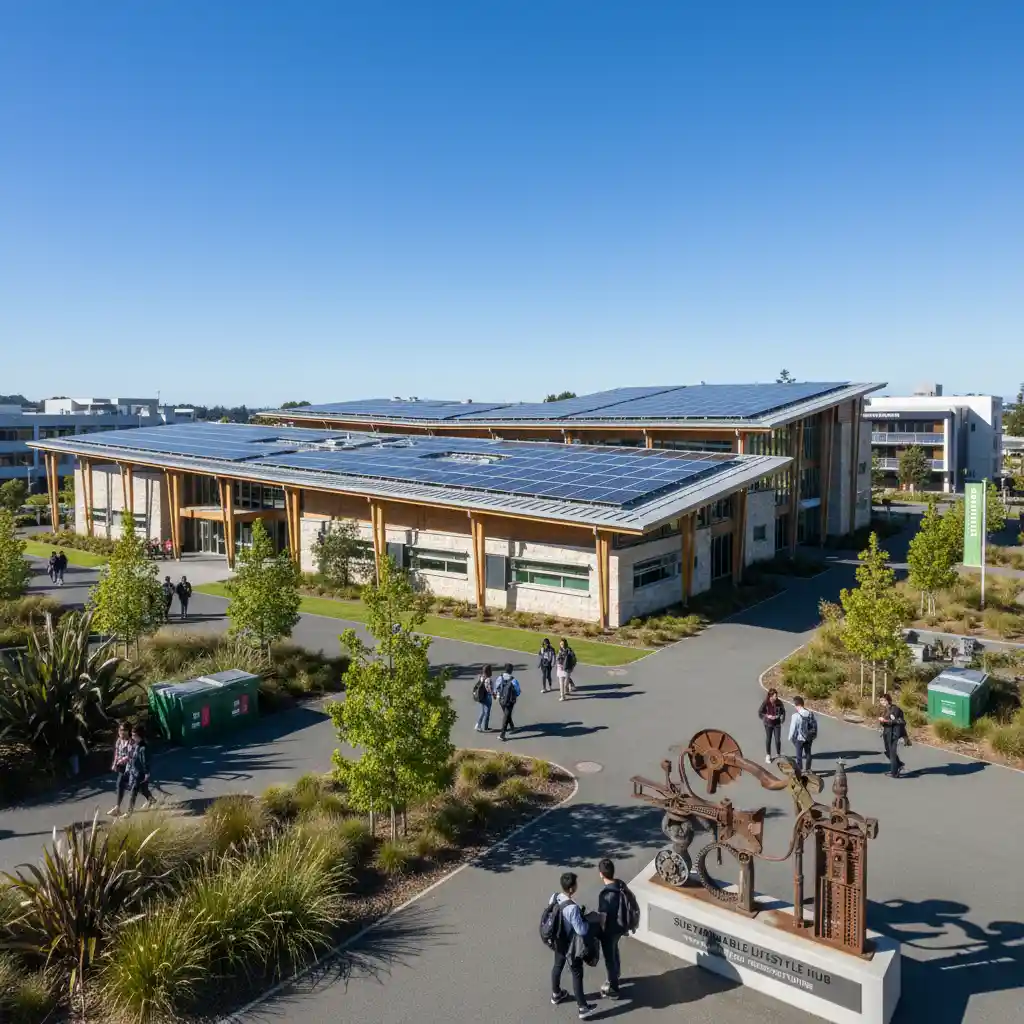
These systems can significantly offset electricity consumption, particularly during peak daytime hours when academic buildings are most active. Many institutions also implement solar thermal systems to heat water for cafeterias, gyms, and residential halls, further reducing reliance on conventional energy sources.
“Integrating solar technology not only powers our buildings but also powers the minds of our students, inspiring a new generation of clean energy innovators.”
STAT CALLOUT: Over 70% of universities in the United States have implemented some form of renewable energy, with solar being the most common.
Wind Energy at Educational Institutions: A Breath of Fresh Air
While perhaps less common than solar due to siting requirements, wind energy plays a vital role in the portfolio of campus renewable energy initiatives, particularly for institutions with ample open space or coastal proximity. Wind turbines, ranging from small experimental models to utility-scale structures, harness kinetic energy to produce electricity.
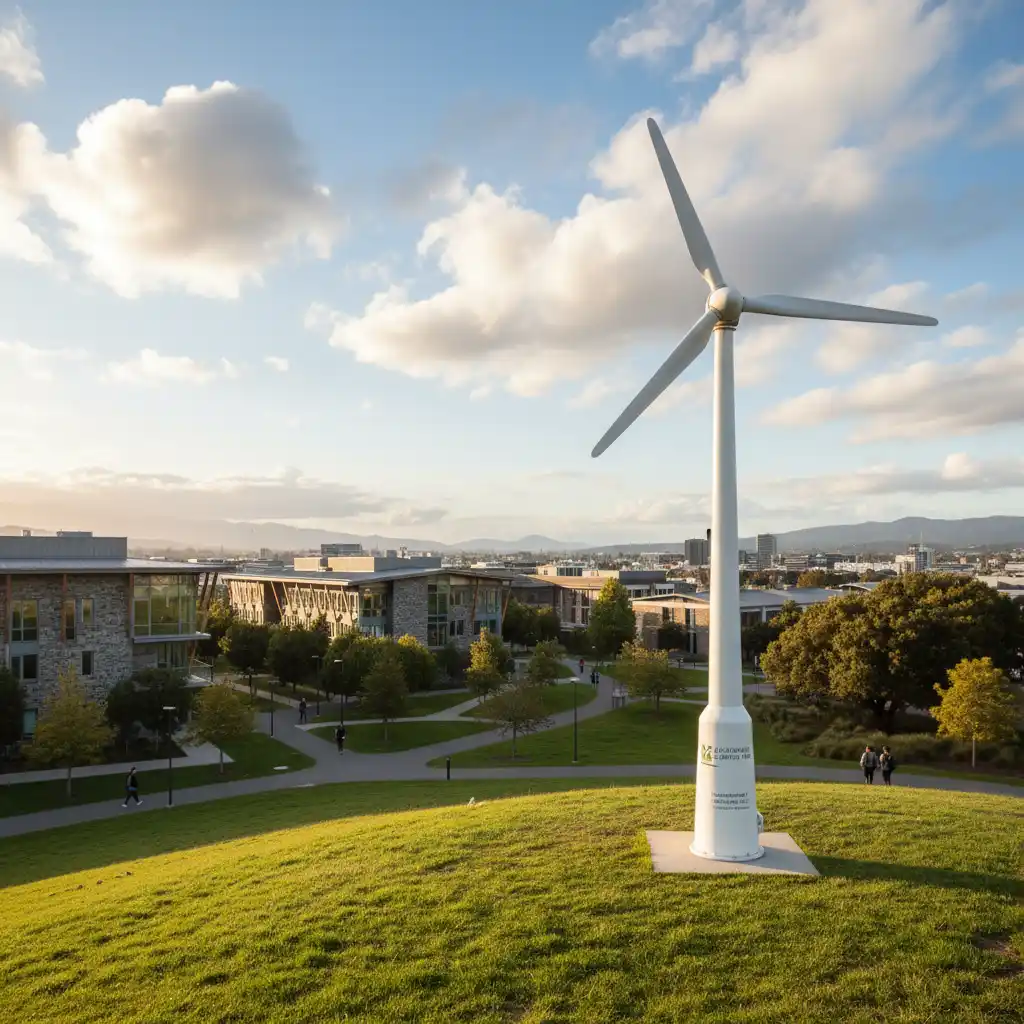
These installations often serve as powerful symbols of a campus’s commitment to sustainability and offer unparalleled educational opportunities in engineering, environmental science, and policy. New Zealand, with its often windy conditions, presents significant potential for such initiatives at its larger institutions.
STAT CALLOUT: Some university wind turbine projects provide up to 100% of campus electricity needs during optimal wind conditions.
Geothermal Solutions for Campuses: Tapping Earth’s Heat
Geothermal energy, often hidden beneath the surface, offers a consistent and efficient renewable energy source, particularly for heating and cooling buildings. Geothermal heat pump (GHP) systems leverage the Earth’s stable underground temperature to provide efficient climate control, significantly reducing energy consumption compared to conventional HVAC systems.
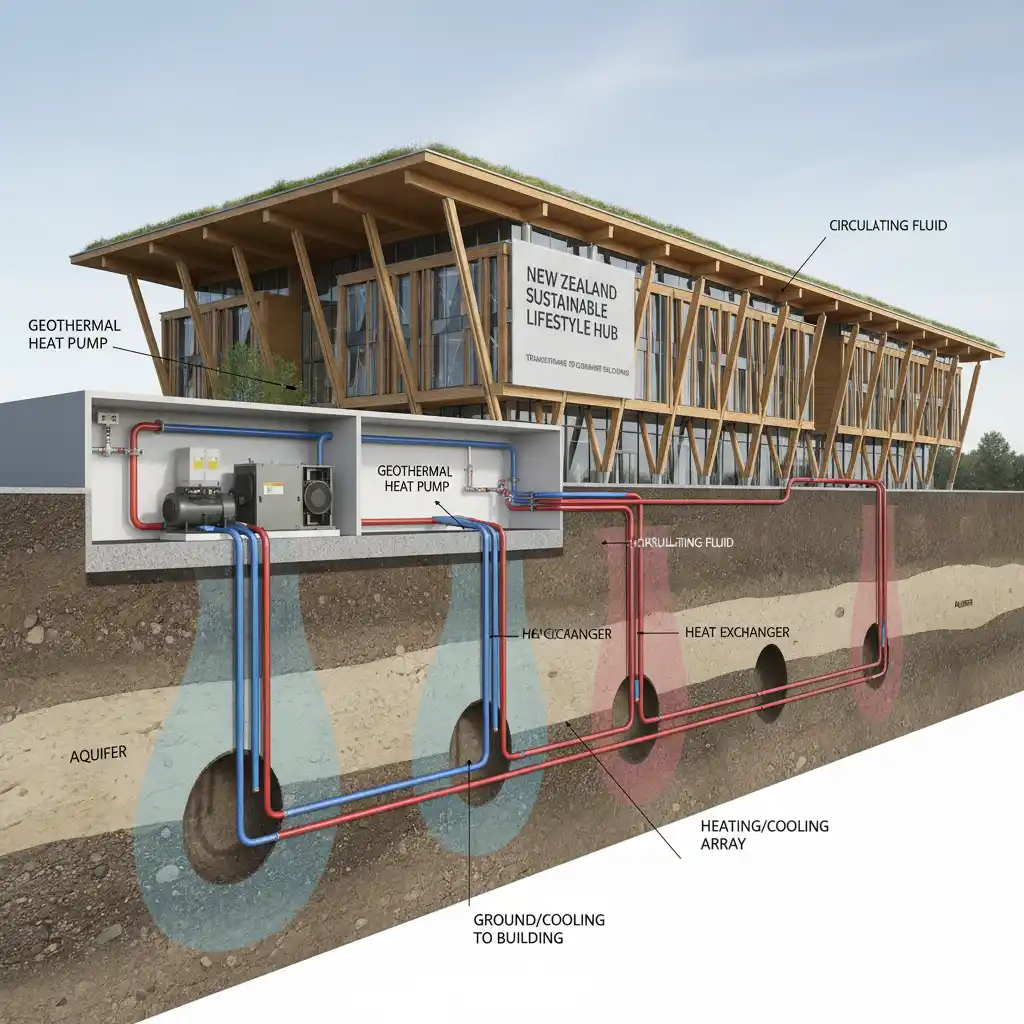
In regions like New Zealand, known for its geothermal activity, direct use of geothermal resources can also provide district heating for entire campuses, as seen in some municipal applications. These systems offer significant long-term savings and a stable, baseload renewable energy supply.
STAT CALLOUT: Geothermal heat pumps can reduce heating and cooling costs by 25-50% compared to conventional systems.
Beyond Technology: The Holistic Impact of Campus Initiatives
The benefits of campus renewable energy initiatives extend far beyond mere energy generation. These projects foster a culture of sustainability, engage students and faculty in real-world problem-solving, and contribute to the institution’s reputation as a leader in environmental stewardship.
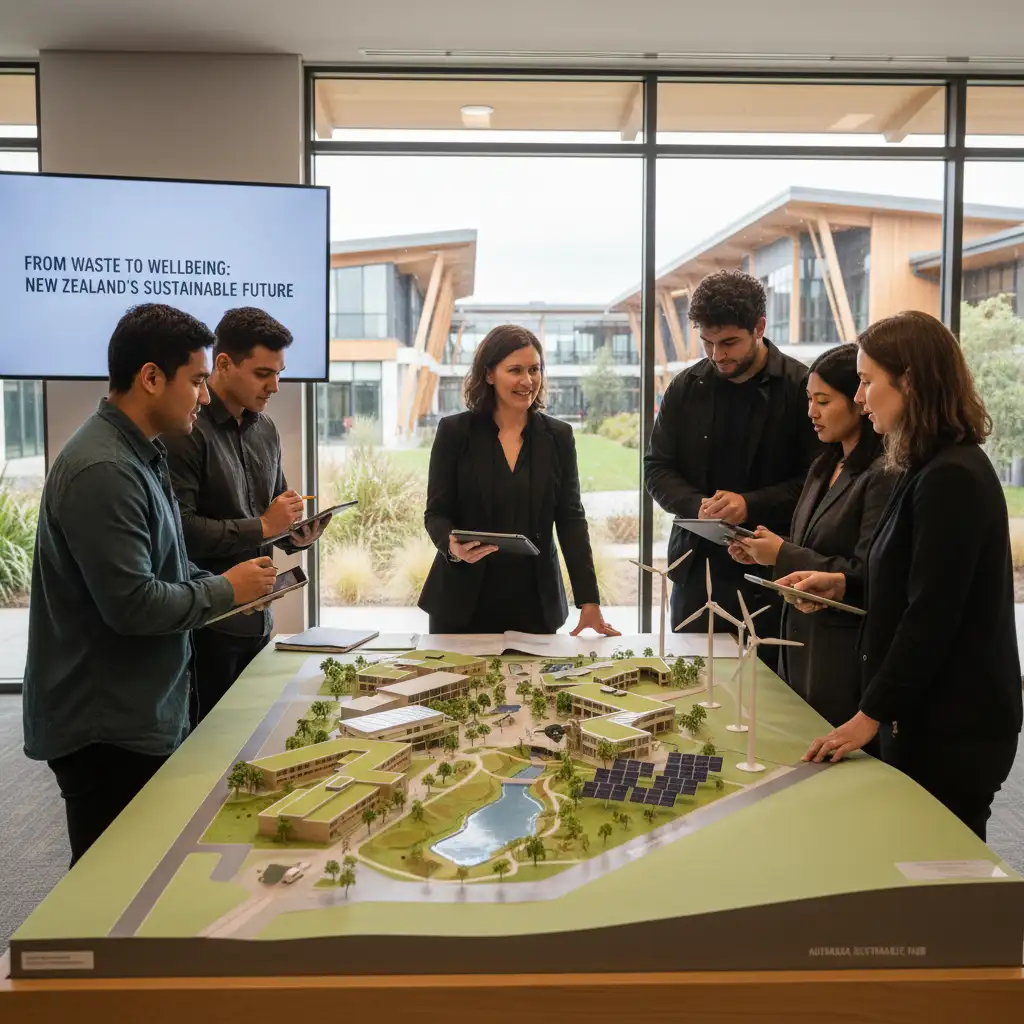
- Educational Opportunities: Campuses become living laboratories where students can research, monitor, and maintain renewable energy systems.
- Community Engagement: These initiatives often involve partnerships with local businesses, governments, and communities, promoting broader sustainable practices.
- Reduced Carbon Footprint: A direct and measurable reduction in greenhouse gas emissions, contributing to global climate goals.
- Cost Savings: While initial investments can be substantial, long-term operational savings on energy bills are significant.
By embracing solar, wind, and geothermal technologies, universities and colleges are not just changing their own energy consumption patterns; they are inspiring future generations to live more sustainably and innovate solutions for a greener world.
Conclusion: Educating for a Renewable Future
The widespread adoption of campus renewable energy initiatives – from sophisticated solar arrays to efficient geothermal systems and symbolic wind turbines – marks a pivotal shift in how educational institutions operate and teach. These efforts underscore a profound commitment to environmental responsibility, financial prudence, and academic excellence.
As New Zealand continues its journey towards a sustainable lifestyle, the insights and innovations emerging from its campuses will undoubtedly play a crucial role in shaping a resilient, renewable future for all. The lessons learned today on campus grounds will empower the leaders and innovators of tomorrow to tackle the world’s most pressing environmental challenges.
Frequently Asked Questions (FAQ)
What are the primary benefits of campus renewable energy initiatives?
The primary benefits include a reduced carbon footprint, lower long-term energy costs, enhanced educational opportunities for students, improved institutional reputation, and a tangible commitment to fighting climate change. They also serve as powerful examples of sustainable living.
Which renewable energy sources are most common on campuses?
Solar photovoltaic (PV) systems are the most common due to their versatility and declining costs. Geothermal heat pump systems are also increasingly popular for efficient heating and cooling. Wind energy is used on campuses with suitable geographical conditions.
Are campus renewable energy projects cost-effective?
While initial investment can be significant, many projects become cost-effective over their lifespan through reduced energy bills, government incentives, and potential carbon credit schemes. They provide long-term financial stability and hedge against fluctuating energy prices.
How do these initiatives impact student learning?
Campus renewable energy projects create living laboratories for hands-on learning, research, and interdisciplinary studies. Students gain practical experience in engineering, environmental science, policy, and project management, preparing them for careers in the green economy.
References & Sources
- U.S. Energy Information Administration (EIA) – Data on renewable energy adoption.
- The Sierra Club’s Cool Schools List – Annual rankings of sustainable campuses.
- Universities New Zealand – Information on sustainability initiatives within NZ universities.
- U.S. Environmental Protection Agency (EPA) – Resources on geothermal heat pumps and energy efficiency.
- New Zealand Transport Agency (NZTA) – Information related to sustainable practices (general context).