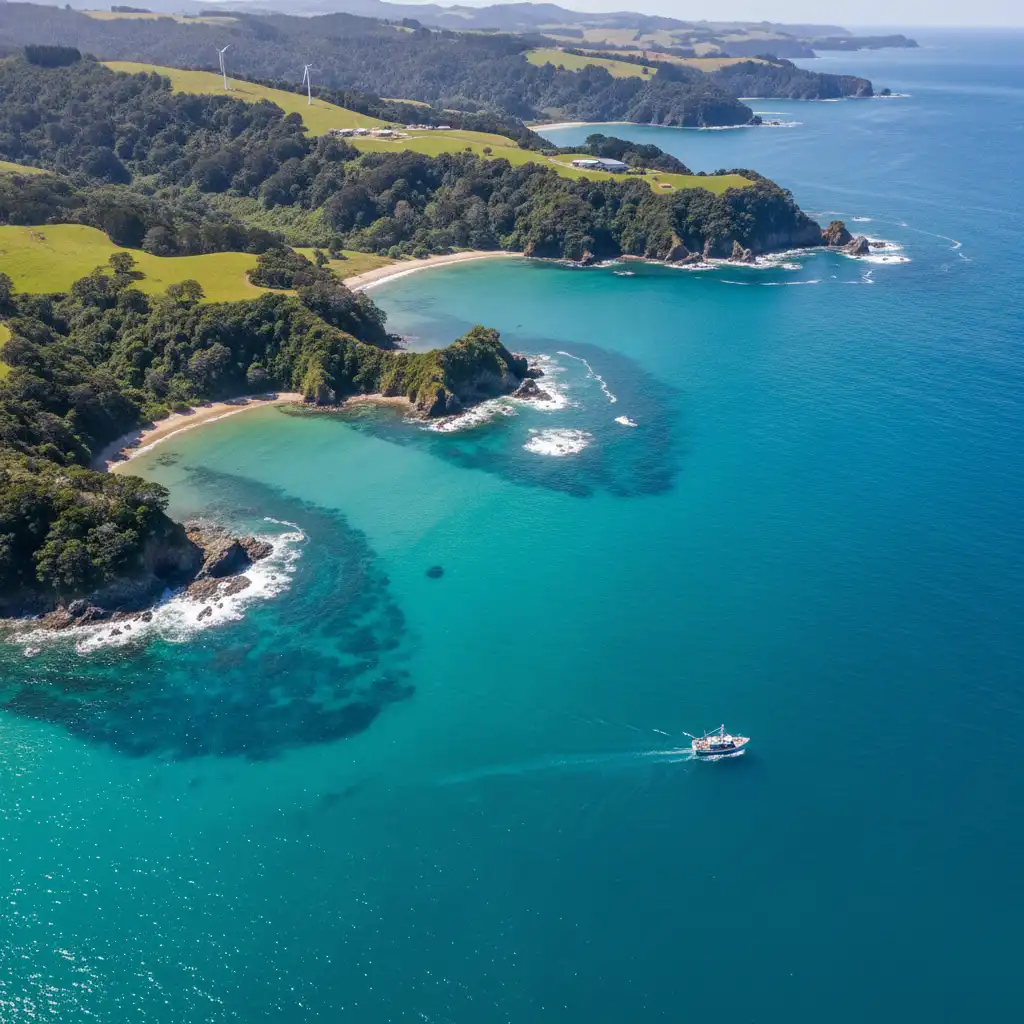
Bycatch Reduction: Innovative Fishing Gear & Practices
Exploring cutting-edge solutions for sustainable fisheries and marine ecosystem health.
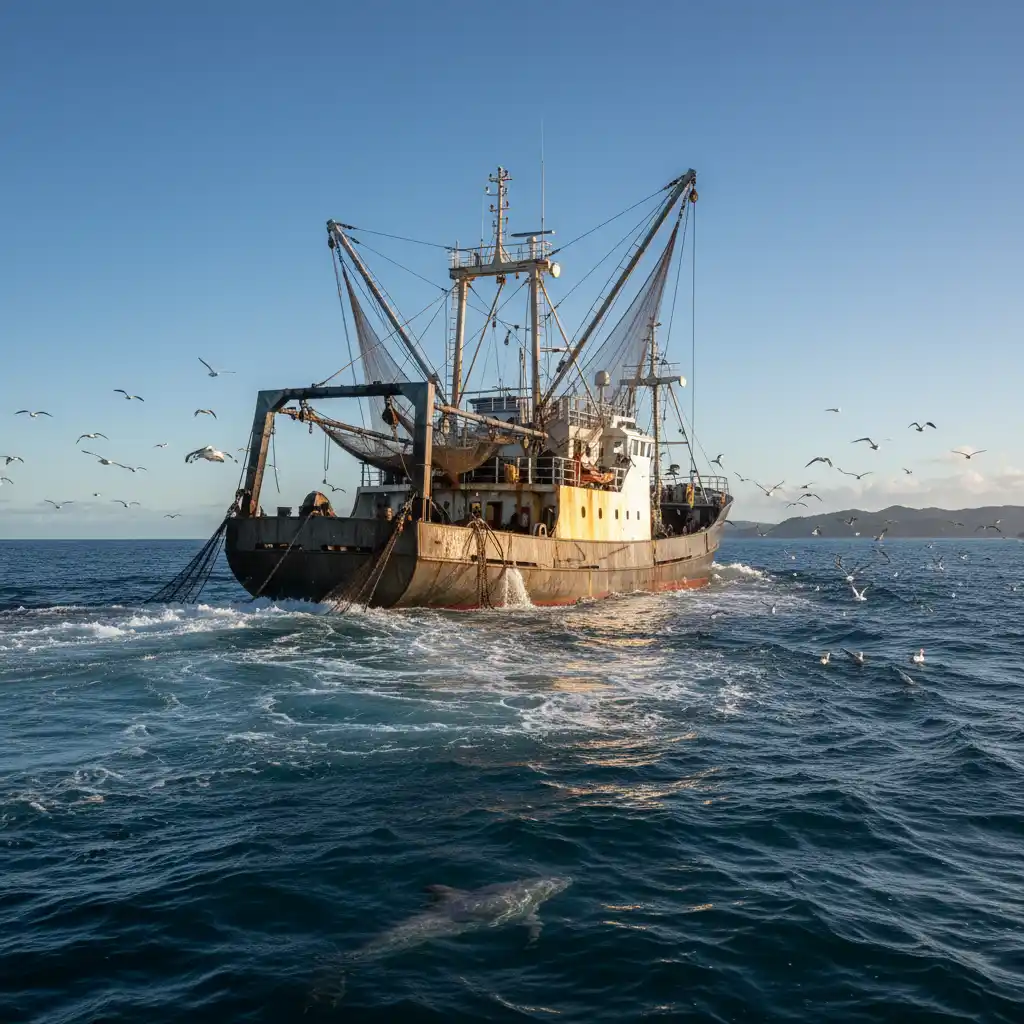
The vast, bountiful oceans are a source of life, food, and wonder. Yet, beneath the surface, a silent crisis often unfolds: bycatch. This unintended catch, comprising non-target species, poses a significant threat to marine biodiversity, the sustainability of fishing industries, and the delicate balance of our underwater ecosystems. From charismatic megafauna like dolphins and turtles to crucial forage fish and deep-sea corals, bycatch impacts virtually every corner of our marine world.
But there’s hope on the horizon. A growing movement driven by scientists, conservationists, policymakers, and innovative fishers is developing and implementing ingenious solutions to tackle this challenge head-on. This article delves into the world of bycatch reduction, exploring the innovative fishing gear and practices that are reshaping the future of sustainable seafood and ocean stewardship.
Table of Contents
- Understanding Bycatch: A Pressing Global Issue
- The Impact of Bycatch: Why It Matters
- Innovative Fishing Gear for Bycatch Reduction
- Sustainable Fishing Practices & Policies
- New Zealand’s Commitment to Bycatch Reduction
- The Future of Bycatch Reduction
- Conclusion
- Frequently Asked Questions (FAQ)
- References & Sources
Understanding Bycatch: A Pressing Global Issue
At its core, bycatch refers to the capture of non-target marine animals during fishing operations. This can include anything from undersized fish of a target species to endangered turtles, seabirds, marine mammals, and even deep-sea corals inadvertently snared by trawl nets or longlines. It’s often an unavoidable consequence of non-selective fishing methods, but its scale and impact are a cause for serious concern.
The problem isn’t just about mortality; bycatch can disrupt marine food webs, impact ecosystem health, and undermine the stock recovery efforts for threatened species. For fishing communities, it also represents an economic loss – wasted effort, wasted resources, and potential regulatory restrictions.
The Impact of Bycatch: Why It Matters
The ecological and economic ramifications of bycatch are profound. Globally, it’s estimated that millions of tons of marine life are discarded annually, a staggering waste that affects ocean ecosystems at multiple levels. Addressing bycatch reduction is not just an environmental imperative; it’s also crucial for the long-term viability of fisheries and the livelihoods they support.
Stat Callout: The Scale of Bycatch
“Globally, bycatch can account for up to 40% of total catch in some fisheries, representing millions of tons of marine life annually. This significantly impacts biodiversity and ocean health, emphasizing the urgent need for effective bycatch reduction strategies.”
Stat Callout: Endangered Species at Risk
“Tens of thousands of sea turtles, hundreds of thousands of seabirds, and countless marine mammals are caught as bycatch each year. For critically endangered species, even a small number of bycatch fatalities can push them closer to extinction.”
Innovative Fishing Gear for Bycatch Reduction
Technological advancements are at the forefront of the fight against bycatch. Engineers and scientists are collaborating with fishers to design and implement smarter, more selective gear that minimizes interaction with non-target species while maintaining efficiency for the intended catch.
Turtle Excluder Devices (TEDs)
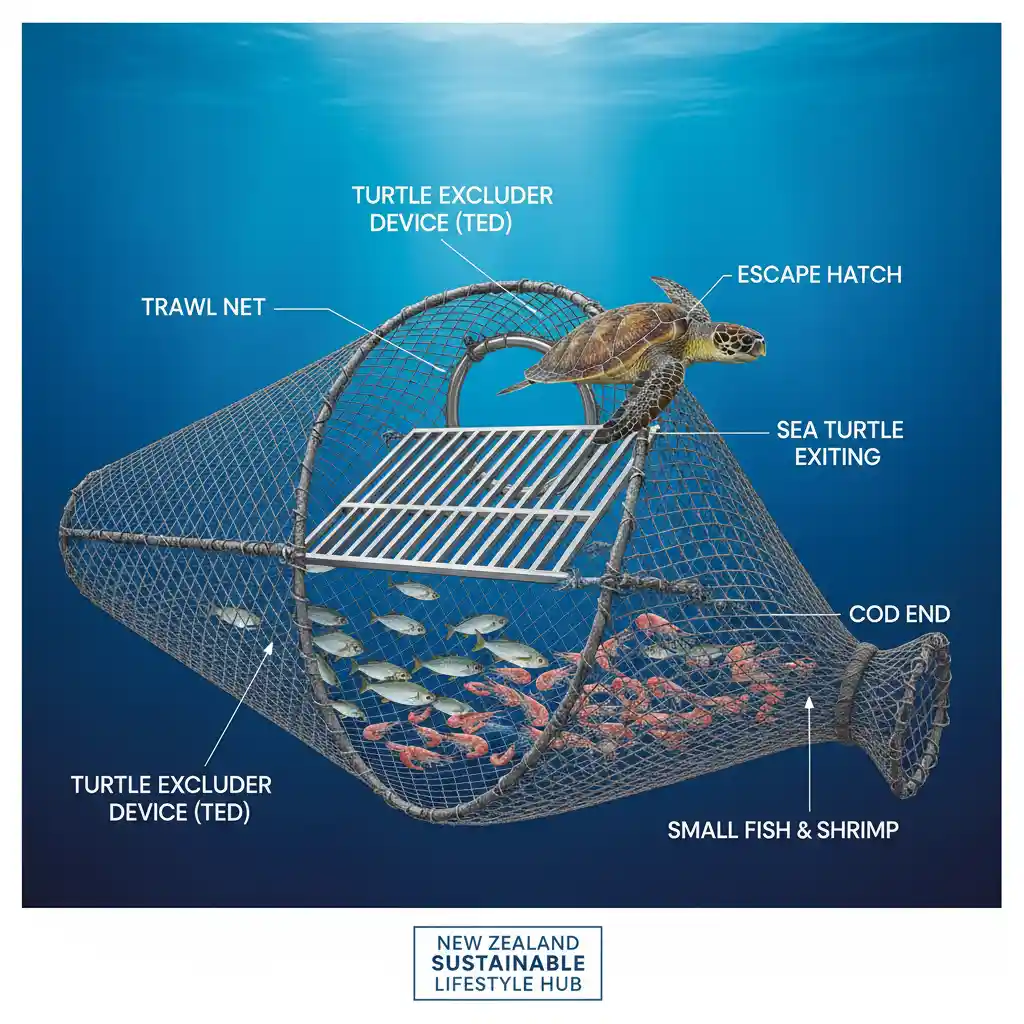
Primarily used in shrimp trawl fisheries, TEDs are specialized grids installed in the neck of a trawl net. They are designed to allow shrimp to pass through to the cod end (the collection bag) while guiding larger animals, such as sea turtles and large fish, to an escape opening in the net. TEDs have proven highly effective in reducing turtle bycatch without significantly impacting shrimp catch.
Bycatch Reduction Devices (BRDs)
Similar in concept to TEDs but broader in application, BRDs are modifications to trawl nets designed to allow specific non-target fish to escape. These can include square mesh panels (which are less likely to gill fish than diamond mesh), separator funnels, or specific grids that exploit differences in size and swimming behavior between target and non-target species. Their use is a cornerstone of effective bycatch reduction strategies in many trawl fisheries.
Acoustic Deterrents & Pingers
For gillnet and trawl fisheries, acoustic deterrents (often called ‘pingers’) emit high-frequency sounds that can warn marine mammals, particularly dolphins and porpoises, away from fishing gear. While their effectiveness can vary by species and region, they represent a vital tool in mitigating marine mammal bycatch, aligning with global efforts for responsible fishing.
Circle Hooks and Line Modifications
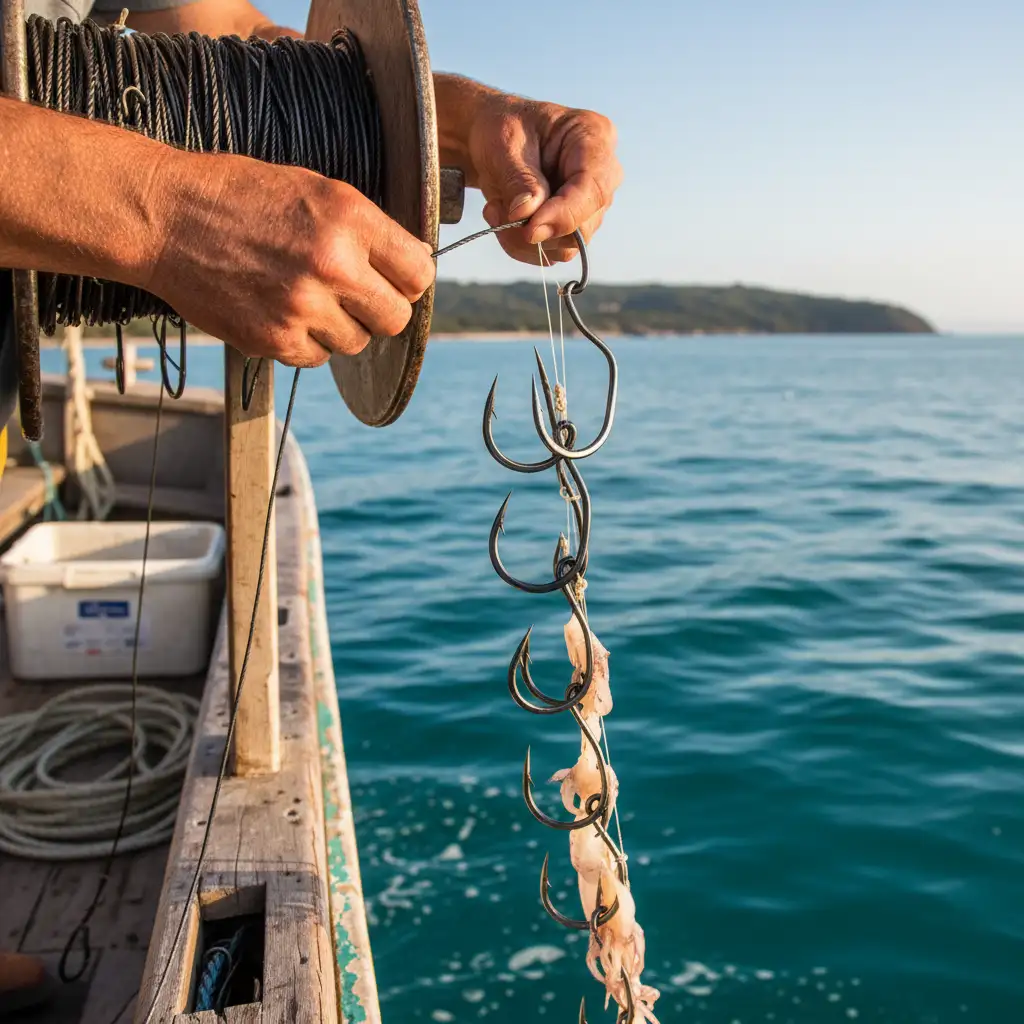
In longline fisheries, traditional J-hooks often lead to deep hooking of sea turtles, seabirds, and non-target fish. Circle hooks, with their unique design, are much less likely to be swallowed, typically catching animals in the corner of the mouth, making release much safer and increasing survival rates. Other modifications include weighting lines to sink quickly out of seabirds’ reach and using streamer lines (‘tori lines’) to deter birds from baited hooks.
Smart Netting and Camera Systems
Emerging technologies include netting materials that are more visible to marine animals, allowing them to avoid entanglement, and underwater camera systems that provide real-time feedback to fishers, enabling them to make immediate adjustments to avoid concentrations of bycatch species.
Sustainable Fishing Practices & Policies
Beyond gear modifications, changes in fishing practices and robust policy frameworks are critical for comprehensive bycatch reduction.
Time and Area Closures
Temporarily or permanently closing certain fishing grounds, especially during sensitive periods like spawning seasons or when endangered species are known to aggregate, is a highly effective bycatch management tool. These closures protect vulnerable populations and give marine ecosystems space to recover.
Fisher Training and Education
Empowering fishers with the knowledge and skills to use bycatch reduction gear correctly, handle bycatch species gently for release, and understand the ecological context of their work is paramount. Training programs foster a culture of conservation within the industry.
Real-Time Data and Adaptive Management
Monitoring systems, including observer programs and electronic monitoring, provide crucial data on bycatch rates. This real-time information allows fisheries managers to implement adaptive management strategies, quickly adjusting regulations or fishing efforts in response to changing conditions or unexpected bycatch events.
New Zealand’s Commitment to Bycatch Reduction
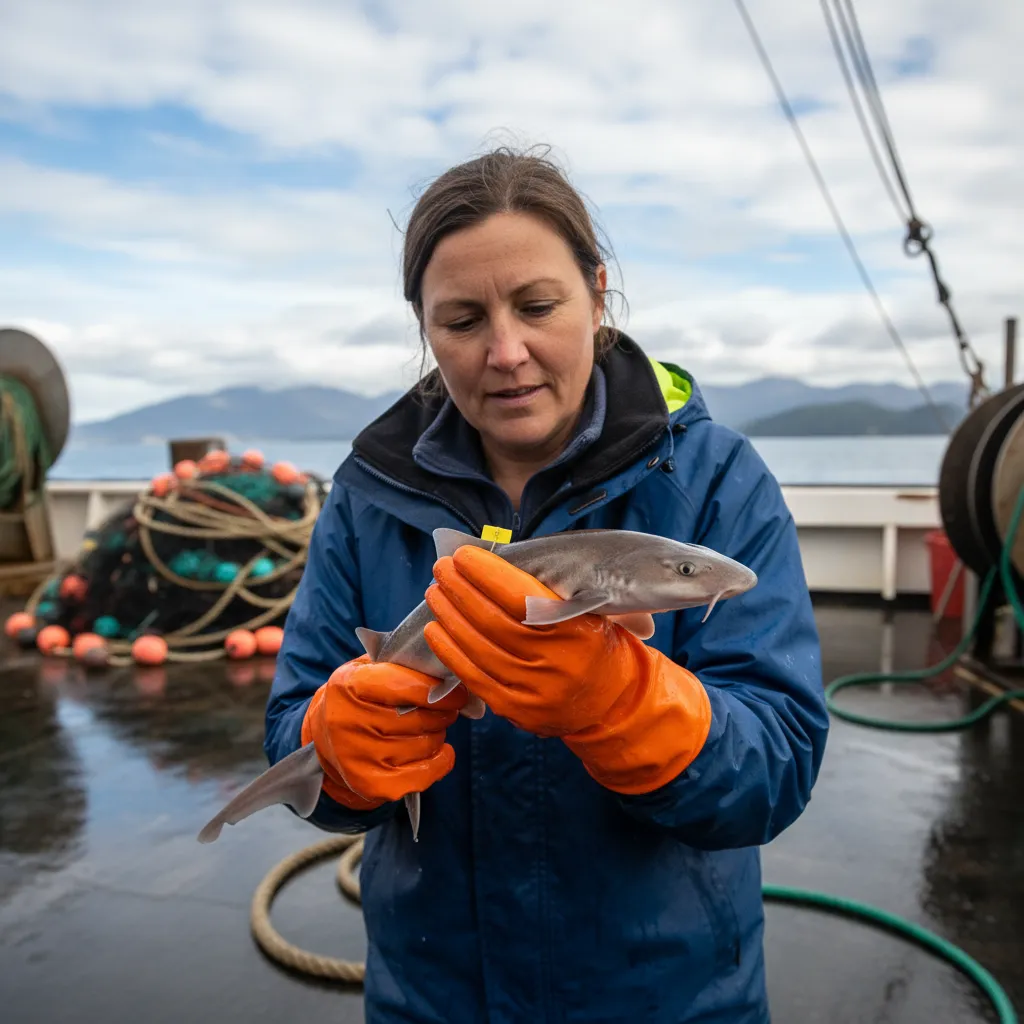
As a nation deeply connected to its marine environment, New Zealand is actively involved in bycatch reduction efforts. With its unique and often endemic marine wildlife, including Hector’s and Māui dolphins, various seabirds, and diverse fish stocks, New Zealand fisheries continually strive for more sustainable practices. This includes research into innovative gear, implementing species-specific management plans, and fostering collaboration between government, industry, and conservation groups to protect its precious marine heritage.
“New Zealand is committed to reducing the environmental footprint of its fisheries, with a strong focus on protecting marine biodiversity through targeted bycatch reduction initiatives and world-leading research.”
The Future of Bycatch Reduction
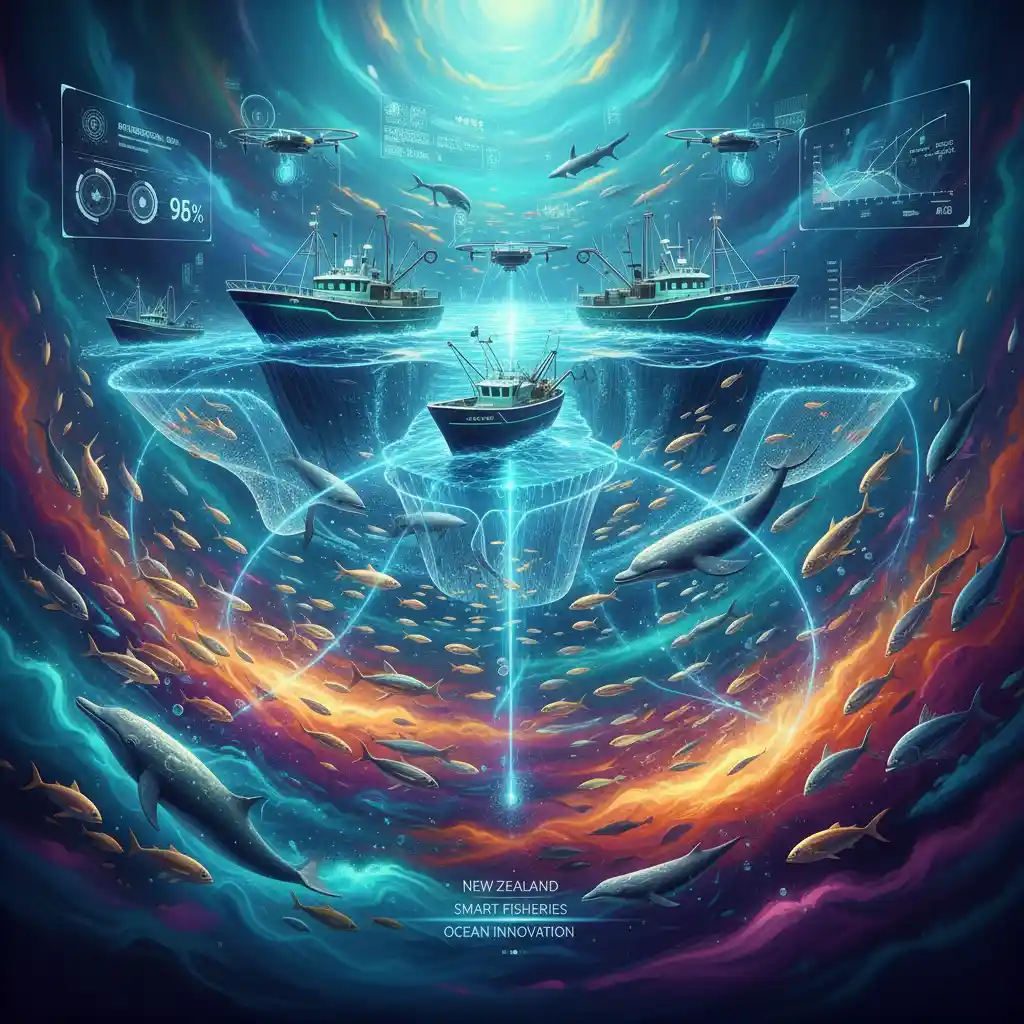
The journey towards zero bycatch is complex, but the momentum is undeniable. Future innovations may include advanced sensor technologies for precise fish detection, AI-driven predictive models to avoid bycatch hotspots, and further refinements in gear design that allow for even greater selectivity. Collaboration, ongoing research, and a shared commitment across all stakeholders will be key to achieving truly sustainable fisheries.
Conclusion
Bycatch reduction is a critical endeavor that balances the needs of human consumption with the imperative of marine conservation. Through the ingenious application of innovative fishing gear and the diligent adoption of sustainable practices, we are moving closer to a future where our oceans can thrive, supporting both vibrant marine ecosystems and prosperous fishing communities. Every step towards more selective fishing is a step towards a healthier, more sustainable planet.
Frequently Asked Questions (FAQ)
What is bycatch in fishing?
Bycatch refers to any marine species caught unintentionally during fishing operations. This includes non-target fish, marine mammals, seabirds, and sea turtles, which are often discarded, leading to significant ecological and economic waste.
Why is bycatch reduction important?
Bycatch reduction is crucial for marine conservation, protecting endangered species, maintaining ecosystem balance, and ensuring the long-term sustainability of fish stocks. It also improves the economic efficiency of fisheries by reducing wasted effort.
What are some examples of innovative fishing gear for bycatch reduction?
Key innovations include Turtle Excluder Devices (TEDs), Bycatch Reduction Devices (BRDs) in trawl nets, acoustic deterrents (pingers) for marine mammals, and circle hooks for longline fisheries, which improve the survival rate of incidentally caught animals.
How do fishing practices contribute to bycatch reduction?
Sustainable practices like time and area closures (avoiding fishing in sensitive habitats or during critical periods), real-time monitoring to adapt to bycatch hotspots, and comprehensive fisher training on best practices are vital for minimizing bycatch.
Can consumers help with bycatch reduction?
Yes! Consumers can support bycatch reduction by choosing sustainably sourced seafood, looking for eco-labels from certified organizations (like MSC), and educating themselves about responsible fishing practices. Your choices drive demand for more ethical and sustainable fishing.
References & Sources
- Food and Agriculture Organization of the United Nations (FAO). (Ongoing). The State of World Fisheries and Aquaculture. Retrieved from fao.org/fishery/sofia/en/
- WWF Global. (Ongoing). Bycatch: Undesirable Catches. Retrieved from worldwildlife.org/threats/bycatch
- National Oceanic and Atmospheric Administration (NOAA) Fisheries. (Ongoing). Bycatch Reduction. Retrieved from fisheries.noaa.gov/bycatch-reduction
- Marine Stewardship Council (MSC). (Ongoing). Bycatch. Retrieved from msc.org/what-we-do/our-approach/bycatch
- New Zealand Ministry for Primary Industries (MPI). (Ongoing). Fisheries Management & Research. Retrieved from mpi.govt.nz/fishing-aquaculture/commercial-fishing/fisheries-management/