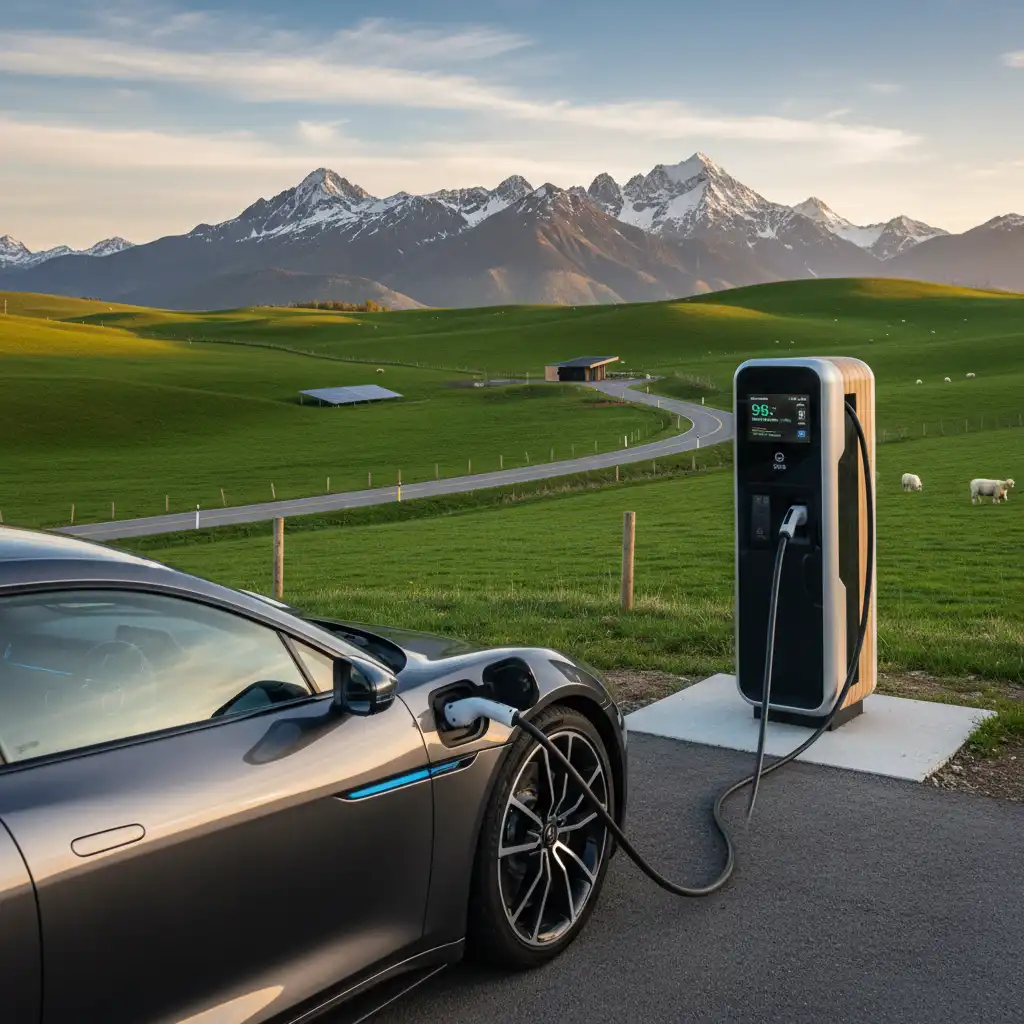
Building Sustainable EVs: Charging Stations & Renewables in Aotearoa
Driving an electric vehicle is a fantastic step towards a greener lifestyle. But for true sustainability, we need to look beyond the car itself and understand the ecosystem that powers it: from charging infrastructure to the renewable energy sources that fuel our journeys. In New Zealand, a country rich in natural energy, this conversation is more vital than ever.
Table of Contents
The Sustainable EV Journey in Aotearoa
The global shift towards electric vehicles (EVs) represents a monumental leap in sustainable transportation. For New Zealanders, it’s an opportunity to leverage our abundant natural resources and create a truly green transport system. But simply owning an EV isn’t the whole story. The journey towards building sustainable EVs involves a holistic approach, considering everything from manufacturing emissions to the origin of the electricity used for charging.
Aotearoa has set ambitious targets for decarbonisation, and EV adoption plays a crucial role. As consumers, understanding the broader ecosystem—especially charging stations & renewables—empowers us to make choices that amplify our positive impact. It’s about ensuring our EVs are not just clean at the tailpipe, but clean from energy source to wheel.
Why Sustainable EVs Matter
Beyond reducing local air pollution, sustainable EVs contribute significantly to mitigating climate change. This means sourcing minerals ethically, efficient manufacturing, and crucially, powering them with renewable energy. New Zealand’s high percentage of renewable electricity already gives us a head start, making EV ownership inherently greener here than in many other nations.
“Embracing EVs powered by our clean energy future is a cornerstone of New Zealand’s commitment to a carbon-neutral economy.”
Powering Up: EV Charging Infrastructure
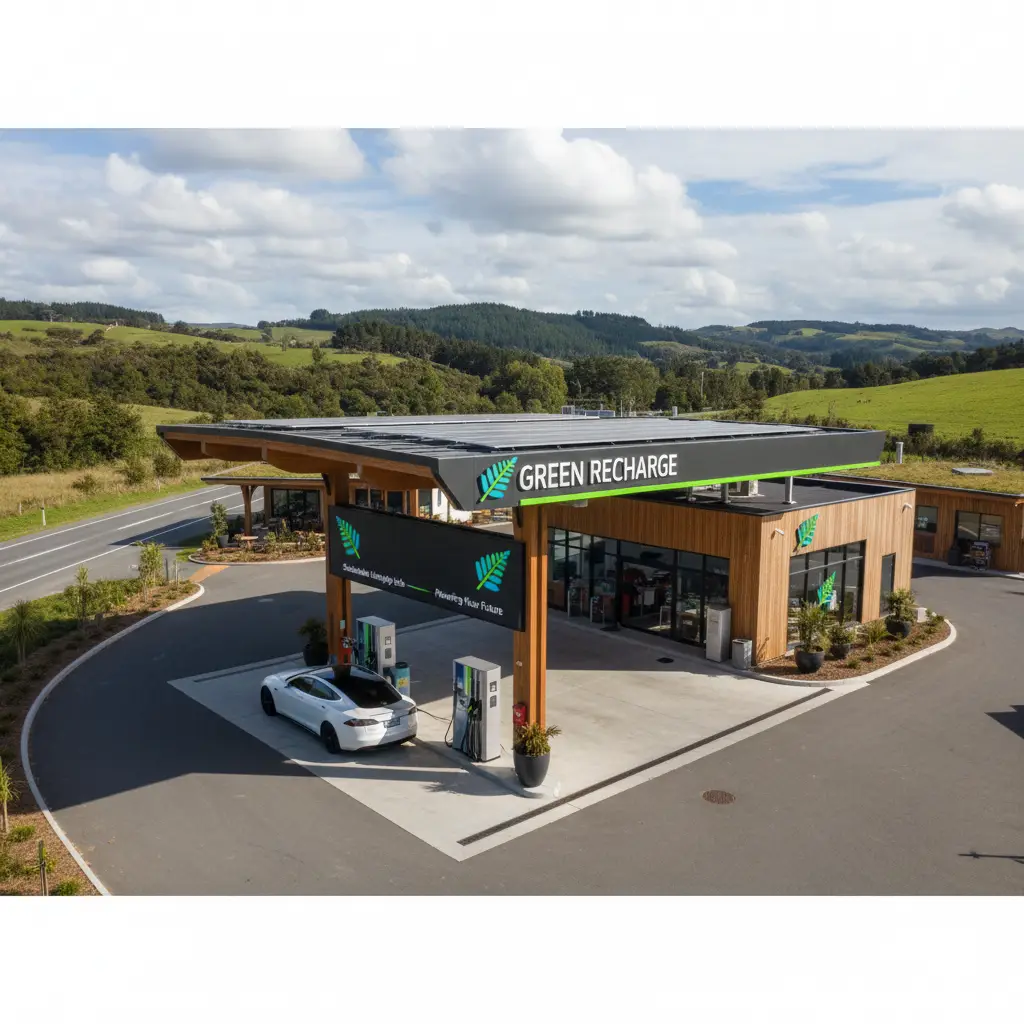
The backbone of any successful EV transition is a robust and accessible charging network. In New Zealand, investment in EV charging stations continues to grow, providing drivers with options whether they’re at home, work, or on a road trip. Understanding the different types of charging helps optimise your EV experience and supports the wider grid.
Types of Charging: From Home to Highway
- Level 1 (Standard Wall Socket): Slowest, using a regular 3-pin plug. Ideal for overnight trickle charging at home.
- Level 2 (Dedicated Charger): Faster home or public charging, typically 7-22kW. Requires specific installation for home use.
- DC Fast Charging (Rapid Chargers): Fastest option (50kW to 350kW+), found at public stations along major routes. Can add hundreds of kilometres of range in minutes. Crucial for long-distance travel across New Zealand.
The availability of these charging options is key to reducing range anxiety and accelerating EV adoption. Initiatives like ChargeNet and Power Trip are rapidly expanding the public charging network across both the North and South Islands.
Smart Charging for a Smarter Grid
Smart charging allows your EV to communicate with the grid, optimising when and how it charges. This means charging when electricity demand is low (and often cheaper), or when renewable energy generation is abundant. This technology is vital for building sustainable EVs by balancing grid load and maximising green energy use.
Vehicle-to-Grid (V2G) technology takes this a step further, allowing your EV to feed excess energy back into your home or the grid during peak demand. This transforms EVs from mere consumers to active participants in energy management, supporting grid stability and resilience.
Renewables: The Heart of Green Transport
The true sustainability of an EV hinges on where its electricity comes from. In New Zealand, we’re fortunate that a significant portion of our electricity already comes from clean, renewable sources. This makes the carbon footprint of driving an EV in Aotearoa considerably lower than in countries reliant on fossil fuels for power generation.
New Zealand’s Renewable Advantage
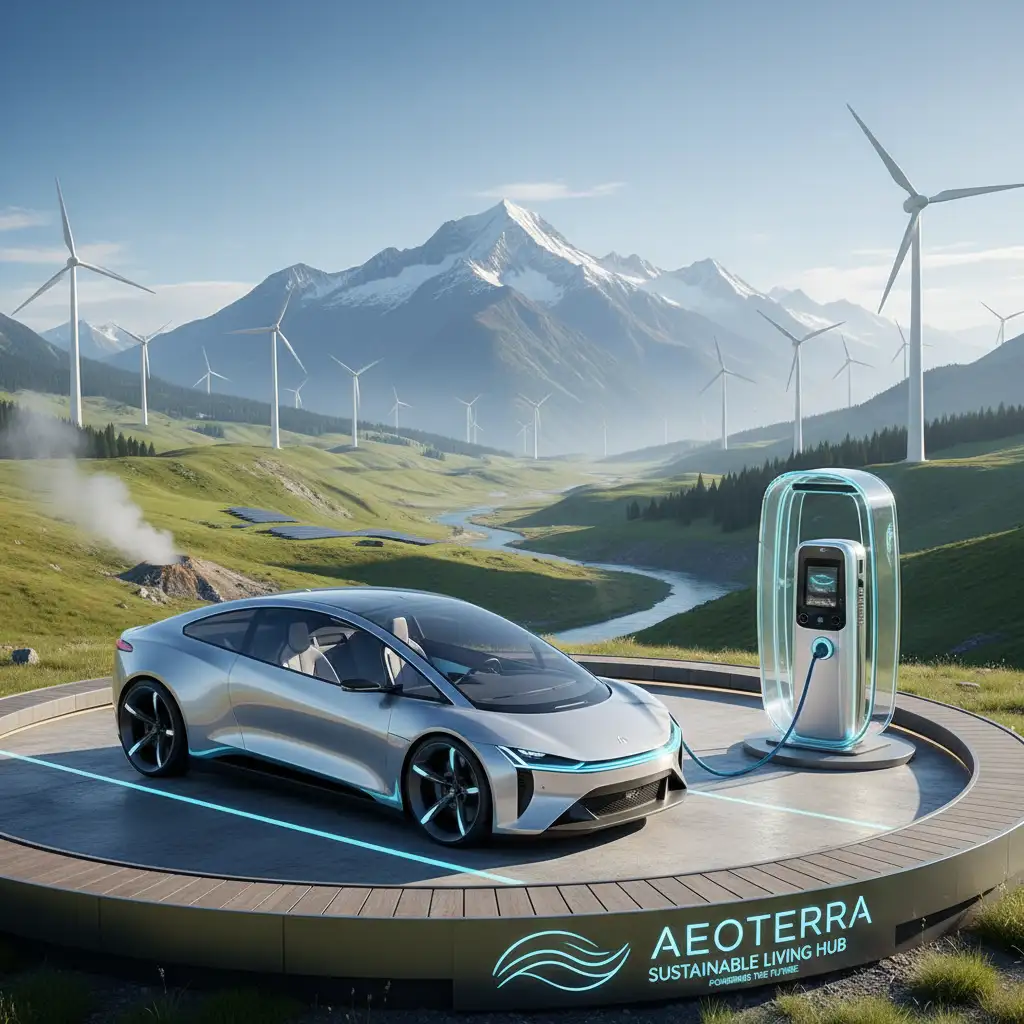
New Zealand boasts one of the highest proportions of renewable electricity generation in the world, primarily from:
- Hydroelectric Power: Our extensive river systems and lakes are harnessed to provide a stable and significant base load of clean energy.
- Geothermal Energy: Tapping into the earth’s heat, particularly in the North Island’s volcanic zones, provides a constant and reliable power source.
- Wind Power: Increasingly important, wind farms are popping up across the country, capitalising on New Zealand’s breezy conditions.
Stat Callout: New Zealand typically generates over 80% of its electricity from renewable sources, a figure the government aims to increase to 100% by 2030, further solidifying the sustainability of our EV fleet. (MBIE Energy in New Zealand)
Integrating EVs with Renewable Grids
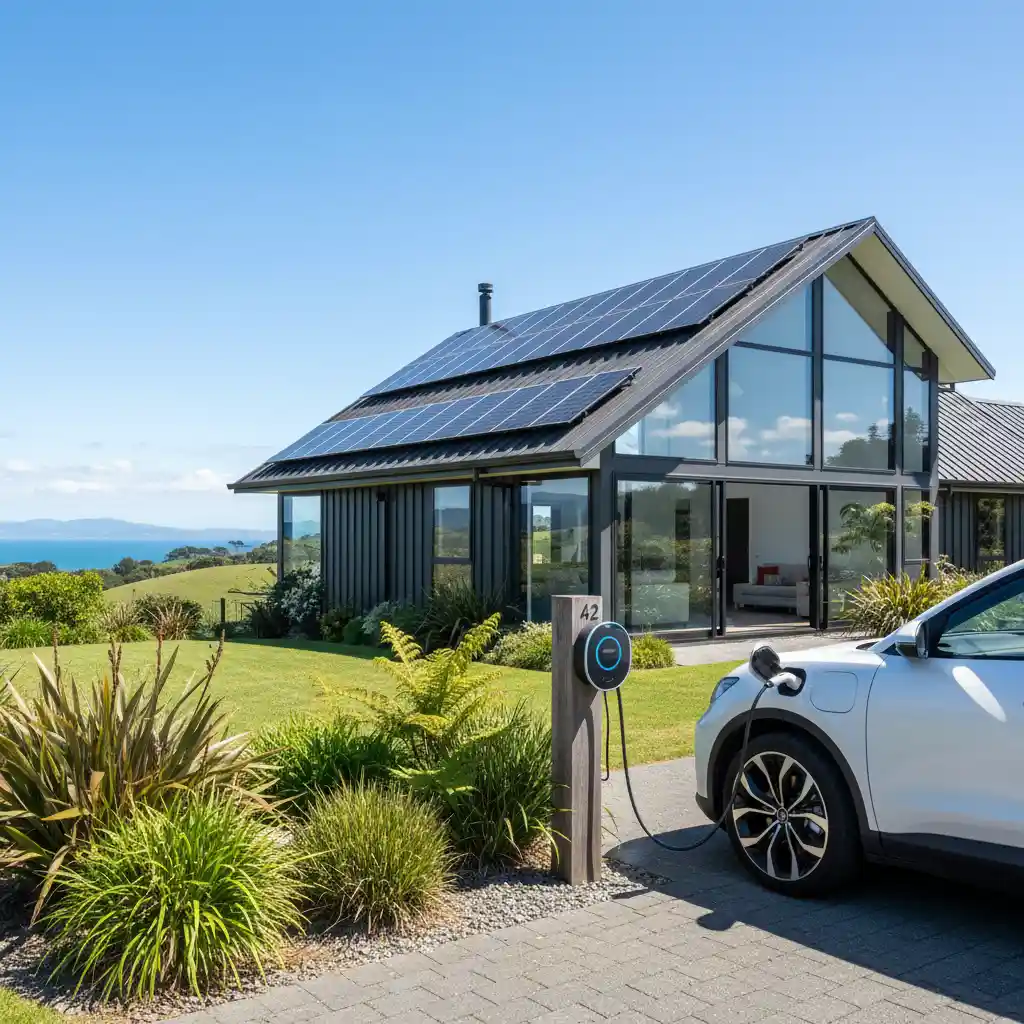
Seamless integration of charging stations & renewables is paramount for a truly green transport future. This means optimising charging times to align with peak renewable generation, and investing in battery storage solutions to manage intermittency. Solar PV on homes and businesses, coupled with home battery storage, allows EV owners to directly charge their vehicles with self-generated clean energy.
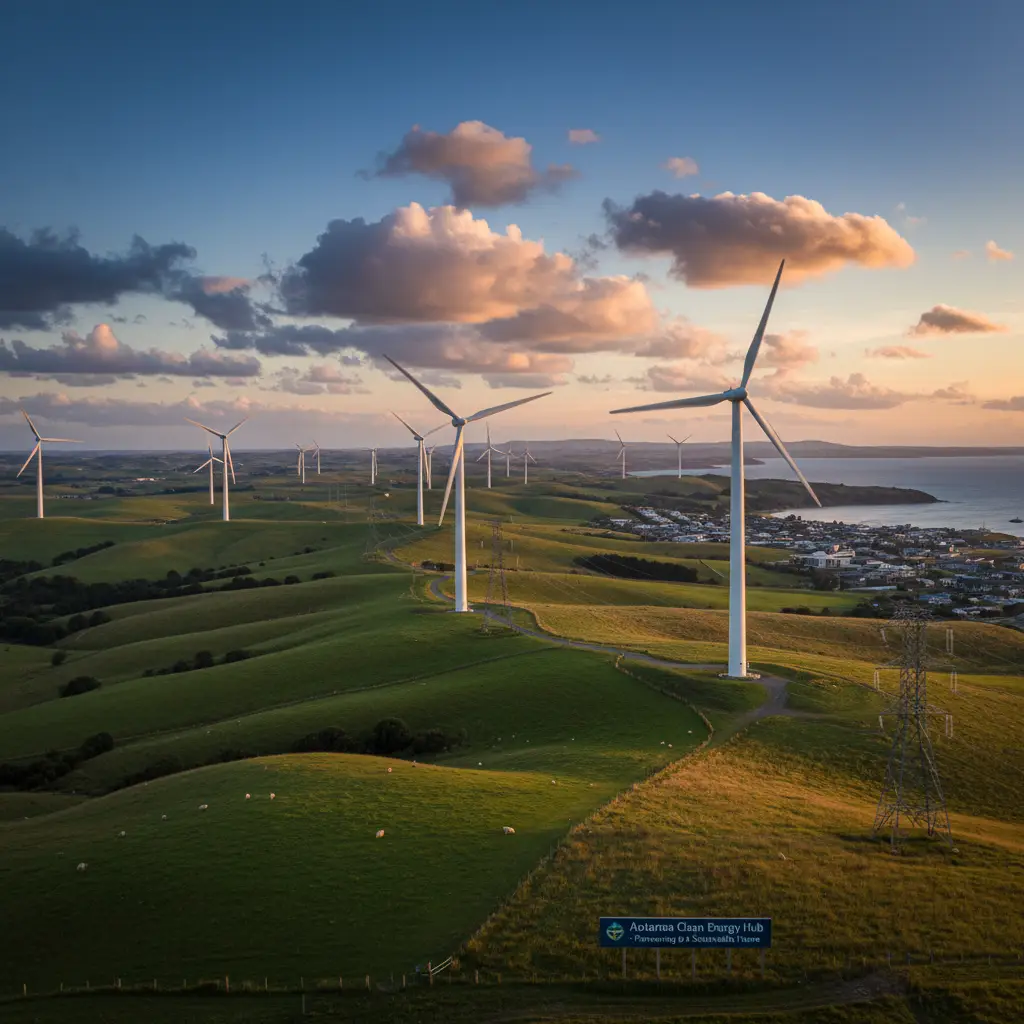
Pros & Cons: Different Renewable Sources for EV Charging Integration
Hydro & Geothermal
- Pros: Highly reliable, consistent base load power, well-established infrastructure in NZ.
- Cons: Limited by geographic availability, initial environmental impact of dam construction (hydro).
Wind & Solar
- Pros: Widely deployable, zero emissions during operation, scalable for individual and large-scale use.
- Cons: Intermittent (weather-dependent), requires battery storage or grid balancing for consistent supply.
Challenges and The Road Ahead
While the outlook for building sustainable EVs in New Zealand is bright, challenges remain. Ensuring grid stability with increasing EV load, managing battery lifecycle and recycling, and expanding charging infrastructure to remote areas are key focus areas. Government initiatives and private sector innovation are crucial to overcome these hurdles.
Furthermore, educating consumers about the true environmental benefits of charging with renewable energy sources—and how to access them—is an ongoing task for a sustainable lifestyle hub like ours. The more informed we are, the better choices we can make for our personal transport and our planet.
Conclusion: A Cleaner Future on Wheels
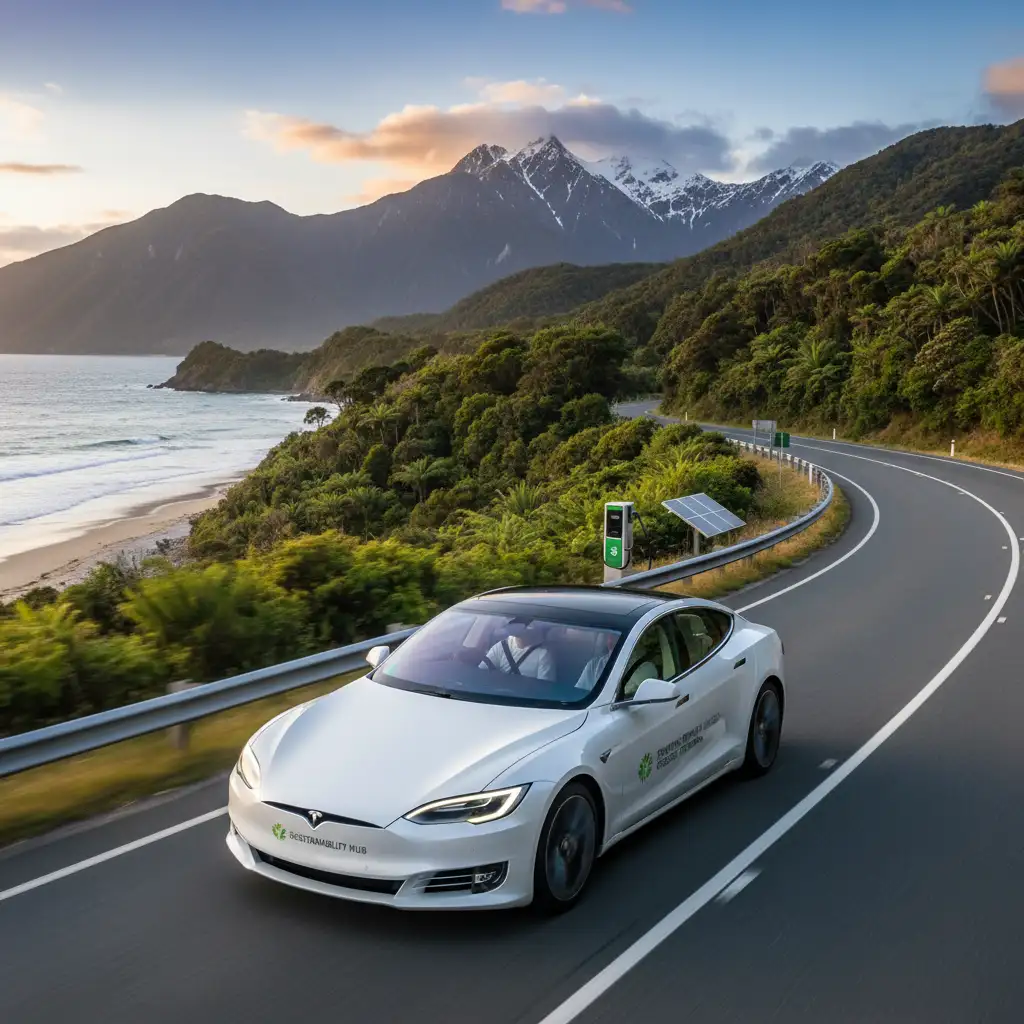
The journey towards a truly sustainable transport system in New Zealand is well underway. By focusing on building sustainable EVs, supported by an expanding network of efficient charging stations & renewables, we are paving the way for a cleaner, greener Aotearoa. Every EV charged with renewable energy contributes to this vision, reducing our collective carbon footprint and ensuring a healthier environment for future generations.
As technology advances and infrastructure develops, the synergy between electric vehicles and New Zealand’s abundant renewable resources will only strengthen, making sustainable driving not just a choice, but the norm.
Frequently Asked Questions
Are EVs truly sustainable if they use electricity from fossil fuels?
While an EV itself produces zero tailpipe emissions, its overall sustainability depends on the electricity source. In New Zealand, over 80% of electricity comes from renewables (hydro, geothermal, wind), making EVs here significantly more sustainable than in countries reliant on fossil fuels for power generation. The goal is 100% renewables for an even greener future.
How is New Zealand expanding its EV charging network?
New Zealand’s public and private sectors are actively expanding the charging network. Companies like ChargeNet and Power Trip are installing rapid DC chargers along major routes and in urban centres. Local councils and private businesses are also adding Level 2 chargers, ensuring accessibility for daily use and long-distance travel.
What role do smart charging and V2G play in sustainable EVs?
Smart charging optimises when EVs charge to align with low demand or high renewable energy generation, easing pressure on the grid. Vehicle-to-Grid (V2G) technology goes further, allowing EVs to feed power back to the grid during peak demand, essentially turning them into mobile batteries that support grid stability and maximise renewable energy utilisation.
What renewable energy sources primarily power New Zealand’s grid?
New Zealand’s electricity grid is primarily powered by hydroelectric, geothermal, and wind energy. These abundant natural resources contribute to over 80% of the country’s electricity generation, providing a strong foundation for truly sustainable EV charging.
References & Sources
- Ministry of Business, Innovation & Employment (MBIE). (n.d.). Energy in New Zealand. Retrieved from mbie.govt.nz
- Energy Efficiency and Conservation Authority (EECA). (n.d.). Electric Vehicles. Retrieved from eeca.govt.nz
- Transpower New Zealand. (n.d.). Future Grid Pathways. Retrieved from transpower.co.nz
- ChargeNet NZ. (n.d.). About ChargeNet. Retrieved from charge.net.nz