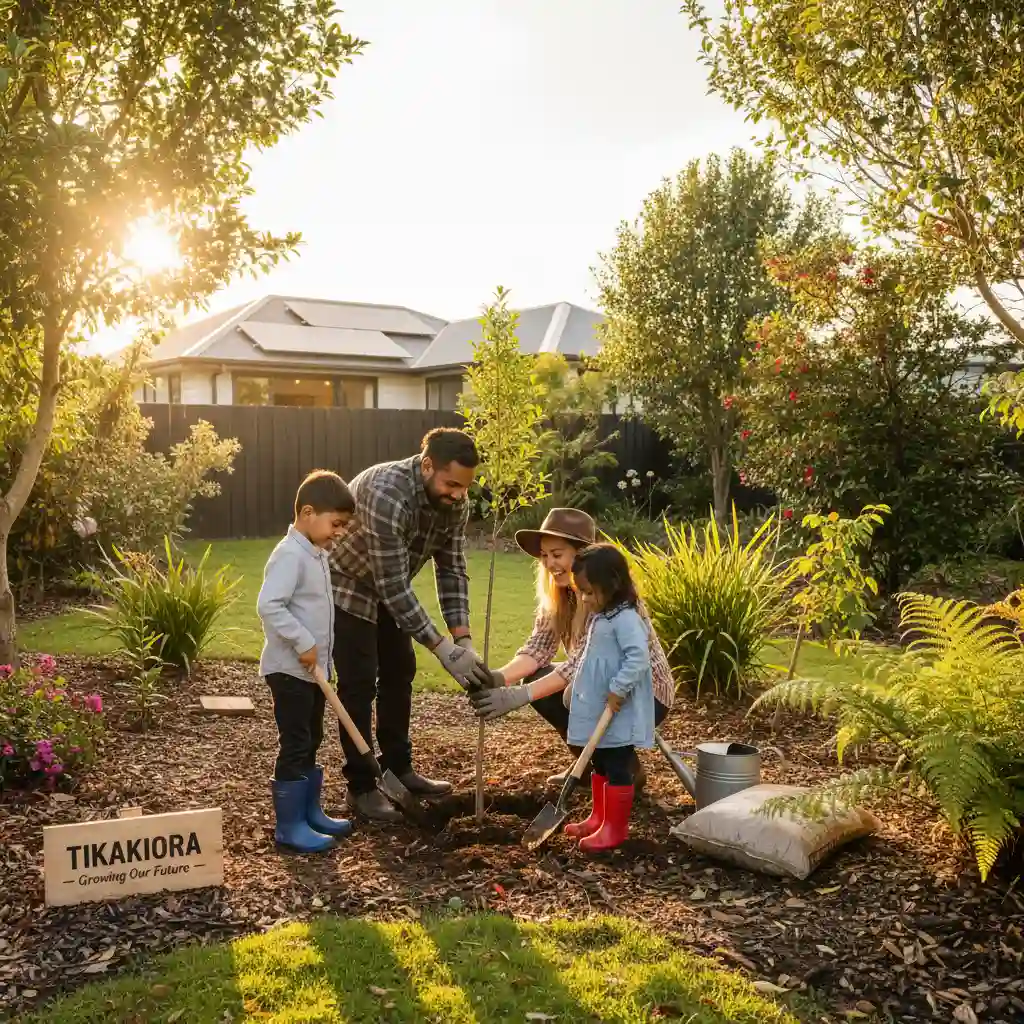
Build a Sustainable Parent Community: Swap, Share, Support
Parenting in today’s world often feels like a balancing act – juggling responsibilities, managing expenses, and striving to make sustainable choices for our families and the planet. What if you didn’t have to do it alone?
Imagine a local network where you could effortlessly swap outgrown baby gear, share gardening tips for growing your own kai, and find unwavering support from like-minded parents navigating similar journeys. This isn’t just a dream; it’s the powerful reality of a thriving sustainable parent community.
In New Zealand, where our connection to the land (whenua) and community (whānau) runs deep, fostering such groups is not only natural but essential for a truly sustainable lifestyle. Let’s explore how you can initiate, grow, and benefit from building a sustainable parent community right in your neighbourhood.
Table of Contents
- Why a Sustainable Parent Community?
- Building Your Sustainable Parent Community: A Step-by-Step Guide
- Practical Ideas for Swapping, Sharing, and Supporting
- Overcoming Common Challenges
- Frequently Asked Questions (FAQ)
- References & Sources
Why a Sustainable Parent Community?
The demands of modern parenting often push us towards convenience, which can sometimes conflict with our desire for a more sustainable lifestyle. From rapidly outgrown clothing and toys to the constant need for new skills and emotional resilience, parents face unique pressures. A sustainable parent community offers a powerful antidote.
“The beauty of a sustainable parent community lies in its circular economy. It’s about more than just transactions; it’s about building resilience, sharing knowledge, and strengthening the social fabric of our neighbourhoods.”
By working together, parents can significantly reduce waste, save money, and gain invaluable support. Did you know that the average child uses 1-1.5 tonnes of disposable nappies before potty training? Swapping cloth nappies or gently used baby items within a community dramatically cuts down on landfill waste and expenses. These communities become hubs of practical wisdom, shared resources, and mutual encouragement.
Stat Callout: Families can save thousands of dollars annually by participating in clothing swaps, toy exchanges, and bulk buying groups, reducing both financial strain and environmental impact.

Building Your Sustainable Parent Community: A Step-by-Step Guide
Ready to make a tangible difference in your local area? Here’s how to build a vibrant, sustainable parent community from the ground up.
1. Define Your Vision & Values
Before you gather anyone, clarify what your community will stand for. Is it primarily about reducing waste, saving money, emotional support, or a blend of all three? Having a clear vision helps attract the right people.
- Key Question: What problem are you trying to solve for parents in your area?
- Example: “To create a supportive network for Ōtautahi parents to easily share resources and knowledge for raising children sustainably.”
2. Find Your Core Group
You don’t need a huge group to start. Begin with 2-3 other parents who share your enthusiasm. These initial members will be your co-organisers and help shape the group’s initial activities. Think about friends, neighbours, or parents you meet at playgroups or school drop-offs.
- Tip: Look for individuals who are reliable, communicative, and passionate about sustainability.

3. Choose Your Activities: Swap, Share, Support
Decide on tangible ways your community will interact. Start small and simple before scaling up.
- Swap: Organise regular clothing/toy exchanges, baby gear swaps (cots, prams), or even seed/produce swaps.
- Share: Create a tool library, a bulk-buy co-op for eco-friendly household products, or host skill-sharing workshops (e.g., repairing clothes, making preserves).
- Support: Establish a meal train for new parents, a babysitting co-op, or regular meet-ups for open discussion and mutual encouragement.
4. Leverage Digital & Local Resources
In today’s connected world, combining online and offline efforts is key to building a sustainable parent community. Use digital tools to facilitate communication and organisation.
- Online: Set up a private social media group (Facebook, WhatsApp), a shared calendar, or a simple website.
- Local: Utilise community centres, local libraries, parks, or even school halls for physical meet-ups and swap events. Partner with local eco-friendly businesses for discounts or event spaces.
Stat Callout: Joining or creating local community groups can reduce household waste by up to 30% through sharing and reuse initiatives, according to recent sustainability studies.
5. Nurture & Grow Your Community
Consistency is crucial. Regularly schedule activities, encourage feedback, and delegate responsibilities to avoid burnout. Celebrate successes, big or small, to maintain momentum and foster a sense of belonging.
- Encourage Participation: Ask members what they need or what skills they can offer.
- Be Inclusive: Welcome new members and ensure everyone feels valued.

Practical Ideas for Swapping, Sharing, and Supporting
Here are some concrete ways your sustainable parent community can thrive:
- Baby & Kids’ Gear Swaps: From maternity clothes to strollers, high chairs, and even school uniforms.
- Skill-Share Workshops: Mending clothes, basic car maintenance, gardening, cooking economical meals, DIY natural cleaning products.
- Community Garden/Compost Hub: Pool resources for a shared garden plot or communal composting system.
- Bulk Buying Group: For pantry staples, eco-friendly cleaning supplies, or zero-waste essentials.
- Parent Support Circles: Regular catch-ups to discuss parenting challenges, share victories, and offer emotional support over a cuppa.
- Babysitting Co-op: A token-based system where parents earn tokens for babysitting and spend them for their own childcare needs.

Overcoming Common Challenges
Every community faces hurdles, but with foresight and collaboration, you can navigate them effectively:
- Lack of Participation: Start small, make events easy to attend, and actively solicit ideas from members. Personal invitations can be very effective.
- Logistics: Utilise online tools for scheduling and communication. Designate clear roles for event organisation.
- Managing Expectations: Be clear about the community’s purpose and what members can expect. Not every interaction will be perfect, and that’s okay.
- Conflict: Establish simple guidelines for respectful interaction. Address issues promptly and fairly.

Building a sustainable parent community is an act of love – for our children, our planet, and ourselves. It transforms individual efforts into collective power, making sustainable living not just achievable but deeply enriching. By choosing to swap, share, and support, you’re not only reducing your footprint but also weaving a stronger, more resilient fabric for your local New Zealand community.
Take the first step today. Reach out to a fellow parent, spark a conversation, and watch how quickly a shared vision can grow into a thriving network of support and sustainability.
Frequently Asked Questions (FAQ)
What’s the best way to start a sustainable parent community if I don’t know many local parents?
Start by connecting with parents you already encounter, such as at your child’s daycare, school, or local park. Utilise local community Facebook groups or notice boards to post your interest in forming a group focused on sustainable parenting. You might be surprised how many are waiting for someone to take the lead!
How do we manage items for swapping and sharing to ensure fairness and quality?
Establish clear guidelines from the outset. For swaps, suggest items be clean, in good working condition, and safe. For sharing, you might implement a simple sign-out/sign-in system or a ‘token’ system for items like a tool library. Trust and communication are key.
What kind of support can a sustainable parent community offer beyond material swaps?
Beyond material goods, communities offer emotional support through shared experiences, practical help like meal trains for new parents or a babysitting co-op, and skill-sharing workshops for things like natural cleaning or home repairs. The peer support and shared knowledge can be incredibly empowering.
Are there any legal considerations for setting up a community group in New Zealand?
For informal groups focused on swaps and support, typically no formal legal structure is required. However, if you plan to handle money, sign contracts, or operate formally (e.g., open a bank account, apply for grants), you might consider options like becoming an incorporated society. For most sustainable parent communities, starting informally is perfectly fine. Always research local council guidelines if using public spaces for events.
References & Sources
- Ministry for the Environment. (Various publications on waste reduction and circular economy initiatives in New Zealand).
- Stats NZ. (Demographic and household expenditure data related to families and consumption).
- Sustainable Business Network Aotearoa. (Resources and insights on sustainable practices).
- The Zero Waste International Alliance. (Information on global waste reduction strategies and benefits).
- Community & Voluntary Sector website (govt.nz). (Guidance on forming and managing community groups in New Zealand).